Mamianqun and Hanbok in 2026 Fashion Media: Editorial Styling Guide
The 2026 Media Landscape: From Historical Epics to High Fashion
In 2026, the global fashion media ecosystem has fully embraced Asian traditional garments, transitioning them from niche cultural artifacts to foundational luxury wardrobe staples. Driven by the massive international success of high-budget historical epics on major streaming platforms throughout late 2025 and early 2026, top-tier publications like Vogue, Harper's Bazaar, and Elle are routinely featuring the Chinese Mamianqun (horse-face skirt) and the Korean Hanbok in their primary editorial spreads. This "screen-to-street" phenomenon has fundamentally altered how global stylists approach proportion, texture, and silhouette. Rather than treating these garments as mere costumes for thematic photoshoots, 2026 fashion editors are integrating them into contemporary, high-fashion narratives, pairing ancient weaving techniques with modern minimalist tailoring. For the discerning collector and fashion enthusiast, understanding how to source, style, and care for these editorial-grade pieces is essential for navigating this year's most prominent sartorial movement.
Deconstructing the Mamianqun for the Modern Wardrobe
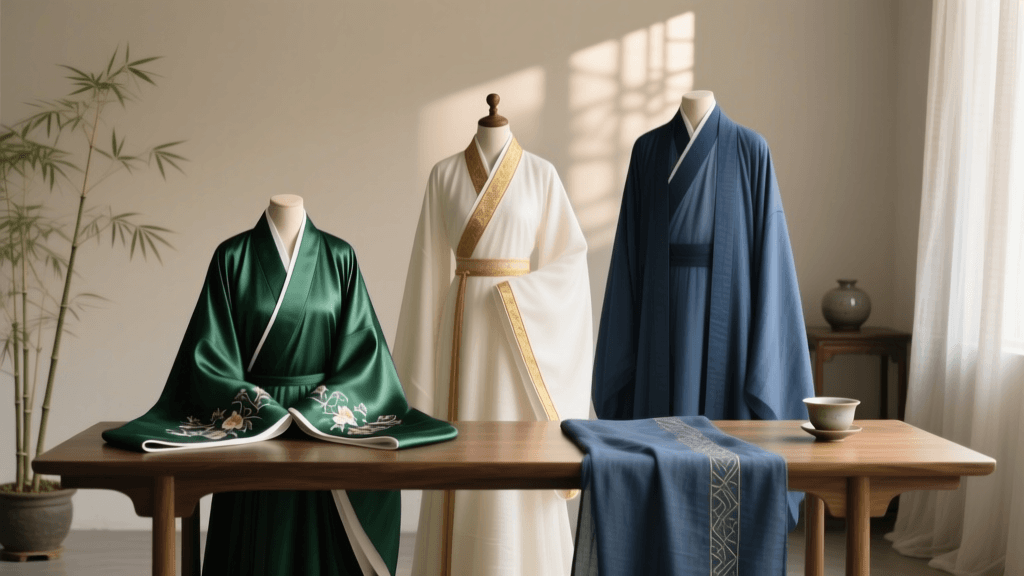
The Mamianqun, characterized by its flat front and back panels with heavily pleated sides, has become the undisputed centerpiece of 2026's global skirt trends. While its origins trace back to the Song and Ming dynasties, the version dominating current fashion media is a masterclass in modern structural engineering. In recent Paris and Milan runway shows, designers have favored heavy silk brocades and metallic jacquard weaves that catch the light dynamically on camera.
When sourcing a Mamianqun for an editorial or high-end streetwear look, pleat count and fabric weight are your most critical metrics. Traditional historical reproductions often feature fewer, wider pleats. However, the 2026 editorial standard demands 20 to 24 micro-pleats per side. This higher pleat density creates a breathtaking kinetic movement when walking, a feature heavily emphasized in recent digital fashion campaigns. Furthermore, the waist-to-floor measurement is crucial. While fast-fashion brands often produce a 90cm midi length, luxury editorial pieces maintain a 105cm to 110cm length, designed to graze the ankle bone and elongate the wearer's silhouette. The waist ties, traditionally made of cotton, are now being crafted from 45cm-wide silk charmeuse ribbons that allow for elaborate, structural bowing at the hip.
The Modern Hanbok: Reimagining the Jeogori and Chima
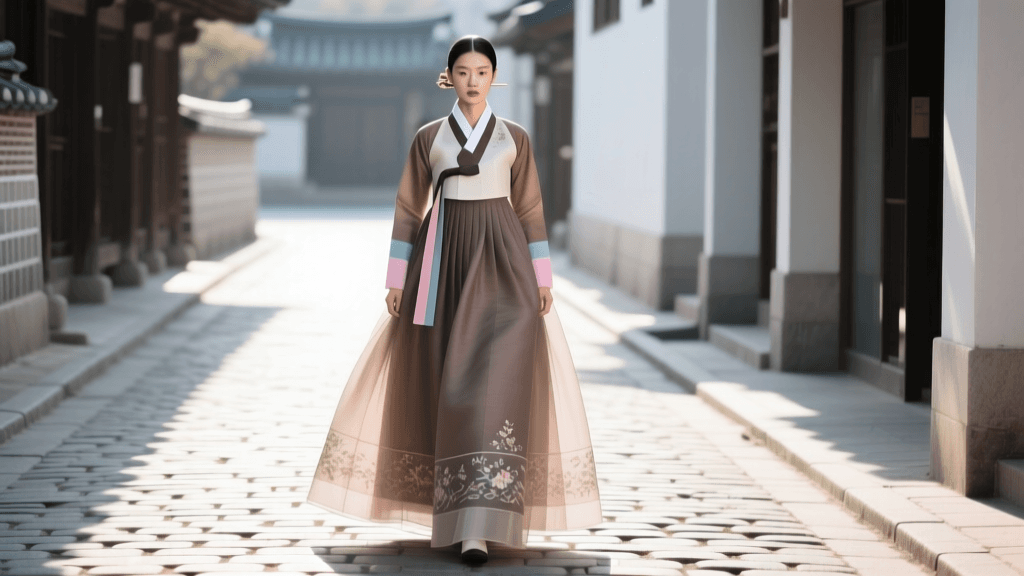
Parallel to the rise of the Mamianqun is the global media's fascination with the modernized Hanbok. According to historical overviews of the traditional Hanbok structure, the garment is defined by its vibrant colors and simple lines without pockets. In 2026, global stylists are radically reimagining the jeogori (upper jacket) and chima (wrap skirt) to suit contemporary layering needs.
The most prominent 2026 trend seen in international fashion capitals is the use of sheer, stiffened silk organza for the chima. This fabric choice allows the skirt to hold its iconic bell shape without the cumbersome traditional underpinnings, creating an ethereal, architectural volume that photographs beautifully. Meanwhile, the jeogori is being adapted into asymmetrical outerwear. Editors are frequently styling elongated, sheer jeogori dusters over sleek, floor-length slip dresses, or pairing sharply cropped, structured silk jeogori with high-waisted, wide-leg wool trousers. This juxtaposition of historical Korean proportions with Western tailoring represents the pinnacle of 2026 cross-cultural editorial styling.
Sourcing Authentic Pieces: Editorial vs. Fast Fashion
As demand surges, the market has been flooded with synthetic imitations. Distinguishing between a fast-fashion costume and an editorial-grade garment requires a keen eye for textile composition and hardware. Below is a comparative guide to help you invest wisely in 2026.
| Feature | Fast-Fashion Replica ($30-$60) | Boutique Artisan ($150-$300) | Editorial/Luxury ($800+) |
|---|---|---|---|
| Fabric Composition | 100% Polyester, stiff and unbreathable | Cotton-blend jacquard, silk-poly blends | 100% Mulberry silk, authentic Song brocade |
| Pleat Retention | Loses structural shape after 1-2 washes | Heat-set pleating, lasts 1-2 years | Hand-pressed, permanent structural memory |
| Hardware/Closures | Glued decorative buttons, cheap side zippers | Hidden side zippers, metal snap buttons | Custom jade/metal clasps, silk tie closures |
| Lining | Unlined or lined with cheap, static acetate | Cuprammonium rayon or Bemberg lining | Hand-stretched silk habotai, anti-static |
Actionable Styling Rules for 2026
To successfully integrate these garments into a modern, high-fashion wardrobe, stylists recommend adhering to three core rules that have dominated 2026 editorial pages:
- Footwear Contrast: Avoid traditional embroidered shoes (kkotsin or gongxie) unless you are attending a strict cultural ceremony. For everyday editorial styling, pair the voluminous Mamianqun or Chima with square-toe leather ankle boots, minimalist loafers, or sleek Mary Janes. The sharp, modern lines of the footwear ground the historical volume of the skirt.
- Proportion Balancing: Because both the Mamianqun and the Chima possess immense visual weight and volume, the upper body must remain streamlined. If you are not wearing a traditional jeogori, opt for a fitted ribbed knit turtleneck, a structured corset top, or a tailored waistcoat. This prevents the silhouette from overwhelming the wearer's frame.
- Outerwear Integration: As we navigate the Autumn/Winter 2026 season, layering is key. Oversized wool blazers and classic beige trench coats work seamlessly over the Hanbok skirt. The key is to ensure the outerwear hits either exactly at the waistline or falls below the hip, avoiding mid-thigh lengths that clash with the skirt's pleat lines.
Archival Care for Luxury Asian Textiles
Investing in luxury silk brocades and hand-pleated garments requires a commitment to proper textile preservation. The Metropolitan Museum of Art's Asian Art textile archives demonstrate that silk, when cared for properly, can last for centuries. For your 2026 editorial pieces, never use standard wire hangers, which will distort the shoulder lines of a jeogori and cause irreversible creasing in heavy brocades. Instead, use padded, wide-shoulder hangers covered in unbleached cotton.
For the Mamianqun, hanging is generally acceptable if the skirt features a sturdy waistband, but the pleats must be secured. Use a specialized skirt hanger with wide, padded clips, and place a piece of acid-free tissue paper between the clip and the silk to prevent crushing. If storing for the off-season, do not fold the pleats sharply. Instead, roll the skirt loosely around an acid-free cardboard tube, interleaving the layers with unbuffered tissue paper to maintain the structural memory of the micro-pleats. Dry cleaning should be done sparingly and only by specialists who understand the intricacies of Asian silk weaving and metallic thread preservation; frequent chemical cleaning will strip the silk of its natural sericin, leading to brittleness and a loss of the fabric's signature luster.
The Future of Global Silhouettes
The integration of the Mamianqun and Hanbok into global fashion media in 2026 is not a fleeting trend; it is a permanent expansion of the global sartorial vocabulary. Much like the evolution of Chinese silhouettes seen with the global adoption of the qipao in the 20th century, today's traditional garments are being adapted, respected, and woven into the fabric of international high fashion. By understanding the precise measurements, fabric requirements, and styling nuances of these garments, you can confidently participate in this rich, cross-cultural fashion dialogue, ensuring your wardrobe reflects both historical reverence and cutting-edge 2026 aesthetics.