Kitsuke Mindfulness: 2026 Slow Fashion Kimono Wellness
The Intersection of Kimono, Mindfulness, and Slow Fashion
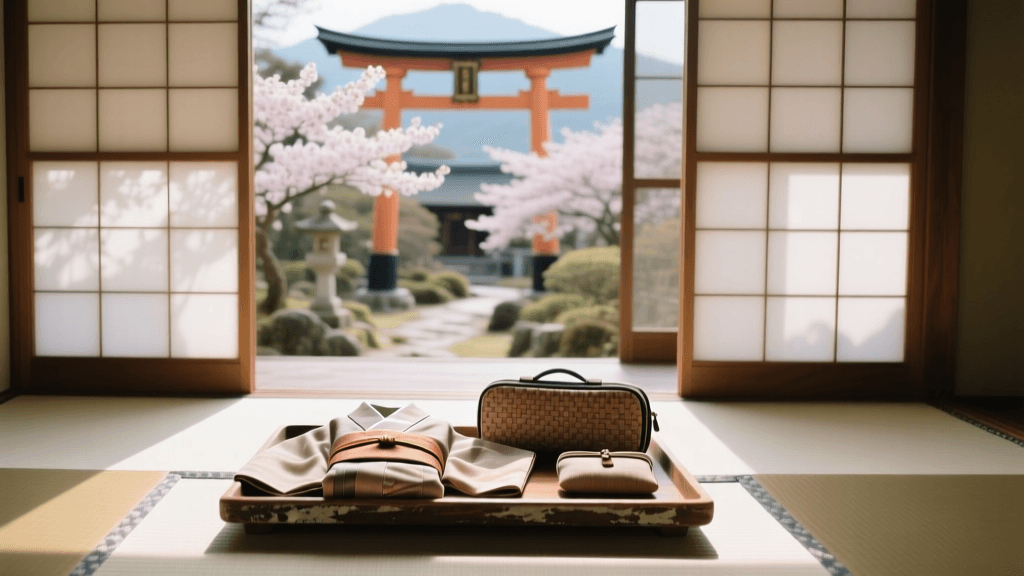
In an era dominated by hyper-fast fashion and digital burnout, the year 2026 has seen a profound cultural shift toward intentional living, circular wardrobes, and somatic wellness practices. At the forefront of this movement is the integration of traditional Asian garments into daily mindfulness routines. Specifically, the Japanese art of kitsuke (kimono dressing) and the repurposing of vintage kimono silk have emerged as powerful tools for grounding, meditation, and sustainable living. This guide explores how the deliberate, meditative mechanics of wearing a kimono, combined with the ethical upcycling of heritage textiles, can transform your daily wellness routine.
The Zen of Kitsuke: Dressing as a Moving Meditation
Kitsuke is rarely just about putting on clothes; it is a highly structured, deliberate practice that demands presence, precision, and deep breathing. Unlike modern Western garments that are slipped on hastily, dressing in a kimono requires a sequence of mindful steps. You begin with the hadajuban (under-kimono), aligning the seams perfectly with your body's center. Next comes the nagajuban, followed by the precise folding of the okumi (front panels) to ensure the left side overlaps the right, a gesture steeped in cultural respect and historical continuity.
The physical act of tying the koshihimo (waist ties) and datejime (under-sash) requires a specific type of diaphragmatic breathing. You must exhale deeply to allow the ties to sit snugly against your core without restricting your breath, creating a gentle, continuous physical feedback loop that anchors your awareness to your body. According to the Victoria and Albert Museum's comprehensive guide to the Kimono, the garment's straight-line construction and lack of darts force the wearer to move with deliberate grace, naturally slowing down the pace of life and encouraging a meditative state of being.
Enclothed Cognition: The Psychology of Traditional Garments
The psychological phenomenon known as "enclothed cognition" describes the systematic influence that clothes have on the wearer's psychological processes. When you engage in kitsuke, you are not merely covering your body; you are adopting the posture, dignity, and tranquility associated with the garment. The gentle weight of the obi (sash) around the abdomen acts similarly to a weighted therapy wrap, providing deep pressure stimulation that calms the central nervous system. This makes the kimono an exceptional garment for pre-meditation grounding, helping to transition the mind from the chaotic frequencies of modern life into a state of alpha-wave relaxation.
As Harvard Health Publishing's research on the benefits of mindfulness highlights, incorporating physical rituals into mindfulness practices significantly improves focus and reduces cortisol levels. The tactile sensation of vintage chirimen (crepe silk) or rinzu (satin silk) against the skin serves as a sensory anchor, keeping wandering thoughts tethered to the present moment.
Slow Fashion in 2026: Sourcing and Sustaining Vintage Silk
The wellness benefits of the kimono are deeply intertwined with the slow fashion movement. In 2026, the environmental cost of fast fashion is undeniable, and consumers are increasingly turning to heritage garments that embody the Japanese philosophy of mottainai (a sense of regret concerning waste). Vintage kimono, often sourced from family tansu (chests of drawers) or curated online archives, represent the ultimate circular fashion. These garments were designed to be disassembled, washed, re-dyed, and restitched, meaning a single bolt of silk can have a lifespan spanning centuries.
By choosing to wear or repurpose vintage kimono silk, you are participating in a regenerative wardrobe cycle. The Ellen MacArthur Foundation's circular fashion overview emphasizes that extending the life of existing textiles is one of the most effective ways to reduce the fashion industry's carbon footprint. A vintage silk kimono from the 1970s requires zero new water, pesticides, or petroleum to produce, making it a cornerstone of an eco-conscious wellness lifestyle.
Upcycling Kimono Silk for Modern Wellness Tools
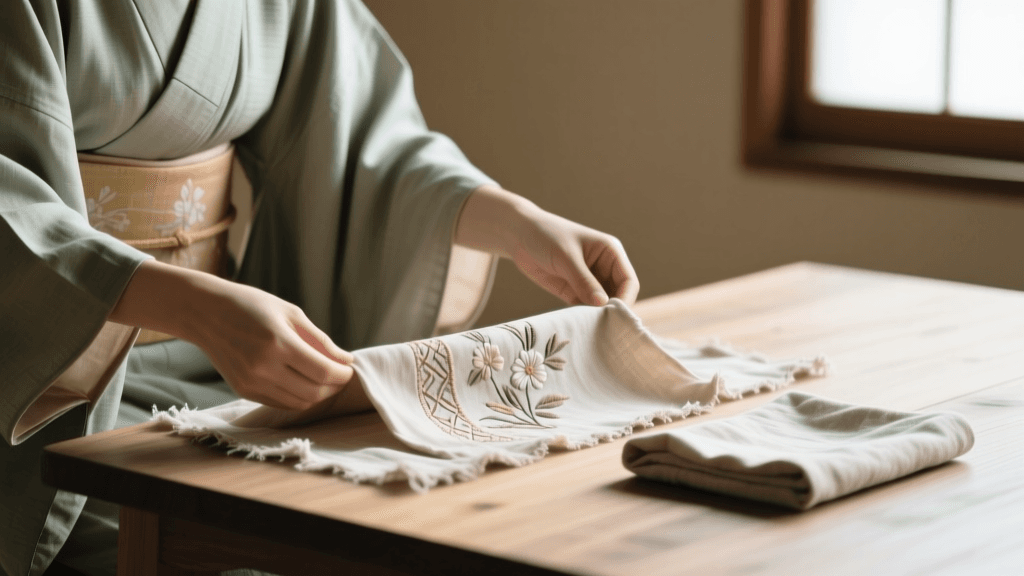
Not every day calls for a full kimono ensemble, but the wellness properties of vintage silk can be integrated into your daily life through mindful upcycling. Artisans and slow-fashion brands in 2026 are transforming damaged or unwearable vintage kimono into premium wellness accessories. Because kimono silk is woven on narrow looms (typically 14 to 16 inches wide), the fabric is uniquely suited for creating specialized meditation and relaxation tools without generating offcut waste.
- Zafu and Zabuton Sets: Meditation cushions covered in heavy vintage tsumugi (pongee silk) provide a durable, breathable, and aesthetically grounding surface for seated meditation. The natural temperature-regulating properties of silk keep you comfortable during long sits.
- Weighted Silk Eye Masks: Filled with organic flaxseed and lavender, eye masks crafted from soft yuzen-dyed silk block out light while the gentle weight stimulates the vagus nerve, promoting deeper restorative sleep and yoga nidra sessions.
- Mindfulness Shawls: Repurposed haori (kimono jackets) or wide silk sashes are used as meditation shawls, providing warmth and a sense of being held during deep breathwork or sound baths.
Comparative Analysis: Upcycled Silk vs. Conventional Wellness Gear
To understand the true value of integrating kimono silk into your wellness routine, consider how it compares to mass-produced alternatives available in the 2026 market.
| Wellness Item | Material Source | Tactile & Mindfulness Benefit | Eco-Impact (2026 Metric) | Average Cost |
|---|---|---|---|---|
| Artisan Zafu Cushion | Upcycled Vintage Tsumugi Silk | Highly breathable, grounding texture, natural temperature control | Zero new water/carbon emissions; diverts textile waste | $140 - $180 |
| Conventional Zafu | New Organic Cotton / Polyester Blend | Standard support, can trap heat over time | Requires new agricultural land and manufacturing energy | $60 - $90 |
| Weighted Eye Mask | Upcycled Rinzu (Satin) Silk | Ultra-smooth against delicate skin, naturally cooling | Utilizes small, otherwise unusable fabric remnants | $45 - $65 |
| Conventional Eye Mask | Synthetic Fleece / Memory Foam | Can cause skin friction, retains heat and sweat | Relies on petroleum-based foams and microplastic shedding | $20 - $35 |
Your 2026 Morning Kitsuke and Mindfulness Routine
Integrating these concepts into a practical daily routine requires intention but yields profound mental clarity. Here is a structured morning ritual designed for the modern practitioner seeking to blend traditional Asian garment culture with contemporary wellbeing practices.
6:00 AM: Sensory Awakening
Begin your morning without digital screens. Brew a cup of hojicha or matcha. Wrap yourself in a vintage silk tanzen (a padded, kimono-style robe) or a repurposed silk shawl. The weight and drape of the silk signal to your nervous system that it is time for quiet reflection.
6:20 AM: The Kitsuke Grounding Practice
If you are practicing full kitsuke, treat the 20-minute dressing process as your primary meditation. Focus entirely on the alignment of the seams, the smoothing of the fabric, and the rhythm of your breath as you tie the datejime. If you are dressing for comfort, practice "partial kitsuke" by mindfully wrapping a wide silk sash around your waist over your loungewear, utilizing the gentle abdominal pressure to encourage deep belly breathing.
6:45 AM: Seated Meditation on the Zafu
Transition to your meditation space. Sit on your upcycled silk zafu. The smooth, cool texture of the vintage silk beneath your hands or legs provides a continuous tactile anchor. Spend 20 minutes practicing Vipassana or Zazen, returning your focus to the physical sensation of the silk whenever your mind wanders.
7:15 AM: Integration and Journaling
Conclude your physical practice by journaling about the somatic experience of the garments. Note how the restriction of the sash influenced your posture and breath. This reflection bridges the gap between physical sensation and mental awareness, solidifying the enclothed cognition benefits for the rest of your day.
Conclusion: Weaving Wellness into the Fabric of Life
The intersection of kimono culture and modern wellness is not about rigid historical reenactment; it is about extracting the profound mindfulness embedded in traditional practices and applying them to contemporary life. By embracing the slow, deliberate art of kitsuke and choosing to surround yourself with the upcycled beauty of vintage silk, you are making a powerful statement about your values. In 2026, true luxury is not found in the mass production of the new, but in the mindful preservation of the old, woven seamlessly into a life of intention, health, and deep inner peace.