Sogdian Samite Silk 2026: Archaeological Finds & Preservation
The Resurgence of Sogdian Samite in 2026
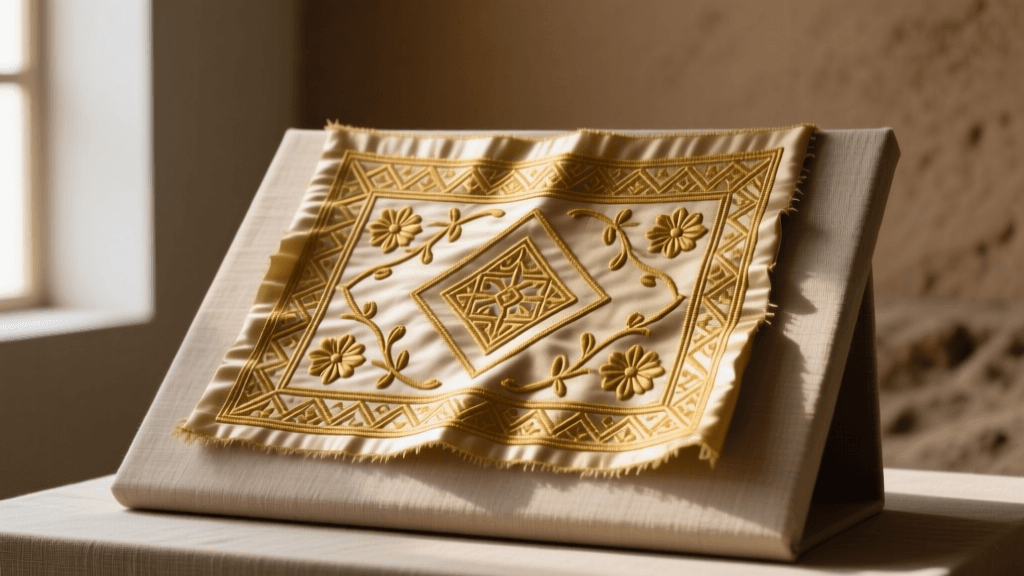
The Silk Road was not merely a conduit for spices, jade, and precious metals; it was the ultimate superhighway for textile innovation and cross-cultural exchange. Among the most coveted commodities traded between the Byzantine Empire, Sasanian Persia, and Tang Dynasty China were Sogdian silks. The Sogdians, an ancient Iranian people centered in modern-day Uzbekistan and Tajikistan, acted as the primary merchants of the Silk Road. Their mastery of samite—a luxurious weft-faced compound twill silk—left an indelible mark on global fashion history. In 2026, a renewed wave of archaeological digitizations and global museum exhibitions has brought Sogdian textile exchanges back into the spotlight, offering collectors, historians, and enthusiasts unprecedented access to these ancient masterpieces.
Recent excavations and re-analyses of the Astana Cemetery in the Turfan Depression of Xinjiang, China, have yielded spectacular results. The hyper-arid climate of the Turfan basin naturally mummified the dead and preserved their garments, including intricate silk boots, pillow covers, and burial shrouds. According to the UNESCO Silk Roads Programme, the integration of non-invasive macro-X-ray fluorescence (MA-XRF) scanning in early 2026 has allowed archaeologists to map faded organic dyes without touching the fragile fibers, revealing hidden motifs of confronting rams and pearl roundels that had been invisible to the naked eye for centuries.
Decoding the Weave: The Architecture of Samite
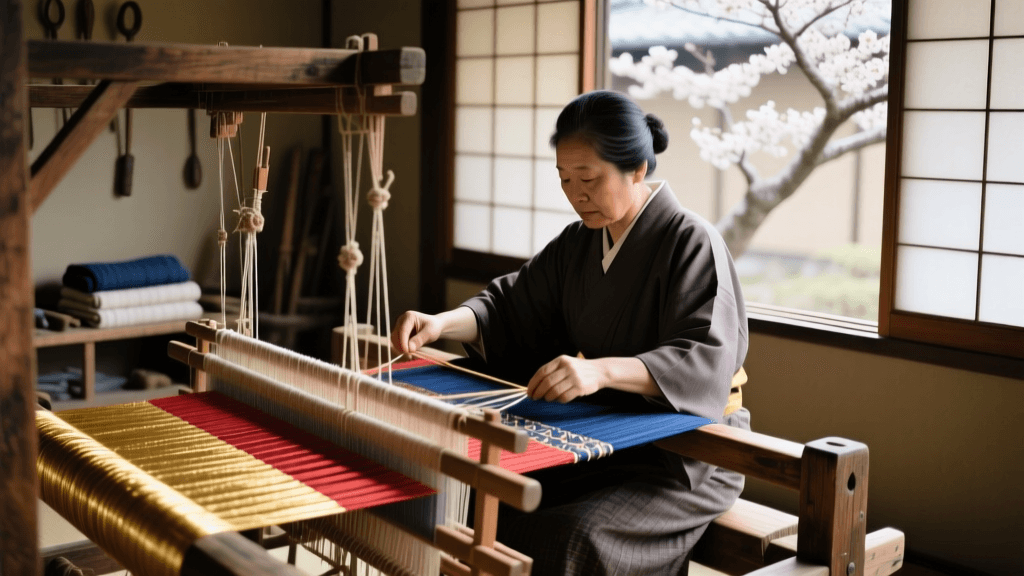
To understand the value of these archaeological finds, one must understand the technical brilliance of Sogdian samite. Unlike the warp-faced silks traditionally produced in Han Dynasty China, which relied on the warp threads to create the pattern, samite is a weft-faced compound twill. This structure requires a complex drawloom setup where multiple weft threads of different colors are bound by a hidden warp system.
The resulting fabric is incredibly dense, heavy, and reversible, with a rich, matte luster that drapes heavily. The Sogdians adopted this technique from Sasanian Persian weavers and adapted it using Chinese silk filaments, creating a true hybrid textile. As documented by the University of Washington's Silk Road Seattle project, this technological exchange represents one of the earliest examples of globalized manufacturing, where raw materials from East Asia were processed using Western Asian loom technology to satisfy the demands of a transcontinental market.
Key Motifs Found in the Astana Excavations
The visual language of Sogdian silk is heavily steeped in Zoroastrian symbolism and Sasanian royal iconography. When viewing the 2026 digital archives or physical exhibits, look for these defining motifs:
- Pearl Roundels: Circular borders made of pearl-like dots enclosing central figures. This motif originated in Persia and became a staple in Sogdian and later Tang Chinese textiles.
- Confronting Rams and Boars: Symbols of Verethragna, the Zoroastrian god of victory. The boar's head, in particular, was a fierce emblem of royal power often woven into the tunics of Sogdian nobility.
- The Senmurv: A mythical beast with the head of a dog or bird and the body of a peacock, representing the union of earth and sky. Fragments featuring the Senmurv are among the rarest finds in the Astana cemetery.
- Akanthus Vines: Hellenistic influences that traveled through Gandhara and Central Asia, often used as filler motifs between the primary roundels.
Experiencing the 2026 "Threads of the Steppe" Exhibitions
For textile enthusiasts planning their 2026 travel itineraries, the "Threads of the Steppe" touring exhibition is a must-see. This collaborative effort between the Xinjiang Uygur Autonomous Region Museum, the Asian Civilisations Museum in Singapore, and the Metropolitan Museum of Art in New York showcases over 150 recently conserved Sogdian and Tang-era textiles.
Practical Viewing Tips for 2026:
- Book Timed-Entry Slots Early: Due to strict climate-control limits in the exhibition galleries, museums are capping hourly attendance. Book your tickets at least three weeks in advance via the respective museum portals.
- Bring Polarized Lenses: Many of the Astana silks are displayed behind low-iron, anti-reflective glass to protect them from UV radiation. Polarized glasses will help you see the intricate twill weave structures without glare.
- Attend the MA-XRF Demonstrations: Several host museums are offering live weekend demonstrations of the spectral imaging technology used to uncover the hidden madder and weld dyes in the burial shrouds. Check the museum's 2026 educational calendar for these specific lab open-house dates.
Sourcing Authentic Samite Replicas in 2026
While owning an original 7th-century Astana fragment is restricted to institutions, the 2026 market for historically accurate replicas has matured significantly. Artisan cooperatives in Suzhou, China, and Bukhara, Uzbekistan, have reconstructed traditional jacquard and drawloom setups specifically to replicate Sogdian samite.
When sourcing a replica for historical reenactment, academic study, or high-end fashion, expect to pay between $450 and $850 per linear yard. Authentic hand-loomed samite requires a minimum of 120 warp ends per inch and multiple shuttle passes, making it an incredibly labor-intensive textile. Ensure the weaver uses degummed mulberry silk and natural dye equivalents (such as synthetic alizarin to mimic historical madder root) to achieve the correct historical drape and color fastness.
Museum-Grade Preservation for Private Collectors
If you are fortunate enough to acquire high-end silk replicas, or if you are tasked with storing delicate antique Asian textiles, adhering to modern conservation standards is non-negotiable. Silk is a protein fiber (fibroin) that is highly susceptible to photo-degradation, hydrolysis, and pest damage. The Getty Conservation Institute continuously updates its guidelines for organic artifacts, and the 2026 standards emphasize strict environmental stabilization over chemical interventions.
| Conservation Parameter | 2026 Standard for Silk | Rationale & Actionable Advice |
|---|---|---|
| Temperature | 10°C - 15°C (50°F - 59°F) | Cooler temperatures drastically slow the chemical degradation of protein chains. Use a dedicated climate-controlled storage unit, not a standard closet. |
| Relative Humidity (RH) | 45% - 55% | Fluctuations cause fibers to expand and contract, leading to micro-tears. Use silica gel cassettes or electronic dehumidifiers to maintain a flat RH curve. |
| Light Exposure | < 50 Lux (UV < 10 µW/lumen) | Silk yellows and shatters under UV and intense visible light. Store in total darkness; use LED motion-sensor lights with UV filters when accessing the collection. |
| Storage Materials | Unbleached Cotton / Tyvek | Never use standard plastic bins, which off-gas VOCs. Wrap textiles in washed, unbleached muslin or archival Tyvek, and pad folds with acid-free, unbuffered tissue paper. |
| Pest Management | Anoxic Treatment | Do not use mothballs or chemical pesticides, which stain and degrade silk. If an infestation is suspected, seal the textile in an oxygen-deprivation (anoxic) bag for 21 days. |
The Art of Rolling vs. Folding
One of the most common mistakes private collectors make is folding heavy samite silks. The sharp creases created by folding will eventually cause the warp threads to snap under their own tension over time. For any textile larger than a standard archival box, the 2026 best practice is to roll the garment. Use an acid-free honeycomb cardboard tube, wrap it in clean cotton muslin, and roll the silk with the decorative face pointing outward. This ensures that any natural curling of the fabric occurs away from the visible design, protecting the intricate weft patterns from crushing.
Conclusion
The archaeological finds of the Astana Cemetery continue to rewrite our understanding of ancient global trade, proving that the Silk Road was a complex web of technological and artistic synthesis. As we move through 2026, the combination of advanced spectral imaging and global museum collaborations ensures that the legacy of Sogdian samite will not be lost to the sands of the Taklamakan Desert. Whether you are traveling to view the "Threads of the Steppe" exhibition, commissioning a historically accurate drawloom replica, or carefully archiving your own textile collection, applying these modern preservation and appreciation techniques will keep the vibrant history of Asian textile traditions alive for generations to come.