Authentic Slavic Vinok Headwear & Amber Jewelry 2026
The Resurgence of Eastern European Folk Accessories in 2026
The 2026 folk festival season has seen an unprecedented revival of traditional Eastern European dress, moving far beyond costume and into the realm of high heritage fashion. At the heart of this movement are two iconic elements of Slavic and Baltic folk dress: the vinok (the traditional floral wreath) and authentic Baltic amber jewelry. As contemporary artisans and cultural historians collaborate to preserve these traditions, enthusiasts are seeking out historically accurate, sustainably sourced accessories that honor the past while fitting seamlessly into modern wardrobes. Whether you are attending a midsummer Kupala Night celebration, a regional heritage festival, or simply integrating folk elements into your daily style, understanding the construction, sourcing, and styling of these accessories is essential.
The Anatomy of the Slavic Vinok
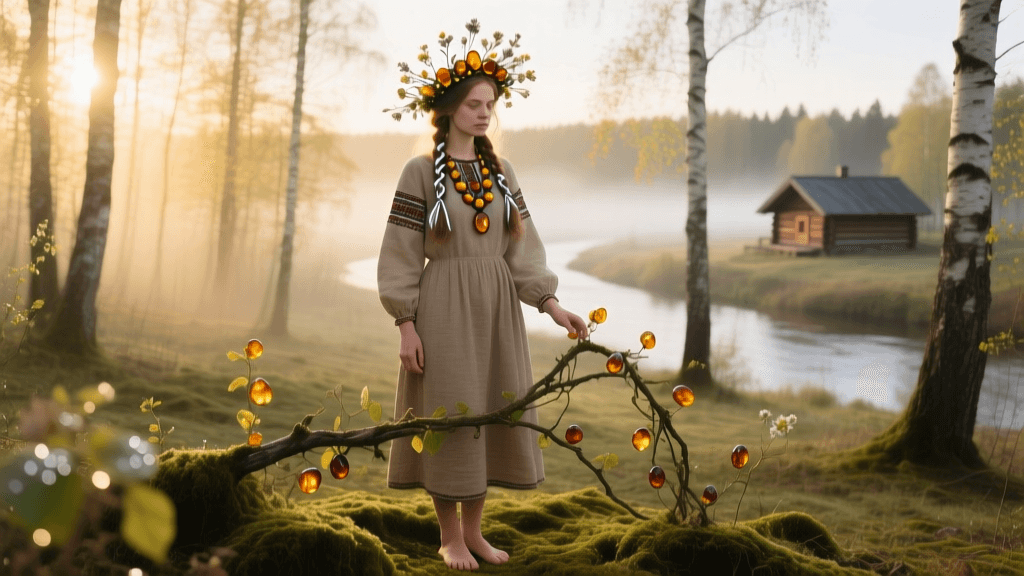
The vinok (Ukrainian) or wianek (Polish) is far more than a simple flower crown; it is a complex, deeply symbolic piece of headwear traditionally worn by unmarried women. Historically, the vinok was believed to protect the wearer from evil spirits and to serve as a divination tool during midsummer festivals. In 2026, the modern revival of the vinok emphasizes botanical accuracy and traditional construction techniques over the mass-produced, synthetic flower crowns of the previous decade.
Botanical Elements and Symbolism
A traditional vinok incorporates specific wildflowers and herbs, each carrying distinct meanings. Cornflowers (Centaurea cyanus) represent purity and the sky, while wild chamomile signifies peace and family health. Red poppies are often woven into the wreath to symbolize youth, beauty, and the fleeting nature of life. For the 2026 festival season, master weavers are incorporating dried lavender, mugwort, and sweetgrass to add an aromatic, grounding element to the headwear, reflecting a broader trend toward sensory, nature-connected folk dress.
The Ribbons: Measurements and Meanings
The most critical structural and symbolic component of the vinok is the trailing ribbons, known as strychki. A proper traditional vinok features between seven and twelve ribbons, each measuring exactly 70 to 100 centimeters in length, and roughly 2 to 3 centimeters in width. The colors are never chosen at random:
- Red: Love, passion, and vital life force.
- Blue: Health, healing, and the protection of the skies.
- Yellow: The sun, harvest, and prosperity.
- Green: Youth, beauty, and the awakening of spring.
- White: Purity, mourning, and connection to ancestors (often omitted in purely celebratory wedding wreaths but included in festival wreaths).
When commissioning or crafting a vinok for 2026, opt for 100% silk or high-grade linen ribbons. The weight of natural fibers allows the ribbons to cascade properly down the back, catching the wind during traditional circle dances (horovod), whereas synthetic ribbons tend to tangle and lack the necessary drape.
Sourcing Authentic Baltic Amber
Baltic amber, or succinite, is the fossilized resin of ancient coniferous forests that existed over 40 million years ago. It has been a cornerstone of Northern and Eastern European adornment since the Neolithic era, traded along the famous Amber Road. According to the Metropolitan Museum of Art's Heilbrunn Timeline of Art History, Baltic amber was highly prized by the Romans and remained a vital component of regional folk jewelry through the Renaissance and into the modern era.
In 2026, the market has shifted dramatically away from heavily polished, uniformly shaped cabochons toward raw, unpolished "wild" amber beads. This trend aligns with the broader folk dress movement's emphasis on natural, unrefined textures. However, the rising demand has also led to an influx of copal (immature resin) and synthetic plastics. Sourcing authentic amber requires a keen eye and an understanding of gemological testing.
The 2026 Amber Authenticity Checklist
The Gemological Institute of America (GIA) outlines several non-destructive methods to verify Baltic amber. When purchasing amber jewelry from artisan markets or online heritage jewelers, employ these tests:
- The Saltwater Test: Genuine Baltic amber has a specific gravity of 1.05 to 1.09. In a solution of 1 part salt to 2 parts water, true amber will float, while most plastics and glass will sink. (Note: Copal will also float, so this test must be combined with others).
- UV Fluorescence: Under a standard long-wave UV flashlight, authentic Baltic amber will fluoresce a pale blue, milky white, or soft green. Plastics typically show no fluorescence or a stark, artificial white glow.
- The Static Test: Rub the amber vigorously against a soft wool cloth for 30 seconds. Genuine amber will develop a static charge strong enough to pick up small pieces of tissue paper.
- The Acetone Test: A drop of acetone (nail polish remover) on true amber will evaporate without leaving a mark. On copal or plastic, it will leave a sticky, tacky residue or melt the surface. (Use sparingly on finished jewelry).
Market Comparison: Amber Grades and 2026 Pricing
Understanding the current market value of Baltic amber is crucial for collectors and folk dress enthusiasts. Prices have fluctuated due to sustainable harvesting regulations implemented in the Baltic states. Below is a guide to the 2026 market rates for authentic Baltic amber, priced per gram for loose beads or raw stones.
| Amber Grade | Appearance & Texture | 2026 Avg. Price (Per Gram) | Best Use in Folk Dress |
|---|---|---|---|
| Raw / Wild | Unpolished, matte finish, natural inclusions, irregular shapes. | $8.00 - $15.00 | Heavy statement necklaces, prayer beads, masculine folk accessories. |
| Tumbled / Semi-Polished | Smooth to the touch, retains organic shape, high clarity. | $12.00 - $22.00 | Multi-strand festival collars, embroidered bodice accents. |
| Cabochon (Heated) | Uniformly shaped, deeply polished, often heat-treated for "sun spangles". | $25.00 - $45.00 | Brooches, hairpins, formal regional costume jewelry. |
| Antique / Heirloom | Pre-1950s cuts, dark oxidized patina, historical silver settings. | $60.00 - $150.00+ | Museum-quality collections, high-end heritage fashion pairings. |
Styling Headwear and Jewelry for Contemporary Festivals
One of the most common mistakes in modern folk dress styling is visual overcrowding. Both the vinok and Baltic amber necklaces are inherently bold, statement-making pieces. To achieve a balanced, elegant look for the 2026 festival season, you must carefully manage visual weight and proportion.
Balancing Proportions
If you are wearing a large, elaborate vinok with abundant trailing ribbons and a wide floral base, avoid heavy, multi-strand amber collars. Instead, opt for a single, substantial raw amber pendant on a simple linen cord or a delicate silver chain. This draws the eye downward and frames the face without competing with the headwear. Conversely, if you choose to wear a heavy, three-strand tumbled amber necklace, scale back the headwear to a simpler, narrower wreath of greenery and white chamomile, omitting the long trailing ribbons.
Pairing with the Vyshyvanka
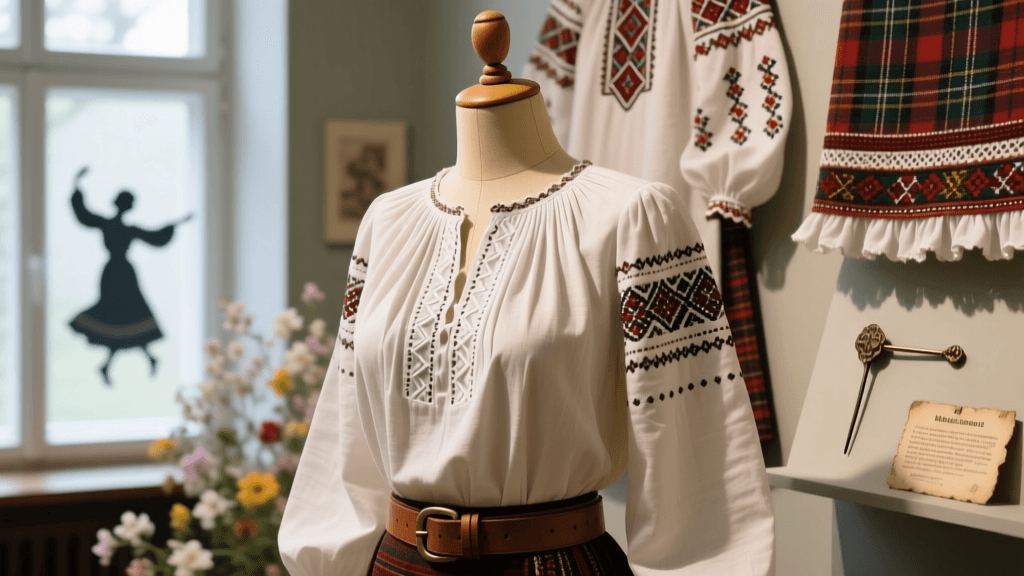
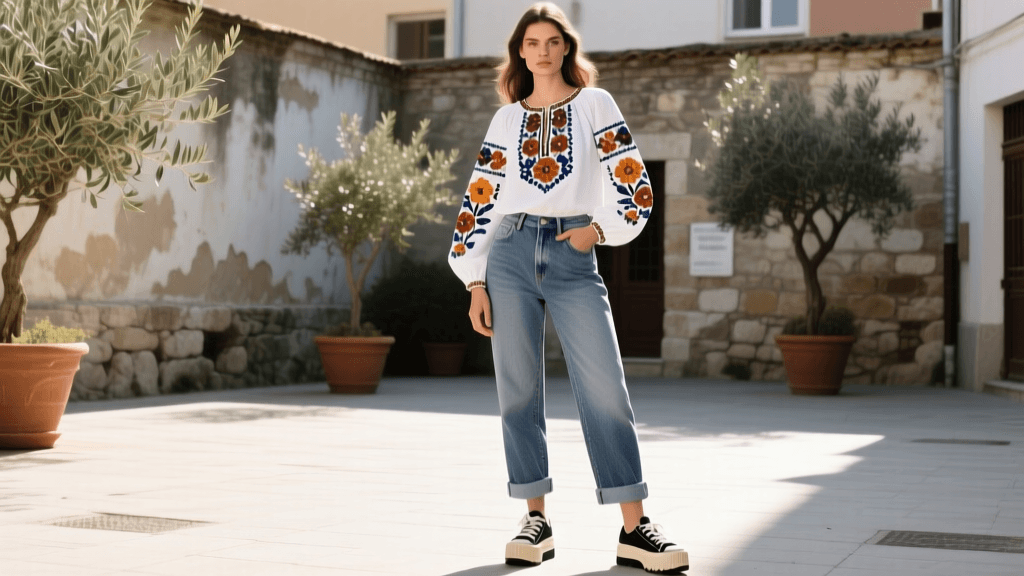
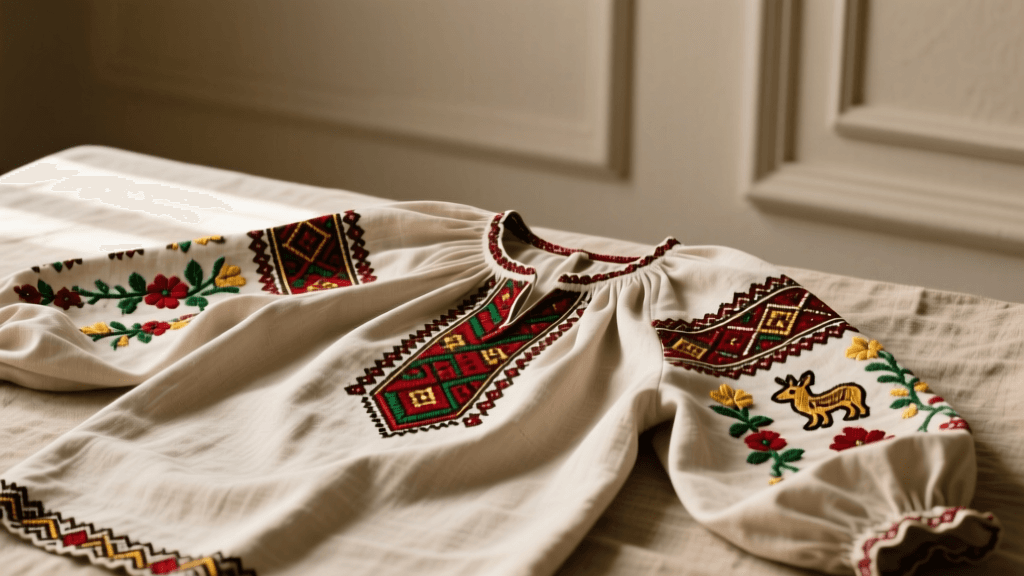
The vyshyvanka (traditional embroidered shirt) is the foundational garment of Eastern European folk dress. When pairing your accessories with a vyshyvanka, consider the color palette of the embroidery. If your shirt features heavy red and black geometric stitching (common in the Poltava and Kyiv regions), choose amber with deep cherry or cognac hues to complement the warmth of the threads. If your embroidery is predominantly white-on-white or features cool blue tones, seek out rare "bone" or "cloudy" Baltic amber, which offers a striking, ethereal contrast against dark linen.
Preservation and Care of Heritage Accessories
Proper maintenance ensures that your folk accessories last for generations. Amber is relatively soft, ranking between 2.0 and 2.5 on the Mohs hardness scale, making it highly susceptible to scratching and chemical damage.
Caring for Baltic Amber
- Cleaning: Never use ultrasonic cleaners, steamers, or harsh jewelry dips. Simply wipe the amber with a soft, lint-free microfiber cloth slightly dampened with lukewarm water.
- Storage: Store amber pieces individually in soft pouches. Keep them away from prolonged exposure to direct sunlight, which can cause lighter amber to oxidize and turn dark red or brittle over time.
- Wearing: Amber benefits from the natural oils of human skin, which help maintain its soft luster. However, apply perfumes, hairsprays, and lotions before putting on your amber jewelry to prevent chemical clouding.
Preserving the Vinok
While many modern festival-goers use high-quality silk florals for durability, those who weave fresh or dried botanical vinoks must take special care. To preserve a dried floral wreath, store it in a breathable cardboard box lined with acid-free tissue paper. Include several packets of silica gel to control humidity and prevent mold growth. Never store a vinok in a plastic bag, as trapped moisture will rapidly degrade the dried petals and cause the natural linen ribbons to mildew. By respecting the materials and the history behind these extraordinary accessories, you participate in the living, breathing continuation of European folk heritage.