2026 Guide To Styling The Romanian Ie For Streetwear
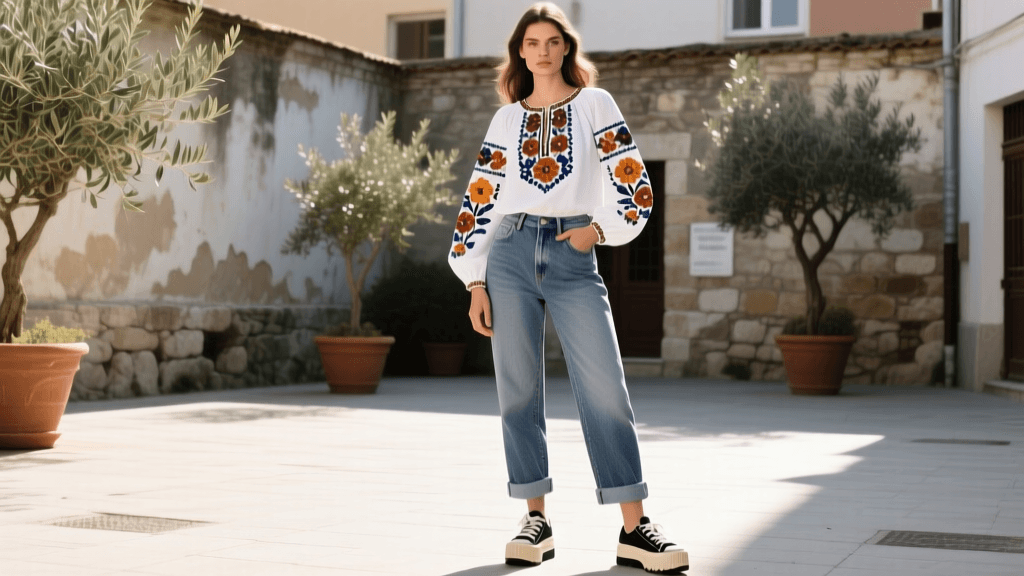
The 2026 Renaissance of the Romanian Ie in Urban Fashion
As we navigate the spring and summer 2026 fashion cycle, the intersection of heritage craftsmanship and contemporary streetwear has never been more pronounced. Among the most striking examples of European folk dress making a definitive leap into modern urban wardrobes is the Romanian Ie (pronounced 'ee-eh'). Far from being a static museum artifact or a seasonal costume, the traditional Romanian blouse has been reclaimed by a new generation of designers, stylists, and conscious consumers. In 2026, the Ie stands as a masterclass in sustainable streetwear, offering a stark contrast to mass-produced fast fashion through its intricate hand-embroidery, natural fibers, and deep cultural semiotics.
The modern revival is not about wearing the garment as a literal folk costume; rather, it is about integrating its striking visual architecture into contemporary silhouettes. From the runways of Paris to the underground street-style scenes in Berlin and Bucharest, the Ie is being paired with utilitarian cargo trousers, oversized denim, and technical outerwear. This guide explores the anatomy of the blouse, how to source authentic pieces in 2026, and actionable styling matrices for the modern urbanite.
Anatomy of the Ie: Decoding the Embroidery
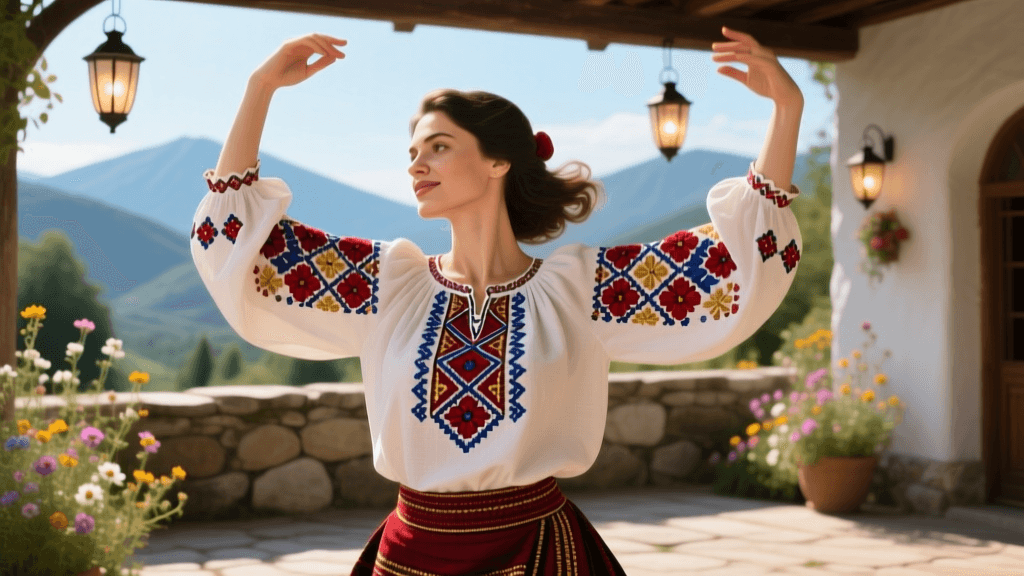
To style the Ie effectively, one must first understand its structural and decorative anatomy. The blouse is traditionally crafted from homespun hemp, flax, or cotton, and its ornamentation is strictly codified by region. The recognition of this craft on a global scale was cemented when the art of the traditional blouse with shoulder embroidery was inscribed on UNESCO's Intangible Cultural Heritage list. This global recognition has heavily influenced the 2026 market, driving up demand for authentic, traceable garments.
- The Altiţă: This is the defining feature of the Ie—a thick, highly complex band of embroidery covering the shoulder. In 2026 streetwear, the altiţă acts as a natural statement piece, drawing the eye upward and providing a structured, almost epaulette-like silhouette that pairs beautifully with dropped-shoulder outerwear.
- The Încreţ: Located just below the altiţă, this is a narrower band of geometric gathers that transitions the heavy shoulder embroidery into the flowing body of the sleeve.
- The Râuri: Meaning 'rivers,' these are the vertical or diagonal bands of embroidery that flow down the sleeves and the bodice. They create a kinetic sense of movement, which translates exceptionally well in dynamic urban environments and street-style photography.
Sourcing Authentic Pieces in the 2026 Market
The 2026 consumer is highly educated on cultural appropriation versus cultural appreciation. The market has largely rejected the cheap, machine-embroidered knockoffs that flooded high-street retailers in the late 2010s. Today, the focus is on direct-to-artisan sourcing and cooperative buying. According to recent market analyses on heritage textiles, buyers are willing to pay a premium for garments that support rural Eastern European economies.
For those looking to invest in an authentic Ie, institutions like the Museum of the Romanian Peasant in Bucharest remain the ultimate arbiters of historical accuracy, often hosting pop-up markets and directing buyers to verified rural cooperatives. In 2026, expect to pay between €320 and €650 for a newly woven, hand-embroidered hemp or linen Ie crafted by artisan collectives in regions like Muscel, Olt, or Neamț. Vintage pieces from the mid-20th century, sourced from curated Eastern European textile dealers, typically range from €180 to €400, depending on the condition of the natural dyes and the density of the altiţă.
2026 Streetwear Styling Guide: Three Urban Looks
Integrating a voluminous, heavily embroidered heritage blouse into a modern streetwear rotation requires a careful balance of proportions and textures. Below are three highly actionable styling formulas for 2026.
Look 1: The Gorpcore Fusion
The contrast between delicate, centuries-old needlework and hyper-modern, technical fabrics is a defining trend of 2026. The Build: Pair a raw, unbleached hemp Ie featuring dark walnut-shell dyed embroidery with a pair of oversized, water-resistant nylon parachute pants (opt for a 32-inch inseam to allow for stacking at the ankle). Footwear & Accessories: Ground the look with aggressive, trail-ready sneakers like the Salomon XT-6 or Hoka Transport. Add a minimalist crossbody technical vest in matte black to break up the volume of the blouse's gathered neckline. The key here is to leave the Ie untucked, allowing the râuri to flow over the technical nylon.
Look 2: Elevated Utilitarian Commuter
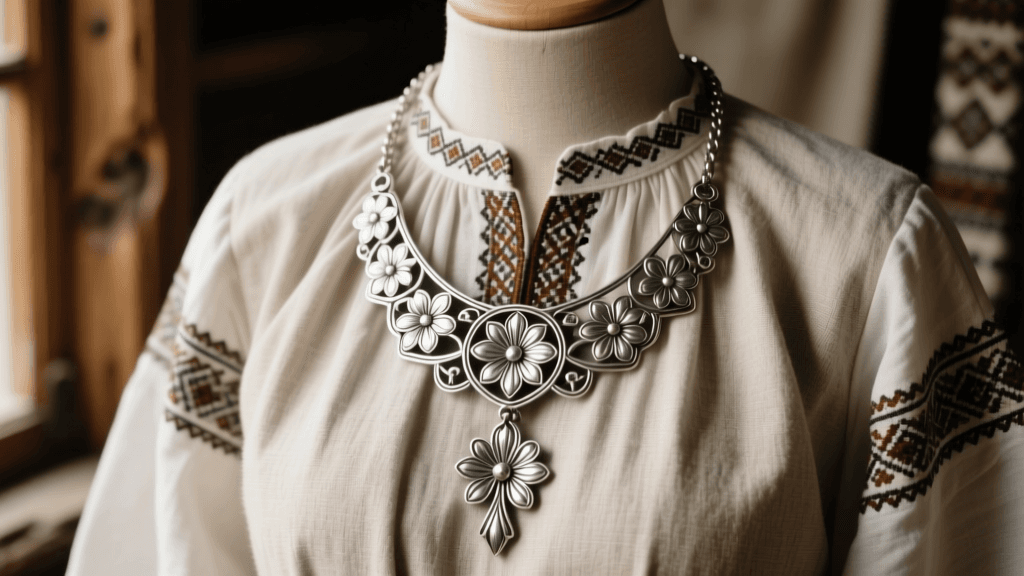
For a more refined, city-ready approach that bridges the gap between office and evening, focus on structured tailoring. The Build: Select a cropped or tailored-fit Ie made from lightweight organic linen, featuring monochromatic white-on-white or black-on-black embroidery. Tuck it into high-waisted, wide-leg wool suit trousers with a sharp front crease. Footwear & Accessories: Add a chunky, square-toe leather boot or a polished derby shoe. A thick, braided leather belt cinched at the natural waist will echo the traditional braided belts (brâu) worn in rural Romania, but updated for a contemporary silhouette. Finish with structured, geometric silver jewelry to complement the metallic threads often found in the altiţă.
Look 3: Neo-Grunge Layering
Embracing the deconstructed, layered aesthetic that continues to dominate underground fashion hubs. The Build: Use a slightly distressed, vintage cotton Ie as a mid-layer. Wear a fitted, ribbed mock-neck long-sleeve tee underneath, and layer a distressed, oversized denim jacket or a cropped leather biker jacket over the top. Allow the elaborate altiţă and the gathered cuffs to spill out from beneath the heavy outerwear. Footwear & Accessories: Scuffed combat boots and heavy canvas tote bags. This look relies on the tension between the delicate, historical femininity of the blouse and the harsh, utilitarian reality of the outer layers.
2026 Fabric Matrix: Choosing the Right Ie for Your Climate
Not all Ie blouses are created equal, and the choice of base fabric drastically alters how the garment drapes and performs in an urban setting. Below is a comparison chart to help you select the right material for your 2026 wardrobe.
| Fabric Type | Drape & Silhouette | Best 2026 Streetwear Application | Maintenance Level |
|---|---|---|---|
| Raw Hemp | Stiff, structured, architectural | Outerwear layering, Gorpcore, Winter styling | High (Requires steaming, softens over time) |
| Handwoven Linen | Fluid, breathable, relaxed | Summer commuter, Wide-leg trouser pairings | Medium (Prone to wrinkling, dry clean recommended) |
| Organic Cotton | Soft, lightweight, traditional | Casual denim pairings, Neo-grunge layering | Low (Gentle hand wash, easy to store) |
| Silk-Blend (Modern) | Luxurious, delicate, elevated | Evening wear, Skirt pairings, High-fashion editorial | Very High (Strictly professional care only) |
Care and Preservation of Heritage Textiles
Investing in an authentic, hand-embroidered garment requires a commitment to proper textile care. The dyes used in traditional Ie blouses—such as madder root for reds, woad for blues, and walnut shells for browns—are entirely natural and highly sensitive to modern chemical detergents and UV exposure.
In 2026, the standard for caring for these pieces involves pH-neutral, plant-based textile washes. Never machine wash an authentic Ie. Instead, submerge the garment in cool water with a specialized heritage fabric detergent for no more than ten minutes. Rinse thoroughly and lay flat on a clean, dry towel away from direct sunlight to prevent the natural dyes from photodegrading. When storing the blouse between seasons, avoid wire hangers, which will distort the gathered încreţ neckline. Instead, fold the garment with acid-free tissue paper and store it in a breathable cotton garment bag in a climate-controlled environment.
Conclusion: Wearing History in the Modern Metropolis
The integration of the Romanian Ie into 2026 streetwear is a testament to the enduring power of European folk dress. It proves that traditional garments do not need to be diluted or modernized beyond recognition to remain relevant; they simply need to be styled with intention and respect. By understanding the profound meaning behind the altiţă, investing in ethically sourced pieces, and contrasting the blouse's historical weight with contemporary urban silhouettes, you participate in a living, breathing sartorial revival. The Ie is no longer just a relic of the Carpathian mountains; it is a cornerstone of the conscious, global streetwear wardrobe.