Master Slavic Sorochka Zero-Waste Pattern Drafting 2026
The Enduring Legacy of the Slavic Sorochka
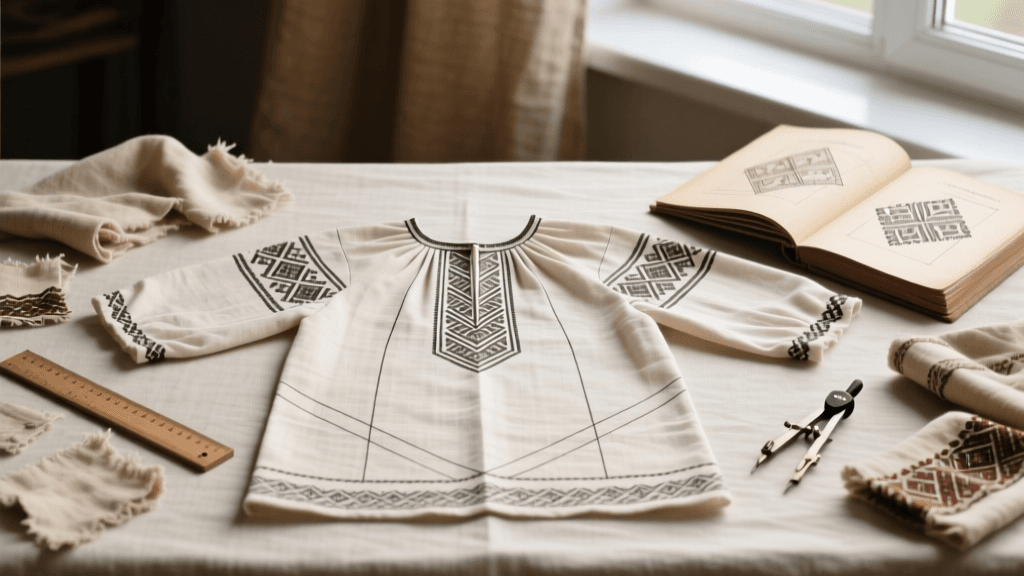
The Slavic sorochka (also known regionally as the koszula, vyshyvanka, or rubakha) remains one of the most iconic foundational garments in Eastern European folk dress. Historically serving as both an intimate undergarment and a primary outer shirt, the sorochka is a masterclass in geometric efficiency and textile reverence. In 2026, as the global sewing community and sustainable fashion advocates increasingly prioritize zero-waste methodologies, the rectilinear construction techniques of the sorochka have experienced a massive renaissance. This comprehensive guide explores the historical geometry, precise drafting measurements, and traditional assembly techniques required to construct an authentic Slavic linen shirt using heritage methods.
The Philosophy of Zero-Waste Rectilinear Cutting
Unlike modern commercial patterns that rely on curved armholes, princess seams, and complex darts to contour the body, traditional Eastern European peasant dress was born from the physical constraints and deep cultural reverence of the handloom. Linen was a notoriously labor-intensive crop, requiring months of sowing, harvesting, retting, scutching, and spinning. Consequently, every inch of woven fabric was considered sacred. The sorochka was constructed entirely from rectangles, squares, and triangles. This strict zero-waste approach ensured that no fabric scraps were discarded. According to textile preservation archives at the Europeana Fashion collection, the geometric purity of these garments not only minimized waste but also created a distinctive, voluminous silhouette that allowed for unrestricted movement during agricultural labor and vigorous folk dancing.
Sourcing Materials for the 2026 Maker
To begin your 2026 sorochka project, sourcing the correct textile is paramount. Historical garments were woven from unbleached or half-bleached flax linen, typically ranging from 150 to 220 grams per square meter (gsm). Today, heritage mills in Eastern Europe and the Baltics produce authentic slubbed linens that perfectly mimic historical handwoven textiles. When purchasing fabric, you must calculate your yield based on the traditional loom width, which was historically around 36 to 40 inches (90 to 100 cm). Modern linen is often sold in 54-inch or 60-inch widths, which requires adapting the layout to maintain the zero-waste ethos by utilizing the extra width for gussets, cuffs, collars, and binding strips. Current 2026 market prices for premium heritage European flax linen range from $28 to $45 per yard, making accurate zero-waste drafting not just an ecological choice, but an economic one.
Core Pattern Components and Measurements
The architecture of the sorochka relies on a modular system of geometric shapes. Below is the foundational breakdown of the pattern components required for a standard adult garment.
| Pattern Component | Geometric Shape | Measurement Basis | Quantity Required |
|---|---|---|---|
| Main Body Panels | Rectangle | Chest circumference + 4-6 inches ease | 2 (Front and Back) |
| Sleeves | Rectangle | Arm length + shoulder drop ease | 2 |
| Polik (Shoulder Insert) | Square/Rectangle | Shoulder width bridge (typically 15-20cm) | 2 |
| Lastovitsa (Gusset) | Square/Diamond | Underarm mobility (10-15cm per side) | 2 |
| Collar and Cuffs | Rectangles | Neck and Wrist circumference + ease | 3 |
Step-by-Step Rectangular Pattern Drafting
1. Drafting the Main Body Panels
Begin by measuring the fullest part of the chest and adding 4 to 6 inches of ease to allow for the garment to drape loosely over the body. Divide this total measurement by two to determine the width of the front and back rectangles. The length is measured from the highest point of the shoulder down to the desired hemline. For traditional women's styles, this typically falls at the mid-thigh or knee, while men's rubakha styles may end at the hip. Because there are no shoulder seams in the most ancient variations, the front and back are often cut as one continuous, extra-long rectangle with a slit for the neckline, folded over the shoulder.
2. The Sleeve and Polik (Shoulder Insert)
The sleeves in a traditional sorochka do not feature a modern curved sleeve cap. Instead, they are cut as simple, wide rectangles. The width of the sleeve rectangle is determined by the bicep circumference plus significant ease (often 6 to 10 inches) to allow for deep gathering at the shoulder and cuff. To connect the rectangular sleeve to the rectangular body, a structural bridge known as the polik is used. The polik is a square or rectangular piece of fabric inserted between the top edge of the sleeve and the shoulder edge of the body panel. This piece absorbs the stress of shoulder movement and provides a prime canvas for intricate regional embroidery.
3. The Lastovitsa (Underarm Gusset)
The underarm gusset, or lastovitsa, is the engineering marvel of the sorochka. By inserting a 10x10 cm to 15x15 cm square of fabric (often rotated into a diamond shape) at the intersection of the side seam and the sleeve seam, the garment gains three-dimensional mobility. This gusset prevents the fabric from tearing under the arm when the wearer raises their arms, completely eliminating the need for curved armhole tailoring.
Traditional Seam Finishing Techniques
Because linen frays easily and historical garments were washed vigorously in rivers using wooden beetles and harsh lye soaps, all internal seams had to be completely enclosed. Modern makers in 2026 often reach for sergers or overlock machines, but authentic construction demands traditional hand-sewn or machine-felled seams. The Victoria and Albert Museum's fashion archives frequently highlight the incredible durability of these historical seam finishes, which allowed peasant garments to be worn for decades and passed down through generations.
- The Flat-Felled Seam: This is the most common seam for the side panels and sleeve lengths. Place the wrong sides of the fabric together and sew a standard seam. Trim one seam allowance down to 1/8 inch, then fold the longer seam allowance over the trimmed edge and press flat. Topstitch this folded edge down to the garment body. This creates a completely enclosed, heavy-duty seam that lies flat against the skin.
- The Whipped Seam (Overcast Edge): For finer linens or delicate embroidery areas, historical seamstresses used a tiny, dense whipstitch over the raw edges before pressing them open. In 2026, this can be replicated using a narrow, dense zigzag stitch on a modern sewing machine, though hand-whipping remains the gold standard for historical accuracy.
- Drawn Thread Hems: Instead of folding the hem twice, historical makers would pull horizontal threads from the linen weave to create a decorative, fringed edge, which was then secured with a blanket stitch.
Embroidery Placement and Assembly Sequence
One of the most critical mistakes modern sewists make when attempting folk dress is sewing the garment together first and attempting to embroider it afterward. In the Slavic tradition, the sorochka was heavily embroidered while the pieces were still flat, separate rectangles. The neckline, chest panel, sleeve hems, and the polik inserts were mapped out with regional motifs—using cross-stitch, satin stitch, and intricate cutwork (merezhka)—before any structural seams were joined. This flat-embroidery technique ensures perfect tension and allows the use of large embroidery hoops or frames. Only after all decorative needlework was completed, and the pieces were washed to remove marking threads, did the assembly of the flat-felled seams begin.
Gathering and Smocking the Neckline
The neckline of the sorochka is rarely a tailored curve. Instead, it relies on a technique known as zbyranky or cartridge pleating. The top edges of the front, back, and sleeve rectangles are gathered tightly using multiple rows of running stitches. These dense gathers are then whipped directly onto a narrow, straight-grain collar band. This technique creates a beautiful, ruffled texture around the neck and shoulders while maintaining the zero-waste rectilinear cutting philosophy. The same technique is applied to the sleeve hems, gathering the wide sleeve rectangles into tight, embroidered cuff bands.
Fabric Yield: Modern vs. Traditional Cutting
To understand the brilliance of the sorochka pattern, one must compare it to modern pattern drafting. A standard modern blouse with curved armholes, facings, and a shaped hemline typically results in 15% to 25% fabric waste. These offcuts are often swept off the cutting room floor and sent to landfills. In contrast, the rectilinear sorochka pattern yields between 0% and 2% waste. Any tiny triangular offcuts generated by the neckline slit or gusset angles were historically repurposed as stuffing for winter quilts or woven into rag rugs. As noted by preservation experts at The Textile Museum, the study of these historical zero-waste garments provides vital blueprints for the future of sustainable textile engineering.
Conclusion: The 2026 Revival
Drafting and constructing a Slavic sorochka is more than a sewing project; it is an immersion into a mindset of textile respect and geometric problem-solving. By embracing the rectilinear zero-waste patterns, the structural brilliance of the polik and lastovitsa, and the heritage seam finishes, modern makers can create garments that are historically authentic, ecologically responsible, and built to last a lifetime. As the slow fashion movement continues to evolve in 2026, the ancient wisdom of the Eastern European loom offers the perfect blueprint for the future of sustainable garment construction.