Authentic Slavic Kokoshnik & Ryasny Headwear: 2026 Guide

The Resurgence of Traditional Slavic Headwear in 2026
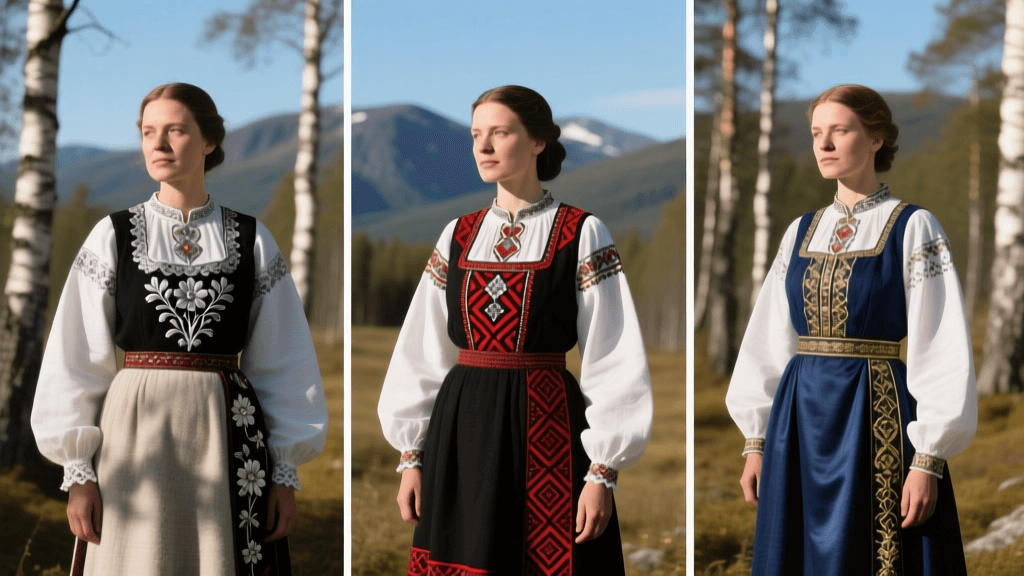
As we move through the 2026 European folk festival circuit, there has been a profound and highly visible resurgence in the demand for historically accurate Eastern European and Slavic traditional garments. While the embroidered linen rubakha and the vibrant woolen sarafan often capture the immediate attention of enthusiasts, the true pinnacle of Slavic folk dress lies in its accessories—specifically, the elaborate headwear and pearl jewelry. Among these, the kokoshnik and its accompanying ryasny (pearl fringe) stand as masterpieces of textile art, engineering, and cultural identity. Whether you are a historical reenactor, a textile collector, or a participant in contemporary cultural heritage festivals, understanding the nuances of these pieces is essential for authentic representation in 2026.
The revival of traditional craftsmanship has led to a new generation of artisans utilizing historical techniques, moving away from the mass-produced, synthetic costumes of the past decade. Today, collectors and cultural practitioners prioritize museum-quality replicas and antique restorations, driving a vibrant market for authentic goldwork embroidery and natural river pearls.
Anatomy of the Kokoshnik and Ryasny
The term kokoshnik is derived from the Old Slavic word kokosh, meaning "hen" or "rooster," referencing the crested shape of the headdress. Historically, the kokoshnik was strictly worn by married women, as Slavic tradition dictated that a married woman's hair must be completely concealed in public. The headdress consists of a rigid base, traditionally crafted from layers of birch bark, quilted linen, or heavy cardboard, which is then covered in luxurious fabrics such as velvet, silk, or brocade.
The front and sides of the kokoshnik are heavily ornamented with goldwork embroidery, gemstones, and pearls. However, the most striking accessory attached to the kokoshnik is the ryasny. Ryasny are dense, cascading fringes made of strung pearls, beads, and sometimes metallic chains that hang down from the temples to the shoulders or even the waist. They served a dual purpose: aesthetically, they framed the face and created a mesmerizing, shimmering effect during traditional circle dances (khorovod); socially, they acted as a direct indicator of the wearer's family wealth and status, as natural pearls were exceedingly rare and expensive prior to the modern era.
Regional Variations Across Eastern Europe
When sourcing or studying kokoshniki in 2026, it is vital to recognize the distinct regional silhouettes, as wearing the wrong shape with a specific regional sarafan is considered a faux pas among serious folk dress enthusiasts.
- Kostroma Region: Characterized by a tall, shield-like front that resembles a fan or a crest. These are often heavily encrusted with pearl netting and are paired with matching pearl collars.
- Tver and Moscow Regions: These feature a saddle-shaped or semi-circular silhouette, sitting closer to the head, often adorned with intricate floral goldwork motifs rather than solid pearl coverage.
- Vologda and Arkhangelsk: Known for the kika (horned headdress), which features two distinct forward-pointing horns. While technically a different garment than the classic kokoshnik, it is often grouped in the same category of rigid, married women's headwear and features similar pearl fringe attachments.
Materials and Market Pricing in 2026
The market for authentic Slavic headwear has shifted significantly. With the rising cost of raw materials and a renewed appreciation for slow fashion and heritage crafts, pricing for genuine artisan pieces has increased. Below is a breakdown of the materials used in contemporary 2026 commissions and their associated market values.
| Material Component | 2026 Market Price / Sourcing | Authenticity & Durability Notes |
|---|---|---|
| Natural River Pearls | $120 - $250 per gram | Highest authenticity; requires strict humidity control to prevent cracking. |
| Cultured Freshwater Pearls | $15 - $40 per strand | Excellent visual substitute for river pearls; highly durable for festival wear. |
| Goldwork Thread (Silver-Gilt) | $85 - $150 per spool | Traditional metallic thread wrapped around a silk core; tarnishes if exposed to moisture. |
| Antique Silk Brocade | $300 - $800 per yard | Sourced from specialized textile dealers; necessary for museum-grade restorations. |
| Glass Seed Beads | $5 - $15 per hank | Used for the netting (oberiz) base; Czech glass remains the industry standard. |
Sourcing Authentic Pieces and Modern Artisans
Finding a genuine kokoshnik and ryasny set requires navigating a niche market. In 2026, the most reliable sources are specialized heritage ateliers based in Eastern Europe, as well as diaspora artisan collectives operating in North America and Western Europe. When commissioning a bespoke piece, expect a lead time of six to twelve months, as the goldwork embroidery and pearl-netting are done entirely by hand.
For those seeking antique pieces, specialized textile auction houses and verified vintage dealers on platforms dedicated to historical garments are the primary avenues. A verified 19th-century merchant-class kokoshnik with intact original river pearl ryasny can command prices upwards of $4,000 to $8,000 in 2026, depending on provenance and condition. Always request high-resolution macro photography of the pearl drilling holes and the metallic thread composition to verify age and authenticity before purchasing.
Complementary Jewelry: Temporal Rings and Grivnas
The kokoshnik and ryasny are rarely worn in isolation. To achieve a complete and historically accurate silhouette, they must be paired with complementary traditional jewelry. Visochnye kolts (temporal rings) are large, ornate metal pendants that were historically attached to the headwear or woven into the hair near the temples. In 2026, modern replicas are typically cast in brass or silver, featuring intricate granulation and enamel work depicting mythological birds like the Sirin or Alkonost.
Additionally, the neck and chest are adorned with a grivna (a rigid metal neck ring or torc) or heavy, multi-strand bead necklaces. The oberiz, a wide netted collar made of seed pearls and glass beads, is often worn over the linen shirt but beneath the heavy brocade of the kokoshnik, creating a seamless transition of pearlwork from the collarbone up to the crown of the head.
Styling and Securing the Headdress
A common challenge for modern wearers is the sheer weight and balance of a fully beaded kokoshnik. A high-quality piece featuring dense glass bead netting and cultured pearl ryasny can easily weigh between 1.5 and 3 kilograms. Proper securing is vital to prevent the headdress from slipping during active festival participation.
Traditional styling involves wrapping the hair tightly into a braided crown or bun at the back of the head to create a stable anchor. The kokoshnik is then placed over the head, and the long, wide silk ribbons attached to the back of the base are crossed over the forehead, pulled tightly to the nape of the neck, and tied securely. In 2026, many artisans also incorporate hidden, fabric-covered combs or discreet elastic loops into the inner lining of the birch bark base to provide additional grip on modern hair textures, which often lack the natural oils and length of historical peasant hairstyles.
Conservation and Care for Pearl and Goldwork Accessories
Preserving organic materials like pearls and metallic goldwork requires meticulous care. According to guidelines established by the Victoria and Albert Museum's textile conservation archives, organic gems like pearls are highly susceptible to dehydration and acidic environments. Unlike diamonds or glass, pearls require a slight amount of ambient moisture to maintain their luster and structural integrity. Storing a kokoshnik in a sealed plastic bin with silica gel desiccants will cause the pearls to crack and the silk threading to become brittle.
Furthermore, the Metropolitan Museum of Art's conservation department notes that historical metallic threads, particularly those utilizing a silver-gilt core, will rapidly tarnish when exposed to the sulfur compounds present in human sweat and modern urban pollution. After wearing a kokoshnik at a summer festival, it is imperative to gently air it out in a shaded, climate-controlled room before storage.
For long-term storage in 2026, wrap the headdress in unbleached, acid-free muslin or cotton tissue paper. Place it in a rigid, archival-quality box that supports the rigid base without putting pressure on the delicate pearl fringes. The ryasny should be carefully coiled or laid flat to prevent the silk or horsehair stringing material from stretching or snapping under the weight of the beads. By following these conservation practices, collectors ensure that these magnificent examples of European folk dress survive for future generations to study and admire.
Conclusion
The kokoshnik and its shimmering ryasny fringe represent far more than mere decorative accessories; they are profound symbols of Slavic heritage, marital status, and regional artistry. As the traditional garment community continues to prioritize historical accuracy and artisan support in 2026, the appreciation for these intricate headdresses has never been higher. Whether you are investing in a bespoke commission, carefully restoring a family heirloom, or simply studying the rich textile traditions recognized by the UNESCO Intangible Cultural Heritage framework, understanding the construction, styling, and conservation of Slavic headwear is essential for any serious student of European folk dress.