Authentic Slavic Coin Jewelry & Vinok Headwear 2026 Guide

The Resurgence of Eastern European Folk Accessories in 2026
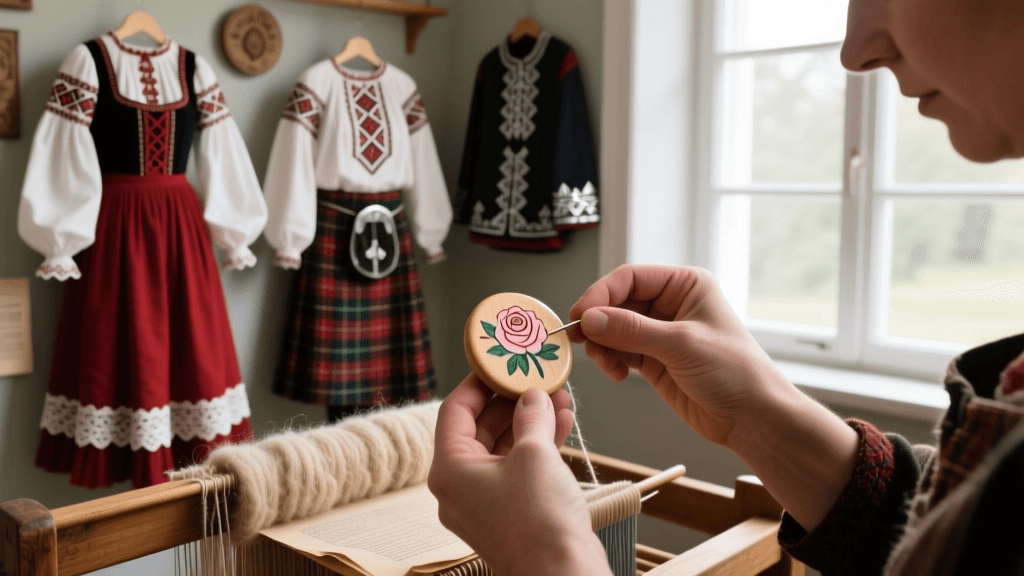
The year 2026 has witnessed an unprecedented revival of Eastern European folk dress, moving beyond simple costume replication into a profound reclamation of cultural heritage. At the forefront of this movement are two iconic accessories: the vinok (traditional floral wreath) and namysto or ogirda (heavy coin and coral jewelry). No longer relegated to museum displays or stage performances, these intricate pieces are being worn at contemporary weddings, cultural festivals, and high-fashion heritage events across the globe. However, as demand has surged throughout 2026, the market has been flooded with mass-produced imitations. For serious collectors, cultural practitioners, and folk dress enthusiasts, understanding the authentic construction, material sourcing, and proper styling of these accessories is more critical than ever.
Anatomy of the Vinok: Botanical Headwear Engineering
The Ukrainian vinok is far more than a simple flower crown; it is a highly structured piece of headwear with deep symbolic and regional significance. Historically, the base was woven from flexible willow branches or stiffened birch bark. In 2026, heritage artisans have strictly banned the use of plastic wire frames in authentic festival competitions, returning entirely to natural, biodegradable bases wrapped in organic hemp twine.
Botanical Choices and Preservation Techniques
Authentic vinok construction relies on specific flora, each carrying distinct meaning. Periwinkle (barvinok) represents eternity and spiritual purity, while oak leaves symbolize strength and divine connection. Chamomile and cornflower are used for youth and health. Because fresh flowers wilt rapidly during long summer festivals, 2026 has seen a massive shift toward advanced botanical preservation. Artisans now use eco-friendly glycerin-based preservation methods that maintain the natural texture and vibrant color of the blooms for up to three years, replacing the synthetic silk flowers that dominated the market in the early 2020s.
The Twelve Ribbons: Color Coding and Measurements
A true vinok is incomplete without its trailing ribbons. Tradition dictates that the ribbons must be exactly as long as the wearer's braided hair. They are sewn securely to the back of the wreath base in a highly specific chromatic order. The standard 12-ribbon sequence includes:
- Light Brown: Representing the earth and soil.
- Yellow: Symbolizing the sun and wheat.
- Light Green: Denoting youth and spring growth.
- Dark Green: Representing maturity and the forest.
- Sky Blue: Symbolizing the heavens and clear skies.
- Blue: Denoting water and the Dnipro river.
- Orange: Representing the warmth of the hearth.
- Purple: Symbolizing wisdom and spiritual depth.
- Pink: Denoting sincerity and truth.
- Raspberry: Representing passion and the bloodline.
- Red: Symbolizing protection, love, and joy.
- White: Denoting purity and the divine (often placed at the very ends).
Namysto and Ogirda: The Weight of Heritage in Coin Jewelry
While the vinok crowns the head, the namysto (bead necklaces) and ogirda (coin necklaces) anchor the torso. These pieces were historically the primary form of portable wealth for peasant women, often serving as a dowry and a financial safety net. In 2026, the craftsmanship of authentic ogirda has reached new heights, with master silversmiths reviving lost 19th-century soldering techniques to attach coin loops without damaging the historical integrity of the coins themselves.
Material Sourcing and Weight Distribution
A high-status historical reproduction ogirda can weigh anywhere from 1.5 to 3.5 kilograms. The traditional base relies on thick, multi-strand coral beads (namysto), interspersed with silver or gold-plated coins. Mediterranean red coral remains the most prized material, but due to strict 2026 marine conservation laws, authentic vintage coral is highly regulated. Consequently, top-tier artisans are now sourcing reclaimed antique coral or utilizing ethically harvested fossilized coral alternatives that mimic the exact density and thermal properties of vintage beads.
According to the Metropolitan Museum of Art's European Folk Art archives, the integration of precious metals into traditional peasant dress served as both a display of portable family wealth and a vital form of spiritual protection against malevolent forces.
Wearing a three-kilogram necklace requires specialized structural support. Modern folk dress enthusiasts in 2026 utilize hidden, padded linen yokes beneath their embroidered blouses (vyshyvanka) to distribute the weight across the shoulders, preventing the heavy silver coins from tearing the delicate linen fabric of the garment.
2026 Market Analysis: Sourcing Authentic Pieces
Navigating the market for Slavic folk accessories requires a discerning eye. The price of raw silver and natural coral has fluctuated significantly in 2026, making authentic pieces a substantial investment. Below is a comparative breakdown to help buyers distinguish between genuine artisan work and mass-produced costume jewelry.
| Feature | Authentic Artisan (2026 Market) | Mass-Produced Import |
|---|---|---|
| Base Materials | 925 Sterling Silver, Natural/Reclaimed Coral, Pure Silk Ribbons | Pewter Alloy, Dyed Resin, Polyester Ribbons |
| Coin Attachment | Hand-soldered silver loops preserving coin faces | Drilled holes damaging coins, or toxic chemical glues |
| Vinok Base | Woven willow/birch, hemp twine, glycerin-preserved flora | Plastic wire, hot glue, synthetic silk flowers |
| Average Price (Ogirda) | $850 - $3,200+ (depending on silver weight and coral rarity) | $45 - $120 |
| Durability | Generational heirloom quality; easily repaired by silversmiths | Fragile; tarnishes permanently; unrepairable |
Practical Styling and Wearability for Modern Festivals
Styling these heavy, intricate pieces for contemporary wear requires balancing proportions. The golden rule of 2026 folk dress styling is to let the accessories dictate the embroidery density of the blouse. If you are wearing a massive, multi-tiered ogirda that covers the entire chest, the vyshyvanka should feature concentrated embroidery on the sleeves and cuffs rather than a dense chest panel, which would visually clash with the silver coins.
For the vinok, securing the wreath is paramount. Artisans now sew small, discreet velvet-lined comb clips into the front and sides of the willow base. These combs slide directly into the wearer's braided hair, anchoring the wreath securely even during vigorous traditional dancing. The trailing ribbons should be lightly misted with a botanical starch spray to prevent them from tangling in the wind while maintaining a fluid, graceful movement.
Care, Storage, and Preservation
Proper maintenance of these accessories is essential to preserve their historical and financial value. Silver coins on an ogirda will naturally oxidize when exposed to the oils of the skin and the elements. While some collectors prefer the dark patina of aged silver, those who wish to maintain a bright shine should use a specialized, non-abrasive silver polishing cloth. Never submerge an ogirda in chemical silver dips, as these solutions will permanently strip the natural luster from the coral beads and degrade the silk threading.
For those studying the evolution of these adornments, the Victoria and Albert Museum's extensive jewellery collection provides crucial historical context on how regional trade routes influenced the availability of Baltic amber and Mediterranean coral in Slavic territories. Understanding this history deepens the appreciation for every bead and coin.
The vinok should be stored in a rigid, cylindrical archival box to prevent the botanical elements from being crushed. Include a small silica gel packet to control humidity, but avoid sealing the box completely, as the preserved flowers need a slight degree of air circulation to prevent mold. By investing in authentic materials and adhering to traditional care methods, collectors and wearers ensure that these magnificent symbols of European folk heritage will continue to thrive well beyond 2026.