Best Silk Weaves for Hanfu and Kimono Tailoring in 2026
The Enduring Legacy of Silk in East Asian Dress
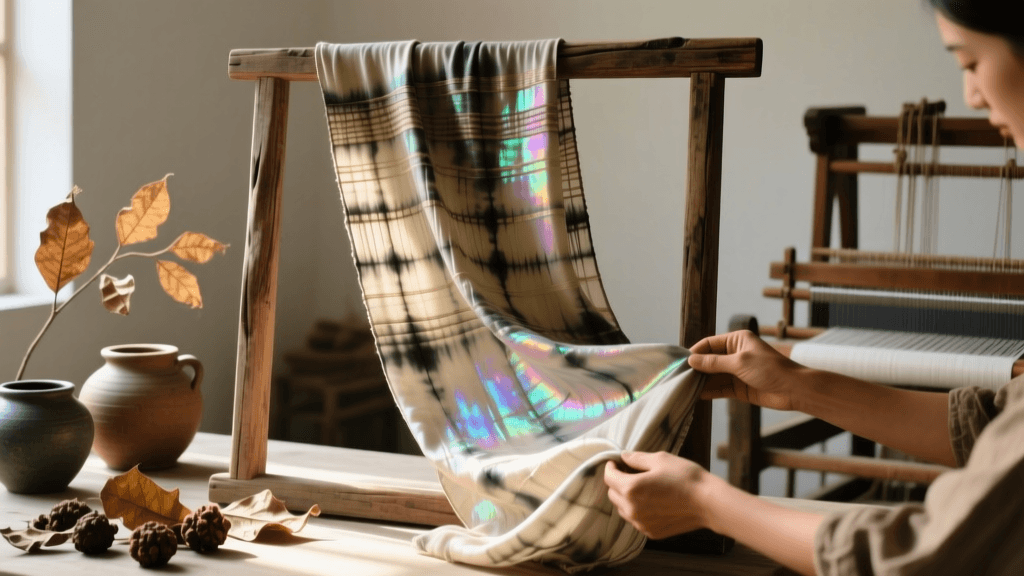
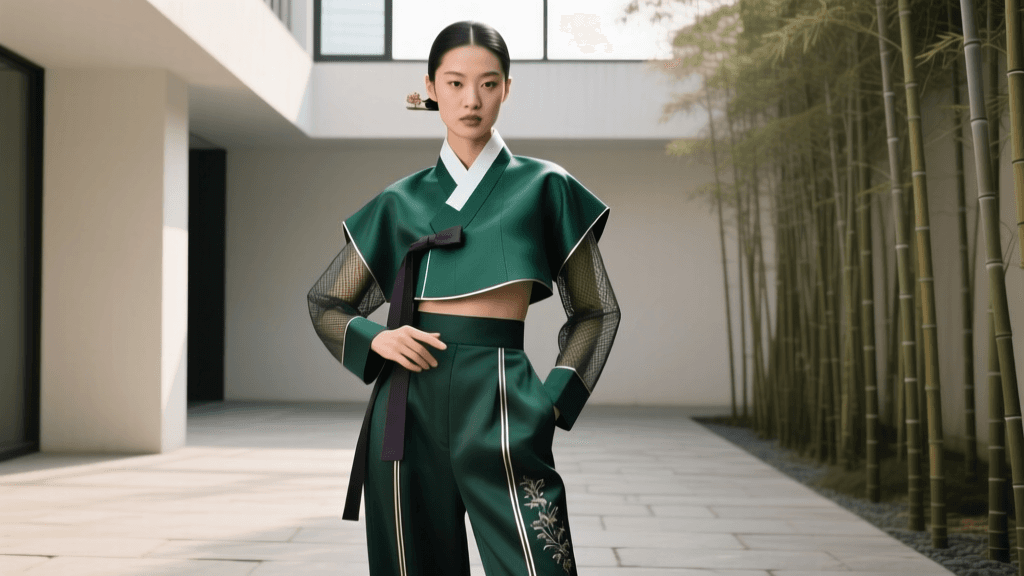
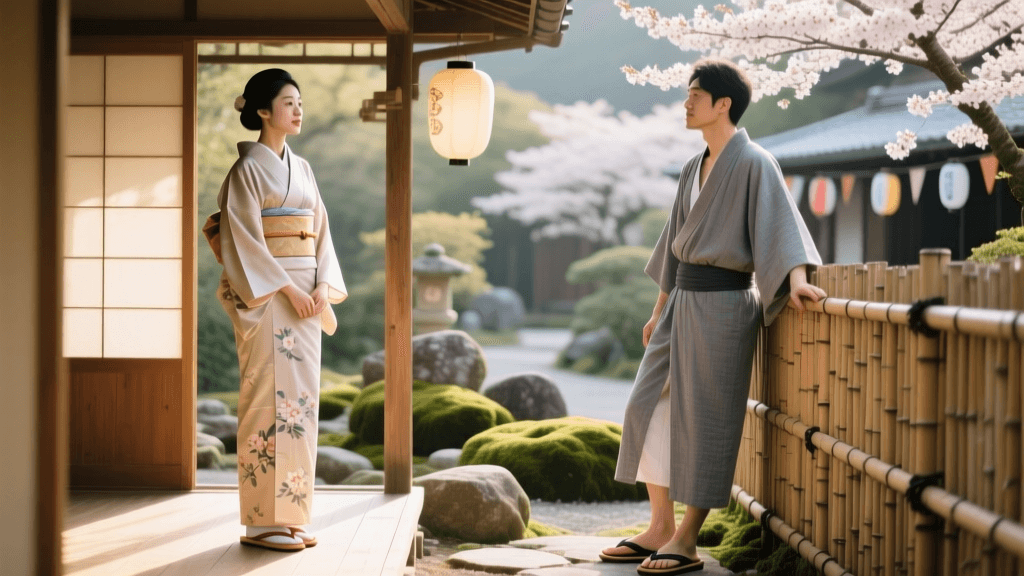
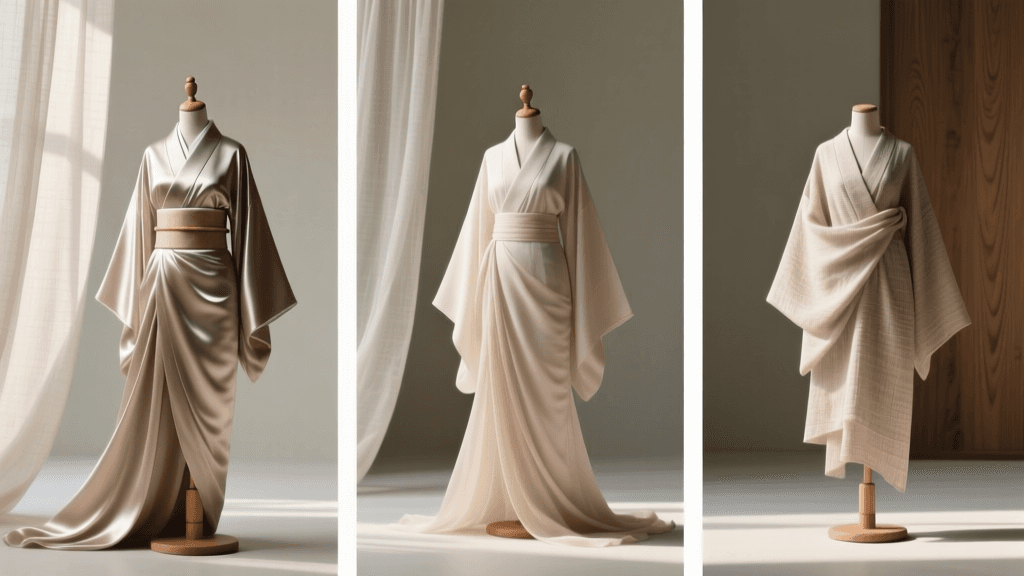
Silk is not merely a fabric; it is the foundational thread of East Asian cultural history, dictating the drape, structure, and ceremonial significance of traditional garments. As we navigate the textile landscape in 2026, the revival of traditional dress—specifically Chinese Hanfu and Japanese Kimono—has reached unprecedented global popularity. However, the authenticity of these garments relies entirely on the correct selection of silk weaves. A beautifully patterned textile will fail to honor the silhouette of a Ming Dynasty Mamianqun or a Heian-era Junihitoe if the underlying weave lacks the proper structural integrity. According to the Metropolitan Museum of Art's Heilbrunn Timeline, the evolution of silk weaving techniques has always been intrinsically linked to the social and ceremonial functions of the garments they produce. Today, modern tailors and heritage enthusiasts must balance historical accuracy with contemporary textile innovations.
Understanding Silk Weight: The Momme Standard in 2026
Before selecting a weave, one must understand silk weight, measured in momme (mm). Unlike thread count in cotton, momme measures the density and weight of the silk fabric. One momme equals 3.75 pounds per 100 yards of fabric. In 2026, the luxury heritage market strictly categorizes silk by this metric. Lightweight silks (8mm to 12mm) are ethereal and semi-sheer, ideal for inner layers and summer garments. Mid-weight silks (16mm to 19mm) offer a fluid drape with enough opacity for outer layers and skirts. Heavyweight silks (22mm to 30mm+) provide the rigid, sculptural structure required for formal outerwear, collars, and obi sashes. Selecting the correct momme is just as critical as choosing the correct weave.
Essential Silk Weaves for Hanfu and Kimono
Habotai (China Silk)
Habotai is a plain-weave silk that is lightweight, soft, and relatively inexpensive. Historically used for lining, it remains the premier choice for inner garments in both traditions. For Hanfu, a 10mm Habotai is perfect for the inner layers of a Ruqun or the lining of a Beizi. In Japanese tailoring, it is frequently used for the Juban (under-kimono) and the Hiyoku (lining layer). While it lacks the structural body needed for outerwear, its breathability and smooth finish protect the skin from heavier, more textured outer textiles.
Crepe de Chine
Characterized by its subtle pebbled texture and matte finish, Crepe de Chine is created by using highly twisted yarns in the weft. This weave offers an exceptional, fluid drape that resists wrinkling better than plain weaves. In 2026, a 16mm or 19mm Crepe de Chine is the gold standard for Hanfu Qixiong Shanqun (chest-high skirts) and Song-style pleated skirts, as the fabric's weight allows the pleats to fall beautifully without excessive bulk. For Kimono, it is frequently utilized in modern Komon (everyday patterned kimono) and Yukata meant for cooler weather, providing a comfortable, elegant silhouette that moves gracefully with the wearer.
Silk Brocade (Zhuanghua and Nishijin-ori)
Brocade represents the pinnacle of silk weaving, featuring complex, raised patterns woven directly into the fabric using supplementary weft threads, often incorporating metallic gold or silver threads. Chinese Zhuanghua brocade and Japanese Nishijin-ori are heavy, stiff, and opulent. A 25mm to 30mm brocade is non-negotiable for a formal Hanfu Mamianqun (horse-face skirt), as the heavy weave ensures the structured pleats hold their architectural shape. Similarly, in Japanese dress, Nishijin-ori is the exclusive domain of the Obi (sash) and formal Uchikake (wedding outerwear). The stiffness of the brocade provides the necessary visual and physical weight for high-ceremony garments.
Charmeuse and Satin
Charmeuse features a satin weave, resulting in a highly reflective, glossy face and a dull, crepe-like back. While historically less common in ancient Hanfu due to its slippery nature and high sheen, it has found a place in modern interpretations of the Cheongsam (Qipao). However, traditionalists in 2026 often avoid Charmeuse for historical Hanfu or Kimono, as the intense shine can look anachronistic under modern lighting. When used, it is typically reserved for specific theatrical costumes or contemporary fusion fashion rather than strict historical reproduction.
2026 Innovations: Sustainable and Peace Silk
The 2026 textile market is heavily influenced by ethical sourcing. Traditional sericulture requires boiling the silkworm cocoon to extract a continuous filament, which has led to a surge in demand for Ahimsa silk, also known as Peace Silk. Peace silk allows the moth to emerge naturally, resulting in a shorter staple fiber that is spun rather than reeled. According to Britannica's comprehensive guide to silk production, the shift toward ethical sericulture has historically impacted the uniformity of the thread. However, 2026 advancements in textile spinning technology have allowed Peace Silk to achieve a smoothness and tensile strength that rivals traditional Mulberry silk. Tailors now have access to 19mm Peace Silk Crepe de Chine that offers the same historical drape as conventional silk, but with a verified cruelty-free and environmentally sustainable supply chain, appealing to a new generation of eco-conscious heritage wearers.
Comparison Chart: Selecting the Right Weave
| Silk Weave | Weight (Momme) | Best Traditional Use | Drape and Structure | 2026 Avg. Price/Yard |
|---|---|---|---|---|
| Habotai | 8mm - 12mm | Hanfu inner layers, Kimono Juban | Fluid, lightweight, semi-sheer | $25 - $45 |
| Crepe de Chine | 16mm - 19mm | Ruqun skirts, Komon Kimono | Matte, fluid, excellent pleat retention | $50 - $85 |
| Silk Brocade | 22mm - 30mm+ | Mamianqun, Obi, Uchikake | Stiff, heavy, architectural, opulent | $120 - $300+ |
| Charmeuse | 19mm - 22mm | Modern Cheongsam, Fusion wear | High-gloss, slippery, form-fitting | $40 - $70 |
| Peace Silk Crepe | 16mm - 19mm | Eco-conscious Hanfu outer layers | Matte, soft drape, slight texture | $75 - $110 |
Tailoring Techniques for Heritage Textiles
Working with silk requires specialized tailoring techniques, particularly when constructing traditional garments that rely on flat-pattern cutting. Both Hanfu and Kimono are traditionally constructed from straight bolts of fabric (tanmono in Japan), minimizing waste and allowing the garment to be entirely unpicked, cleaned, and re-sewn. In 2026, bespoke tailors emphasize the use of French seams or bound edges for unlined garments to prevent the delicate silk threads from fraying. When sewing heavy brocades for a Mamianqun, tailors must use specialized heavy-duty silk threads and reinforce the waistband with cotton or linen interfacing, as the sheer weight of the 30mm silk can distort the waistline over time. Furthermore, pressing silk requires a strict low-heat, steam-heavy approach, always utilizing a pressing cloth to prevent water spots or scorch marks on the delicate protein fibers.
Sourcing Authentic Silk in the Modern Market
Sourcing authentic, high-quality silk in 2026 requires navigating a market flooded with synthetic polyester blends masquerading as heritage textiles. When purchasing from weaving hubs like Suzhou, Hangzhou, or Kyoto, buyers must demand OEKO-TEX or GOTS (Global Organic Textile Standard) certifications, which have become the industry standard for verifying both the fiber content and the safety of the dyes used. A reliable burn test remains a practical method for verification: authentic silk will burn slowly, smell like burning hair, and leave a crushable ash, whereas polyester will melt into a hard, plastic bead. For heritage enthusiasts, building relationships with specialized heritage textile mills that offer digital transparency regarding their sericulture farms and weaving looms is the best way to guarantee authenticity.
Care and Preservation
The longevity of a silk Hanfu or Kimono depends entirely on proper care. The protein structure of silk is highly sensitive to alkaline substances, meaning standard laundry detergents will degrade the fibers over time. In 2026, the standard for silk care involves pH-neutral, enzymatic-free botanical washes designed specifically for heritage textiles. Garments should never be wrung or machine-dried; instead, they must be rolled in a clean, absorbent cotton towel to remove excess moisture and laid flat in the shade, as direct UV radiation will rapidly shatter silk fibers and fade natural dyes. For long-term storage, garments must be folded with acid-free tissue paper to prevent permanent crease lines and stored in breathable cotton bags, ensuring these masterpieces of Asian textile tradition remain pristine for future generations.