Yukata vs Jinbei: 2026 Summer Casual Style Guide
Introduction to Japanese Summer Wear in 2026
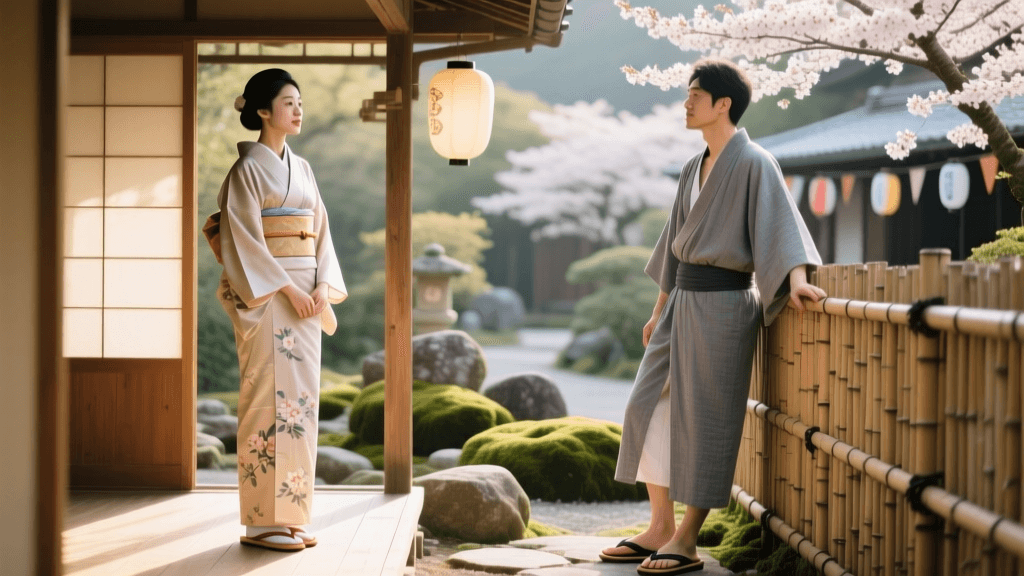
As the humid heat of the East Asian summer sets in, traditional Japanese clothing offers a masterclass in balancing climate adaptation with cultural elegance. For travelers, expats, and global fashion enthusiasts navigating the vibrant summer festivals (matsuri) and fireworks displays (hanabi) of 2026, choosing the right garment is essential. The two undisputed champions of Japanese summer casual wear are the yukata and the jinbei. While both are designed to keep the wearer cool, their histories, structures, and appropriate social contexts differ significantly.
In 2026, the landscape of traditional Japanese summer fashion has evolved. We are seeing a massive surge in sustainable textile production, gender-neutral styling, and modern fabric innovations that honor centuries-old weaving techniques while catering to contemporary lifestyles. Whether you are strolling through the historic streets of Kyoto or attending a local neighborhood bon dance, understanding the nuances between a yukata and a jinbei will elevate your cultural immersion and personal comfort.
The Yukata: Elegance in the Heat
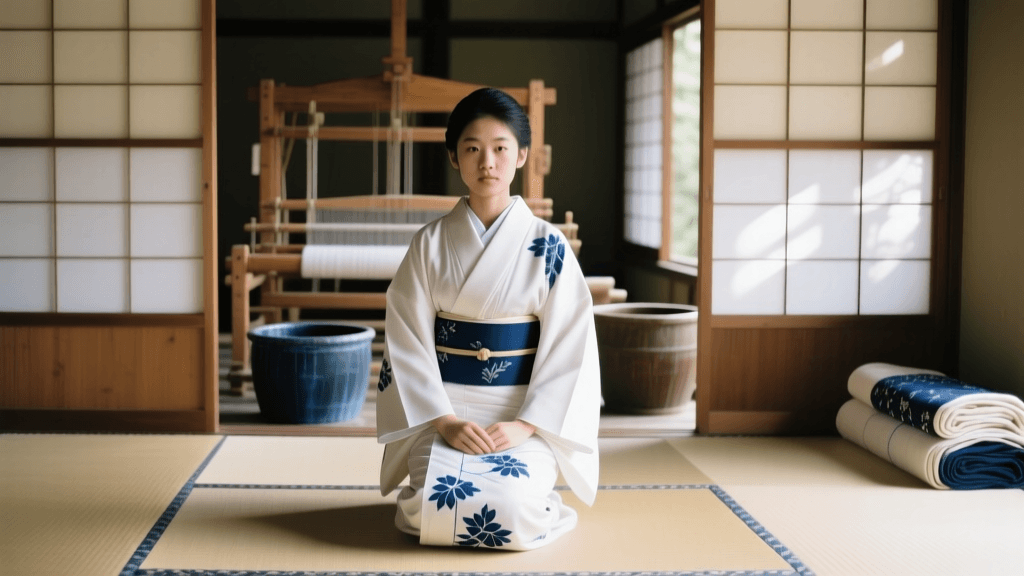
The yukata is a lightweight, unlined cotton kimono. Historically, its origins trace back to the Heian period (794–1185) when nobility wore linen robes called yukatabira to and from the bathhouse. According to the Metropolitan Museum of Art's Heilbrunn Timeline of Art History, the evolution of Japanese bathing culture and the rise of public bathhouses (sento) during the Edo period transformed the yukata into the casual, everyday cotton garment we recognize today.
Construction and 2026 Trends
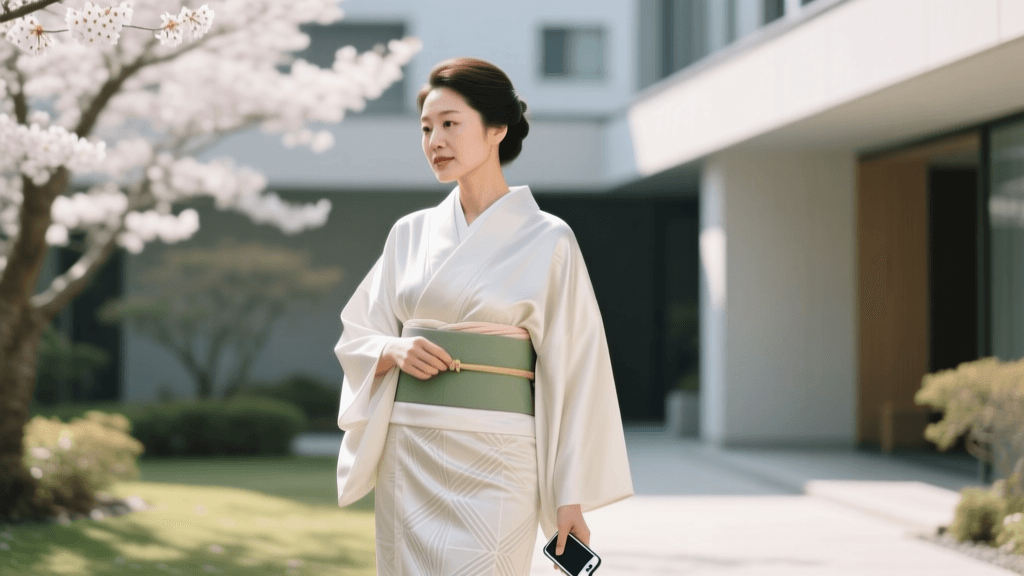
A standard yukata consists of a single T-shaped robe wrapped left over right and secured with an obi (sash). In 2026, the yukata market is dominated by two distinct trends:
- Artisanal Revival: There is a renewed interest in regional weaving techniques like chijimi (crepe) from Niigata and arimatsu shibori (tie-dye) from Aichi. These fabrics offer superior breathability and a textured feel against the skin.
- Modern Pop-Culture Collaborations: Major brands and independent designers are releasing limited-edition yukata featuring contemporary art, anime, and botanical motifs, appealing heavily to Gen Z and millennial consumers.
The Jinbei: Ultimate Breeze and Comfort
If the yukata is the elegant socialite of summer wear, the jinbei is its relaxed, laid-back cousin. The jinbei is a two-piece garment consisting of a short-sleeved, wrap-style top and matching shorts or cropped pants. Originally designed as indoor loungewear and workwear for men and children during the Edo period, the jinbei has undergone a massive rebranding over the last decade.
Construction and 2026 Trends
The top of a jinbei is secured with two sets of ties (one inside, one outside), while the shorts feature an elastic or drawstring waistband. The defining feature of a high-quality jinbei is its fabric weave. The most prized is shijira-ori, a traditional seersucker-like cotton weave from Tokushima that creates raised ridges, preventing the fabric from clinging to sweaty skin.
In 2026, the women's and gender-neutral jinbei market has exploded. Designers are introducing longer, wide-leg cropped pants (resembling hakama shorts) and incorporating linen-cotton blends that offer a slightly more structured, upscale look suitable for casual dining and resort wear.
Head-to-Head Comparison Chart
To help you decide which garment to pack or purchase for your 2026 summer itinerary, refer to the comparison table below:
| Feature | Yukata | Jinbei |
|---|---|---|
| Garment Structure | One-piece wrap robe | Two-piece (top and shorts/pants) |
| Formality Level | Semi-casual to Smart-casual | Strictly Casual / Loungewear |
| Fastening Method | Obi (sash) and koshi-himo (ties) | Fabric ties (top) and drawstring/elastic (bottom) |
| Footwear Pairing | Geta or zori with tabi (optional) | Simple sandals, sneakers, or barefoot indoors |
| Best Occasions | Fireworks festivals, temple visits, ryokan stays | Lounging, local neighborhood matsuri, onsen towns |
| 2026 Avg. Price (USD) | $45 (Fast Fashion) to $250+ (Artisanal) | $30 (Basic) to $120 (Premium Shijira-ori) |
| Ease of Wearing | Moderate (requires obi tying skills) | Very Easy (tie and go) |
When to Wear Which? The 2026 Occasion Guide
Understanding the social etiquette of Japanese clothing is crucial to avoiding cultural faux pas. Travel and cultural experts at Japan Guide note that while foreigners are generally given grace when navigating traditional dress, respecting the formality scale shows a deep appreciation for the culture.
Choose the Yukata For:
- Major Summer Festivals (Matsuri): Events like the Gion Matsuri in Kyoto or the Awa Odori in Tokushima call for the photogenic elegance of a yukata.
- Fireworks Displays (Hanabi Taikai): This is the quintessential yukata event. The flowing sleeves and vibrant patterns look stunning against the backdrop of night skies.
- Ryokan (Traditional Inn) Dining: If you are staying at a high-end ryokan, a provided or rented yukata is the standard attire for dinner and breakfast.
- Theme Parks and Photo Ops: Many tourists in 2026 rent stylized, modern 'retro' yukata for a day at Tokyo Disneyland or Universal Studios Japan.
Choose the Jinbei For:
- Neighborhood Bon Odori: For local, community-driven street dances, a jinbei is perfectly appropriate and allows for unrestricted movement.
- Onsen Town Strolling: In hot spring towns like Kinosaki or Kusatsu, wearing a jinbei while hopping between public baths and local street food stalls is the norm.
- Travel Days and Lounging: The jinbei is increasingly popular as premium loungewear on long-haul flights or Shinkansen rides due to its breathable, non-restrictive waistband.
Sizing and Fit for Global Buyers
One of the biggest hurdles for international buyers in 2026 is navigating Japanese sizing, which tends to run smaller and shorter than Western counterparts.
- Yukata Sizing: Yukata are typically sold in standard lengths based on height. Women should look for a length that matches their height exactly, as the hem should rest at the ankle. Men's yukata should fall slightly shorter, around the mid-calf. Many modern brands now offer 'Tall' and 'Plus' sizes specifically tailored for the international export market.
- Jinbei Sizing: Because jinbei feature drawstrings and wrap-tops, they are much more forgiving. However, pay close attention to the inseam measurement of the shorts. If you prefer modest coverage, look for 'long jinbei' (nagabon) styles, which feature cropped trousers that fall below the knee.
Care and Maintenance
Modern cotton and linen blends require specific care to maintain their structural integrity and vibrant dyes.
- Washing: Always hand wash or use the delicate cycle on your washing machine with cold water. Place the garment in a mesh laundry bag to prevent the sleeves or ties from snagging.
- Drying: Never use a tumble dryer. The intense heat will shrink the cotton and ruin the shijira-ori texture of a jinbei. Smooth out the wrinkles by hand and hang dry in the shade. Direct sunlight in the peak of summer will fade natural indigo and botanical dyes rapidly.
- Storage: Fold along the traditional seam lines. For yukata, this means folding the sleeves back and rolling or folding the garment into a long, flat rectangle to prevent permanent creases.
Conclusion
The summer of 2026 offers an incredible opportunity to engage with Japanese textile traditions in ways that are both authentic and highly functional. The yukata remains the undisputed queen of summer elegance, perfect for making a statement at grand festivals and capturing timeless memories. Conversely, the jinbei stands as the ultimate champion of everyday comfort, offering a breezy, effortless alternative for casual travel and local immersion. By understanding the distinct roles, fabrics, and styling rules of both garments, you can curate a summer wardrobe that respects tradition while embracing the modern innovations of Japanese fashion.