Modern Kimono and Hakama Styling Guide for 2026 Events
The Evolution of Japanese Formalwear in 2026
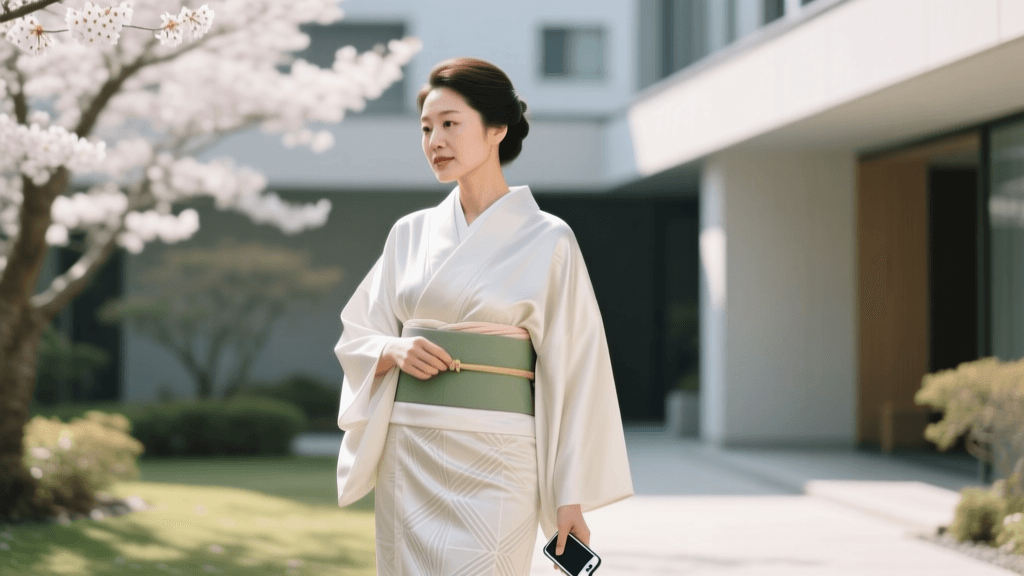
As we navigate through 2026, the landscape of traditional Japanese fashion has reached a fascinating intersection of deep-rooted heritage and cutting-edge textile innovation. The kimono and hakama, once reserved strictly for highly formal occasions or older generations, have experienced a vibrant renaissance among younger demographics. This revival is not merely a nostalgic look backward; it is a dynamic reimagining of how traditional garments fit into contemporary life stages. From university graduations to modern Shinto weddings, the styling of Japanese formalwear in 2026 prioritizes both aesthetic elegance and practical functionality.
Historically, the intricate layering and delicate nature of traditional silk garments required specialized care, making them daunting for everyday wear or active event participation. However, the cultural preservation efforts documented by institutions like the Metropolitan Museum of Art highlight the kimono's enduring structural brilliance. Building on this foundation, 2026 has introduced a new era of 'smart traditionalism,' where the visual language of the Edo and Meiji periods is preserved while the material science is propelled into the future.
Washable Silk and Smart Textiles: The New Standard
The most significant disruption in the 2026 kimono market is the widespread adoption of bio-washable silk and high-grade plasma-treated textiles. For decades, the fear of staining a multi-thousand-dollar silk furisode (long-sleeved kimono) deterred many from purchasing their own garments, relying instead on rentals. Today, Kyoto-based textile innovators have perfected a plasma-coating process that renders natural silk highly water-resistant and machine-washable on gentle cycles without losing its characteristic luster or drape.
This innovation has drastically altered the economics of kimono ownership. Young adults attending their Coming of Age Day (Seijin-shiki) are now investing in personal washable silk collections rather than renting. Furthermore, the integration of climate-responsive linings ensures that wearing multiple layers during humid Japanese summers or chilly winter ceremonies is far more comfortable than it was a decade ago. These modern textiles maintain the precise structural integrity required for traditional folding and tying, ensuring that the art of kitsuke (the way of dressing) remains uncompromised.
Styling Kimonos and Hakamas for Key Life Events
Understanding the nuances of styling for specific life events is crucial for anyone looking to participate in Japanese cultural ceremonies in 2026. The rules of formality, while slightly more relaxed than in the Showa era, still dictate the harmony of colors, patterns, and accessories.
University Graduations (Sotsugyoshiki)
The pairing of a hakama with a kimono remains the quintessential look for Japanese university graduations. In 2026, the trend has shifted toward the 'Taisho Roman' aesthetic, characterized by bold, retro-modern geometric patterns and deep, rich colors like burgundy, emerald green, and navy. Women typically wear a furisode or a highly decorated komon (repeating pattern) beneath a pleated, high-waisted hakama. The hakama's pleats—five in the front and three in the back—traditionally represent the five virtues of Confucianism. Men increasingly opt for subdued, dark hakama paired with family-crested (montsuki) kimonos, often substituting traditional zori sandals for modern, minimalist leather footwear when transitioning to post-ceremony celebrations.
Coming of Age Day (Seijin-shiki)
Held annually in January, Seijin-shiki celebrates those who have reached the age of majority. The furisode is the undisputed star of this event. For 2026, the styling trend emphasizes 'vintage restoration.' Many young women are sourcing authentic mid-century silk furisode from vintage markets and pairing them with hyper-modern, 3D-printed obi accessories and metallic obijime (decorative cords). This juxtaposition of historical textile art with futuristic accessories creates a striking, personalized look that honors the past while asserting individual modern identity.
Modern Shinto Weddings (Kekkonshiki)
For brides, the shiromuku (pure white wedding kimono) and iro-uchikake (colored outer robe) remain the pinnacle of bridal fashion. In 2026, brides are moving away from heavily padded, overly structured silhouettes in favor of softer, more natural draping that allows for greater mobility. The iro-uchikake, often worn during the reception, now frequently features subtle, tone-on-tone embroidery and metallic thread work that catches the light beautifully in modern, dimly lit banquet halls, departing from the overwhelmingly bright golds and reds of previous decades.
2026 Material and Sourcing Comparison
Choosing the right material and sourcing method is essential for balancing budget, comfort, and formality. The table below outlines the primary options available in the current market.
| Material / Sourcing | Maintenance | Average Cost (USD) | Breathability | Best Suited For |
|---|---|---|---|---|
| Traditional Raw Silk | Specialist dry clean only | $1,500 - $4,000+ | High | Heirloom investments, high-formality weddings |
| 2026 Bio-Washable Silk | Machine washable (gentle) | $600 - $1,200 | High | Seijin-shiki, frequent event attendees |
| High-Grade Polyester | Machine washable | $150 - $400 | Low | Summer festivals, casual wear, beginners |
| Kyoto Full Rental Package | N/A (Return after use) | $100 - $250 | Varies | Tourists, one-time graduation events |
The Art of Kitsuke and Modern Dressing Services
The physical act of putting on a kimono, known as kitsuke, is a complex art form that requires an understanding of tension, padding, and precise folding. A properly worn kimono should feature a straight, cylindrical silhouette (the 'tsutsu' shape), which requires strategic use of padding (datejime and hip pads) to smooth out the body's natural curves. In 2026, while many enthusiasts take pride in learning to dress themselves via digital tutorials and local community workshops, professional dressing services remain highly sought after for major events.
According to cultural experience data aggregated by the Japan National Tourism Organization, the demand for authentic kitsuke experiences has surged, with many modern dressing studios now offering ergonomic, adjustable dressing chairs and climate-controlled rooms to ensure the client's comfort during the 45-minute process. Professional dressers in 2026 are also trained in 'quick-release' obi tying techniques, allowing event-goers to comfortably sit through long graduation ceremonies or wedding receptions without the restrictive tightness that characterized older dressing methods.
Footwear and Accessories: Zori, Tabi, and Obi-dome
No traditional Japanese outfit is complete without the correct footwear and accessories. The tabi (split-toe socks) and zori (formal sandals) are non-negotiable for formal wear. In 2026, the market has seen the rise of custom-fitted, 3D-knitted tabi socks that provide arch support and prevent the blisters commonly associated with traditional stiff cotton tabi. These modern tabi retain the pristine white, split-toe aesthetic required for formal events but offer the comfort of athletic wear.
Zori sandals have also evolved. While traditional tatami-faced or brocade zori remain standard for weddings, everyday and graduation zori now frequently feature memory-foam footbeds and adjustable, elasticized hanao (thongs) that eliminate the need for time-consuming manual adjustments. The obi-dome, a decorative clasp worn on the obijime cord, has become a canvas for contemporary jewelry designers. Artisans are currently crafting obi-dome from recycled precious metals and lab-grown gems, allowing wearers to incorporate sustainable luxury into their traditional ensembles.
Sourcing Authentic Pieces in 2026
For those looking to acquire their own garments, the sourcing landscape in 2026 is a mix of digital curation and physical heritage districts. Kyoto's Nishijin district remains the beating heart of high-end textile production, where multi-generational weaving houses now offer direct-to-consumer digital showrooms. Here, buyers can commission custom obi sashes woven with personalized motifs, a process that now takes a mere three weeks thanks to automated, AI-assisted jacquard looms that work in tandem with master weavers.
For vintage enthusiasts, the physical antique markets in Tokyo (such as the Oedo Antique Market) and Kyoto (To-ji Temple flea market) continue to thrive. However, the 2026 innovation lies in the digital authentication services provided by major online auction houses. Using spectral imaging, these platforms can now verify the exact era, dye composition, and silk grade of vintage kimonos, protecting international buyers from counterfeit or misrepresented garments. This technological safeguard has opened the global market for traditional Japanese fashion, allowing collectors worldwide to participate in the preservation of these textile masterpieces.
Conclusion
The styling of kimonos and hakamas in 2026 is a testament to the resilience and adaptability of Japanese cultural traditions. By embracing modern textile innovations like washable silk, prioritizing ergonomic comfort in accessories, and blending vintage aesthetics with contemporary design, a new generation is ensuring that these garments remain a living, breathing part of their life's most important milestones. Whether you are stepping onto a university campus in a striking Taisho-style hakama or walking down the aisle in a subtly embroidered iro-uchikake, the traditional garments of Japan offer a profound, beautiful connection to history, reimagined perfectly for the modern world.