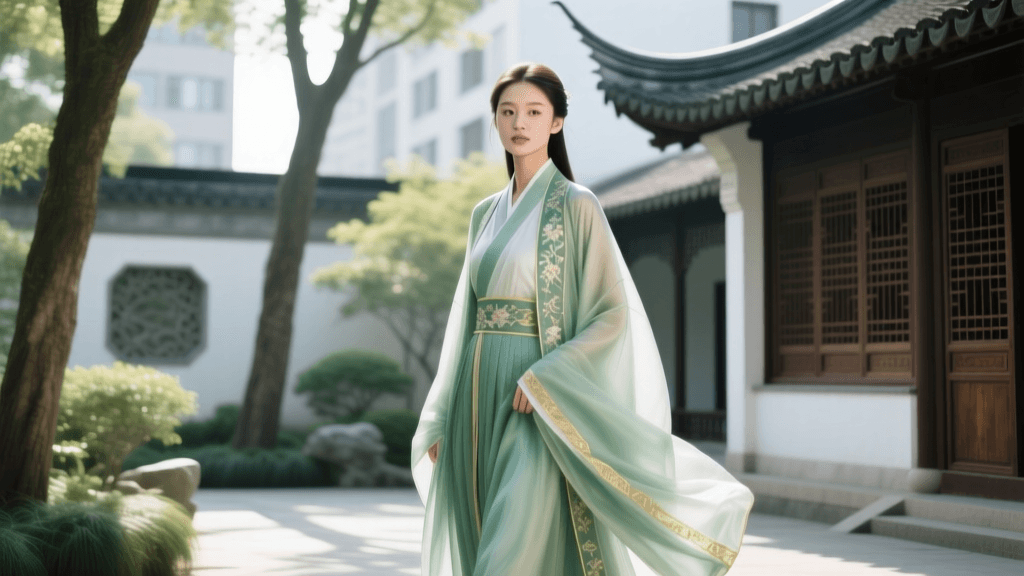
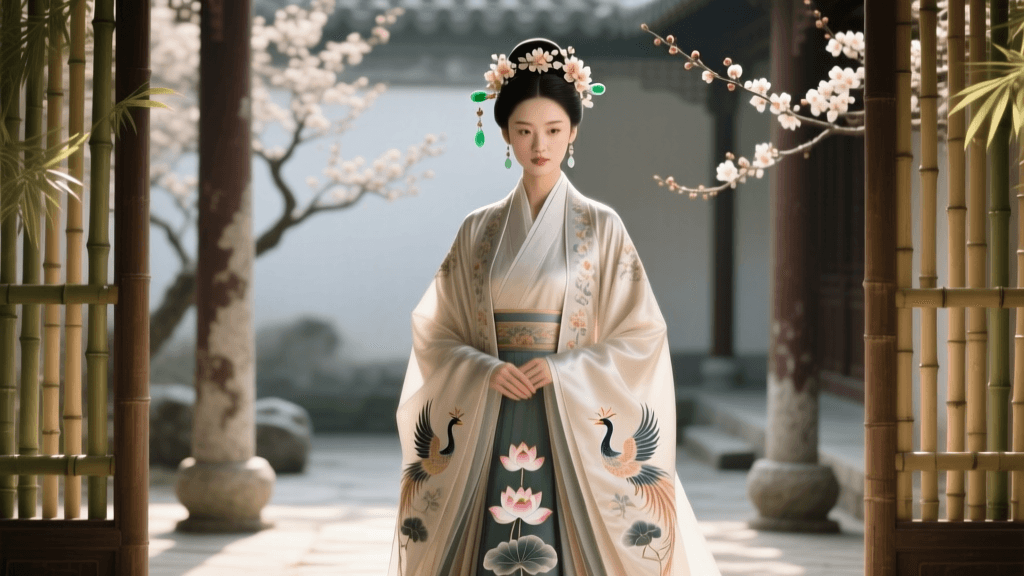
Best Hanfu for Qigong and Meditation Practice in 2026
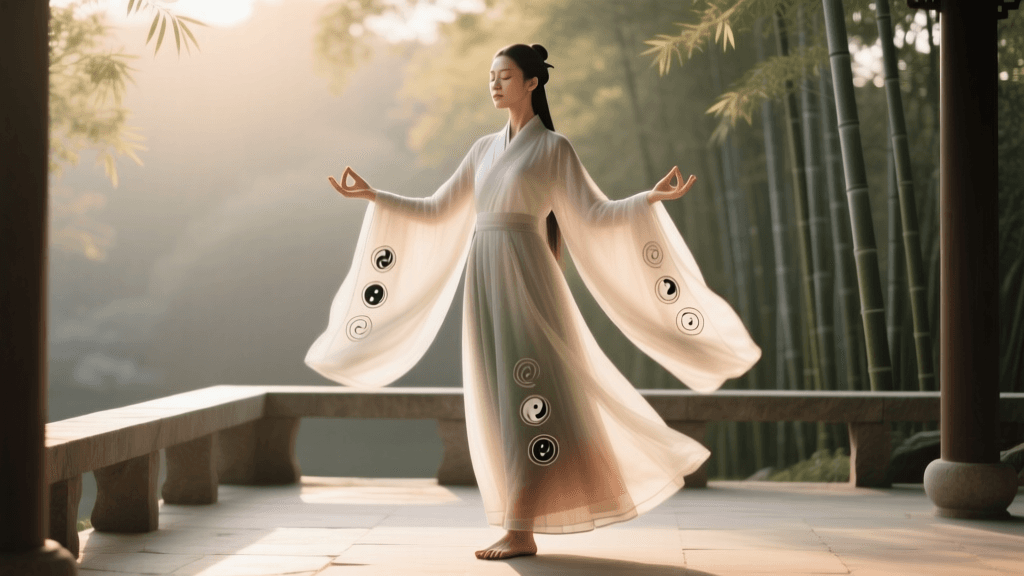
The Intersection of Hanfu and Chinese Wellness
As the global wellness industry continues to evolve in 2026, practitioners of mindfulness, Qigong, and Tai Chi are increasingly looking beyond modern athletic wear to find garments that truly support their spiritual and physical routines. The resurgence of Hanfu (traditional Han Chinese clothing) is no longer just a fashion statement; it has become a vital component of holistic living. The concept of 'enclothed cognition'—the psychological phenomenon where the clothes we wear influence our mental state—aligns perfectly with traditional Chinese medicine (TCM) and martial arts philosophies. When you dress in garments that carry centuries of cultural and spiritual weight, your mind naturally transitions into a state of reverence and focus.
According to the National Institutes of Health (NIH), mindfulness and meditation practices significantly reduce stress and improve cognitive function. However, the physical environment, including the clothing worn during practice, plays a crucial role in facilitating deep relaxation and uninterrupted energy flow. Modern compression wear, while excellent for high-intensity interval training, can restrict the subtle meridian pathways essential for Qigong. Hanfu, with its emphasis on drape, natural fibers, and structural harmony, offers the perfect sartorial solution for the modern wellness practitioner.
The Philosophy of Dress and Qi Flow
In traditional Chinese wellness practices, the unobstructed flow of Qi (vital energy) is paramount. Tight waistbands, restrictive armholes, and synthetic fabrics that trap heat are believed to create physical and energetic blockages. Hanfu is constructed using a traditional flat-cutting technique known as pingmian caijian. Unlike Western tailoring, which relies on darts and complex seaming to contour the body, flat-cutting creates garments that drape naturally over the body's form.
This structural approach means that when you raise your arms during the 'Two Hands Hold up the Heavens' movement in the Ba Duan Jin (Eight Brocades) Qigong set, the garment moves with you without pulling at the shoulders or restricting the chest. The World Health Organization (WHO) recognizes the enduring value of traditional medicine and holistic practices, noting that the integration of mind, body, and environment is key to sustainable health. Wearing Hanfu honors this integration by creating a micro-environment around the body that breathes, flows, and grounds the practitioner.
Top Natural Fabrics for 2026 Wellness Practices
The fabric of your Hanfu dictates its suitability for different types of wellness practices. In 2026, advancements in eco-friendly dyeing and traditional weaving revivals have made authentic, natural fabrics more accessible than ever.
1. Xiangyunsha (Gambiered Canton Gauze)
Often referred to as 'soft gold,' Xiangyunsha is a luxurious silk dyed with the juice of the gambier plant and coated in mineral-rich river mud. The resulting fabric is incredibly cooling, naturally antibacterial, and possesses a subtle, leathery rustle that many practitioners find deeply grounding during seated meditation. Its moisture-wicking properties make it ideal for summer Qigong sessions where maintaining a cool body temperature is essential for mental clarity.
2. Raw Hemp and Ramie Blends
For active, standing Qigong and Tai Chi, durability and breathability are key. Raw hemp and ramie fabrics offer excellent structural integrity, meaning the wide sleeves of your Hanfu will hold their shape beautifully during slow, deliberate movements. Hemp is naturally hypoallergenic and becomes softer with every wash, making it a favorite for daily morning practice routines. In 2026, organic hemp blends woven with soft organic cotton are highly sought after for their balance of drape and resilience.
3. Mulberry Silk Crepe
For indoor, climate-controlled meditation or gentle restorative movements, lightweight mulberry silk crepe provides an ethereal, cloud-like sensation against the skin. The smooth texture reduces sensory distraction, allowing the practitioner to turn their focus entirely inward. Silk is also known in TCM for its ability to regulate body temperature, keeping the wearer warm during still, Yin-style meditation practices.
Best Hanfu Silhouettes for Meditation and Qigong
Not all Hanfu styles are suited for movement. Highly formal court garments with heavy skirts and restrictive collars should be reserved for ceremonies. For wellness practices, the following silhouettes are optimal.
The Song Dynasty Beizi (Long Jacket)
The Beizi is a straight-cut, open-front jacket that typically falls to the mid-calf or ankle. It features side slits that allow for complete freedom of leg movement, making it exceptional for seated meditation (cross-legged or on a bench) and standing Qigong. The parallel collar rests gently against the neck without choking, promoting relaxed breathing and proper spinal alignment.
The Ming Dynasty Daopao (Taoist Robe)
Historically associated with scholars and Taoist practitioners, the Daopao is a full-body robe with deep, wide sleeves and pleated side panels. The generous sleeve width (often exceeding 50 centimeters in circumference) allows for the expansive arm movements required in Tai Chi. The inner ties secure the garment comfortably at the waist without the need for a tight belt, ensuring the diaphragm can expand fully during deep, abdominal breathing exercises.
Wei-Jin Style Wide-Sleeve Ruqun
Characterized by its high-waisted skirt and flowing, wide-sleeved top, the Wei-Jin style captures the ethereal, nature-connected philosophy of ancient scholars. The high waistband sits above the navel (the Dan Tian, or body's energy center), leaving the lower abdomen completely unrestricted. This is crucial for Qigong practices that focus on cultivating and storing Qi in the lower Dan Tian.
Comparison Chart: Hanfu Styles for Wellness
| Garment Style | Best Practice Type | Recommended Fabric | Mobility Rating |
|---|---|---|---|
| Song Dynasty Beizi | Seated Meditation, Light Qigong | Organic Linen, Silk Crepe | High |
| Ming Dynasty Daopao | Tai Chi, Standing Qigong | Hemp Blends, Heavy Ramie | Very High |
| Wei-Jin Ruqun | Flowing Movement, Nature Walks | Xiangyunsha, Lightweight Cotton | Moderate-High |
| Short Aoqun (Jacket/Skirt) | Active Martial Qigong | Cotton-Linen Blends | Very High |
Sourcing and Sizing for Unrestricted Movement
When sourcing Hanfu specifically for wellness practices in 2026, standard fashion sizing is insufficient. You must prioritize specific garment measurements to ensure the flow of Qi and physical comfort.
- Sleeve Width: Look for a sleeve circumference of at least 40cm to 50cm. This ensures that when your arms are raised, the fabric does not pull tightly against the underarm, which can restrict lymphatic flow and meridian pathways.
- Skirt Sweep: For standing practices, a skirt sweep (the total width of the hem) of at least 3 meters is recommended. This allows for deep stances, such as the Horse Stance (Ma Bu), without the fabric pulling taut across the knees.
- Cross-Collar Depth: Ensure the cross-collar (Jiaoling) sits flat against the chest without gaping or choking the neck. A well-tailored collar supports the posture of the cervical spine, which is vital for the 'suspended head' posture required in meditation.
The Harvard Medical School extensively documents the physical benefits of Tai Chi and Qigong, noting that the slow, deliberate movements improve balance, flexibility, and cardiovascular health. To fully reap these benefits, your clothing must act as an extension of your body, not a barrier to it.
Garment Care for Longevity and Energy
In traditional Chinese culture, the care of one's garments is an extension of mindfulness. Washing your practice Hanfu should be a deliberate, calming ritual rather than a chore.
- Hand Washing: Always hand wash natural silks and hemp blends in cool water. The physical act of gently agitating the water can serve as a transitional meditation, washing away the stress of the day before your practice.
- Natural Detergents: Use pH-neutral, plant-based detergents. Harsh chemicals can strip the natural oils from silk and degrade the antibacterial properties of Xiangyunsha.
- Air Drying in the Shade: Direct sunlight can fade natural plant dyes and weaken hemp fibers. Dry your garments in a well-ventilated, shaded area, allowing the breeze to naturally press the fabric.
Integrating Hanfu into Your Daily Mindfulness Routine
Transitioning into your Hanfu practice wear signals to your brain that it is time to shift from the chaotic pace of modern life into a space of stillness. In 2026, many wellness studios and meditation centers dedicated to Eastern philosophies encourage practitioners to wear traditional, non-restrictive clothing to deepen their experience.
Begin by wearing your Song Beizi or Daopao just ten minutes before your practice. Use the time spent tying the inner and outer sashes as a grounding exercise. Focus on your breath as you secure the knots, feeling the gentle, reassuring pressure of the natural fibers against your waist. By treating your Hanfu not merely as a costume, but as a vital tool for your wellness journey, you honor the profound connection between ancient Asian traditions and the modern pursuit of inner peace.