Ceremonial vs Everyday Hanbok: A 2026 Style Guide
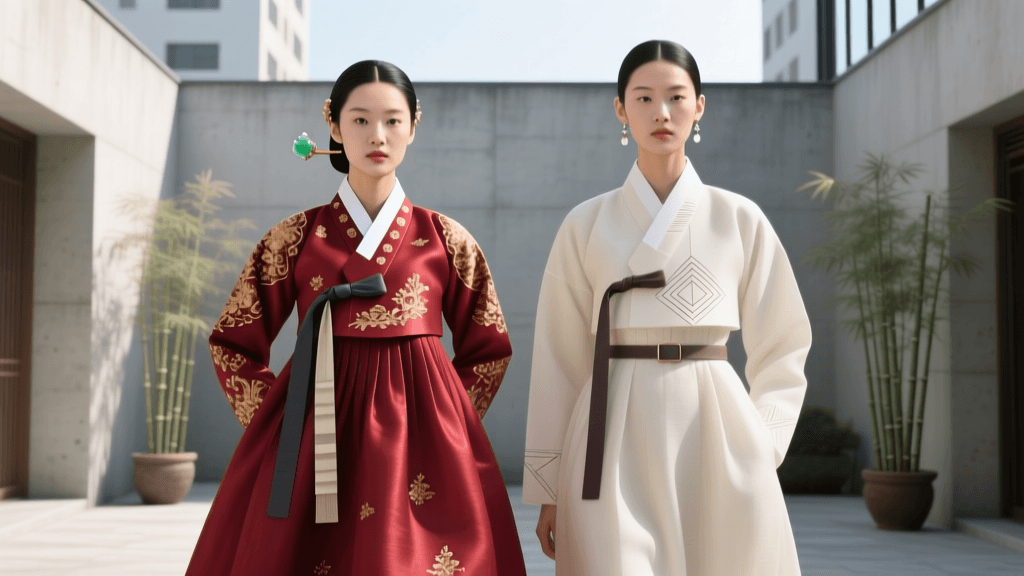
The Evolution of Korean Dress in 2026
The hanbok is one of the most visually striking and culturally significant traditional garments in East Asia. However, as we navigate the fashion landscape of 2026, it is crucial to understand that the hanbok is not a monolith. The distinction between ceremonial hanbok and everyday hanbok—often referred to as gaeryang hanbok (modified hanbok)—has never been more pronounced. While ceremonial wear preserves the meticulous, centuries-old construction techniques of the Joseon dynasty, everyday styles have evolved to meet the practical demands of modern urban life. According to Britannica's comprehensive guide to Korean traditional dress, the fundamental structure of the hanbok has remained remarkably consistent for centuries, yet the materials and tailoring methods have diversified wildly in the 21st century. For enthusiasts, collectors, and those looking to incorporate Korean heritage into their wardrobes, understanding the nuanced differences between ceremonial and everyday garments is essential for making informed styling and purchasing decisions this year.
Ceremonial Hanbok: Heritage, Silk, and Symbolism
Ceremonial hanbok is the guardian of Korean textile heritage. Worn primarily during major holidays like Chuseok and Seollal, as well as for weddings, first birthday celebrations (doljanchi), and ancestral rites, this garments demands a strict adherence to traditional silhouettes and color theories.
Key Features of Ceremonial Wear
The most defining characteristic of a ceremonial hanbok is its voluminous silhouette, achieved not through the cut of the outer fabric alone, but through a complex system of structural undergarments. A traditional women's ceremonial set requires a sokchima (underskirt) and often a daesyum or padded bustle to create the iconic, bell-like shape that obscures the natural curves of the body, reflecting the Confucian modesty of the Joseon era. The jeogori (jacket) is cut with a distinctive curved sleeve seam known as baerae, which mimics the gentle slope of traditional Korean temple eaves. Furthermore, the goreum (coat ties) are long, wide, and meticulously hand-stitched, serving as a central focal point of the garment.
Textile choice is equally uncompromising in ceremonial wear. High-grade myeongju (silk) and intricately woven brocades are the standard. These fabrics are often dyed using the Obangsaek philosophy, which utilizes the five traditional colors (red, blue, yellow, white, and black) to represent harmony and cosmic balance. Accessories elevate the ceremonial look, with elaborate norigae (ornamental pendants) featuring jade, coral, and amber, and hand-embroidered kkotsin (silk shoes) completing the ensemble.
Everyday Hanbok: The Rise of Gaeryang Styles
While ceremonial hanbok is a breathtaking work of art, its restrictive layers and delicate silks make it impractical for commuting, working, or casual socializing. Enter the gaeryang hanbok, or modified hanbok. By 2026, the everyday hanbok market has matured from a niche novelty into a robust sector of sustainable, culturally-rooted streetwear and office-appropriate fashion.
Practicality Meets Tradition
The modern everyday hanbok strips away the structural undergarments, relying instead on modern tailoring techniques like darts and pleats to create a flattering, manageable silhouette. The jeogori is often shortened further and tailored closer to the torso, sometimes replacing the traditional long goreum with hidden snaps, discrete buttons, or simplified, narrower ties. The chima (skirt) is frequently fitted with an elasticized or zippered waistband and, crucially, deep side pockets—a highly requested feature that has become standard in 2026 collections.
Fabrics for everyday wear prioritize breathability, durability, and ease of care. Washed cottons, premium linens, and sustainable blends like Tencel and organic hemp-cotton dominate the market. These materials allow the garments to be machine-washed and worn comfortably in varied climates. The Metropolitan Museum of Art's extensive Asian Art textile archives highlight how historical commoners once wore durable hemp and ramie for daily labor; today's everyday hanbok mirrors this historical pragmatism while utilizing advanced, eco-friendly 2026 textile weaves.
Feature Comparison: Ceremonial vs. Everyday Hanbok
To help you navigate your purchasing decisions, we have compiled a detailed comparison of the two primary hanbok categories based on current 2026 market standards and tailoring practices.
| Feature | Ceremonial Hanbok | Everyday (Gaeryang) Hanbok |
|---|---|---|
| Primary Fabrics | Myeongju (silk), brocade, fine ramie | Cotton, linen, Tencel, hemp blends |
| Jeogori Fit | Loose, flat-pattern cut, curved baerae sleeves | Tailored, darted, closer to the body |
| Skirt/Pants Waist | Long ties wrapped and secured across the chest | Elastic bands, zippers, or hook-and-eye |
| Undergarments | Multiple layers (sokchima, daesyum, sokbaji) | Standard modern undergarments; no padding |
| Pockets | None (requires a separate pouch or sleeve storage) | Deep, integrated side pockets are standard |
| Maintenance | Specialist dry cleaning only, careful airing | Machine washable (delicate) or hand wash |
| 2026 Price Range | $600 - $2,500+ USD (Bespoke silk) | $80 - $250 USD (Ready-to-wear) |
Styling Your Hanbok in 2026
Styling a hanbok today requires a thoughtful balance between honoring tradition and embracing contemporary aesthetics. The rules of engagement differ vastly depending on whether you are donning ceremonial or everyday pieces.
Ceremonial Styling Rules
When wearing ceremonial hanbok, respect for the garment's historical context is paramount. The white dongjeong (collar) must be kept immaculately crisp, as it frames the face and symbolizes purity. Hair should be styled neatly, often in a low bun adorned with a traditional binyeo (hairpin). Footwear must consist of traditional kkotsin or clean, white traditional socks (beoseon). Mixing ceremonial silk skirts with modern t-shirts or sneakers is widely considered a faux pas in formal cultural settings, as it disrupts the visual harmony and respect intended for the occasion.
Everyday Styling for the Modern Wardrobe
Gaeryang hanbok, however, thrives on creative juxtaposition. In 2026, the most popular way to style an everyday cotton chima is by pairing it with a high-quality, neutral-toned knit turtleneck or a crisp oversized button-down shirt, entirely bypassing the traditional jeogori for a subtle, heritage-inspired look. For cooler months, the durumagi (traditional overcoat) has been heavily adapted by modern designers into sleek, wool-blend trench coats that retain the side slits and subtle collar lines of the original. Footwear for everyday hanbok leans heavily toward modern comfort: leather loafers, minimalist ankle boots, and even clean, low-profile sneakers are perfectly acceptable and highly encouraged for navigating city streets.
Sourcing, Pricing, and Garment Care
The market for hanbok in 2026 is more accessible than ever, though knowing where to look is key to finding quality pieces that respect the garment's origins while offering modern utility.
Where to Buy
For ceremonial silk hanbok, bespoke tailoring remains the gold standard. Neighborhoods like Bukchon in Seoul and specialized boutiques in Jeonju Hanok Village offer custom measurements and fabric selection. Expect to pay between $800 and $2,500 for a fully hand-stitched, silk ceremonial set, with lead times of four to eight weeks. For everyday gaeryang hanbok, the market is dominated by independent online boutiques and sustainable fashion labels based in Seoul's Seongsu-dong district. These brands offer ready-to-wear collections that ship globally, with prices typically ranging from $80 for a simple linen skirt to $250 for a fully tailored, multi-piece cotton set.
Care and Maintenance
Proper care ensures the longevity of your garments. Ceremonial silk must never be exposed to water or direct sunlight for extended periods. After wearing, hang the garments in a well-ventilated, shaded area to air out, and seek out a dry cleaner who specializes in traditional Asian textiles. Everyday cotton and linen hanbok are remarkably resilient. Wash them on a gentle cycle with cold water and a pH-neutral detergent. Avoid the tumble dryer; instead, hang the garments to dry and use a steamer to remove wrinkles, which preserves the integrity of the fibers and any traditional natural dyes used in the fabric.
Conclusion
The dichotomy between ceremonial and everyday hanbok is not a battle between the old and the new, but rather a beautiful symbiosis that keeps Korean textile traditions alive. Ceremonial hanbok serves as a vital, living museum, preserving the intricate sewing techniques, philosophical color palettes, and structural elegance of Korea's past. Meanwhile, the everyday gaeryang hanbok acts as a bridge, translating those historical aesthetics into a functional, sustainable, and deeply personal wardrobe for the modern global citizen. Whether you are investing in a bespoke silk ensemble for a milestone celebration or integrating a breathable linen skirt into your daily office rotation, understanding these distinctions ensures you wear the hanbok with both confidence and cultural reverence in 2026 and beyond.