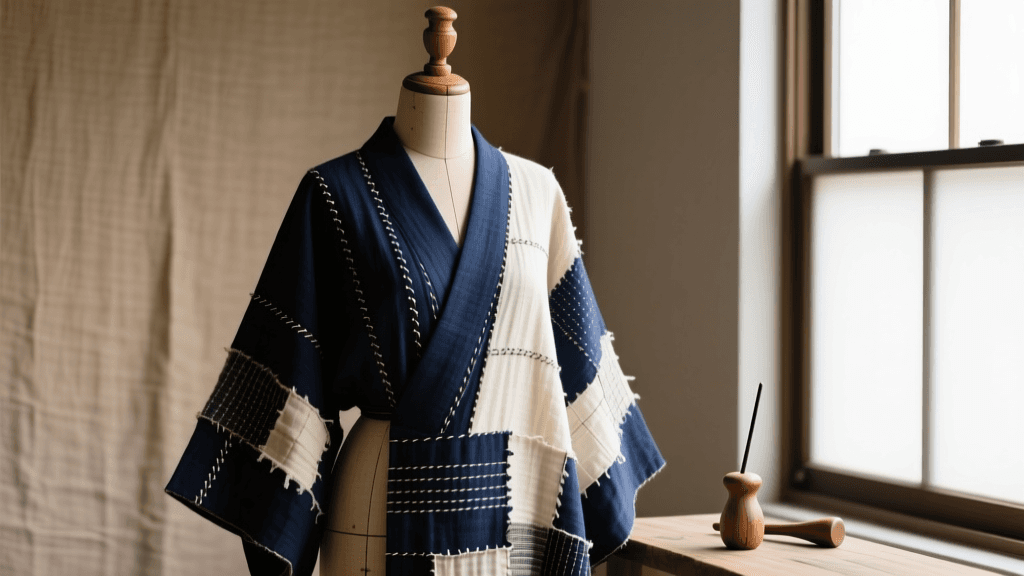
Silk Road Kimono Textiles: 2026 Trade Route Authentication Guide
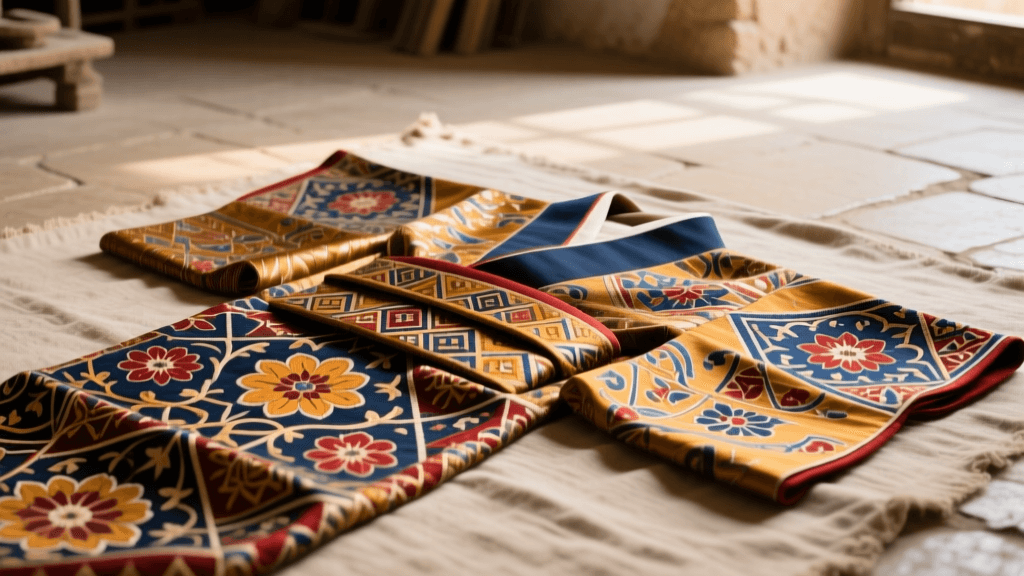
The Legacy of the Silk Road in Japanese Garments
When collectors and historians examine the intricate folds of a vintage kimono, they are often looking at more than just Japanese craftsmanship; they are observing the culmination of centuries of transcontinental trade. The Silk Road, a vast network of Eurasian trade routes, profoundly influenced the development of Japanese textiles, dyeing techniques, and garment motifs. While Japan is an island nation, its historical appetite for foreign luxury goods—particularly from Tang Dynasty China, Sasanian Persia, and the Indian subcontinent—resulted in a unique synthesis of imported aesthetics and indigenous weaving traditions. As we navigate the antique textile market in 2026, authenticating garments that bear the genetic markers of these ancient trade routes requires a sophisticated understanding of historical imports, material science, and motif evolution.
For modern collectors, the allure of a 'trade-route kimono' lies in its cosmopolitan DNA. Garments featuring Nishijin-ori brocades with Central Asian geometric patterns or dyed with imported botanical pigments command a premium in the 2026 market. However, distinguishing between a genuine Edo-period textile utilizing historical import techniques and a later Meiji or Taisho-era reproduction demands rigorous analysis. This guide explores the historical imports that shaped Japanese garment making and provides actionable authentication strategies for today's serious collectors.
The Shosoin Repository: The Ultimate Time Capsule
To understand the baseline for Silk Road imports in Japan, one must look to the Nara period (710–794 CE). The Shosoin Repository Official English Portal details the treasures preserved in this ancient log-cabin storehouse, which contains thousands of artifacts, including textiles that arrived via the Silk Road. These 8th-century garments and fabric fragments feature unmistakable Persian roundels, Central Asian warp-faced compound twills, and Indian resist-dyeing techniques. While you will not find 8th-century Shosoin garments on the open market, the motifs and weaving structures preserved in this repository became the foundational templates for Japanese imperial and aristocratic textiles for the next millennium. Recognizing these foundational patterns is the first step in authenticating later kimono textiles that claim lineage to these ancient trade routes.
Key Historical Imports: Dyes, Silks, and Motifs
The integration of foreign materials into Japanese garment making was not a monolithic event but a continuous trickle of imports that were adapted to local tastes. Below is a comparative overview of the most significant trade-route imports that influenced historical kimono textiles.
| Import Origin | Material / Dye | Japanese Application & Motif | Peak Integration Era |
|---|---|---|---|
| Sasanian Persia | Silk brocade structures, Pearl roundels | Nishijin-ori weaving, Tatewaku (waving lines) | Nara to Heian Period |
| Tang China | Benibana (Safflower), Damask weaves | Yuzen dyeing base, Kara-ori (Chinese weaving) | Heian to Edo Period |
| India / SE Asia | Indigo, Madder root, Chintz techniques | Shibori resist-dyeing, Sarasa (Japanese chintz) | Edo Period (17th-19th C) |
| Central Asia | Lapis Lazuli, Gold leaf threads | Shippou (Seven Treasures) interlocking circles | Muromachi to Edo Period |
Persian and Central Asian Influences on Nishijin-ori
Nishijin-ori, the preeminent brocade weaving tradition of Kyoto, is heavily indebted to Silk Road imports. Following the Onin War (1467–1477), weavers returning to the Nishijin district of Kyoto brought with them advanced techniques learned from Ming China, which itself had absorbed centuries of Central Asian and Persian textile knowledge. The Metropolitan Museum of Art's Heilbrunn Timeline of Art History extensively documents how Sasanian pearl roundels and confronting animal motifs traveled eastward, eventually transforming into the stylized floral and geometric medallions seen in high-end Japanese obi and kimono fabrics. In 2026, authenticating a Nishijin-ori piece with Silk Road lineage involves examining the warp-and-weft intersection under magnification to identify the specific compound twill structures that Japanese weavers adapted from foreign looms.
The Chemistry of Trade-Route Dyes
Before the advent of synthetic aniline dyes in the late 19th century, the vibrancy of a kimono was dictated by the reach of trade networks. Benibana (safflower) was a highly prized import from China and the Middle East, utilized to produce brilliant crimsons that were notoriously fugitive to light. Conversely, ai (indigo) and madder were imported in massive quantities via maritime routes from India and Southeast Asia. Authenticating these historical dyes in 2026 requires moving beyond visual inspection, as modern synthetic replicas can perfectly mimic the hue of aged botanical dyes.
Authenticating Trade-Route Kimono Textiles in 2026
The landscape of textile authentication has evolved dramatically. In 2026, serious collectors and institutional archivists rely on a combination of traditional connoisseurship and non-destructive scientific analysis to verify the provenance of trade-route influenced kimono textiles.
- Portable XRF Spectrometry: X-ray fluorescence (XRF) handheld devices are now standard for high-end collectors. By scanning the mordants (metallic salts used to fix dyes) in a kimono's fabric, authenticators can detect the presence of historical aluminum or iron mordants associated with traditional trade-route dyeing, distinguishing them from the tin or chrome mordants introduced in the late Meiji period.
- AI-Assisted Loom Pattern Recognition: New machine-learning databases introduced in early 2026 can analyze high-resolution macro photographs of brocade weaves. These systems compare the micro-irregularities of hand-loomed Nishijin-ori against known historical templates of Tang and Persian import structures, flagging anachronistic jacquard loom patterns that indicate a 20th-century reproduction.
- Fiber Microscopy: Examining the silk filaments under a digital microscope reveals the twist direction and degumming techniques. Early imports and their immediate Japanese successors often feature specific Z-twist or S-twist signatures that differ from the standardized, machine-reeled silk of the industrial era.
Sourcing and Provenance Verification
When acquiring pieces touted as featuring 'historical Silk Road motifs,' provenance is paramount. Reputable dealers in Kyoto and Tokyo now provide digital provenance passports powered by blockchain technology, tracking the garment's ownership history and previous conservation reports. According to the Victoria and Albert Museum's Asian Collections, understanding the socio-economic context of the Edo period sumptuary laws is also vital; merchants often hid luxurious, foreign-inspired brocades inside the lining of otherwise austere kimonos to bypass government restrictions. Finding these hidden linings is a hallmark of authenticating high-value, trade-influenced merchant garments.
Market Valuations and Preservation Costs for 2026
The market for verified historical kimono textiles featuring authenticated trade-route motifs has seen significant appreciation. As of 2026, an Edo-period kosode featuring verified Persian-inspired karakusa (arabesque) patterns and dyed with imported safflower can command between $8,500 and $15,000 at major auction houses in Tokyo and London. Obi sashes woven in the Nishijin district during the late 18th century, utilizing gold-leaf threads and Central Asian shippou geometries, regularly fetch $3,000 to $6,000.
Preservation of these delicate, historically significant textiles requires strict adherence to modern conservation standards. In 2026, museum-grade climate control for private collections mandates a stable environment of 20°C (68°F) with a relative humidity of exactly 50%, monitored via IoT smart-sensors. Professional conservation cleaning for a fragile, safflower-dyed Silk Road motif kimono currently costs between $1,200 and $2,500, utilizing specialized aqueous treatments that stabilize the fugitive red pigments without stripping the historical patina. Collectors are strongly advised to store these garments flat in acid-free, buffered tissue paper, avoiding the traditional cedar chests which can off-gas acidic vapors that degrade antique silk over time.
Conclusion
The kimono is far more than an isolated symbol of Japanese tradition; it is a canvas that records the vibrant, centuries-long exchange of goods, ideas, and aesthetics across the Eurasian continent. By understanding the historical imports of the Silk Road—from Persian roundels to Indian madder—and utilizing the advanced authentication technologies available in 2026, collectors can accurately identify, value, and preserve these remarkable garments. In doing so, we ensure that the woven legacy of the ancient trade routes continues to be celebrated and protected for future generations.