2026 Guide to Sashiko and Boro Fashion Collaborations
The Renaissance of Wabi-Sabi in Global Luxury
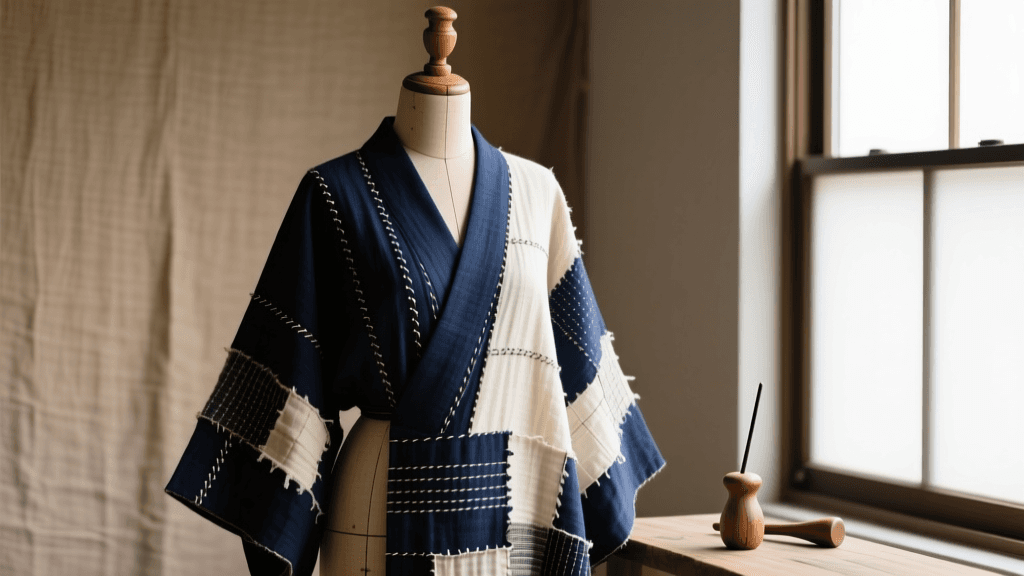
In the rapidly evolving landscape of 2026, the global fashion industry has witnessed a profound paradigm shift away from hyper-consumption and toward mindful, heritage-driven craftsmanship. At the forefront of this movement is the integration of traditional Japanese textile techniques—specifically Sashiko (decorative reinforcement stitching) and Boro (patchwork mending)—into high-end international design collaborations. What was once born out of necessity and poverty in rural Japan has now become the ultimate symbol of sustainable luxury and sartorial storytelling. Today, leading European heritage houses and avant-garde streetwear labels are bypassing traditional manufacturing hubs to partner directly with aging artisan guilds in regions like Aomori and Okayama, ensuring that these ancient practices survive while creating some of the most coveted, high-ticket garments of the decade.
The appeal of these collaborative pieces in 2026 lies in their inherent imperfection, a concept deeply rooted in the Japanese philosophy of wabi-sabi. Consumers are no longer seeking flawless, mass-produced uniformity. Instead, they are investing in garments that carry the physical imprint of the artisan's hand, the natural variations of fermented indigo, and a verifiable lineage of ethical production. According to textile conservation experts at the Victoria and Albert Museum, the structural integrity of hand-stitched running stitches actually reinforces the tensile strength of woven cotton, meaning these collaborative pieces are not just aesthetically striking, but engineered to outlast their owners.
Key 2026 Sashiko and Boro Collaborations
The 2026 collaboration landscape is defined by a mutual exchange of respect between international design directors and Japanese master craftspeople. Rather than simply appropriating the visual aesthetic of Sashiko, global brands are now funding multi-year apprenticeship programs and integrating traditional looms into their European ateliers. Brands like Kapital and Visvim continue to set the baseline for authenticity, but the most exciting developments this year are coming from unexpected cross-cultural partnerships.
High-Fashion Meets Heritage: The Artisan Partnerships
This season, several Parisian luxury houses have released capsule collections featuring genuine sukumo (fermented indigo) dyed Boro jackets, constructed in collaboration with the Japan Kogei Association. These garments utilize heavyweight 22oz selvedge denim as a canvas, which is then systematically distressed, patched with vintage Meiji-era textile fragments, and meticulously stitched by artisans in Tohoku. The result is outerwear that retails between $3,500 and $8,000, functioning as much as a museum-grade artifact as a functional winter coat. Curators at the Metropolitan Museum of Art's Asian Art Department note that the philosophical underpinning of Boro—the idea that mending and scarring add value and history to an object—resonates deeply with the 2026 luxury consumer's demand for circular fashion and emotional durability.
Furthermore, streetwear giants have adopted a more accessible, yet still highly authentic, approach. By utilizing modern NFC (Near Field Communication) provenance tags woven directly into the collar of collaborative Sashiko hoodies, brands are allowing buyers to scan their garments and view a digital ledger detailing the exact artisan who stitched the piece, the origin of the cotton, and the number of hours invested in the needlework. This transparency has become a non-negotiable standard for premium collaborations in 2026.
How to Authenticate Collaborative Sashiko Pieces
As the demand for Sashiko and Boro has surged, so too has the market saturation of machine-embroidered imitations. Mass-market brands frequently use programmable multi-needle embroidery machines to mimic the look of traditional running stitches. For the serious collector or conscious consumer navigating the 2026 market, knowing how to distinguish between a genuine artisan collaboration and a factory-made replica is essential. Here are the critical, actionable tests you must perform before investing in a high-end collaborative piece:
- The Reverse Side Test: Turn the garment inside out. Machine embroidery relies on a continuous lockstitch or bobbin thread, creating a uniform, often messy web of thread on the reverse side. Genuine hand-stitched Sashiko uses a simple running stitch. The back should show distinct, individual thread tails and small, deliberate knots where the artisan started and stopped their work. The tension will vary slightly from stitch to stitch, reflecting the natural rhythm of the human hand.
- The Scent and Fade Test: Authentic 2026 collaborations utilizing traditional methods will employ natural sukumo indigo. Bring the fabric close to your nose; natural indigo possesses a distinct, earthy, almost fermented aroma, whereas synthetic indigo smells faintly of chemicals or nothing at all. Additionally, natural indigo penetrates the cotton fibers unevenly, meaning the fade patterns over time will be complex and multi-dimensional, unlike the flat, uniform fading of synthetic dyes.
- The Fabric Weight and Drape: True Boro requires a robust base fabric to support the heavy, layered patchwork and dense stitching. Authentic collaborative pieces almost exclusively use heavyweight selvedge denim (minimum 16oz, often up to 22oz) or densely woven hemp-cotton blends. If the base fabric feels flimsy, lightweight, or lacks the stiff, structured drape characteristic of raw heritage textiles, it is likely a fast-fashion imitation.
- Provenance Verification: In 2026, any legitimate luxury collaboration involving Japanese heritage crafts will include verifiable provenance. Look for embedded NFC tags, QR codes linked to blockchain ledgers, or physical certificates of authenticity co-signed by the international design house and the specific Japanese artisan cooperative.
Price Guide and Investment Value
Understanding the financial commitment required for authentic collaborative pieces is crucial for buyers. The table below breaks down the fundamental differences between mass-market interpretations and genuine 2026 luxury artisan collaborations, highlighting why the price disparity is so vast.
| Feature | Machine-Embroidered Sashiko | Hand-Stitched Artisan Sashiko (2026 Collabs) |
|---|---|---|
| Stitch Uniformity | Perfectly even, rigid, and mathem spaced | Slight variations, organic flow, human rhythm |
| Thread Material | Polyester blends or mercerized cotton | Hand-spun, naturally dyed cotton yarn |
| Base Fabric Weight | Standard 8oz - 10oz commercial denim | Heavyweight 16oz - 22oz raw selvedge |
| Average Retail Price | $120 - $350 | $1,800 - $6,500+ |
| Production Time | Minutes per garment via automation | 60 - 150 hours of manual labor per garment |
| Investment Potential | Depreciates immediately after purchase | Appreciates; highly sought after on secondary markets |
When evaluating the cost of an authentic collaborative Boro jacket, it is helpful to reframe the purchase not as a mere clothing expense, but as an investment in wearable art and cultural preservation. The secondary market for archival Japanese craft collaborations has shown remarkable resilience, with well-maintained pieces from early 2020s capsules currently trading at a 30% to 50% premium over their original retail prices in 2026.
Caring for Your Collaborative Boro Garments
Owning a genuine Sashiko or Boro collaborative piece requires a departure from conventional laundry habits. The natural dyes, heavy fabrics, and delicate hand-stitching demand a meticulous, hands-on approach to maintenance to ensure the garment's longevity and structural integrity.
"Treat natural indigo and hand-stitched cotton as you would a living organism. It breathes, it ages, and it reacts to its environment. Harsh chemicals and aggressive agitation are the enemies of heritage textiles."
Washing Protocol: Avoid machine washing at all costs. The aggressive tumbling can snap the hand-spun cotton threads and cause the dense patchwork layers to warp. When washing is necessary (ideally no more than once every three to four months), submerge the garment in a basin of cold water (below 20°C). Use a specialized, pH-neutral, indigo-safe detergent. Gently agitate the water with your hands, let it soak for no more than ten minutes, and rinse thoroughly with cold water.
Drying and Shaping: Never wring or twist a Boro garment, as this will permanently distort the heavy selvedge base and strain the Sashiko stitching. Instead, press the excess water out by rolling the garment in a clean, dry, colorfast towel. Lay the garment flat on a drying rack in a well-ventilated area, strictly out of direct sunlight. UV exposure will rapidly degrade the natural indigo, causing unwanted, uneven bleaching.
Storage Solutions: During off-season months, store your collaborative pieces in breathable, unbleached cotton garment bags. Avoid plastic dry-cleaning bags, which trap moisture and promote mildew growth. Place natural cedar blocks or lavender sachets in the storage area to deter moths and absorb excess humidity, ensuring that the intricate needlework and rich indigo hues remain pristine for decades to come. By adhering to these rigorous care standards, you honor the dozens of hours of artisanal labor woven into every stitch, preserving a vital piece of Asian cultural heritage for the future of global fashion.