Mamianqun In 2026 Global Fashion Media: Runway Trends
The Mamianqun’s Ascent in 2026 Fashion Editorials
The global fashion landscape in 2026 has witnessed an unprecedented embrace of Asian traditional garments, moving beyond fleeting trends into permanent wardrobe staples. At the forefront of this cultural and sartorial renaissance is the Mamianqun, historically known as the 'horse-face skirt.' Originating in the Ming Dynasty, this architectural marvel of pleating and flat panels has completely captivated global fashion media. From the glossy pages of Vogue and Harper's Bazaar to the digital runways of Paris and Milan Fashion Weeks, the Mamianqun is no longer treated as a mere costume piece; it is celebrated as a masterclass in structural design and textile artistry.
In the early 2020s, the garment was at the center of intense cultural appropriation debates when Western luxury houses attempted to claim its silhouette. However, the narrative in 2026 has decisively shifted. Today's leading fashion editors and critics are actively highlighting Chinese designers, heritage artisans, and contemporary street-style icons who are reclaiming and modernizing the Mamianqun. This editorial pivot has transformed the skirt into a symbol of cultural pride and a highly sought-after luxury item, bridging the gap between ancient Asian traditions and cutting-edge global fashion.
Deconstructing the Silhouette: What Media Critics Are Praising
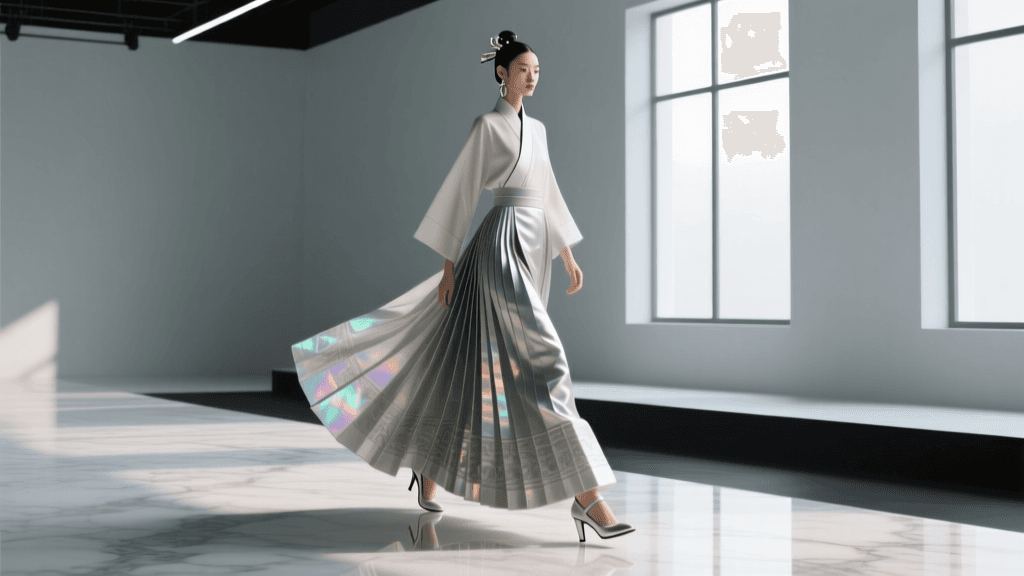
Fashion journalists in 2026 are particularly fixated on the unique geometry of the Mamianqun. Unlike Western pleated skirts that wrap uniformly around the body, the Mamianqun features two flat, unpleated panels (the 'horse faces') at the front and back, with densely pleated sections on the sides. This construction was originally designed to facilitate horseback riding while maintaining a modest, elegant drape when standing.
Contemporary fashion media praises this duality. The flat panels serve as a canvas for intricate embroidery, woven jacquard patterns, and metallic thread work, while the side pleats provide dynamic movement and volume. High-fashion editorials this year are utilizing dramatic lighting and slow-motion video formats to emphasize the kinetic energy of the side pleats, contrasting them against the structured stillness of the front panels. Critics have noted that this interplay of structure and fluidity perfectly aligns with the 2026 consumer desire for garments that are both architecturally striking and deeply comfortable.
2026 Editorial Styling Matrix: Traditional vs. Contemporary
Global styling teams have spent the last year perfecting the integration of the Mamianqun into modern wardrobes. The table below outlines the key styling shifts documented in major fashion publications this year, illustrating how traditional elements are being recontextualized for the modern consumer.
| Styling Element | Traditional Ming Dynasty Approach | 2026 Global Editorial Approach |
|---|---|---|
| Upper Garment | Cross-collared Duan Shan (short jacket) or Ao (lined jacket) | Oversized structured blazers, cropped cashmere knits, or silk corset tops |
| Footwear | Embroidered cloth boots or flat silk slippers | Chunky platform loafers, pointed-toe stiletto boots, or minimalist leather sneakers |
| Waist Definition | Hidden ties and wide fabric sashes concealed by outerwear | Exposed metallic hardware belts, leather harnesses, or asymmetrical chain links |
| Outerwear | Pifeng (open-front cloak) or Bixia (cloud shoulders) | Tailored wool trench coats, distressed denim jackets, or sheer organza dusters |
| Hemline Focus | Floor-grazing to conceal the feet entirely | Midi-length (calf-grazing) to showcase footwear and ankle accessories |
Textile Innovations Highlighted in Global Fashion Press
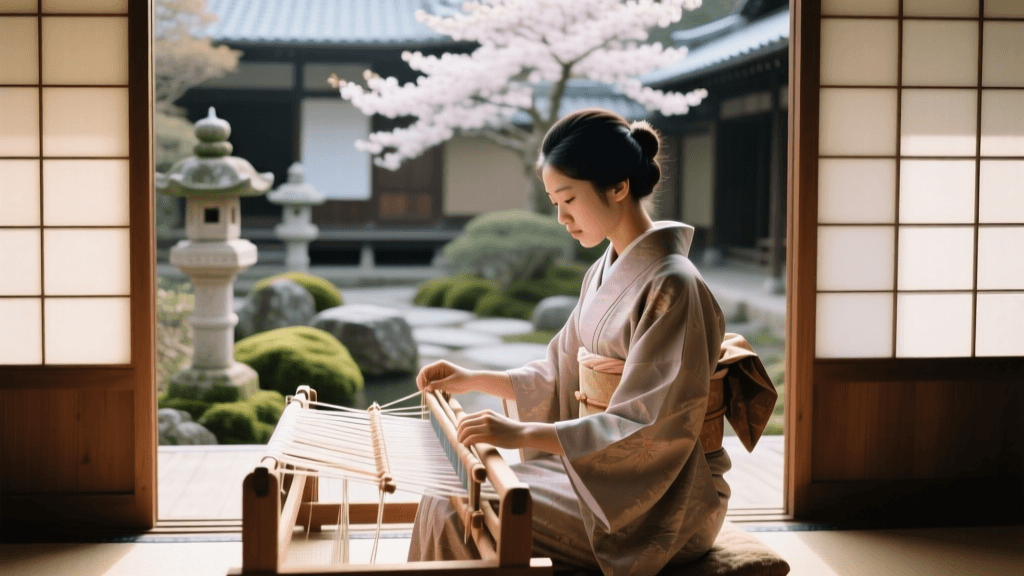
Beyond the silhouette, the textiles used in modern Mamianqun are a major focal point for 2026 fashion journalism. The traditional use of Song brocade—a complex, multi-colored silk weaving technique—has been heavily featured in luxury editorials. Recognizing the immense cultural value of these techniques, global media often references the preservation efforts documented by institutions like the UNESCO Intangible Cultural Heritage Lists, which safeguard traditional silk weaving and sericulture practices.
However, 2026 has also introduced sustainable innovations to the Mamianqun market. Fashion sustainability reporters are highlighting emerging designers who are utilizing recycled polyester jacquards and cruelty-free peace silk to recreate the heavy, lustrous drape of traditional brocades. These modern textiles offer the visual richness of historical garments while appealing to the eco-conscious priorities of today's luxury consumers. Furthermore, the integration of smart-textiles, such as temperature-regulating linings, is a new frontier being explored by avant-garde designers showing in Tokyo and Seoul this season.
How to Style the Mamianqun for Modern Wardrobes
For readers looking to incorporate this historic garment into their daily rotation, 2026 styling guides emphasize proportion and contrast. The sheer volume of the skirt requires careful balancing to avoid overwhelming the frame.
- The Rule of Proportions: Because the Mamianqun is inherently voluminous, pair it with fitted or cropped tops. A ribbed turtleneck tucked securely into the high waistband creates a sleek, elongated silhouette that is highly favored in current street-style photography.
- Mixing Eras and Textures: The most compelling editorial looks of 2026 rely on textural dissonance. Pair a heavy, metallic-threaded brocade skirt with a distressed vintage leather jacket or a crisp, minimalist white poplin button-down shirt. This prevents the outfit from looking like a historical reenactment.
- Belt Styling: Traditional Mamianqun rely on internal ties. For a modern edge, fashion stylists recommend adding a thin, structured leather belt over the waistband. This not only secures the heavy fabric but adds a contemporary hardware element that grounds the look.
- Footwear Selection: Avoid delicate, strappy sandals which can be visually swallowed by the heavy hemline. Instead, opt for footwear with visual weight, such as combat boots, architectural heels, or sleek Chelsea boots, which anchor the outfit and provide a modern counterpoint to the traditional pleats.
Sourcing, Investment, and Archival Garment Care
As the Mamianqun transitions from a niche interest to a global fashion staple, understanding how to source and care for these garments is crucial. The market in 2026 is bifurcated into mass-produced fast-fashion interpretations and high-end, artisan-crafted investment pieces. For those seeking authenticity and quality, fashion archivists recommend purchasing from established Hanfu designers who utilize traditional loom techniques and natural fibers.
Proper care of a Mamianqun, particularly those made from delicate silks or heavy metallic brocades, requires specialized attention. The Victoria and Albert Museum's Asian Collections and textile conservation departments emphasize the importance of proper storage and cleaning for historical and heritage textiles to prevent fiber degradation and pleat distortion.
Essential Care Guidelines for 2026
- Cleaning: Never machine wash a genuine brocade or silk Mamianqun. The agitation will destroy the pleat structure and cause metallic threads to tarnish or snap. Always seek a professional dry cleaner who specializes in heritage garments and bridal wear.
- Pleat Maintenance: If the side pleats begin to lose their sharpness, avoid standard ironing. Instead, use a handheld steamer while the skirt is hung on a specialized wide-clip hanger. Gently press the pleats with your fingers while the fabric is warm and damp to reset the folds.
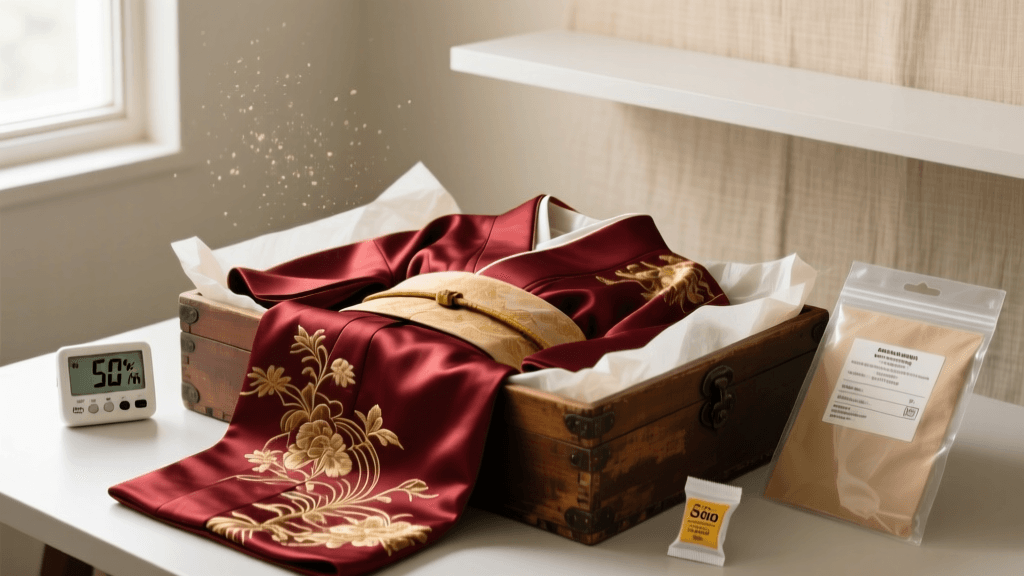
- Storage: Do not fold the skirt, as this will create permanent creases across the flat 'horse face' panels and weaken the fibers at the pleat edges. Store the garment hanging in a breathable cotton garment bag, away from direct sunlight which can fade the intricate jacquard dyes.
- Moth Prevention: For silk and wool-blend skirts, utilize natural cedar blocks or lavender sachets in your wardrobe. Avoid chemical mothballs, which can react with the metallic threads and cause irreversible discoloration.
The Future of Asian Traditions in Global Fashion
The media coverage surrounding the Mamianqun in 2026 represents a broader, more respectful integration of Asian traditions into the global fashion lexicon. Institutions like the Metropolitan Museum of Art Asian Art Collection continue to provide the historical context that informs modern designers, ensuring that the evolution of these garments is rooted in deep cultural understanding rather than superficial appropriation.
As we move through the year, the Mamianqun stands as a testament to the enduring power of traditional Asian craftsmanship. It proves that when global fashion media engages with heritage garments through a lens of respect, education, and collaboration, the result is a richer, more diverse, and infinitely more beautiful sartorial landscape. Whether worn on the runways of Paris or the streets of Shanghai, the horse-face skirt has firmly trotted into the future of global style.