Kimono vs Yukata: 2026 Complete Styling & Buyer Guide
The Renaissance of Japanese Traditional Garments in 2026
As we navigate through 2026, the global appreciation for Japanese traditional garments has reached unprecedented heights. Driven by a massive resurgence in cultural tourism and a growing international interest in sustainable, artisanal fashion, the kimono and yukata have transcended their historical boundaries. Today, these garments are not merely museum pieces; they are dynamic elements of a living wardrobe. According to the Japan National Tourism Organization, cultural immersion experiences involving traditional dress have become one of the most requested itineraries for international visitors in 2026.
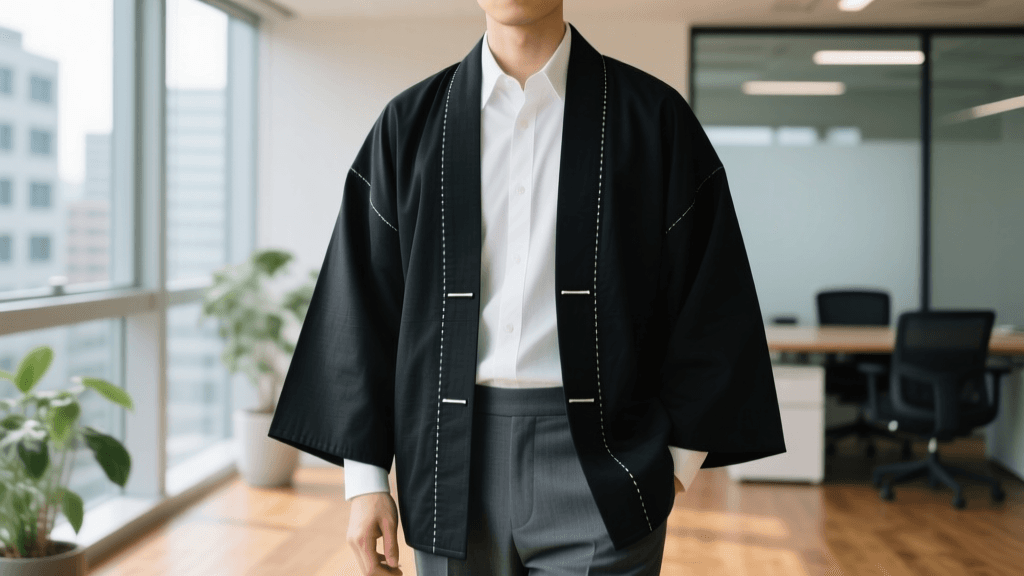
However, for newcomers and seasoned collectors alike, distinguishing between the formal silk kimono and the casual, washable yukata can be challenging. This comprehensive guide breaks down the construction, styling rules, 2026 market pricing, and care instructions for both garments, ensuring you make informed decisions whether you are renting for a day in Kyoto or investing in a bespoke silk piece.
Understanding the Silk Kimono: Heritage and Construction
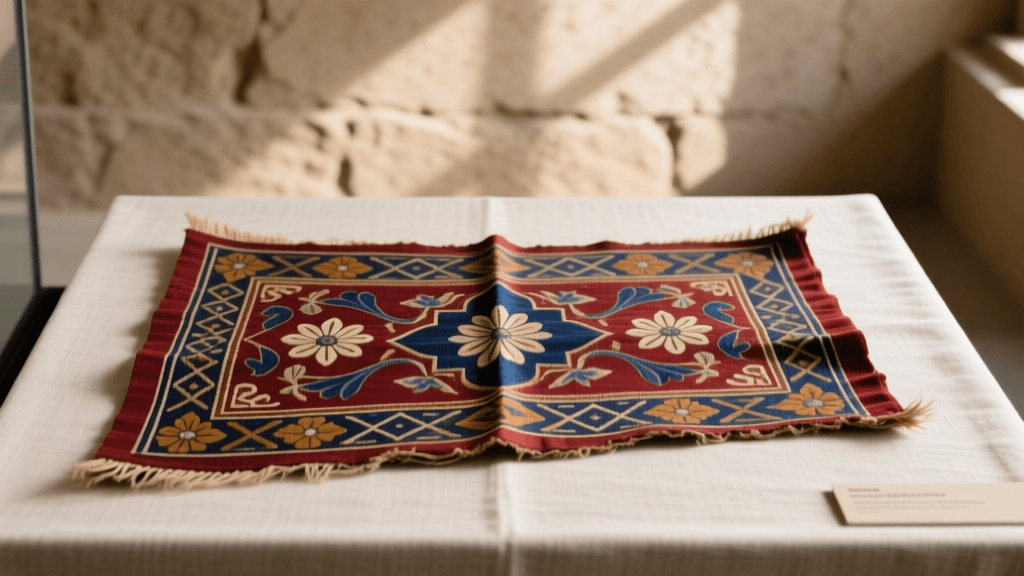
The word kimono simply translates to "thing to wear," but in modern parlance, it refers specifically to the formal, multi-layered silk garment characterized by its T-shaped, straight-lined construction. The creation of a genuine silk kimono is an intricate process that involves multiple master artisans. From the weaving of the silk crepe (chirimen) to the resist-dyeing techniques like Yuzen and Edo Komon, a single garment can take months to complete.
In 2026, the Japanese Ministry of Economy, Trade and Industry (METI) continues to strictly protect and promote these regional weaving and dyeing techniques under their Traditional Craft Products designation. When you purchase a certified Nishijin-ori obi or a Kaga-Yuzen kimono, you are investing in a legally protected cultural asset.
Formal kimonos are categorized by their patterns and the wearer's marital status. The Furisode, featuring dramatically long, swinging sleeves, is reserved for unmarried women attending coming-of-age ceremonies or weddings. The Tomesode, with its shorter sleeves and patterns restricted to the lower half of the garment, is the most formal wear for married women. For everyday elegance, the Komon features repeating patterns suitable for casual outings, theater visits, or dining.
The Modern Yukata: Washable Fabrics and Casual Elegance
Originally conceived as a lightweight cotton bathrobe worn by the nobility and later adopted by commoners after visiting public bathhouses, the yukata has evolved into the quintessential summer festival garment. In 2026, the yukata market has seen a massive innovation in textiles. While traditional indigo-dyed cotton remains popular, modern yukata frequently utilize advanced poly-cotton blends and high-tech polyester that mimic the slubbed texture of raw silk while offering complete machine washability.
The 2026 summer trends in yukata feature a fascinating blend of hyper-traditional motifs—such as morning glories (asagao) and goldfish (kingyo)—paired with contemporary, minimalist geometric backgrounds. Because the yukata is unlined and worn directly over specialized lightweight undergarments (or modern slip dresses), it is significantly cooler and easier to dress in than a formal kimono. It is the garment of choice for matsuri (summer festivals), fireworks displays, and casual ryokan stays.
2026 Comparison Chart: Kimono vs. Yukata
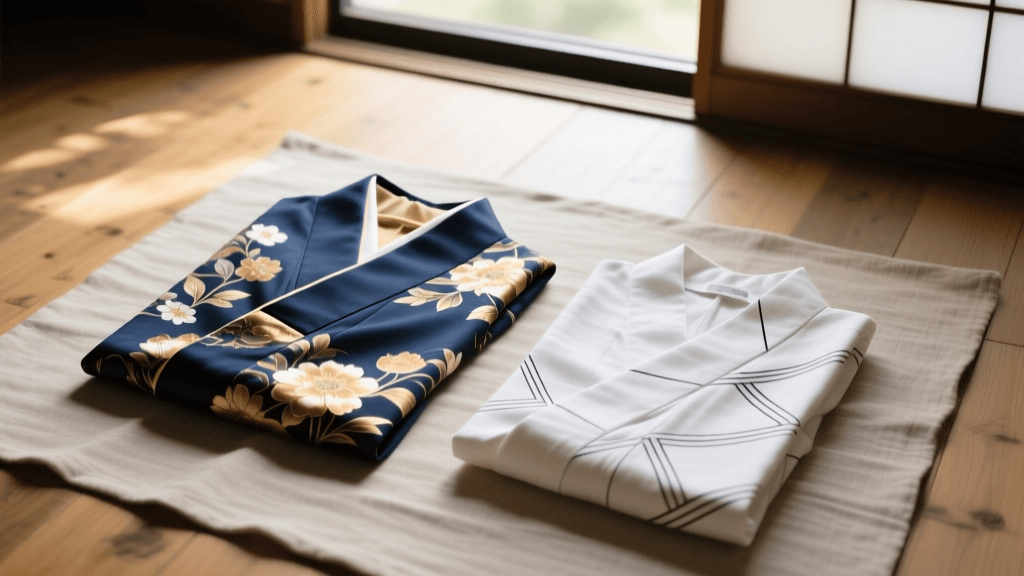
To help you decide which garment suits your needs, budget, and the occasion, refer to this structured comparison chart detailing the core differences as of 2026.
| Feature | Silk Kimono | Yukata |
|---|---|---|
| Primary Fabric | 100% Silk (Chirimen, Tsumugi, Rinzu) | Cotton, Poly-cotton, Washable Polyester |
| Undergarments | Nagajuban (silk/cotton under-kimono) + Hadajuban | Yukata-juban or modern camisole/slip |
| Footwear | Zori (formal sandals) + Tabi (split-toe socks) | Geta (wooden clogs) + Bare feet or lace-up Tabi |
| Collar Style | Wide, thick collar (often with a removable han-eri) | Narrow, thin, unlined collar |
| Occasions | Weddings, Tea Ceremonies, Formal Dinners, Graduations | Summer Festivals, Fireworks, Casual Strolls, Onsen |
| 2026 Price Range (New) | ¥150,000 - ¥800,000+ (excluding Obi and accessories) | ¥5,000 - ¥25,000 (often sold as complete 3-piece sets) |
| Care & Maintenance | Professional dry cleaning only; requires specialized storage | Machine washable (cold water, mesh bag); hang dry |
Essential Accessories for a Complete Look
A kimono or yukata is never worn alone; it is the foundation of a complex ensemble. The most critical accessory is the obi, the wide sash that secures the garment. For formal silk kimonos, the Fukuro Obi or Nagoya Obi is tied in intricate knots (musubi), such as the elegant Otaiko drum knot. In 2026, pre-tied obi with hidden clips have become incredibly sophisticated, allowing beginners to achieve a flawless, professional silhouette in seconds.
For yukata, the Hanhaba Obi (half-width obi) is standard. These are often reversible and feature playful, modern patterns. Footwear also dictates the formality: Zori sandals made of brocade or vinyl are mandatory for formal kimono, always paired with white split-toe Tabi socks. Conversely, wooden Geta clogs are worn with yukata, traditionally without socks, though lace-up tabi socks have become a trendy, practical alternative for tourists navigating paved city streets.
Dressing Etiquette and Kitsuke in 2026
The art of dressing in traditional garments is known as kitsuke. While professional dressers are still widely booked for weddings and formal events, the 2026 market has seen a surge in DIY kitsuke tools. Items like the korin belt (a stretchy belt with clips) and date-jime (wide elastic sashes) have democratized the dressing process.
The most critical rule of kitsuke, which must never be broken, is the direction of the wrap: always left over right. The right panel is wrapped across the body first, and the left panel is folded over it. Wrapping right-over-left is strictly reserved for dressing the deceased for funerals. The hemline should also be adjusted based on formality; formal kimonos are worn long, just grazing the floor, while yukata are worn slightly shorter, exposing the ankles to keep the wearer cool in the summer heat.
Care, Storage, and Maintenance
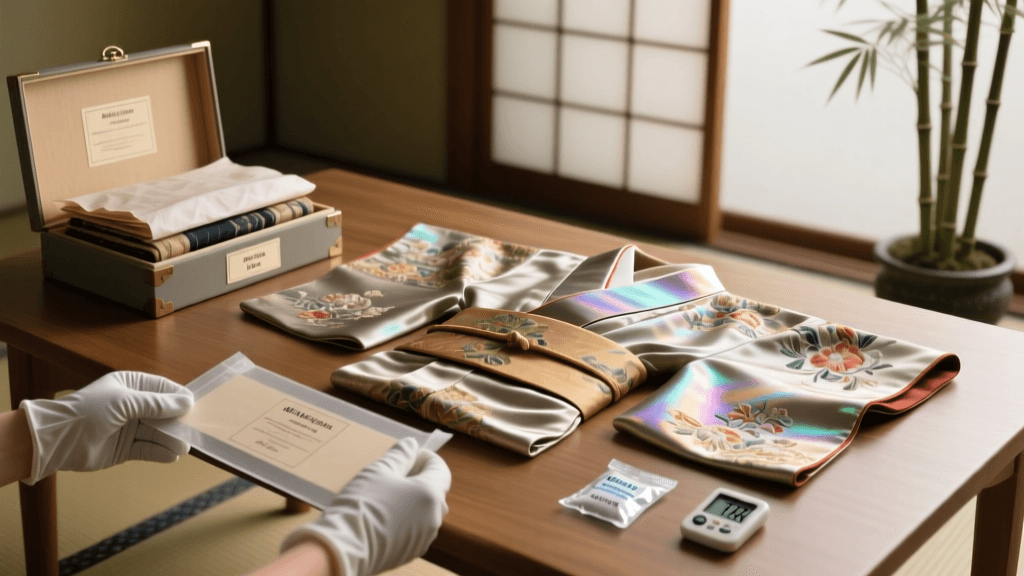
Proper storage is vital for preserving silk garments. The historical appreciation of kimono preservation was heavily documented in the Victoria and Albert Museum's comprehensive Kimono exhibition, which highlighted the vulnerability of natural dyes to light and moisture. In 2026, collectors and owners must store silk kimonos folded flat inside specialized tatoushi (acid-free, breathable paper envelopes). Never store silk in plastic bags, as trapped humidity will cause mold and permanent staining.
Furthermore, silk kimonos should be aired out in the shade twice a year, ideally during the dry, crisp days of late autumn or early spring. Yukata care is remarkably simple by comparison: modern poly-cotton yukata can be folded neatly, placed in a laundry mesh bag, and washed on a delicate cold cycle. They should be hung to dry in the shade to prevent the vibrant summer dyes from fading under direct UV exposure.
Where to Buy Authentic Garments in 2026
For those looking to purchase authentic garments in 2026, Kyoto remains the undisputed epicenter. The Nishijin Textile Center offers not only museum exhibitions but also direct access to master weavers for bespoke obi commissions. For ready-to-wear silk kimonos, department stores like Takashimaya and Daimaru maintain dedicated kimono salons on their upper floors, offering professional fitting and aftercare services.
For budget-conscious buyers and sustainable fashion enthusiasts, the vintage market is thriving. Neighborhoods in Tokyo such as Shimokitazawa and Koenji are packed with recycle shops where you can find high-quality, mid-century silk kimonos for as little as ¥5,000 to ¥15,000. When buying vintage, always inspect the collar and the back of the neck for discoloration, and check the hem for mud stains, which are common in older, unwashed garments. Whether you choose a pristine 2026 washable yukata for a summer festival or invest in a vintage silk masterpiece, understanding the heritage and construction of these garments will deeply enrich your wearing experience.