Japanese Kimono vs Yukata: Ceremonial vs Everyday 2026 Guide
Introduction to Japanese Traditional Garments in 2026
As we navigate the global fashion landscape of 2026, the appreciation for Asian traditional garments has reached unprecedented heights. Among the most iconic and globally recognized of these garments are the Japanese kimono and the yukata. While international observers often conflate the two, within Japanese culture, they serve distinctly different purposes, governed by unique rules of construction, fabric, and social etiquette. Understanding the dichotomy between the ceremonial silk kimono and the everyday cotton yukata is essential for anyone looking to wear, collect, or study traditional Japanese dress in the modern era.
The year 2026 has brought a fascinating renaissance to traditional Japanese textiles. With a renewed global focus on sustainable fashion and artisanal craftsmanship, both the ceremonial kimono and the casual yukata are experiencing a revival. However, the ways in which they are worn, styled, and maintained remain deeply rooted in centuries of tradition, even as contemporary styling introduces innovative twists. In this comprehensive guide, we will explore the critical differences between these two garments, providing actionable advice on styling, purchasing, and caring for them in today's world.
The Ceremonial Standard: Silk Kimono
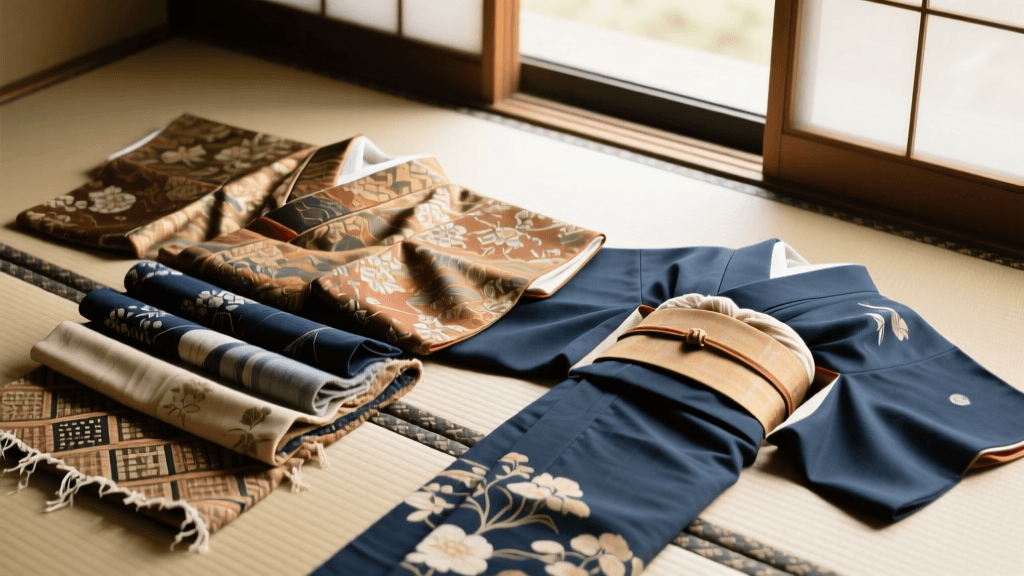
The term 'kimono' literally translates to 'thing to wear' (ki = wear, mono = thing). However, in contemporary contexts, it specifically refers to the formal, T-shaped, straight-lined robe made from high-quality silk. The ceremonial kimono is a masterpiece of textile engineering and artistic expression, often representing the pinnacle of Japanese craftsmanship.
Types of Ceremonial Kimono
Not all silk kimonos are created equal. The formality of a kimono is dictated by its pattern, color, and the number of family crests (kamon) it bears. In 2026, the most prominent ceremonial types include:
- Furisode: The most formal kimono for unmarried women, characterized by its long, swinging sleeves that can measure up to 114 centimeters in length. It is heavily decorated with vibrant, all-over patterns created using the meticulous Yuzen dyeing technique.
- Kurotomesode: The most formal kimono for married women. It is solid black with five family crests and features a continuous, elegant pattern only along the lower hem. It is typically worn by the mothers of the bride and groom at weddings.
- Homongi: A formal visiting kimono worn by both married and unmarried women. The pattern flows seamlessly across the seams when the garment is laid flat, making it a striking choice for tea ceremonies and formal parties.
Construction and Layering
Wearing a ceremonial kimono is a multi-layered process that requires specialized undergarments and accessories. According to the Victoria and Albert Museum's extensive archives on Japanese dress, the foundation of the kimono silhouette relies on the nagajuban (an under-robe) and the datejime (stiff under-sashes) to create a smooth, cylindrical shape that obscures the natural curves of the body. The outer silk layer is then secured with a koshihimo (tying sash) and adorned with a luxurious, heavily brocaded Fukuro obi, which is tied in elaborate knots at the back, such as the taiko musubi (drum knot).
The Everyday Essential: Cotton Yukata
If the silk kimono is the epitome of formal ceremony, the yukata is the embodiment of everyday comfort and summer leisure. Originally worn as a bathrobe by the nobility during the Heian period, the yukata evolved during the Edo period into the standard casual wear for commoners attending summer festivals and fireworks displays. Today, in 2026, it remains the most accessible and widely worn form of traditional Japanese clothing.
Fabric and Construction
Unlike the heavily layered and lined silk kimono, the yukata is strictly unlined and made from breathable, lightweight fabrics. Traditionally woven from indigo-dyed cotton, the 2026 yukata market has expanded to include premium linen blends, hemp, and technologically advanced moisture-wicking cotton blends designed for increasingly hot global summers. The absence of lining makes the yukata significantly cooler, lighter, and easier to put on without the need for complex undergarments.
The 2026 Yukata Renaissance
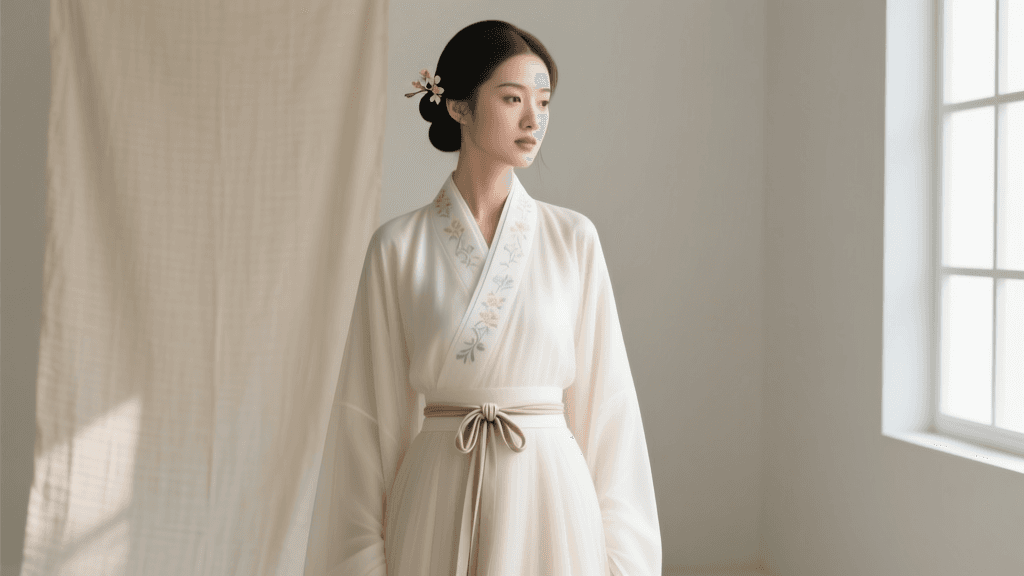
In 2026, the yukata has transcended its role as mere festival wear. Contemporary Japanese designers and international fashion houses are collaborating to produce yukatas featuring digital prints, minimalist Scandinavian-inspired motifs, and upcycled vintage textiles. The modern yukata is frequently paired with a hanhaba obi (a narrow, half-width sash) that can be tied in playful, asymmetrical bows, allowing for a high degree of personal expression that is strictly forbidden in ceremonial kimono wearing.
Head-to-Head Comparison: Kimono vs. Yukata
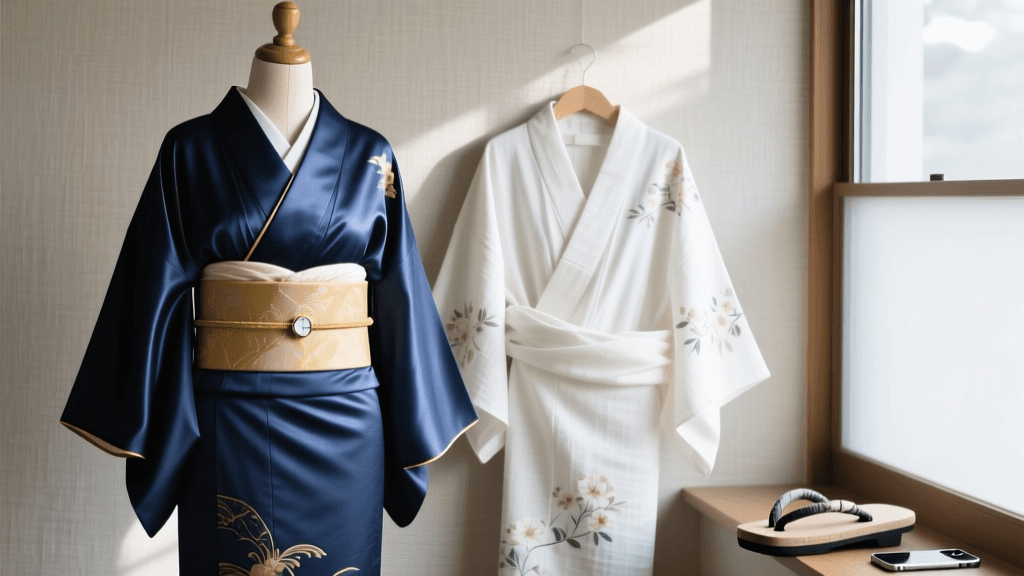
To fully grasp the distinctions between these two garments, it is helpful to view their characteristics side-by-side. The following table outlines the primary differences in construction, styling, and current market pricing for 2026.
| Feature | Ceremonial Silk Kimono | Everyday Cotton Yukata |
|---|---|---|
| Primary Fabric | 100% Silk (Chirimen crepe, Rinzu satin) | Cotton, Linen, or Hemp blends |
| Lining | Fully lined (Awase) or unlined for summer (Hitoe) | Strictly unlined |
| Obi (Sash) | Fukuro or Maru obi (heavy, wide, brocade) | Hanhaba obi (narrow, lightweight, cotton/polyester) |
| Undergarments | Nagajuban (under-robe), hadajuban, susoyoke | Simple slip or camisole; no nagajuban required |
| Footwear | Zori sandals worn with white Tabi socks | Geta wooden clogs (bare feet or specialty toe-socks) |
| Collar Style | Thick, stiff collar (haneri) showing under-robe | Soft, narrow collar worn close to the neck |
| Average 2026 Cost (New) | ¥300,000 to ¥1,000,000+ ($2,000 - $6,800 USD) | ¥5,000 to ¥30,000 ($35 - $200 USD) |
Footwear and Accessories: Zori vs. Geta
The distinction between ceremonial and everyday wear extends all the way to the ground. Footwear is one of the most immediate visual cues that differentiate a kimono from a yukata.
When wearing a ceremonial silk kimono, one must wear zori. Zori are flat, thonged sandals traditionally made from woven straw, leather, or, in modern 2026 iterations, synthetic vinyl and cork. Crucially, zori are always worn with tabi, the traditional split-toe socks. For formal occasions, tabi must be pristine white, and the zori should feature a thick, cushioned sole to elevate the hem of the expensive silk garment away from the ground.
Conversely, the yukata is paired with geta. Geta are elevated wooden clogs with one or two 'teeth' on the bottom. They are designed to keep the cotton hem away from summer puddles and festival dust. Geta are traditionally worn with bare feet, though in recent years, specialized split-toe ankle socks have become popular among younger demographics who prioritize comfort during long summer events. The clacking sound of wooden geta on pavement is considered the quintessential auditory hallmark of a Japanese summer.
Modern 2026 Styling: Blurring the Lines
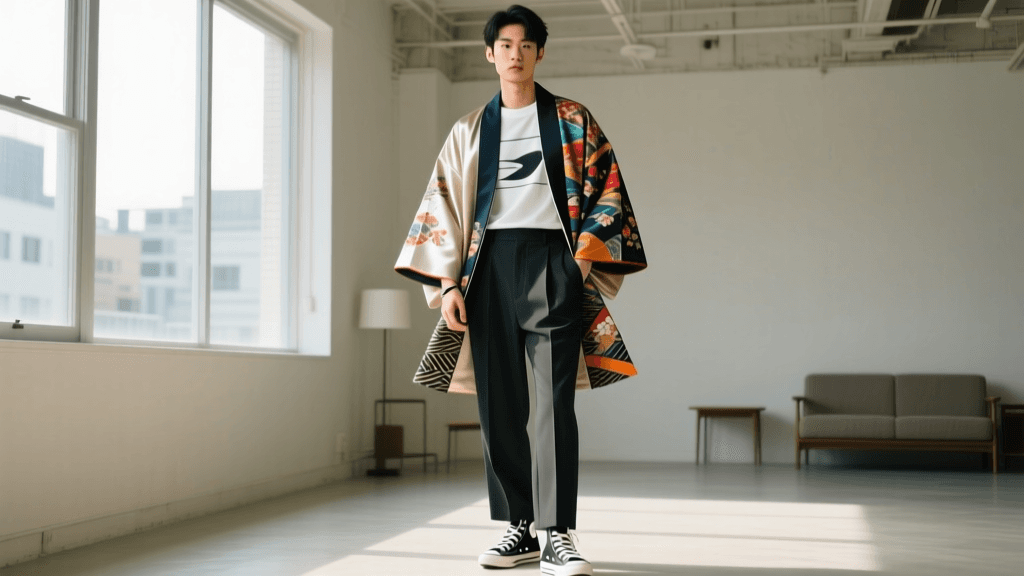
While the rules of traditional kitsuke (the art of dressing) remain strict for tea ceremonies and weddings, everyday street fashion in 2026 has embraced a more rebellious approach to the yukata. Gen Z and millennial fashion enthusiasts in Tokyo's Harajuku and Kyoto's Gion districts are actively deconstructing the traditional silhouette.
Popular 2026 styling trends include:
- The Obi Corset: Replacing the traditional hanhaba obi with wide, Western-style leather corset belts over a yukata to create an aggressive, hourglass silhouette.
- Layering with Denim: Wearing oversized, distressed denim jackets or cropped leather moto jackets over the delicate cotton yukata, creating a striking contrast between rugged workwear and traditional textiles.
- Sneaker Pairings: Ditching the geta entirely in favor of chunky, high-top sneakers or platform boots, a trend that has been widely documented by global fashion influencers this year.
As noted by the Metropolitan Museum of Art's Heilbrunn Timeline of Art History, the kimono has always been a dynamic garment that absorbs and reflects the cultural zeitgeist of its time. The 2026 street-style evolution of the yukata is simply the latest chapter in this ongoing dialogue between tradition and modernity.
Care and Maintenance for Longevity
The care requirements for these two garments are as vastly different as their price tags. Understanding how to maintain them is crucial for any collector or enthusiast.
Caring for the Silk Kimono
Silk kimonos require meticulous, professional care. They should never be washed at home. In 2026, the standard practice is to send the garment to a specialist for 'maru-arai' (a specialized dry-cleaning process for kimonos) after every few wears, or immediately if stained. Between cleanings, the kimono must be aired out on a specialized kimono rack in a shaded, well-ventilated area to release moisture and odors. Storage requires folding the garment along its precise seams and wrapping it in acid-free 'tatou-shi' paper to prevent the silk from yellowing or the dyes from transferring.
Caring for the Cotton Yukata
One of the primary appeals of the yukata is its ease of maintenance. Most modern cotton yukatas can be hand-washed or machine-washed on a delicate cycle using a mesh laundry bag and a neutral pH detergent. After washing, the yukata should be gently stretched along its seams and hung to dry in the shade. Direct sunlight will cause the vibrant indigo and digital prints to fade rapidly. Once dry, a light ironing on the cotton setting will restore the garment's crisp, fresh appearance, making it ready for the next summer festival.
Conclusion: Choosing Your Garment
Whether you are preparing for a formal tea ceremony, attending a summer fireworks festival, or simply looking to incorporate traditional Asian textiles into your 2026 wardrobe, understanding the boundary between the ceremonial kimono and the everyday yukata is paramount. The silk kimono offers an unparalleled connection to the zenith of Japanese artisanal heritage, demanding respect, investment, and careful stewardship. The cotton yukata, on the other hand, offers a joyful, accessible, and highly adaptable entry point into traditional dress. By respecting the historical context of both garments while embracing the innovative styling of the present day, you can participate in the living, breathing tradition of Japanese fashion. For further historical context on the evolution of these garments, the Encyclopedia Britannica's comprehensive entry on the kimono remains an invaluable resource for textile historians and fashion enthusiasts alike.