Traveling With Kimono in 2026: Packing & Transit Guide
The Renaissance of Kimono Travel in 2026
Traveling with traditional Japanese garments is an exercise in mindfulness, precision, and deep cultural appreciation. As global interest in immersive cultural tourism surges in 2026, more enthusiasts are choosing to bring their own heirloom silk kimonos, obi sashes, and accessories to Japan rather than relying solely on rental shops. However, transporting delicate silk, structured brocades, and rigid zori footwear across oceans and onto the bustling Shinkansen network requires a meticulous strategy.
Whether you are attending a formal tea ceremony in Kyoto, a summer matsuri in Kanazawa, or simply wish to wear your personal collection while exploring, mastering the logistics of kimono transit is essential. This comprehensive 2026 guide covers everything from the traditional hon-tatami folding method to navigating modern transit hubs with grace, ensuring your garments arrive in pristine, wrinkle-free condition.
Mastering the Hon-Tatami: Packing Silk Without Creases
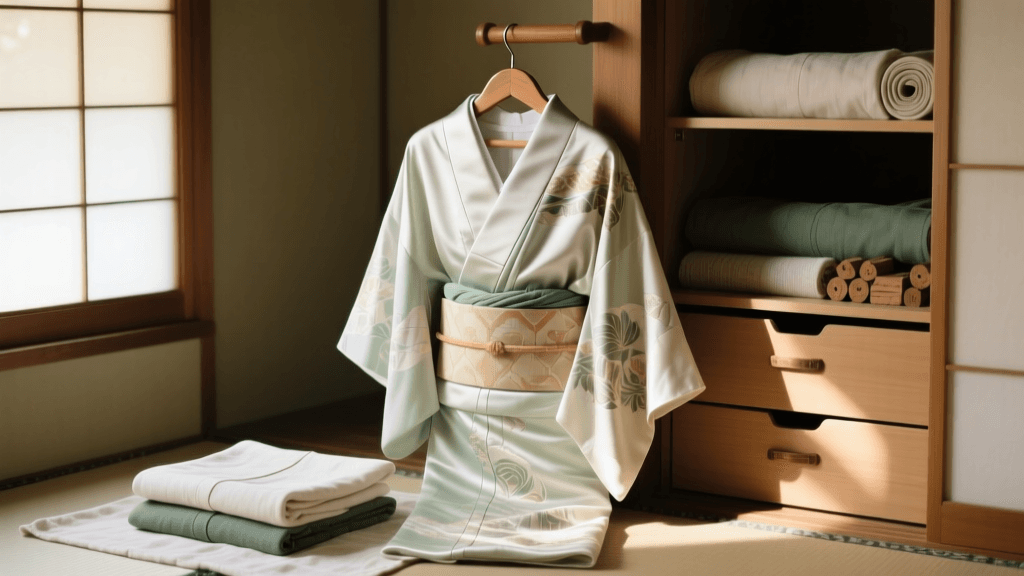
The foundation of kimono travel is the hon-tatami (standard folding method). Unlike Western garments that are hung on hangers, kimonos are designed to be folded flat, which aligns with the straight-line construction of the fabric. When folded correctly, a standard kimono measures approximately 33 cm by 25 cm, making it remarkably travel-friendly.
The Role of Tatou-shi and Modern Alternatives
Traditionally, kimonos are wrapped in tatou-shi, a specialized, breathable paper that protects the silk from moisture and friction. In 2026, eco-conscious travelers and preservationists are increasingly utilizing unbleached, acid-free cotton muslin wraps or biodegradable glassine paper alternatives. These materials prevent the kinu-zure (the friction sound and wear of silk rubbing against silk) during turbulent flights or bumpy taxi rides.
Pro-Tip for 2026: Never fold a kimono exactly on the same crease lines every time you travel. Shift your folds by a few millimeters to prevent permanent stress fractures in the silk fibers, a preservation technique championed by textile conservators at institutions like the Victoria and Albert Museum (V&A).
Packing the Obi and Accessories
While the kimono folds flat, the obi (sash) presents a unique challenge. A standard fukuro obi is over 4 meters long and heavily embroidered. Rolling an obi tightly will crush the metallic threads and embroidery. Instead, fold the obi in a loose accordion style, padding the folds with acid-free tissue paper to maintain the structural integrity of the brocade. Store obi-jime (cords) and obi-dome (clasps) in a rigid, velvet-lined jewelry roll to prevent them from snagging the silk.
The 2026 Luggage Ecosystem: Hard-Shell vs. Garment Trunks
Choosing the right luggage is critical. While hard-shell spinners offer excellent impact protection, they often lack the specialized flat compartments required for folded kimonos and zori sandals. In 2026, the gold standard for kimono travel is the hybrid garment trunk.
- Hybrid Garment Trunks: Brands like Tumi and Rimowa have introduced 2026 models featuring a dedicated, rigid flat-panel compartment specifically designed for formal wear. This prevents your luggage from compressing the garments when placed in the overhead bin.
- Compression Straps: Use padded, wide compression straps inside your suitcase. Thin elastic bands will leave permanent indentations on silk.
- Climate Considerations: If traveling to Japan during the humid tsuyu (rainy season) in June, place silica gel desiccant packets in the outer pockets of your luggage to regulate moisture levels around the tatou-shi wraps.
On-the-Go Wrinkle Release: Portable Steamers & Hacks
Even with perfect packing, minor creases are inevitable. Ironing a kimono with a standard flat iron is strictly forbidden, as direct heat will scorch the silk and melt metallic threads. Steam is your only ally. The market for portable, dual-voltage steamers has evolved significantly, offering powerful wrinkle release in a compact form factor.
| Steamer Model (2026) | Weight | Best For | Approx. Price (USD) |
|---|---|---|---|
| Panasonic NI-GSD095 | 0.9 kg | Quick touch-ups in ryokan rooms; dual voltage | $85 |
| Steamery Cirrus No.3 | 1.2 kg | Heavy silk creases; doubles as an iron on flat surfaces | $195 |
| Jiffy Esteam Handheld | 1.5 kg | Extended hotel stays; high-capacity water tank | $110 |
The Shower Steam Hack: If you forget your steamer, hang the kimono on a padded hanger in the bathroom of your hotel or ryokan while you take a hot shower. The ambient steam will gently relax the silk fibers. However, ensure the garment is far enough away from the shower to avoid direct water splashes, which can cause water spots on vintage silk.
Navigating Transit: Shinkansen, Airplanes, and Taxis
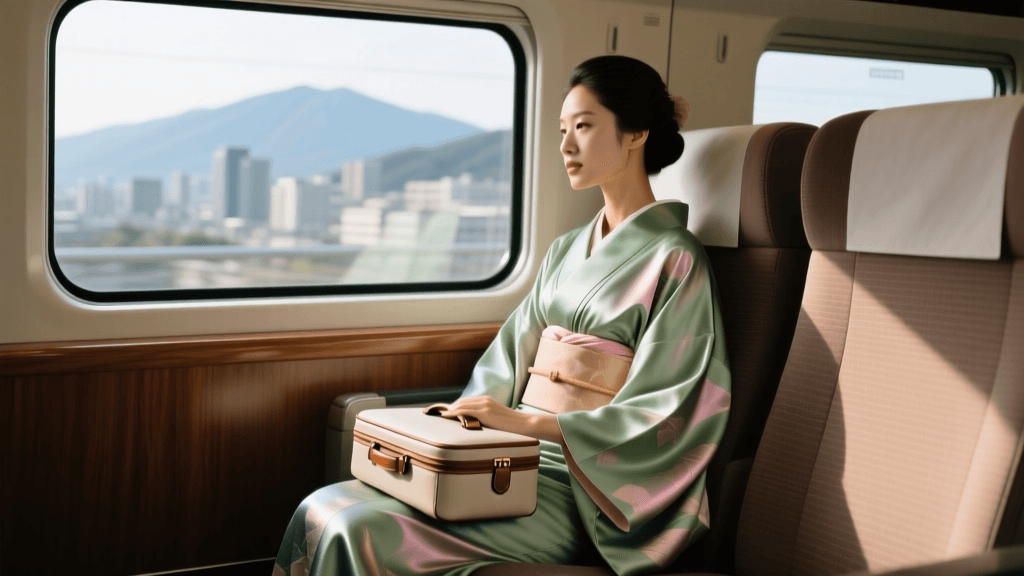
Wearing a kimono while navigating Japan's transit network in 2026 requires an understanding of spatial awareness and etiquette. The modern N700S Supreme Shinkansen offers advanced climate control and spacious seating, but the mechanics of sitting in a kimono remain unchanged from decades past.
The Art of the Shinkansen Seat
When sitting in a train or taxi, the primary goal is to protect the taiko (the drum-shaped bow of the obi at your back) and prevent the hem from riding up. 1. Stand with your back to the seat. 2. Gently lift the back hem of your kimono and obi slightly to avoid crushing the bow against the seatback. 3. Sit down slowly, keeping your knees tightly together. 4. Drape a lightweight hankachi (handkerchief) or a specialized obi-ate cushion behind your lower back if the seat is deeply contoured, which helps maintain your posture and protects the silk from abrasive seat fabrics.
Utilizing Ta-Q-Bin (Luggage Forwarding)
Dragging a suitcase full of silk through crowded stations like Tokyo or Shin-Osaka is a recipe for disaster. In 2026, utilizing Yamato Transport's Ta-Q-Bin service is the smartest logistical move for kimono travelers. As detailed by the Japan National Tourism Organization (JNTO), luggage forwarding allows you to ship your heavy suitcases, garment trunks, and rigid zori boxes directly from the airport to your hotel or ryokan. This leaves you free to travel to your accommodation in comfortable clothing, changing into your kimono only once you are safely in your room with ample space for dressing.
Footwear Transit: Protecting Zori and Tabi
Traditional footwear is notoriously difficult to pack. Zori and geta have rigid soles that can easily scratch or snag silk garments if not isolated. Always pack footwear in rigid, structured boxes or specialized canvas shoe bags. Stuff the toe area of your tabi (split-toe socks) with acid-free tissue paper to maintain their shape and protect the delicate kohaze (metal clasps) from bending under the weight of other luggage.
The Emergency Kitsuke Bag: What to Carry On-the-Go
When you are out exploring in your kimono, you must carry an emergency kitsuke (dressing) kit in your kago (basket bag) or modern handbag. The 2026 essentials include:
- Kimono Tape: Double-sided fabric tape for securing the eri (collar) if it shifts during the day.
- Spare Koshi-himo: At least two extra long, thin ties to secure a slipping obi or adjust the hem length if you need to use the restroom.
- Clips and Pins: Small binder clips to hold sleeves back while washing hands or eating.
- Lint Roller: A mini, travel-sized lint roller to remove dust or pollen from the silk hem after walking through gardens or shrines.
Conclusion: Embracing the Journey
Traveling with a kimono in 2026 is a beautiful synthesis of ancient tradition and modern convenience. By respecting the physical properties of silk, utilizing advanced luggage and steaming technology, and leveraging Japan's world-class logistical services like Ta-Q-Bin, you can ensure your garments remain as flawless as the experiences you create while wearing them. The effort required to pack and transport these masterpieces is a profound act of devotion to the culture, transforming every journey into a moving exhibition of Asian heritage.