Kimono vs Hanbok vs Cheongsam: 2026 Formal Wear Guide
The Renaissance of Asian Formalwear in 2026
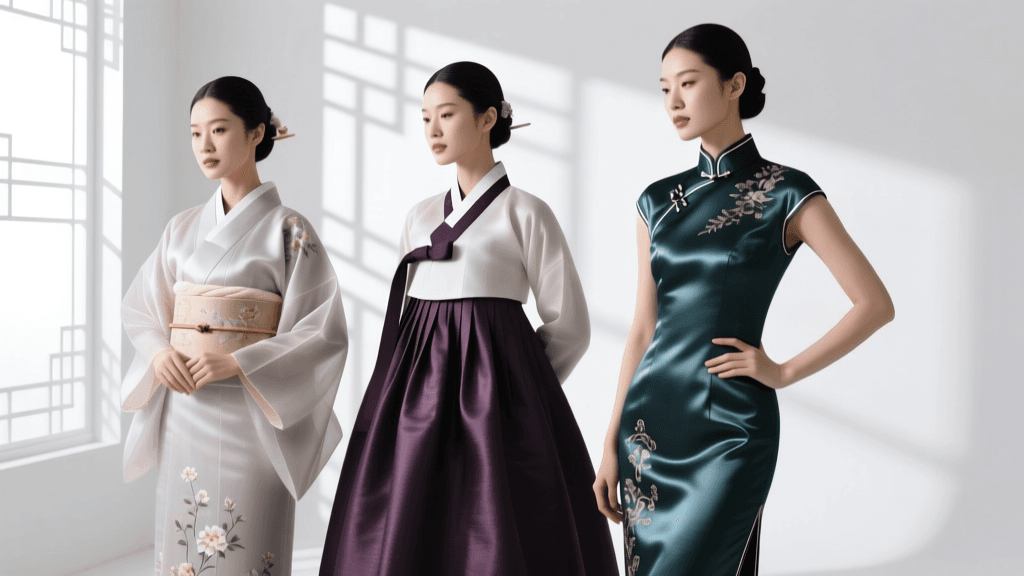
The global fashion landscape in 2026 has witnessed a profound renaissance in traditional Asian formalwear. As cultural heritage intersects with modern haute couture, garments like the Japanese kimono, Korean hanbok, and Chinese cheongsam (qipao) are no longer relegated solely to historical reenactments or private family ceremonies. Today, they are prominent fixtures at international galas, high-profile weddings, and global red carpets. For the modern consumer, navigating the nuances of these three iconic garments requires an understanding of their distinct silhouettes, textile weights, and contemporary tailoring innovations. This comprehensive guide compares the kimono, hanbok, and cheongsam, providing actionable insights into sourcing, styling, and preserving these masterpieces of Asian sartorial tradition in 2026.
The Kimono: Structured Elegance and Layered Heritage
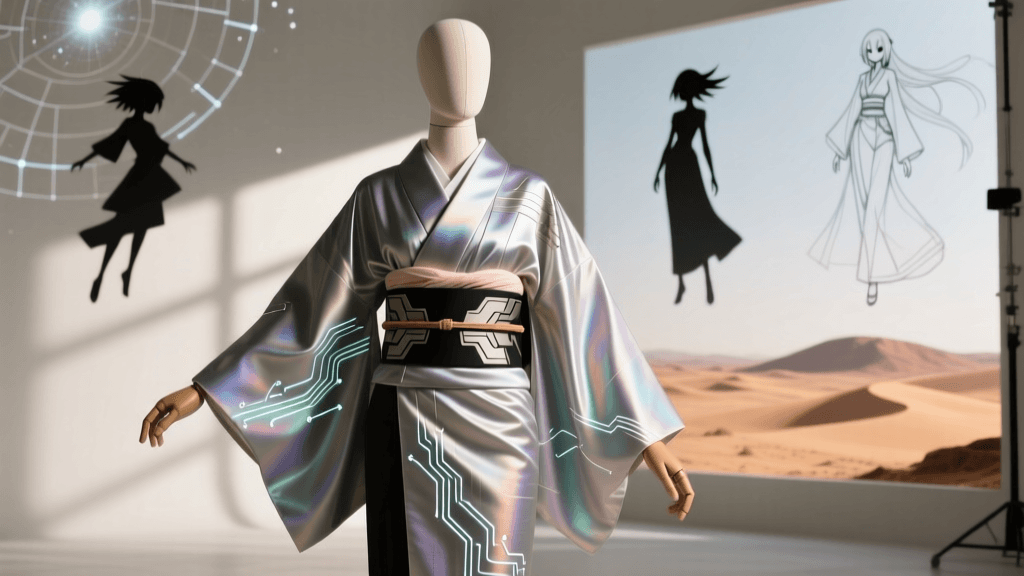
The Japanese kimono is defined by its T-shaped, straight-lined silhouette, which prioritizes the surface design and the intricate layering of textiles over the physical contours of the body. For formal events in 2026, the Kurotomesode (the most formal kimono for married women, featuring a black base and crests) and the Furisode (characterized by long, swinging sleeves for unmarried women) remain the pinnacle of ceremonial dress. According to the Victoria and Albert Museum, the kimono's structural integrity relies heavily on the Obi (sash), which acts as the architectural anchor of the entire ensemble.
Silk Weights and 2026 Bespoke Pricing
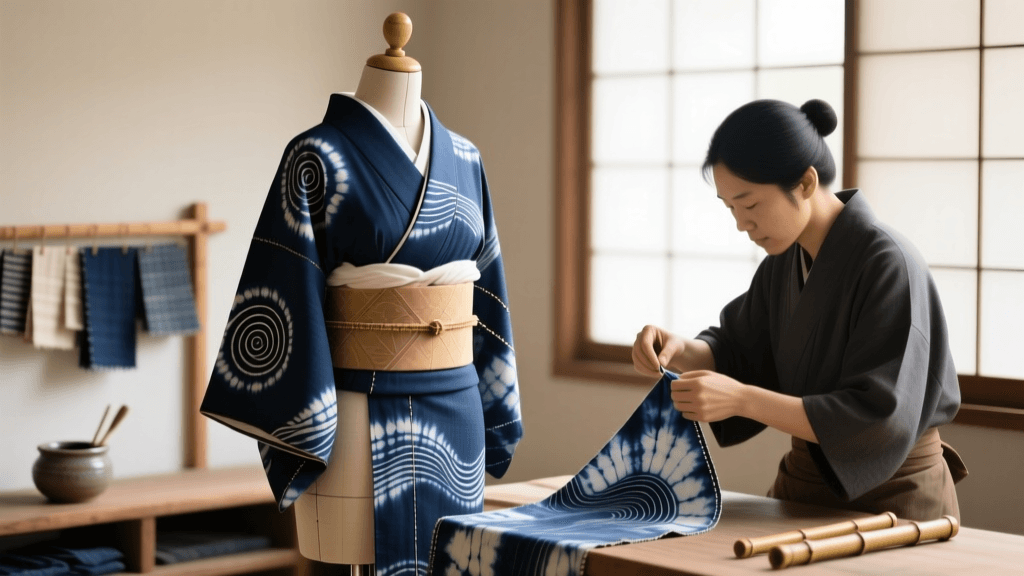
Formal kimonos are predominantly crafted from Rinzu (a soft, damask silk) or Chirimen (a textured crepe silk that dyes beautifully and resists wrinkling). In 2026, the demand for authentic Nishijin-ori brocade from Kyoto has driven bespoke prices upward. A fully bespoke, hand-painted Yuzen silk kimono now typically ranges from $8,500 to $15,000 USD, while a formal, hand-woven Maru Obi can independently cost between $3,000 and $6,000 USD. The 2026 market has also seen a rise in sustainably farmed peace silk alternatives, which offer a slightly lower price point ($4,000 to $7,000 USD) while maintaining the requisite formal sheen.
Kitsuke: The Art of Dressing
Unlike Western formalwear, a kimono requires Kitsuke—the specialized art of dressing. A formal kimono ensemble involves multiple layers, including the Nagajuban (under-kimono), various padding to create a cylindrical torso shape, and a complex Obi knot (such as the Otaiko or Fukura-suzume). In 2026, professional dressing services remain essential for formal events, taking approximately 45 to 60 minutes and costing around $150 to $250 USD per session in major metropolitan areas.
The Hanbok: Voluminous Silhouettes and Vibrant Hues
The Korean hanbok is celebrated for its vibrant color palettes, curved lines, and voluminous proportions. The traditional women's formal hanbok consists of the Jeogori (a short, cropped jacket) and the Chima (a high-waisted, full, bell-shaped skirt). As documented by Encyclopedia Britannica, the hanbok's design historically denoted social status and marital standing through specific color combinations and the use of gold leafing (Geumbak). In 2026, formal hanbok styling has evolved to balance historical accuracy with modern comfort.
Contemporary Tailoring and Fabric Innovations
While traditional formal hanbok utilized heavy silk brocades, the 2026 trend heavily favors Myeongju (a lightweight, breathable plain-weave silk) for summer galas, and structured silk-satin blends for winter ceremonies. A major tailoring innovation in 2026 is the integration of hidden, flexible corsetry within the Chima. Historically, the voluminous skirt was supported by layers of bulky cotton under-petticoats (Sokchima). Today, master tailors in Seoul utilize lightweight, 3D-printed mesh crinolines and tailored inner-bodices that support the heavy silk skirt without adding oppressive weight or bulk to the wearer's waist.
The Otgoreum and Modern Proportions
The Otgoreum (the long, elegant bow tied at the front of the Jeogori) is the focal point of the hanbok. In 2026, formal Jeogori lengths have been subtly elongated by modern designers to provide more coverage and comfort, while the Otgoreum is now often secured with hidden micro-clasps to ensure the bow remains perfectly symmetrical and wind-resistant during outdoor ceremonies. A bespoke formal hanbok, complete with hand-applied Geumbak gold leafing and custom embroidery, currently averages between $1,800 and $4,500 USD.
The Cheongsam: Form-Fitting Couture and Intricate Embroidery
The Chinese cheongsam (or qipao) represents a dramatic departure from the voluminous hanbok and the straight-lined kimono. Originating in the 1920s and evolving into a symbol of modern femininity, the cheongsam is renowned for its form-fitting silhouette, high Mandarin collar, and asymmetrical side slits. The Metropolitan Museum of Art highlights the qipao's unique position as a garment that successfully merged traditional Chinese tailoring techniques with Western sartorial influences, creating a distinctly modern formalwear staple.
Xiangyunsha Silk and Su Embroidery
For top-tier formal events in 2026, the fabric of choice is often Xiangyunsha (mud silk), a highly prized, sustainably produced textile from Guangdong province that is dyed with yam juice and river mud, resulting in a luxurious, water-resistant, and uniquely textured dark silk. Alternatively, heavy Zhuanghua brocade is used for winter weddings. The pinnacle of cheongsam embellishment is Su embroidery from Suzhou, where master artisans use silk threads split into fractions of a millimeter to create photorealistic floral and avian motifs. A bespoke, hand-embroidered Xiangyunsha cheongsam in 2026 commands a premium, typically ranging from $3,500 to over $10,000 USD, with a lead time of four to six months.
3D Body Scanning and the Perfect Fit
The cheongsam leaves no room for tailoring errors; it must skim the body perfectly without pulling at the seams. In 2026, the bespoke cheongsam industry has widely adopted 3D body scanning technology. Clients undergo a 15-second digital scan that captures over 100 precise micro-measurements, accounting for posture, shoulder slope, and spinal curvature. This data is then used to draft a digital pattern before the master tailor cuts the expensive silk, ensuring a flawless fit that traditional tape measurements alone could not guarantee. The garment is finished with hand-knotted Pankou (frog buttons), which remain a hallmark of authentic, high-end construction.
2026 Comparison Matrix: Fabric, Cost, and Event Suitability
To assist in selecting the appropriate garment for your specific needs, the following table outlines the core differences in construction, pricing, and styling requirements for 2026.
| Garment | Primary Formal Silk (2026) | Average Bespoke Cost (USD) | Dressing Time | Ideal Event Type |
|---|---|---|---|---|
| Kimono | Rinzu (Damask) / Chirimen (Crepe) | $8,500 - $15,000+ | 45 - 60 mins (Requires Pro) | Traditional Weddings, Tea Ceremonies, State Dinners |
| Hanbok | Myeongju (Plain Weave) / Silk-Satin | $1,800 - $4,500 | 15 - 25 mins (Self or Assist) | Weddings, Lunar New Year Galas, Cultural Festivals |
| Cheongsam | Xiangyunsha (Mud Silk) / Brocade | $3,500 - $10,000+ | 5 - 10 mins (Self) | Red Carpet Events, Cocktail Parties, Modern Weddings |
Sourcing, Care, and Preservation in 2026
Investing in traditional Asian formalwear requires a commitment to proper care and preservation, as the natural silks and metallic threads used are highly susceptible to environmental damage.
Sourcing and Global Shipping
When sourcing bespoke garments from Kyoto, Seoul, or Shanghai in 2026, buyers must account for international import duties on luxury textiles, which can add 10% to 20% to the final cost. It is highly recommended to utilize virtual consultation platforms offered by heritage ateliers, which now include high-definition fabric swatch mailers and 3D fitting reviews before the final garment is shipped via climate-controlled courier services.
Storage and Maintenance Protocols
- Kimono: Must never be hung on standard hangers, as the weight of the silk will distort the shoulders. Kimonos must be cleaned by specialized Arari (traditional dry cleaning) experts and stored using the Tatami folding method, wrapped in acid-free Tatou paper to prevent moisture buildup and yellowing.
- Hanbok: The Jeogori can be hung on wide, padded hangers, but the heavily pleated Chima should be folded flat or hung using specialized multi-clip skirt hangers to maintain the structural integrity of the pleats. Avoid direct sunlight, which rapidly fades the vibrant natural dyes used in modern Saekdong (striped) sleeves.
- Cheongsam: Should be stored on wide, contoured wooden hangers to support the tailored shoulders and prevent dimpling. The delicate Pankou knots should be unfastened during long-term storage to prevent the silk loops from stretching or creasing. Always store in a breathable cotton garment bag, never plastic, to allow the Xiangyunsha silk to breathe.
Conclusion
Whether you are drawn to the architectural layering of the Japanese kimono, the vibrant, sweeping volumes of the Korean hanbok, or the sleek, embroidered couture of the Chinese cheongsam, 2026 offers unprecedented access to these masterworks of Asian tradition. By understanding the distinct material requirements, embracing modern tailoring technologies like 3D scanning, and committing to rigorous preservation methods, collectors and wearers can ensure these magnificent garments continue to command respect and admiration on the global stage for generations to come.