Styling Modern Jeogori and Qipao Tops in 2026: A Guide
The 2026 Neo-Traditional Wardrobe: Beyond Costumes
The global fashion landscape in 2026 has fully embraced the 'neo-traditional' movement, moving far beyond the realm of occasional costume wear and into the daily rotation of the modern wardrobe. Today’s fashion enthusiasts are no longer treating heritage garments as delicate museum pieces; instead, they are integrating them into dynamic, everyday outfits. As documented by the Victoria and Albert Museum's Asian collections, the historical significance of these garments is now being honored through modern adaptation rather than strict preservation. Mixing traditional Asian pieces with contemporary Western silhouettes requires an understanding of proportion, fabric technology, and cultural context.
This guide focuses specifically on two highly versatile garments that have seen massive innovations in 2026: the Korean jeogori (traditional jacket) and the Chinese qipao (or cheongsam) top. By deconstructing their traditional elements and pairing them with modern streetwear and corporate attire, you can create a wardrobe that is both culturally resonant and highly functional for the current year.
Styling the Modern Jeogori for 2026 Streetwear
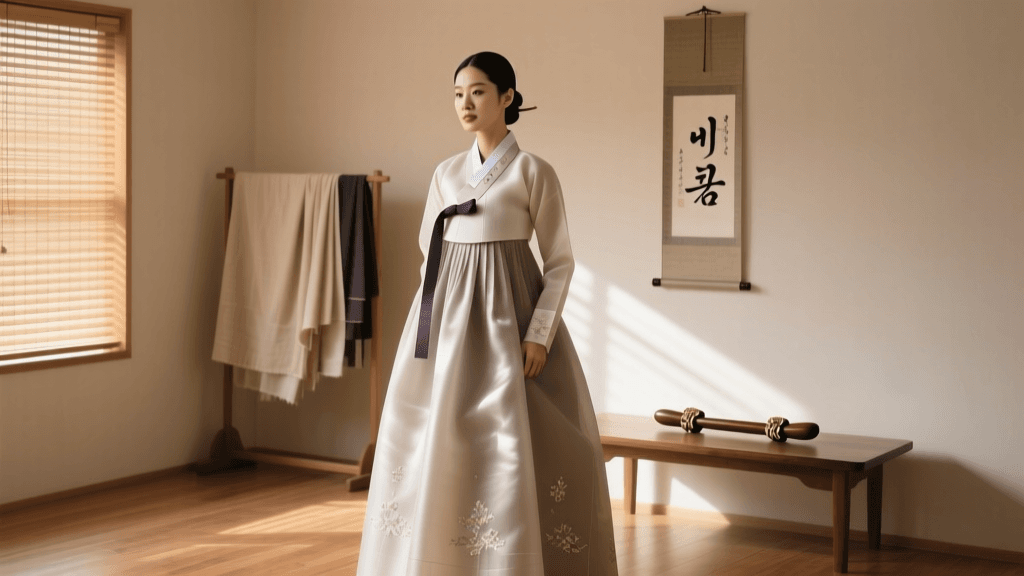
The traditional jeogori is characterized by its cropped length, curved sleeves (baerae), and the long ribbon tie (goreum). In 2026, contemporary designers have reimagined this silhouette for urban environments. According to the historical archives of Korean clothing, the jeogori has constantly evolved in length and proportion over centuries, and today's cropped, boxy iterations are a natural continuation of that evolution.
The Commuter Jeogori: Tech-Fabrics and Hidden Closures
For the modern streetwear enthusiast, the 2026 'commuter jeogori' is a staple. These jackets retain the iconic curved hem and wide sleeves but are constructed from water-resistant recycled nylon or matte Gore-Tex blends. Instead of the traditional lengthy goreum ties—which can be cumbersome on public transit or in windy conditions—modern versions utilize hidden magnetic snap buttons or minimalist toggle cords along the placket.
- The Outfit Formula: Pair a cropped, oversized tech-nylon jeogori in charcoal or olive with high-waisted, wide-leg parachute pants.
- Footwear: Chunky, utilitarian trail sneakers or sleek waterproof Chelsea boots.
- Layering: Wear a fitted, ribbed mock-neck merino wool sweater underneath to balance the voluminous sleeves of the jacket.
Elevating Casual Wear with Silk-Blend Jeogori
For a smarter casual look, the silk-cupro blend jeogori offers a luxurious drape without the high-maintenance care of pure silk. Cupro, a regenerated cellulose fabric, provides excellent breathability and a subtle sheen that mimics silk but withstands the rigors of daily wear. A pastel or jewel-toned silk-blend jeogori worn over a simple white heavyweight cotton t-shirt and straight-leg raw denim creates a striking contrast between heritage elegance and rugged Americana.
Integrating Qipao Tops into Corporate and Smart-Casual Wear
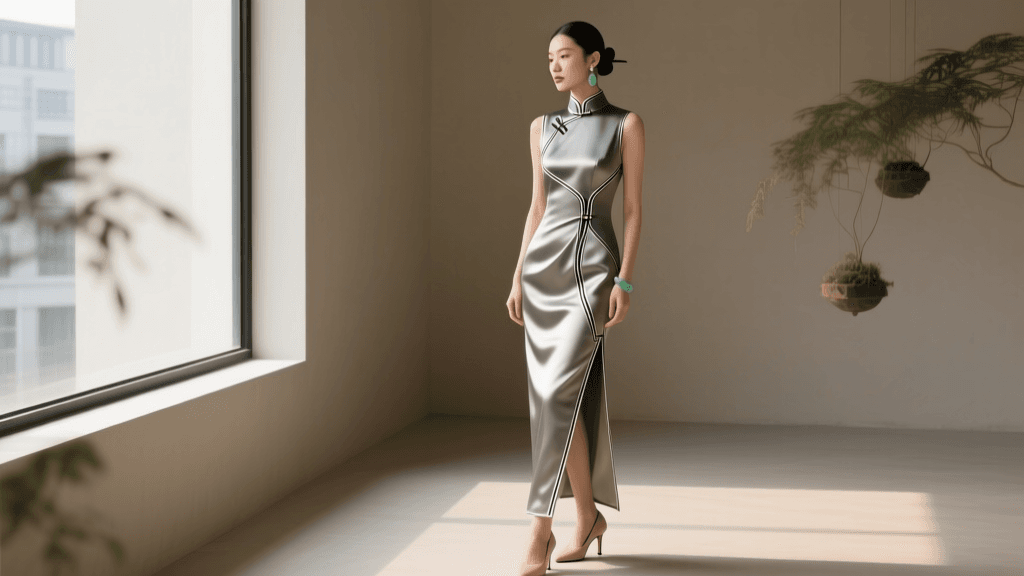
The qipao top, distinguished by its Mandarin collar (mandarin or zhongshan collar), asymmetrical front opening, and pankou (knotted buttons), is a masterclass in structured elegance. While the full-length qipao dress remains a staple for formal events, the 2026 wardrobe heavily favors the deconstructed qipao top for professional and smart-casual environments.
The Office-Ready Mandarin Collar Blouse
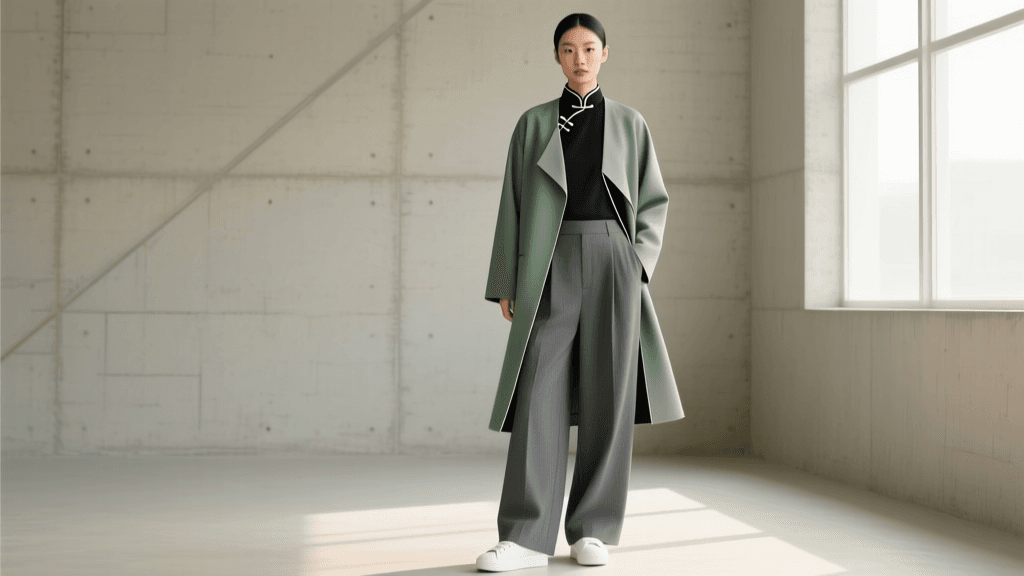
In 2026, the corporate dress code has relaxed, allowing for more cultural expression and structural diversity in office wear. The modern qipao top designed for the office often features a slightly relaxed fit through the torso, moving away from the skin-tight silhouettes of the mid-20th century. The pankou knots are sometimes replaced with subtle metal frog closures or minimalist fabric-covered buttons for a sleeker, more contemporary finish.
- The Outfit Formula: Tuck a structured, crepe-back satin qipao top into high-waisted, pleated wool trousers. The contrast between the ornate collar and the clean lines of the trousers is visually arresting.
- Outerwear: Layer under a sharply tailored, single-breasted blazer. The Mandarin collar sits beautifully inside the lapels of a modern blazer, avoiding the bulk of traditional shirt collars.
- Footwear: Pointed-toe leather loafers or low-block heel mules.
The Asymmetrical Tunic for Weekend Styling
For weekend outings, the elongated qipao tunic with exaggerated side slits offers a fluid, architectural look. Designers in 2026 are experimenting with color-blocking, using contrasting fabrics for the collar and the front placket. Pairing a mid-thigh length, asymmetrical qipao tunic with slim-fit cycling shorts or tailored Bermuda shorts and minimalist leather sneakers creates an avant-garde silhouette that references traditional Chinese tailoring while feeling entirely modern.
2026 Fabric and Care Matrix for Mixed Wardrobes
One of the primary challenges of mixing traditional garments with daily wear is fabric care. Traditional silks and brocades require specialized dry cleaning, which is neither sustainable nor practical for everyday clothing. The 2026 market has introduced innovative blended textiles that honor the look of heritage fabrics while offering machine-washable convenience. Below is a comparison of the most popular modern fabrics used in neo-traditional garments this year.
| Fabric Type (2026) | Best Modern Pairing | Care Routine | Avg. Market Cost |
|---|---|---|---|
| Recycled Tech-Nylon | Cargo pants, streetwear sneakers | Machine wash cold, hang dry | $120 - $180 |
| Silk-Cupro Blend | Raw denim, tailored wool trousers | Hand wash or delicate cycle, lay flat | $150 - $240 |
| Crepe-Back Satin (Poly) | Office blazers, pleated midi skirts | Machine wash gentle, low iron | $85 - $140 |
| Hemp-Cotton Canvas | Wide-leg linen pants, casual loafers | Machine wash warm, tumble dry low | $90 - $130 |
| Heritage Silk Brocade | Formal evening wear, minimalist gowns | Dry clean only, store in breathable bag | $280 - $450+ |
Color Theory and Accessory Harmonization
When integrating these pieces, color theory plays a vital role in grounding the outfit. The 2026 color palette leans heavily into 'digital earth tones'—shades like matcha green, oxblood, slate blue, and digital lavender. A traditional garment in a vibrant, historically accurate color (like imperial yellow or bright crimson) can sometimes clash with modern muted wardrobes. To bridge this gap, look for jeogori and qipao tops rendered in deep, muted jewel tones or soft pastels that complement contemporary neutrals like beige, charcoal, and navy.
'The key to styling heritage pieces in a modern context is restraint. Let the traditional garment be the focal point of your outfit, and allow your contemporary pieces to act as a supportive canvas.' — 2026 Neo-Traditional Styling Symposium
Accessories should also be chosen with intention. Avoid pairing a qipao top with overly ornate, traditional jade or gold hairpins unless you are attending a specific cultural event. Instead, opt for modern minimalist jewelry: geometric silver earrings, a sleek leather strap watch, or a simple matte-metal cuff bracelet. For footwear, the Metropolitan Museum of Art's Asian Art department showcases historical footwear that, while beautiful, is entirely impractical for modern city walking. Stick to high-quality contemporary leather goods that provide arch support and weather resistance.
Sourcing Authentic Yet Modern Pieces
As the demand for neo-traditional fashion grows in 2026, so does the market for cheap, culturally appropriative fast-fashion knockoffs. To build a wardrobe that respects the origins of these garments, seek out contemporary Asian designers and ethical fashion houses that specialize in heritage adaptations. Look for brands that transparently discuss their pattern-making process, credit their cultural inspirations, and utilize sustainable manufacturing practices. Many independent designers based in Seoul, Shanghai, and the global diaspora offer made-to-measure services online, allowing you to input your exact measurements for a jeogori or qipao top that fits perfectly over your modern layering pieces.
Conclusion
Mixing traditional Asian garments with modern wardrobes in 2026 is an exercise in sartorial diplomacy. It requires a respectful understanding of the garment's history paired with a bold, creative approach to contemporary styling. By embracing modern fabric innovations, adapting silhouettes for daily life, and thoughtfully coordinating colors and accessories, the modern jeogori and qipao top transition from occasional cultural wear to indispensable pillars of a sophisticated, global wardrobe.