2026 Guide to Vintage Silk Kimono and Hanbok Restoration
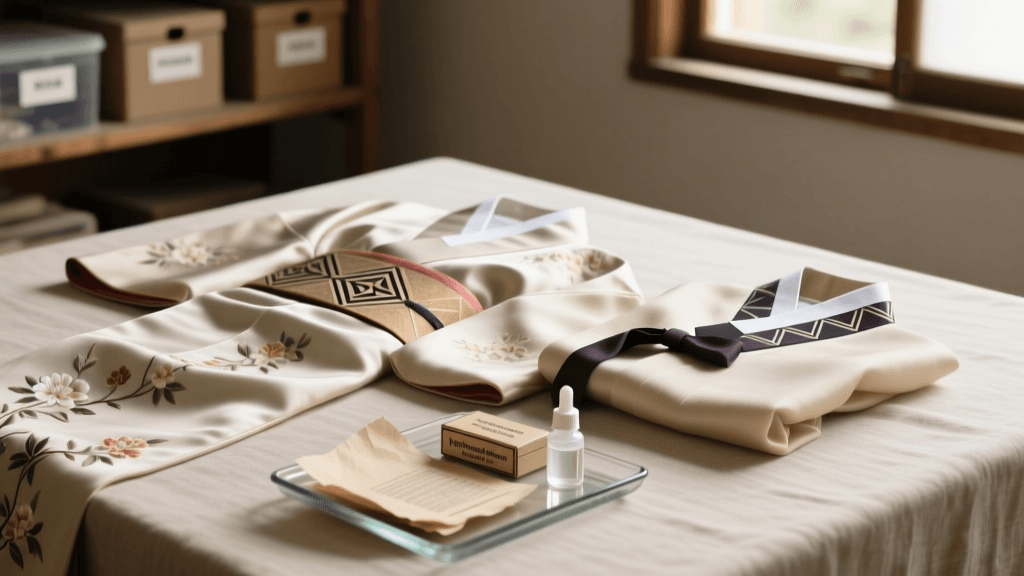
The Delicate Nature of East Asian Silk Textiles
Vintage East Asian garments, particularly Japanese kimonos and Korean hanboks, represent some of the most intricate and historically significant textile arts in the world. However, the very material that gives these garments their luxurious drape and vibrant luster—silk—is inherently vulnerable to the ravages of time. Silk is a natural protein fiber composed primarily of fibroin, which is bound together by a gum-like protein called sericin. As these garments age, the fibroin chains begin to break down due to environmental stressors, leading to a phenomenon known as 'silk shattering' or tensile degradation.
For collectors, curators, and heritage enthusiasts in 2026, preserving these garments requires moving beyond outdated home remedies and embracing modern, conservation-grade methodologies. The intersection of traditional garment care and modern textile science has yielded highly effective, non-destructive protocols for stain removal, structural stabilization, and archival storage. Whether you are caring for a Meiji-era uchikake (wedding kimono) or a mid-century silk chima and jeogori (hanbok skirt and jacket), understanding the precise environmental and chemical needs of antique silk is paramount.
2026 Standards for Enzymatic Stain Removal on Antique Silk
One of the most common issues plaguing vintage silk garments is the presence of historical stains. These can range from oxidized perspiration and cosmetic residues to food spills and environmental soot. In 2026, the textile conservation field has largely moved away from harsh solvents and alkaline detergents, favoring bio-enzymatic cleaners that target specific stain molecules without compromising the delicate silk fibroin or the traditional yuzen and shibori dyes.
Identifying Protein vs. Tannin Stains
Before applying any treatment, it is critical to identify the chemical nature of the stain. Enzymatic cleaners are highly specific; using the wrong enzyme will yield no results and could unnecessarily expose the silk to moisture.
- Protein Stains (Sweat, Blood, Dairy, Sizing): These require a protease-based enzymatic gel. Protease enzymes break down the peptide bonds in proteins, effectively dissolving the stain at a molecular level.
- Carbohydrate Stains (Starch, Food, Sugars): These require an amylase-based cleaner. Vintage hanboks often feature heavy starching on the goreum (ties) and collars, which can yellow and attract pests over time. Amylase safely breaks down these complex sugars.
- Tannin Stains (Tea, Wine, Plant Matter): Enzymes are generally ineffective here. Conservators in 2026 utilize specialized, pH-neutral chelating agents that bind to the metallic ions in tannins, lifting the discoloration without bleaching the surrounding silk.
Safe Application of Conservation-Grade Cleaners
When treating a vintage kimono or hanbok, never submerge the garment in water. Submersion can cause catastrophic dye bleeding and accelerate the degradation of weakened fibers. Instead, utilize a localized micro-cleaning technique:
- Colorfastness Testing: Using a cotton swab dampened with deionized water, gently blot an inconspicuous area, such as the inside of a seam allowance or the lower edge of the okumi (kimono front panel). Check the swab for dye transfer.
- Enzyme Application: Apply a microscopic amount of the appropriate conservation-grade enzymatic gel to a vulcanized rubber sponge or a specialized micro-spatula. Gently tap (do not rub) the gel into the stain.
- Dwell Time and Extraction: Allow the enzyme to dwell for the manufacturer's recommended time (usually 3 to 5 minutes). Extract the dissolved stain and residual enzyme by blotting repeatedly with dry, lint-free conservation blotters.
- Neutralization: Lightly mist the treated area with deionized water and blot dry to halt the enzymatic action. Residual enzymes left in the fiber can eventually begin to digest the silk protein itself.
For authoritative guidelines on handling historic textiles and stain identification, the American Institute for Conservation Wiki remains the gold standard reference for both professionals and advanced collectors.
Climate-Controlled Archival Storage Protocols
Proper storage is the single most effective preservation strategy for antique Asian garments. The environmental parameters established by leading global museums have become increasingly accessible to private collectors in 2026, thanks to the proliferation of affordable, high-precision IoT (Internet of Things) climate monitors and advanced archival materials.
| Environmental Parameter | 2026 Museum Standard | Home Archivist Acceptable Range |
|---|---|---|
| Temperature | 18°C - 20°C (64°F - 68°F) | 15°C - 22°C (59°F - 72°F) |
| Relative Humidity (RH) | 45% - 55% | 40% - 60% |
| Light Exposure (Storage) | 0 Lux (Complete Darkness) | 0 Lux (Complete Darkness) |
| Light Exposure (Display) | < 50 Lux (UV filtered) | < 50 Lux (UV filtered) |
| Air Quality | HEPA & Activated Carbon Filtration | Dust-free, sealed archival enclosures |
Selecting the Right Archival Tissue and Boxes
A critical mistake made by novice collectors is using 'buffered' acid-free tissue paper. Buffered tissue contains an alkaline reserve (usually calcium carbonate) designed to neutralize acids in plant-based fibers like cotton and linen. However, silk is a protein fiber, and alkaline environments will actively degrade it, leading to severe yellowing and embrittlement. You must exclusively use unbuffered, acid-free tissue paper (pH 7.0) for wrapping kimonos and hanboks.
Furthermore, garments should be housed in corrugated polyethylene or polypropylene archival boxes. Avoid standard cardboard or wood-pulp boxes, as they off-gas volatile organic compounds (VOCs) and lignins that will permanently stain and weaken silk fibers over time.
Proper Folding and Rolling Techniques for Long-Term Storage
Gravity and tension are the enemies of antique silk. Storing garments on standard wire or wooden hangers will cause irreversible distortion of the shoulder seams and lead to 'hanger rot,' where the weight of the garment tears the fragile silk at the stress points.
The Kimono Tatami Folding Method
Kimonos are traditionally designed to be folded flat. The tatami folding method distributes the weight evenly and prevents sharp creases. When folding a vintage kimono for long-term storage, pad every fold with rolls of unbuffered archival tissue to prevent hard creases from forming along the sode (sleeves) and eri (collar). Hard creases can eventually cause the silk to split along the fold lines.
The Hanbok Chima Rolling Technique
While the jeogori (jacket) of a hanbok can be gently folded with tissue padding, the voluminous chima (skirt) should never be folded. The dense pleating and heavy hemlines of vintage chimas make them prone to severe creasing and structural stress if folded. Instead, lay the skirt flat, place a sheet of unbuffered tissue over it, and roll it gently around an acid-free, archival-quality honeycomb paper tube. This cylindrical rolling method completely eliminates fold lines and preserves the structural integrity of the pleats. For comprehensive advice on rolling and padding historic garments, consult the Victoria and Albert Museum's textile care guidelines.
Structural Restoration: Re-weaving and Lining Replacement
Beyond surface cleaning, vintage garments often require structural intervention. The linings of both kimonos and hanboks are frequently the first components to fail. In hanboks, the inner lining of the jeogori often degrades due to friction and body oils, while in kimonos, the nagajuban (undergarment) or the lower lining of a haori (jacket) may shatter.
When replacing linings in 2026, conservators advocate for the use of modern, lightweight habotai silk or specialized conservation-grade polyester crepelined fabrics. These materials provide the necessary structural support and breathability without adding excessive weight that could stress the antique outer shell. The new lining should be attached using fine, reversible silk thread and a running stitch, ensuring that the restoration can be safely undone by future conservators if better materials become available.
For areas where the outer silk has shattered or suffered moth damage, traditional kaketsugi (invisible re-weaving) is a highly specialized skill. This involves harvesting threads from a hidden area of the garment (such as the inside of the collar) and painstakingly re-weaving them into the damaged area using a specialized needle and magnification. Due to the extreme tension required, this technique is generally only recommended for small, localized damage on garments with high historical or monetary value.
When to Seek Professional Textile Conservators
While the 2026 advancements in enzymatic cleaners and home archival supplies have empowered collectors to perform basic maintenance, certain scenarios strictly require the intervention of a certified textile conservator. If a garment exhibits active mold growth, severe dye bleeding, extensive silk shattering, or requires wet-cleaning of heavily soiled ceremonial wear, do not attempt DIY restoration. Improper handling in these critical states can result in irreversible loss of the artifact. Always consult a professional affiliated with recognized conservation bodies to ensure the cultural and material integrity of these irreplaceable Asian textiles is preserved for future generations.