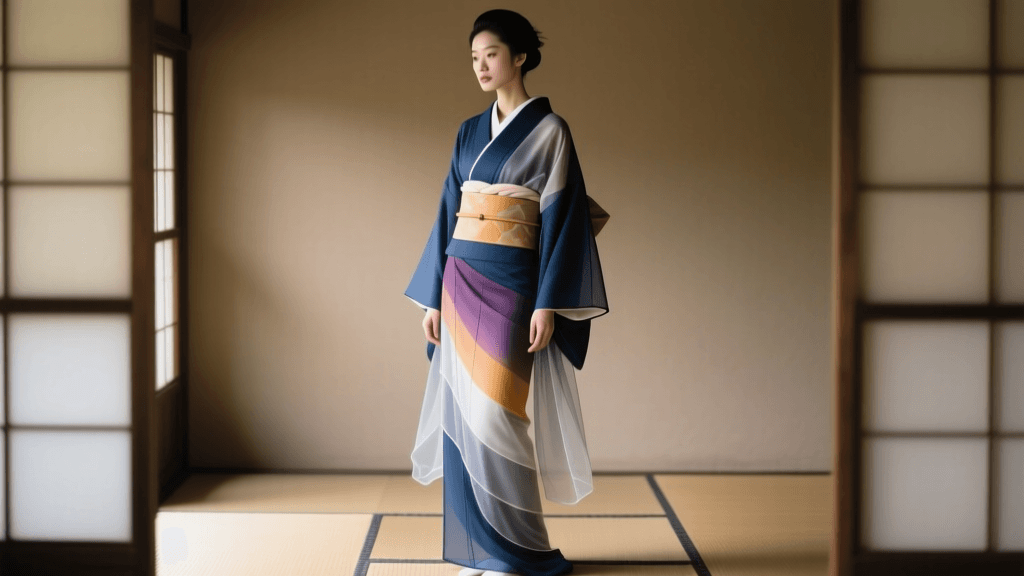
2026 Guide to Preserving Vintage Silk Kimono and Hanbok at Home
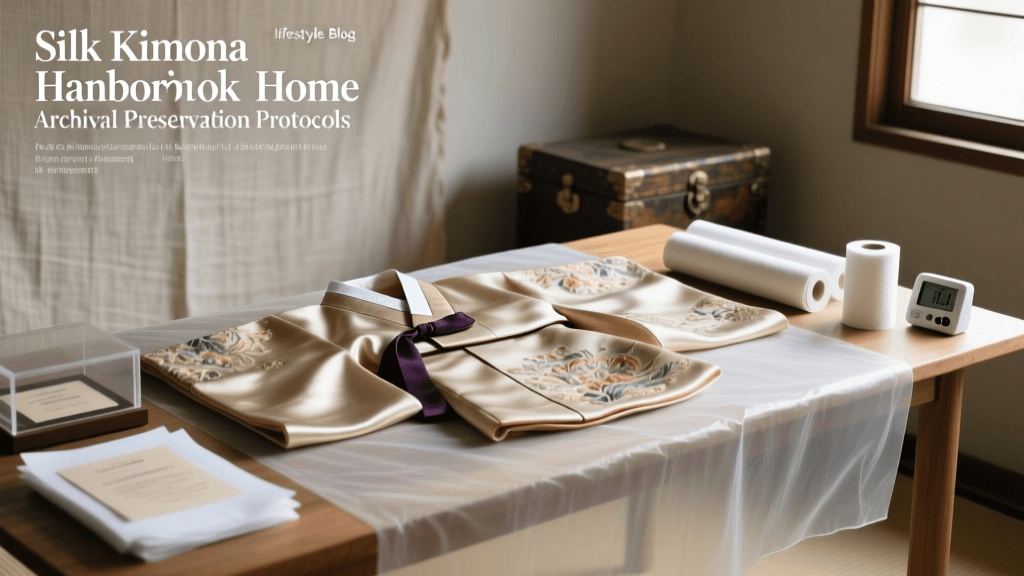
Preserving Asian heritage garments requires a delicate balance between honoring traditional craftsmanship and utilizing modern conservation science. As we navigate through 2026, home archivists and collectors have unprecedented access to museum-grade preservation tools that were once exclusive to institutional laboratories. Whether you are safeguarding a Meiji-era silk kimono or a meticulously embroidered vintage hanbok, understanding the specific vulnerabilities of these garments is the first step toward ensuring they survive for future generations.
The Science of Silk Degradation in Heritage Textiles
Silk is a natural protein fiber composed primarily of fibroin and sericin. While it possesses remarkable tensile strength, it is highly susceptible to environmental stressors. Ultraviolet (UV) radiation, fluctuating humidity, and acidic contaminants from human skin can cause the protein chains to break down, leading to a phenomenon known as 'silk shattering' or 'glass disease.' In vintage garments, this manifests as brittle fabric that tears along fold lines.
According to the Victoria and Albert Museum's textile conservation guidelines, light damage is cumulative and irreversible. The dyes used in traditional Asian garments—ranging from natural indigo and safflower to early 20th-century synthetic aniline dyes—are particularly prone to photodegradation. In 2026, the standard for home display and storage strictly limits lux exposure to 50 or less, utilizing advanced UV-blocking window films and LED lighting with zero UV emission.
'The greatest enemy of historic silk is not time itself, but the compounding effects of light exposure and improper folding. Once the protein structure fractures, no chemical treatment can reverse the damage.' — Textile Conservation Department, Victoria and Albert Museum.
2026 Advances in Surface Cleaning and Stain Mitigation
The era of submerging vintage silk in harsh chemical solvents is over. Modern preservation protocols emphasize dry, mechanical cleaning and localized micro-treatments. Before attempting any stain removal, it is crucial to identify the dye type and the nature of the stain. Water-based stains on water-soluble dyes can cause catastrophic bleeding.
The Hake Brush and Micro-Vacuuming Technique
For routine dust removal, conservators in 2026 rely on the traditional Japanese hake brush, typically made from soft horsehair or goat hair, paired with a HEPA-filtered micro-vacuum. The vacuum nozzle is covered with a fine fiberglass mesh screen to prevent accidental suction of the fragile silk fibers or delicate metallic threads (such as kinran gold brocade).
- Step 1: Lay the garment flat on a clean, acid-free work surface.
- Step 2: Gently sweep the hake brush in one direction to lift particulate matter.
- Step 3: Hover the mesh-covered vacuum nozzle exactly one inch above the fabric to capture the airborne dust.
- Step 4: Avoid brushing directly over cracked metallic threads or peeling paint on hand-painted motifs.
Environmental Monitoring and IoT Integration
Climate control is the cornerstone of textile preservation. In 2026, affordable Internet of Things (IoT) environmental sensors allow home collectors to monitor temperature and relative humidity (RH) in real-time via smartphone applications. Silk garments require a stable environment: ideally 65°F to 68°F (18°C to 20°C) with an RH of 45% to 55%. Fluctuations in humidity cause the fibers to expand and contract, accelerating mechanical fatigue.
Modern smart wardrobes equipped with automated desiccant dehumidifiers and silent Peltier cooling systems have become the gold standard for serious collectors. These units maintain a micro-climate that protects against the mold spores that thrive when RH exceeds 65%, a common issue in humid coastal regions.
Archival Storage: 2026 Material Comparison Chart
Selecting the right storage materials is critical. Standard cardboard boxes and wooden drawers emit volatile organic compounds (VOCs) and acidic off-gassing that will stain and weaken silk over time. Below is a comparison of the leading archival storage solutions available in the 2026 market.
| Storage Material | pH Level | Best Use Case | Avg Cost (2026) |
|---|---|---|---|
| Acid-Free Corrugated Archival Boxes | 7.5 - 8.5 (Buffered) | Long-term flat storage of heavily embroidered kimono | $45 - $85 per box |
| Unbleached, Washed Muslin Covers | 7.0 (Neutral) | Breathable dust covers for garments on padded hangers | $20 - $35 per cover |
| Archival Polyethylene Plastic Bins | N/A (Inert) | Humid environments where moisture ingress is a high risk | $60 - $110 per bin |
| Buffered Acid-Free Tissue Paper | 8.5 (Buffered with Calcium Carbonate) | Padding folds to prevent sharp creases in silk | $15 - $25 per ream |
Note: Never use unbuffered tissue for silk, as buffered tissue helps neutralize acidic compounds that naturally develop as the protein ages.
Pest Management: The Eco-Friendly Approach
Historically, collectors relied on naphthalene mothballs or paradichlorobenzene (PDB) crystals to protect textiles from clothes moths and carpet beetles. Today, these chemicals are widely banned or strongly discouraged due to their toxicity and the fact that their crystalline residue can melt into silk fibers, causing permanent chemical burns.
In 2026, integrated pest management (IPM) for home archives focuses on exclusion and natural deterrents. Pheromone traps are deployed in the corners of storage rooms to monitor for the presence of male webbing clothes moths, acting as an early warning system. For active deterrence, sustainably harvested cedarwood blocks and dried lavender sachets are placed outside the archival boxes. Direct contact between essential oils and silk must be strictly avoided, as the oils can leave permanent lipid stains.
Structural Restoration: When to Call a Professional
While home archivists can manage cleaning and storage, structural damage requires the expertise of a trained textile conservator. If your vintage hanbok features torn seams in the chima (skirt) or if a kimono's obi (sash) is suffering from metallic thread loss, do not attempt to repair it with standard needle and thread. Modern polyester threads are stronger than degraded vintage silk and will act like a saw, cutting through the historic fabric under tension.
The Metropolitan Museum of Art's Textile Conservation department emphasizes that all restoration efforts must be reversible. Professional conservators use specialized, dyed-to-match silk crepeline overlays and conservation-grade adhesives to stabilize shattering areas without altering the garment's original drape or historical integrity. If you notice 'shattering' (a network of fine splits in the silk), immediately cease handling the garment and consult a certified professional.
The Art of the Fold: Tatami and Hanbok Storage Techniques
How you fold a garment dictates its structural longevity. Hanging vintage silk for extended periods is strictly prohibited, as the weight of the fabric will distort the shoulders and cause irreversible stretching, particularly in the bias-cut panels of a kimono.
Traditional Kimono Tatami Folding
The Japanese tatami method is designed to distribute fold stress across the strongest seams of the garment, avoiding direct creasing on delicate painted or embroidered motifs.
- Lay the kimono face down on a clean, padded surface.
- Fold the left front panel back along the center seam.
- Fold the right front panel over the left, aligning the edges.
- Fold the sleeves back so they do not extend beyond the body's width.
- Bring the bottom hem up to the collar, but do not fold exactly in half. Offset the fold by two inches to prevent multiple layers of fabric from creating a single, sharp, damaging crease.
- Wrap the folded kimono in a piece of breathable, unbleached muslin or place it in an acid-free box lined with buffered tissue.
Hanbok Folding and Component Separation
A traditional hanbok consists of multiple distinct pieces, primarily the jeogori (jacket) and the chima (skirt) or baji (trousers). These should never be stored folded tightly together.
- The Jeogori: Due to its short length and curved sleeves, the jeogori is best stored flat. Pad the curved sleeves with rolled, acid-free tissue to maintain their shape and prevent sharp creases at the armpit seams.
- The Chima: The voluminous skirt of a hanbok features extensive pleating or gathering at the waistband. Instead of folding, which crushes the pleats and stresses the gathering threads, the chima should be rolled around an acid-free cardboard tube padded with cotton batting. This preserves the structural integrity of the waistband and keeps the silk smooth.
Conclusion: A Commitment to Cultural Heritage
Preserving vintage silk kimono and hanbok in 2026 is a rewarding endeavor that bridges the gap between historical appreciation and modern science. By abandoning the destructive chemical practices of the past and embracing eco-friendly, climate-controlled, and structurally sound archival protocols, home collectors can ensure these magnificent testaments to Asian artistry remain vibrant and intact. Remember that preservation is an ongoing process; regular environmental monitoring, gentle surface cleaning, and proper folding techniques are the ultimate safeguards for your textile heritage.