2026 Hanfu Fabric Drape & Comfort Analysis: Silk vs Blends
The Evolution of Hanfu Textiles in 2026
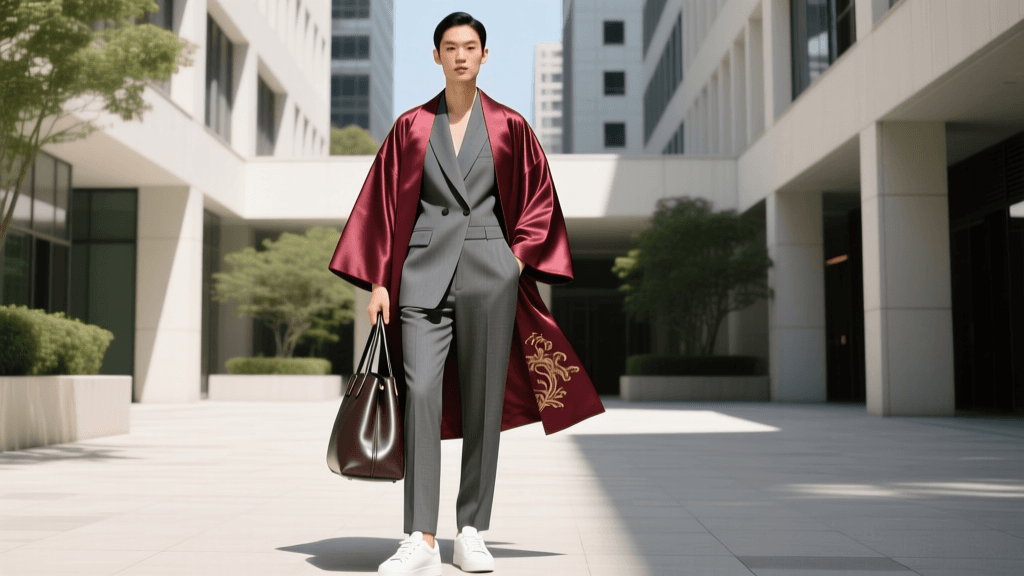
As the global appreciation for traditional Asian garments continues to surge, the Hanfu movement has evolved from a niche historical revival into a mainstream sartorial choice. In 2026, the Xin Zhongshi (new Chinese style) movement has fundamentally shifted how we approach traditional clothing, prioritizing not just historical accuracy, but everyday wearability, comfort, and dynamic fabric drape. For modern enthusiasts and designers alike, understanding the physics of textile flow and skin feel is no longer optional; it is the cornerstone of curating a functional, elegant wardrobe.
Whether you are selecting a flowing Beizi (open-front jacket) for a summer garden party or a structured Mamianqun (horse-face skirt) for winter office wear, the fabric you choose dictates the garment's silhouette, movement, and thermal comfort. This comprehensive 2026 guide breaks down the drape coefficients, breathability, and tactile comfort of traditional silks versus modern sustainable blends, empowering you to make informed textile decisions.
Understanding Fabric Drape: The Physics of Flow
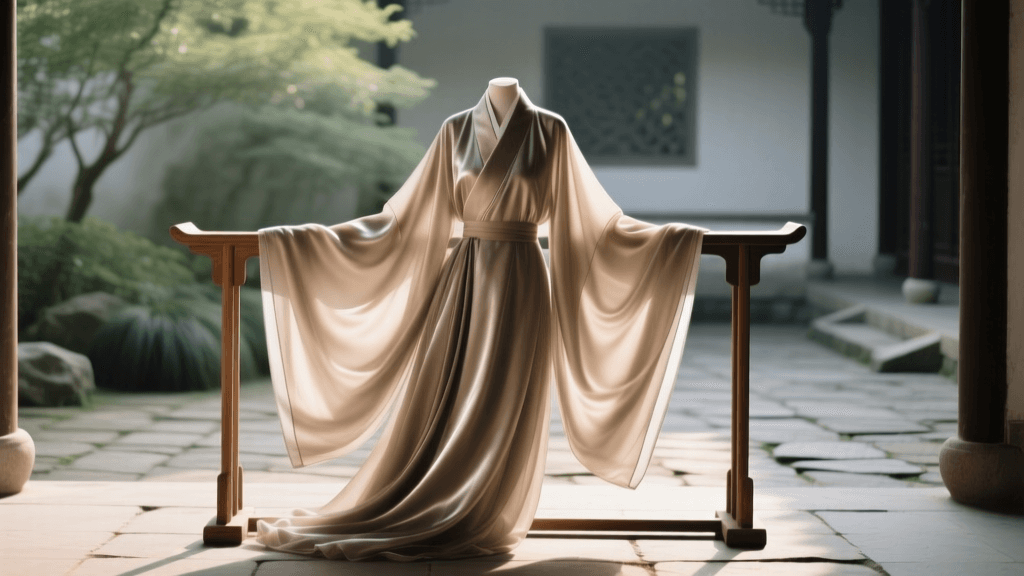
Fabric drape refers to the way a textile folds, hangs, and flows under its own weight. In traditional Han Chinese clothing, drape is not merely an aesthetic choice; it is deeply tied to the philosophical concept of fluidity and harmony with nature. The Metropolitan Museum of Art notes that historical Chinese silk weaving achieved an unparalleled fluidity, allowing garments to move like water around the body, concealing and revealing the wearer's form with every step.
The Drape Coefficient Explained
In modern textile science, drape is measured using the Cusick Drape Tester, which calculates a Drape Coefficient (DC). A lower DC indicates a softer, more fluid fabric that clings and folds easily, while a higher DC indicates a stiffer fabric that holds its shape and projects outward.
- Low DC (Fluid): Ideal for Ruqun (blouse and skirt sets) and Pibo (shawls). Mulberry silk charmeuse and modern cupro-silk blends excel here.
- Medium DC (Balanced): Perfect for Aoqun (lined jackets and skirts) and daily-wear Beizi. Tencel-silk jacquards provide this structural balance.
- High DC (Stiff): Necessary for structured outerwear, formal collars, and maintaining the sharp, knife-edge pleats of a traditional Mamianqun. High-twist crepes and pure ramie are optimal.
Comfort Analysis: Breathability and Skin Feel
While drape dictates the visual poetry of Hanfu, comfort determines its viability for daily wear in 2026. The Xin Zhongshi aesthetic demands that traditional garments integrate seamlessly into modern, climate-controlled environments and active urban lifestyles. This requires a careful analysis of moisture regain, thermal regulation, and tactile friction.
According to the Victoria and Albert Museum, silk has been prized for millennia not just for its luster, but for its unique protein structure that offers natural temperature regulation. However, pure silk can be fragile and difficult to launder. In 2026, textile mills have introduced bio-washed Tencel and Cupro (regenerated cellulose) blends that mimic the amino acid structure of silk, offering superior moisture-wicking properties and machine-washable durability without sacrificing the signature 'water-like' hand feel.
2026 Hanfu Fabric Comparison Chart
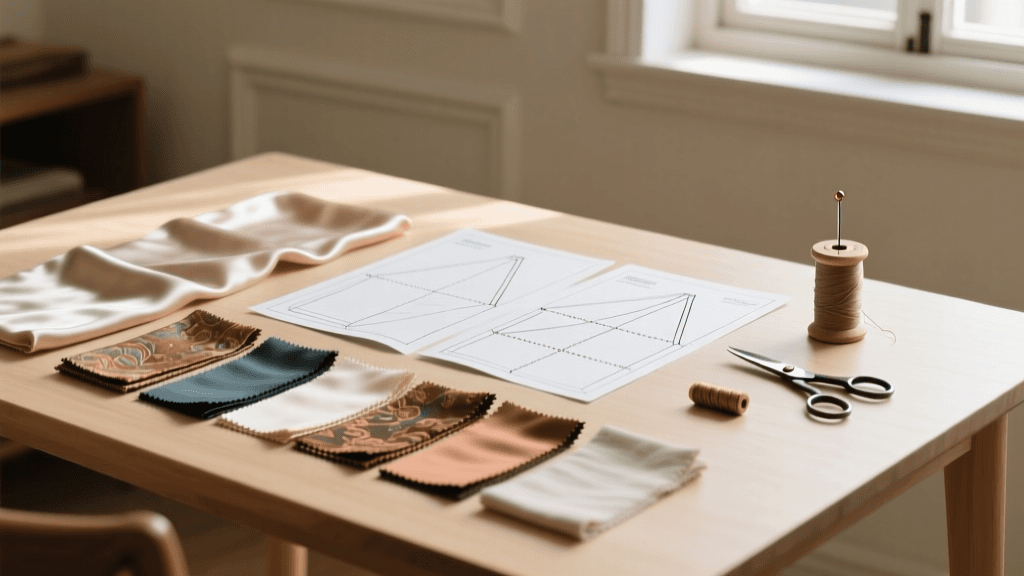
To help you navigate the modern textile market, we have compiled a comprehensive analysis of the most popular Hanfu fabrics available in 2026, factoring in weight, drape, and current market pricing.
| Fabric Type (2026 Standard) | Weight (GSM) | Drape Profile | Breathability | Best Hanfu Application | Avg. Cost / Meter |
|---|---|---|---|---|---|
| 19 Momme Mulberry Silk | 81 GSM | Very High (Fluid) | Excellent | Summer Ruqun, Pibo, Lining | $45 - $60 |
| Silk-Cupro Blend (70/30) | 110 GSM | High (Flowing) | Very Good | Aoqun, Daily Beizi, Sashes | $28 - $35 |
| Tencel-Silk Jacquard | 145 GSM | Medium (Structured) | Good | Winter Pifeng, Outer Skirts | $38 - $45 |
| Pure Ramie (Bio-Softened) | 180 GSM | Low (Stiff/Crisp) | Maximum | Structured Collars, Pleated Mamianqun | $22 - $30 |
Practical Guide: Choosing the Right Fabric for Your Hanfu
Selecting the correct textile requires matching the fabric's physical properties to the specific structural demands of the garment pattern. Here is how to approach your 2026 Hanfu commissions or purchases.
Summer Ruqun and Aoqun Selections
For summer garments that sit close to the skin, prioritize high moisture regain and low GSM. A 16 to 19 momme mulberry silk charmeuse offers a luxurious, cooling sensation against the skin. However, if you are commuting or spending long hours outdoors, the 2026 Silk-Cupro blends are highly recommended. Cupro, derived from cotton linter, provides a silky drape but absorbs moisture much faster than pure silk, preventing the garment from clinging uncomfortably during high humidity.
The Mamianqun Pleat Dilemma
The Mamianqun is defined by its intricate, flat front panels and deep side pleats. The greatest challenge for modern wearers is pleat retention. A fabric with too low a Drape Coefficient (like thin silk) will cause the pleats to puff outward and lose their shape when sitting. For optimal pleat geometry, you need a fabric with high shear stiffness. Look for high-twist polyester-silk crepes or bio-softened ramie blends weighing at least 140 GSM. These fabrics possess the 'memory' required to snap back into place after walking.
Winter Outerwear: Pifeng and Dahu
Winter garments like the Pifeng (cape) and Dahu (sleeveless vest) require volume and architectural presence. Tencel-silk jacquards are the premier choice for 2026. The Tencel provides a heavy, luxurious swing, while the silk adds a subtle, rich luster that catches the light. The medium drape coefficient ensures the collar stands elegantly away from the neck rather than collapsing.
At-Home Drape Testing: The 45-Degree Rule
When sourcing fabrics online or in local textile markets, you can perform a simple at-home test to predict how a fabric will behave in a Hanfu pattern.
- Cut a 30cm x 30cm square of your chosen fabric.
- Hold it by one corner, allowing it to hang freely.
- Observe the bias (diagonal) fold. A high-quality fluid silk will fold tightly upon itself, creating sharp, cascading ripples.
- Next, fold the fabric at a 45-degree angle and press lightly. If the fold springs back immediately, the fabric has high structural integrity (good for pleats and collars). If it remains flattened and limp, it is best suited for flowing sleeves and skirts.
The Xin Zhongshi Influence on Modern Weaves
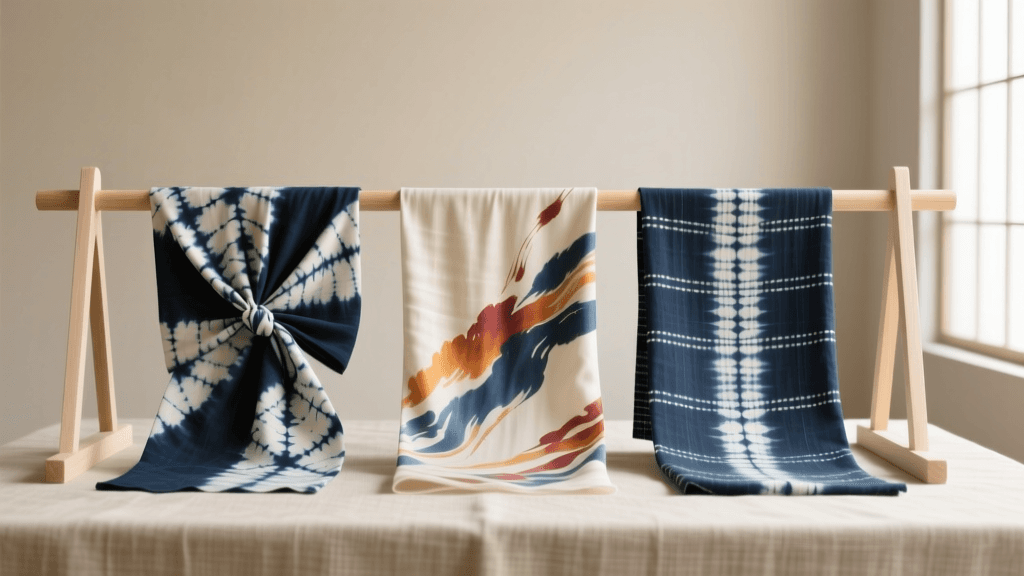
The Xin Zhongshi movement has heavily influenced textile manufacturing in 2026, pushing for sustainability without compromising historical aesthetics. Organizations like the Textile Exchange have highlighted the rise of closed-loop cellulose fibers (like Lyocell and Cupro) being woven with traditional jacquard looms to recreate Ming and Song dynasty motifs. These modern weaves offer the visual depth and historical resonance of antique brocades but are entirely machine-washable, cruelty-free, and significantly more affordable, democratizing access to high-quality Hanfu for a global audience.
Care and Maintenance for Optimal Drape
Even the most expensive 22-momme silk will lose its fluid drape if improperly maintained. The buildup of hard water minerals and harsh alkaline detergents stiffens the silk fibers, raising the Drape Coefficient and making the garment feel brittle.
- Washing: Always use a pH-neutral, enzyme-free detergent specifically formulated for protein fibers. For Silk-Cupro blends, a gentle cold-water machine cycle in a mesh bag is acceptable in 2026, but pure silk should remain hand-washed.
- Drying: Never wring silk. Roll the garment in a microfiber towel to absorb excess moisture, then lay flat or hang on a padded hanger in the shade. UV exposure degrades the fibroin protein, leading to permanent stiffness.
- Steaming: To restore the natural flow and relax the fibers before wearing, use a continuous steam iron held at least two inches away from the fabric. The combination of heat and moisture resets the hydrogen bonds in the textile, returning it to its optimal drape state.
Conclusion
The intersection of historical reverence and modern textile science has made 2026 an exciting year for Hanfu enthusiasts. By understanding the nuances of fabric drape, weight, and breathability, you can curate a wardrobe that honors the profound elegance of Asian traditions while meeting the practical demands of contemporary life. Whether you choose the unparalleled luxury of pure mulberry silk or the innovative resilience of a Xin Zhongshi Cupro blend, the right fabric will ensure your garments move, breathe, and flow in perfect harmony with you.