Best Archival Storage for Silk Kimonos & Hanboks 2026
The Unique Vulnerability of Asian Heritage Silks
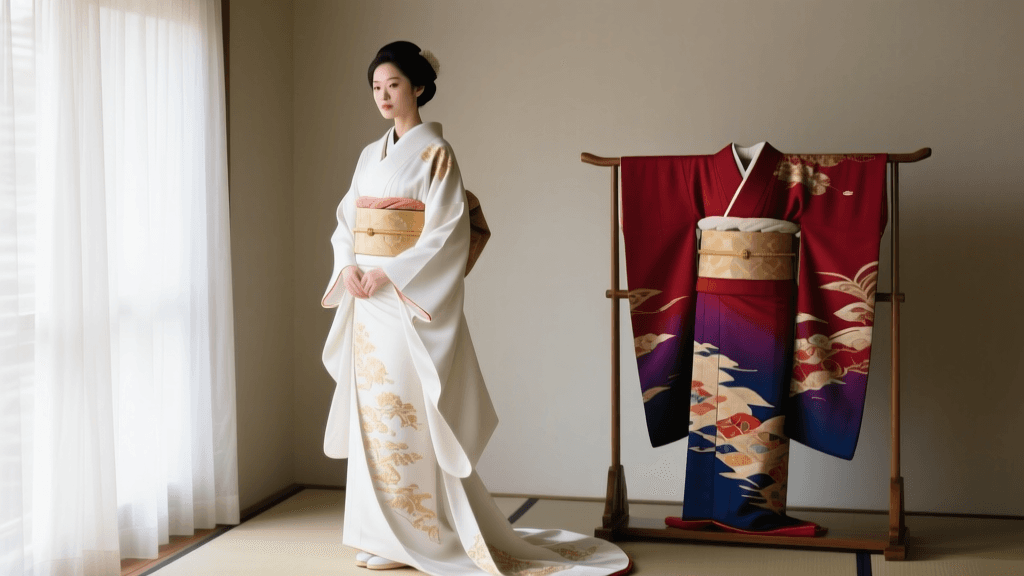
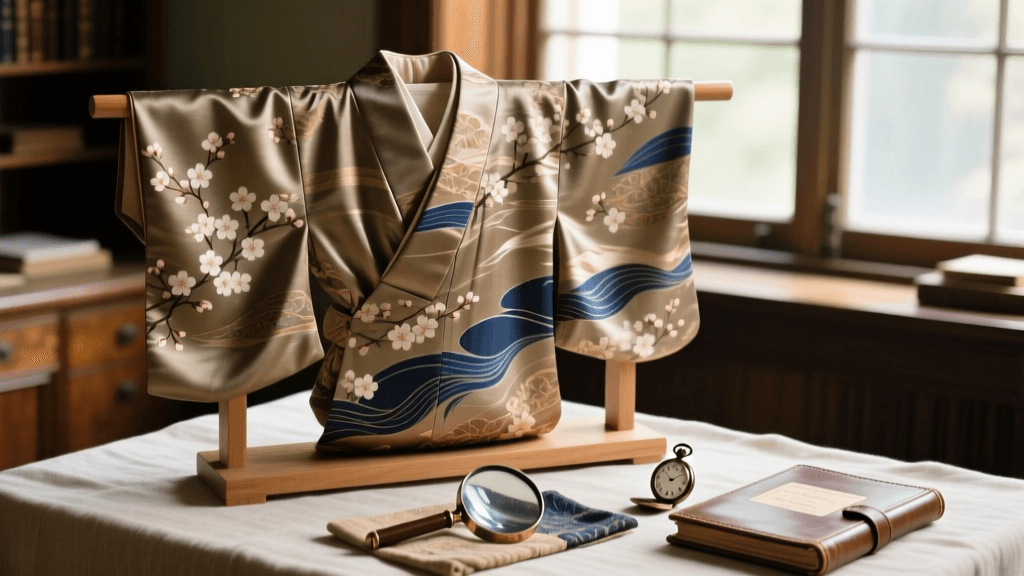
Preserving traditional Asian garments requires a deep understanding of their material composition. Vintage Japanese kimonos and Korean hanboks are frequently crafted from high-grade silk, a natural protein fiber composed of fibroin. While silk is renowned for its tensile strength and luminous sheen, it is inherently vulnerable to environmental stressors, particularly ultraviolet light, fluctuating humidity, and acidic off-gassing. As of 2026, collectors and heritage institutions recognize that standard storage methods—such as cedar chests, plastic garment bags, or cardboard boxes—are actively detrimental to these heirloom pieces. Cedar wood emits natural oils and acidic vapors that can permanently stain and degrade protein fibers, while standard plastic traps moisture and accelerates mold growth. To ensure these cultural artifacts survive for future generations, modern preservationists rely on strict archival protocols that neutralize chemical threats and stabilize the microclimate surrounding the garments.
2026 Climate Control Standards for Heritage Textiles
The cornerstone of any textile preservation strategy is environmental stability. According to the Canadian Conservation Institute's notes on storing textiles, the ideal environment for protein-based fibers like silk is a temperature of 65°F to 68°F (18°C–20°C) with a Relative Humidity (RH) strictly maintained between 45% and 55%. In 2026, smart-home integration has made monitoring these parameters easier than ever. Collectors are increasingly utilizing Wi-Fi-enabled thermo-hygrometers that send real-time smartphone alerts if the RH in a storage room spikes above 60% or drops below 40%. High humidity invites mold blooms and foxing, while low humidity desiccates the silk, making it brittle and prone to shattering along fold lines. For localized climate control inside archival storage boxes, museum-grade 2-way humidity control packs (such as those engineered specifically for textiles at a 45-55% RH threshold) are placed in breathable pouches to buffer the micro-environment without risking direct moisture contact with the fabric.
The Art of the Soft Roll: Archival Folding Techniques
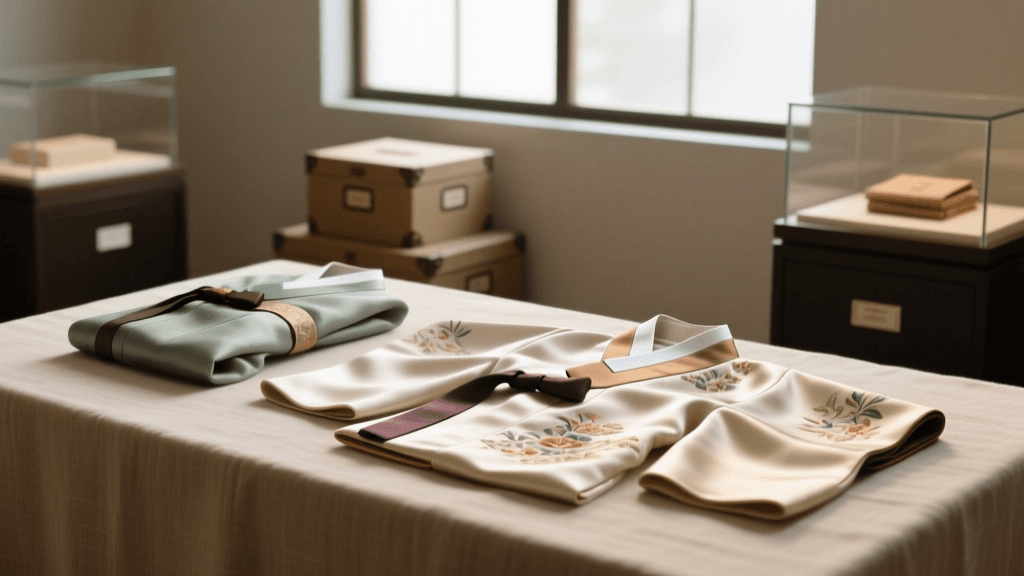
Improper folding is the leading cause of structural damage in vintage kimonos and hanboks. Hard, sharp creases break the delicate silk fibers over time, leading to irreversible tears and 'shattered silk' syndrome. The archival standard is the 'soft roll' or 'sausage' fold, which utilizes acid-free, unbuffered tissue paper to cushion every crease.
Choosing the Right Acid-Free Materials
It is critical to use unbuffered acid-free tissue paper for silk and wool. Buffered tissue contains an alkaline reserve (usually calcium carbonate) designed to neutralize acids in plant-based cellulose fibers like cotton or linen. However, this alkaline buffer will chemically damage protein fibers like silk. Leading archival suppliers like Lineco and Gaylord Archival provide museum-grade unbuffered tissue that is pH-neutral and completely safe for heritage Asian garments.
Step-by-Step Archival Folding
- Step 1: Lay the kimono or hanbok flat on a clean, washed cotton sheet. Ensure your hands are clean and free of lotions, or wear unbleached cotton gloves.
- Step 2: Crumple sheets of unbuffered acid-free tissue paper into loose, tubular 'sausages'.
- Step 3: Place these tissue tubes along the natural fold lines of the garment (such as the sleeves and the body panels).
- Step 4: Gently fold the garment over the tissue tubes. The tissue prevents the silk from folding onto itself sharply, distributing the stress across a wide, curved radius.
- Step 5: Wrap the entire folded garment in a final layer of flat, unbuffered tissue paper or a washed, unbleached muslin cloth before placing it into an archival box.
Protecting Nishijin-ori and Geumbak Metallic Threads
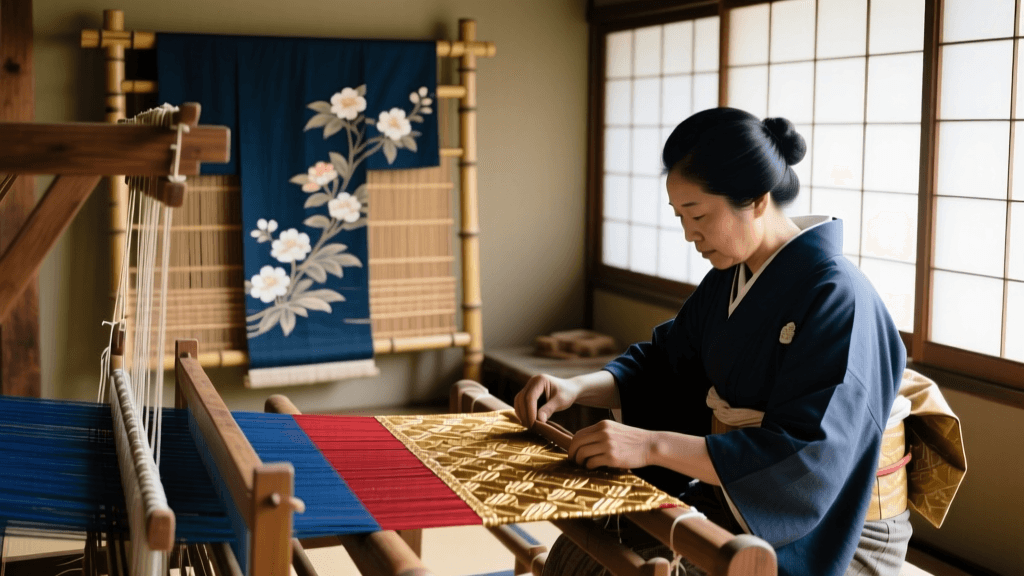
Many formal kimonos feature Nishijin-ori brocade, and traditional Korean hanboks often display Geumbak gold-leaf stamping. These metallic elements are highly susceptible to tarnishing, oxidation, and flaking. Silver threads will quickly blacken when exposed to sulfur compounds in the air, while gold leaf can flake away if subjected to friction. To prevent this in 2026, conservators utilize anti-tarnish technology. Placing 3M Anti-Tarnish strips or Pacific Silvercloth inside the storage box absorbs airborne pollutants and sulfur gases before they can reach the metallic threads. It is vital that these anti-tarnish materials do not touch the garment directly; they should be pinned to the interior walls of the archival box or placed inside small breathable muslin sachets resting on top of the tissue-wrapped garment.
Archival Storage Materials Comparison Chart (2026)
Selecting the correct enclosure is just as important as the folding technique. Below is a comparison of standard storage materials versus their 2026 archival counterparts.
| Material Category | Traditional / Harmful Option | 2026 Archival Standard | Why It Matters |
|---|---|---|---|
| Storage Boxes | Cardboard or Cedar Chests | Coroplast or Blueboard Archival Boxes | Coroplast is an inert, corrugated plastic that does not off-gas or leach acids into the silk. |
| Wrapping Paper | Standard Gift Tissue or Newspaper | Unbuffered Acid-Free Tissue | Prevents acidic yellowing and avoids alkaline damage to protein fibers. |
| Garment Covers | Dry-Cleaning Plastic Bags | Unbleached Muslin or Tyvek Sleeves | Allows the silk to breathe while protecting against dust and light exposure. |
| Pest Control | Naphthalene Mothballs | Pheromone Traps & Freezing Protocols | Mothballs melt into silk and emit toxic fumes; pheromone traps monitor pests safely. |
Combating Pests Without Chemicals
Silverfish and carpet beetles are notorious for eating through protein-based textiles. Historically, collectors relied on naphthalene or paradichlorobenzene mothballs. Today, these chemicals are strictly forbidden in modern conservation. Not only do they pose severe health risks to humans, but they also react with moisture to form acidic compounds that burn silk, and the crystals can melt into the fabric, leaving permanent, greasy stains. In 2026, integrated pest management (IPM) is the standard. Collectors use sticky pheromone traps around the perimeter of the storage area to monitor for insect activity. If an infestation is suspected, the safest eradication method is anoxic treatment or controlled freezing. The garment is sealed in a polyethylene bag and placed in a deep freezer at -20°C for at least 72 hours, which safely eliminates all life stages of textile pests without the use of harsh chemicals.
Dealing with Foxing and Age-Related Yellowing
Foxing appears as small, rusty-brown spots on vintage silk and is typically caused by a combination of fungal growth and metallic impurities in the water used during the original manufacturing or washing process. The Victoria and Albert Museum's textile conservation guidelines strongly advise against attempting DIY stain removal or bleaching on heritage Asian garments. Commercial spot cleaners and ultraviolet light treatments will weaken the silk fibroin and cause localized shattering. If a vintage kimono or hanbok exhibits severe foxing, the only safe recourse is to consult a certified textile conservator who can perform localized, microscopic treatments using specialized enzymatic solutions and deionized water. For minor yellowing, simply moving the garment to a strictly controlled, dark, and dry archival environment will halt the progression of the damage.
Conclusion
Preserving the intricate beauty of Asian traditional garments is a meticulous but deeply rewarding endeavor. By upgrading to 2026 archival standards—utilizing unbuffered tissue, Coroplast enclosures, smart hygrometers, and anti-tarnish technology—collectors can ensure that the rich cultural narratives woven into every silk kimono and hanbok remain vibrant and intact for centuries to come.