Preserving Vintage Silk Kimonos & Hanboks: 2026 Archival Care Guide
The Imperative of Preserving Asian Silk Heritage
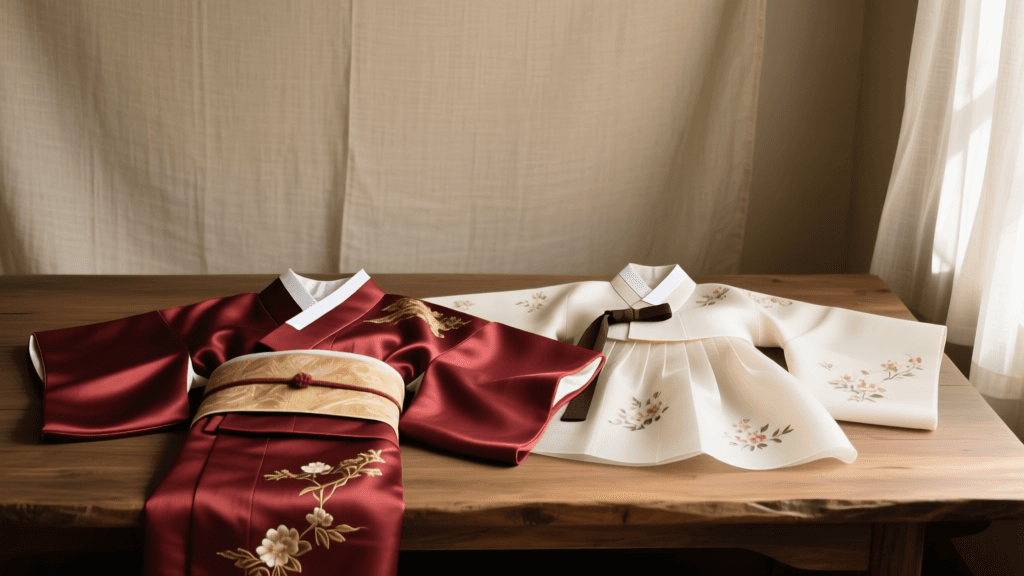
Asian traditional garments, particularly vintage silk kimonos from Japan and intricately embroidered silk hanboks from Korea, represent profound cultural heritage and exceptional artisanal craftsmanship. As we navigate the preservation landscape in 2026, collectors, museum curators, and heritage enthusiasts face escalating challenges regarding textile degradation. Climate fluctuations, urban pollution, and evolving pest behaviors demand a rigorous, science-backed approach to garment care. Preserving these masterpieces is no longer just about keeping them in a cedar chest; it requires a comprehensive understanding of protein fiber chemistry, archival microenvironments, and advanced integrated pest management (IPM).
The Science of Silk Degradation
To properly care for vintage silk, one must first understand its vulnerabilities. Silk is a natural protein fiber composed primarily of fibroin, bound together by sericin. Unlike plant-based cellulose fibers such as cotton or linen, protein fibers are highly sensitive to alkaline environments, excessive moisture, and photo-oxidation. When exposed to ultraviolet (UV) light, the molecular chains of silk fibroin break down, leading to irreversible embrittlement, yellowing, and a phenomenon known as 'shattering,' where the fabric literally crumbles under its own weight.
Furthermore, silk is highly hygroscopic. It readily absorbs and releases moisture from the surrounding air. In 2026, conservation scientists emphasize that fluctuating humidity is far more destructive than a static, slightly sub-optimal humidity level. Rapid expansion and contraction of the silk fibers cause mechanical stress at the weave intersections, accelerating the wear of metallic threads often found in ceremonial kimonos and bridal hanboks.
Archival Storage: Selecting the Right Enclosures
The foundation of any preservation strategy is the physical enclosure. The days of storing heirloom garments in standard cardboard boxes or plastic dry-cleaning bags are long gone. Standard cardboard is highly acidic and will transfer lignins and acids to the silk, causing severe staining and fiber degradation. Similarly, standard polyethylene or PVC plastics can off-gas plasticizers and trap moisture, creating a microenvironment ripe for mold growth.
The Critical Distinction: Unbuffered vs. Buffered Tissue
One of the most common mistakes made by amateur collectors is using the wrong type of archival tissue paper. Archival tissue generally comes in two forms: buffered (alkaline, usually with a pH of 8.5) and unbuffered (neutral, pH 7.0). While buffered tissue is excellent for cotton and linen because the alkaline reserve neutralizes environmental acids, it is highly detrimental to protein fibers like silk and wool. The alkalinity can break down the amino acids in silk. Therefore, when wrapping a vintage kimono or a silk hanbok jeogori (jacket), you must exclusively use unbuffered, acid-free, neutral-pH tissue paper. Leading suppliers such as Gaylord Archival and Hollinger Metal Edge continue to dominate the 2026 market with museum-grade unbuffered tissue specifically formulated for protein textiles.
Folding vs. Rolling Techniques
The physical manipulation of the garment during storage is equally critical. The goal is to minimize hard creases, which can lead to permanent fiber breakage over time.
- Kimono Folding (Tatou): Japanese kimonos are traditionally designed to be folded into a neat, flat rectangle known as tatou. When storing a kimono, follow the traditional fold lines to respect the garment's structure. Place crumpled rolls of unbuffered tissue paper inside the folds to create gentle, rounded curves rather than sharp creases. Wrap the folded kimono in a clean, washed, undyed cotton cloth or specialized archival tatou-shi (wrapping paper) before placing it in an acid-free drop-front archival box.
- Hanbok Rolling: While the jeogori can be gently folded, the voluminous, heavily pleated chima (skirt) of a hanbok requires a different approach. Sharp folds will ruin the permanent pleats and stress the silk. In 2026, the standard practice for hanbok skirts is rolling. Lay the skirt flat, interleave it with unbuffered tissue, and gently roll it around an acid-free, archival-grade honeycomb cardboard tube. Wrap the rolled tube in unbleached muslin or Tyvek to protect against dust and light.
Climate Control and Microenvironments
According to the latest guidelines from the Canadian Conservation Institute, the ideal storage environment for silk textiles requires a stable temperature between 65°F and 68°F (18°C - 20°C) and a relative humidity (RH) maintained strictly between 45% and 55%. Temperatures above 75°F accelerate chemical degradation, while RH above 60% invites mold and pest infestations.
For private collectors who cannot afford climate-controlled vaults, creating a localized microenvironment is the best 2026 solution. This involves sealing the archival box inside a secondary barrier, such as a Marvelseal or Escal barrier film bag, along with conditioned silica gel cassettes. By pre-conditioning the silica gel to 50% RH, the microenvironment will buffer the garment against external humidity spikes, providing museum-level protection at a fraction of the cost.
Integrated Pest Management (IPM) for Silk Garments
Webbing clothes moths (Tineola bisselliella) and carpet beetles (Anthrenus species) are the natural enemies of silk. Historically, collectors relied on mothballs containing naphthalene or paradichlorobenzene. In 2026, these chemicals are universally condemned by conservationists. Not only are they highly toxic to humans, but their off-gassing can actually alter the chemical structure of silk dyes and degrade metallic embroidery threads.
Modern preservation relies on Integrated Pest Management (IPM), a strategy heavily promoted by the MuseumPests.net working group. IPM focuses on prevention, monitoring, and non-chemical eradication.
2026 Pest Control Methods Comparison
| Method | Mechanism | Safety for Silk | 2026 Recommendation |
|---|---|---|---|
| Traditional Mothballs | Chemical fumigation (Naphthalene/PDB) | Poor (Toxic, alters dyes) | Avoid Completely |
| Pheromone Traps | Attracts and traps male moths | Excellent (No chemical contact) | Highly Recommended for monitoring |
| Anoxic Treatment | Oxygen deprivation using scavengers | Excellent (Inert environment) | Highly Recommended for active infestations |
| Deep Freezing | Thermal shock (-20°C for 72 hours) | Moderate (Risk of condensation) | Use with caution; requires strict moisture barriers |
| Cedarwood / Lavender | Mild natural repellent | Good (If not touching fabric) | Acceptable for secondary deterrence only |
Implementing Anoxic Treatment
If you suspect an active infestation in a vintage kimono, the safest and most effective eradication method in 2026 is anoxic (oxygen-free) treatment. The garment is sealed in a specialized oxygen-barrier film (such as Escal) along with an oxygen scavenger like Ageless ZPT. The scavenger reduces the oxygen level inside the sealed envelope to below 0.1%, effectively suffocating eggs, larvae, and adult insects within 14 to 21 days without exposing the delicate silk to extreme temperatures or harsh chemicals.
Professional Restoration: When to Seek Expert Help
While archival storage and pest prevention are tasks a dedicated collector can manage at home, active restoration should always be left to professionals. If a vintage silk kimono has suffered from shattering, severe water staining, or structural tearing, DIY repairs using modern synthetic threads or commercial adhesives will cause irreversible damage.
In Japan, the traditional art of arai-hari remains the gold standard for kimono restoration. This meticulous process involves completely unpicking the garment's seams, washing the individual flat panels using specialized rice-bran or mild plant-based detergents, and re-stretching them on wooden boards to dry. This not only cleans the silk but also restores its original tension and luster. For Korean hanboks, specialized textile conservators utilize localized humidification and micro-suction techniques to lift stains from delicate silk chima without disturbing the permanent pleats. Always consult a certified textile conservator who adheres to the ethical guidelines of the American Institute for Conservation (AIC) before attempting to wash or iron any vintage Asian silk garment.
Conclusion: A Stewardship for the Future
Preserving vintage silk kimonos and hanboks is an act of cultural stewardship. By adopting the 2026 standards for archival storage—utilizing unbuffered tissues, respecting traditional folding and rolling mechanics, maintaining strict microclimates, and employing non-toxic integrated pest management—you ensure that these breathtaking examples of Asian sartorial heritage will survive to educate and inspire future generations. The investment in proper archival materials today is the ultimate safeguard against the ravages of time.