Top Wasai Kimono Sewing Workshops 2026: In-Person & Online
The Renaissance of Wasai: Traditional Japanese Sewing in 2026
As the global slow fashion movement reaches its zenith in 2026, the ancient art of Wasai (traditional Japanese sewing) is experiencing an unprecedented renaissance. Unlike Western tailoring, which relies on complex curved patterns and extensive fabric cutting, Wasai is rooted in a philosophy of zero waste and geometric harmony. Garments are constructed from straight lines, utilizing the entirety of a standard fabric bolt known as a tanmono. For enthusiasts, fashion students, and aspiring artisans, learning this meticulous craft through specialized workshops and seminars has never been more accessible or technologically advanced.
According to data highlighted by Japan's Ministry of Economy, Trade and Industry (METI), government-backed initiatives to preserve traditional crafts have led to a 35% increase in international enrollments for artisan-led textile seminars in 2026. Whether you are looking to immerse yourself in the historic weaving districts of Kyoto or join a high-definition virtual masterclass from your home studio, this guide covers everything you need to know about learning traditional Japanese garment making this year.
The Philosophy of Zero-Waste Geometry
Before enrolling in a workshop, it is vital to understand the foundational philosophy of Wasai. A traditional kimono is made from a single bolt of fabric, typically measuring about 36 centimeters in width and 11 to 12 meters in length. The fabric is cut into straight rectangular panels and sewn together using specific running stitches and blind hems. Because the fabric is never cut on a curve, the garment can be entirely disassembled, washed, re-dyed, and resewn. This modularity is a cornerstone of sustainable fashion, and as noted by the Victoria and Albert Museum's comprehensive guide to Kimono, this historical approach to garment construction is heavily influencing modern sustainable design curriculums worldwide in 2026.
In-Person Seminars: Immersive Learning in Kyoto and Tokyo
For those who can travel to Japan, in-person workshops offer an unparalleled sensory experience. In 2026, Kyoto remains the epicenter of traditional garment education, particularly in the Nishijin weaving district and the Higashiyama artisan quarters.
Kyoto Artisan Immersion Programs
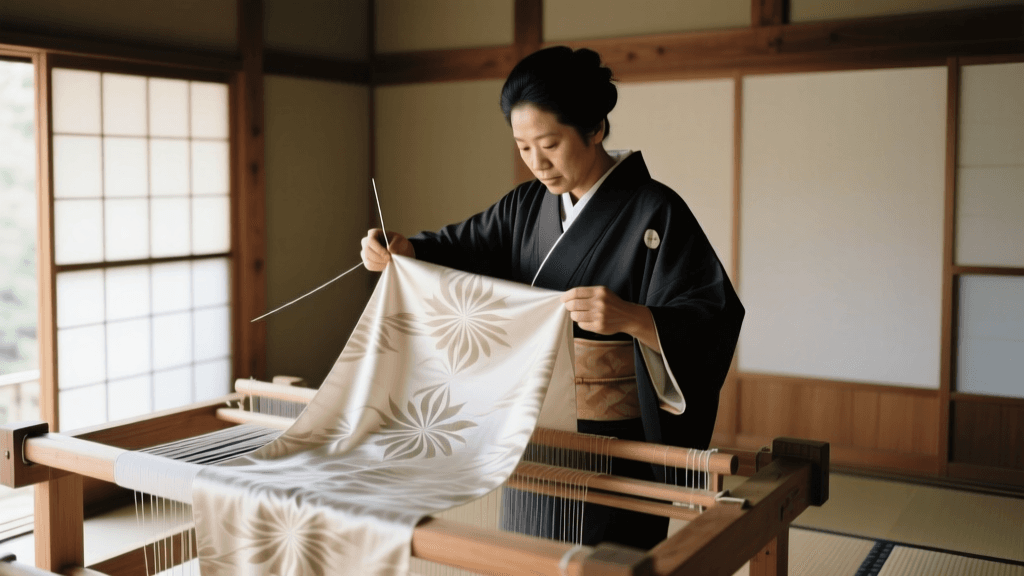
The most sought-after in-person seminars are the 4-week intensive Hitoe (unlined kimono) and Awase (lined kimono) construction courses. These workshops are typically hosted in renovated machiya (traditional wooden townhouses), providing an authentic atmosphere. Students learn not only sewing but also yudashi (steam stretching of the fabric) and kuke (blind stitching). Tuition for these intensive 2026 cohorts averages ¥280,000 (approximately $1,900 USD), which includes all materials, tool rentals, and daily matcha ceremonies that teach the meditative pacing required for Wasai.
Tokyo Modern-Traditional Hybrid Workshops
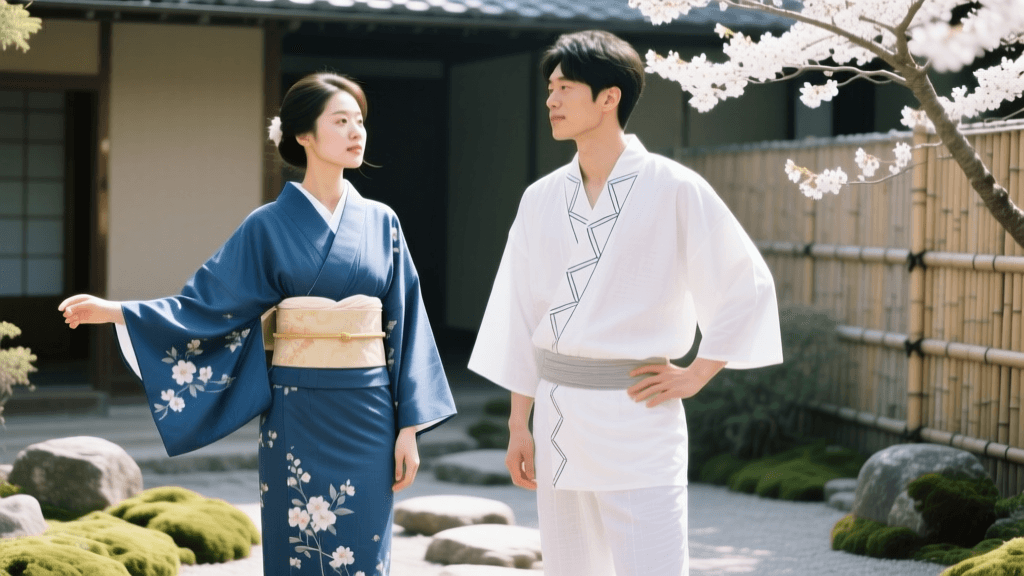
Tokyo offers a slightly different approach, blending historical techniques with modern ergonomic sewing environments. Institutions near the Bunka Fashion College district frequently host weekend seminars tailored for working professionals. These 2026 weekend intensives focus on creating Haori (traditional jackets) and Jinbei (casual summer wear), making them excellent entry points for beginners who want to complete a wearable garment in just three days.
Premier Online Masterclasses: Global Access to Artisan Techniques
If traveling to Japan is not feasible, the landscape of online education has evolved dramatically. In 2026, online Wasai masterclasses utilize 4K multi-angle camera setups, allowing students to see the exact tension and needle placement of kuke blind stitching from overhead and microscopic side angles.
- Live Interactive Cohorts: Platforms specializing in Asian heritage crafts now offer live, bi-weekly Zoom seminars where instructors critique your stitch length and fabric alignment in real-time. These 12-week courses cost between $450 and $600 USD.
- On-Demand Video Libraries: For self-paced learners, comprehensive video libraries break down the construction of the Nagajuban (under-kimono) and Yukata into micro-lessons. Subscriptions typically run $25 per month, granting access to digital pattern drafting templates optimized for home printers.
Essential Wasai Tool Kit for 2026
Whether you are attending a seminar in Kyoto or learning from your living room, you will need a specific set of tools. Western sewing kits are insufficient for Wasai, as the needles and measuring instruments are uniquely calibrated for silk and straight-line geometry. Below is a comparison of the essential tools required for your first workshop.
| Tool Name | Function | Traditional Material | 2026 Modern Alternative | Estimated Cost |
|---|---|---|---|---|
| Misuya Hari | Hand-sewing needles | Tempered steel, paper-wrapped | Nickel-plated carbon steel | $15 - $40 |
| Kukebari | Sewing board / tension weight | Polished cedar wood | Weighted silicone sewing mats | $30 - $85 |
| Takejaku | Measuring ruler | Bamboo (Shaku measurements) | Clear acrylic metric grids | $10 - $25 |
| Chakoboshi | Fabric marking pen | Water-soluble ink brush | Frixion heat-erasable pens | $5 - $12 |
| Kotedai | Sleeve ironing board | Cotton-stuffed wooden cylinder | Inflatable sleeve boards | $20 - $45 |
Many in-person workshops in Japan include these tools in their tuition fee, but online students will need to source them. Specialized exporters based in Osaka now offer global shipping for authentic Misuya Hari needles, which are prized for their ability to glide through tightly woven silk crepe without snagging.
Sourcing Authentic Tanmono Fabrics
A crucial component of any Wasai workshop is the fabric. You cannot learn traditional kimono sewing using standard 150cm wide Western fabric bolts. You must practice on a tanmono (approx. 36cm wide). In 2026, sourcing authentic silk chirimen (crepe) or cotton kasuri (ikat) has become easier thanks to digital cooperatives formed by regional weavers.
According to the Japan National Tourism Organization (JNTO), regional craft cooperatives in regions like Tokamaki and Kurume have launched direct-to-consumer English portals, allowing international students to purchase uncut, undyed, or pre-dyed tanmono bolts directly from the loom. Expect to pay between $120 and $350 USD for a standard silk bolt, while high-end yuzen dyed silk can exceed $1,500 USD. For workshop practice, instructors highly recommend starting with a cotton kasuri bolt, as the textured weave hides minor stitch irregularities and is much more forgiving for beginners learning to manage fabric tension.
Curriculum Expectations and Certification
Most comprehensive Wasai workshops follow a strict pedagogical progression. You will not begin by sewing a formal lined kimono. The standard 2026 curriculum unfolds as follows:
- Month 1: The Yukata. Students learn basic running stitches (namisui), backstitching (kaeshinui), and how to fold and sew the iconic overlapping collar (eri).
- Month 2: The Hitoe. Introduction to unlined silk garments. Students master the kuke blind hem, a vital skill where the stitching must be completely invisible from the exterior of the garment.
- Month 3: The Awase. The pinnacle of the beginner curriculum. Students learn to attach a silk lining, requiring precise management of two different fabric tensions to ensure the garment drapes flawlessly without puckering.
Upon completion, many Kyoto-based academies offer a Kitsuke and Wasai certification recognized by traditional arts societies in Japan. While this certification is largely ceremonial for international students, it serves as a profound testament to your dedication to preserving Asian textile heritage. Whether you choose the immersive streets of Kyoto or a high-definition virtual classroom, mastering Wasai in 2026 offers a deeply rewarding connection to the sustainable, zero-waste roots of Asian garment traditions.