Kimono on Global Runways: 2026 Fashion Week Trends
The Global Sartorial Renaissance of the Kimono
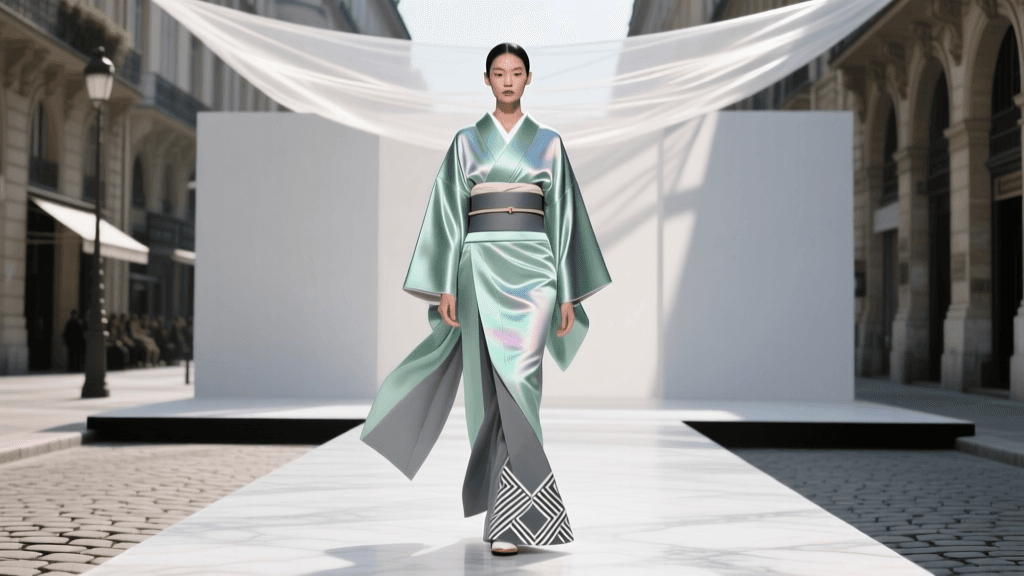
The global fashion landscape in 2026 is defined by a profound respect for heritage garments, and no piece exemplifies this more than the Japanese kimono. Once relegated to niche cultural exhibitions or stereotypical costume interpretations, the kimono has firmly claimed its space on the global runways of Paris, Milan, and New York. During the Spring/Summer 2026 Fashion Weeks, avant-garde designers and legacy luxury houses alike presented collections that deconstructed, reimagined, and elevated the traditional T-shaped silhouette. This is not merely a fleeting trend; it is a sartorial renaissance that bridges centuries of Japanese artisanal mastery with modern luxury.
As the fashion industry grapples with strict 2026 sustainability mandates and a consumer demand for zero-waste design, the kimono’s traditional flat-pattern cutting method has become a blueprint for the future of haute couture. By utilizing straight lines and avoiding curved seams, the traditional kimono produces virtually no textile waste. This historical efficiency is now being celebrated on international runways as the ultimate intersection of heritage and eco-conscious luxury.
The Structural Evolution of the T-Shape
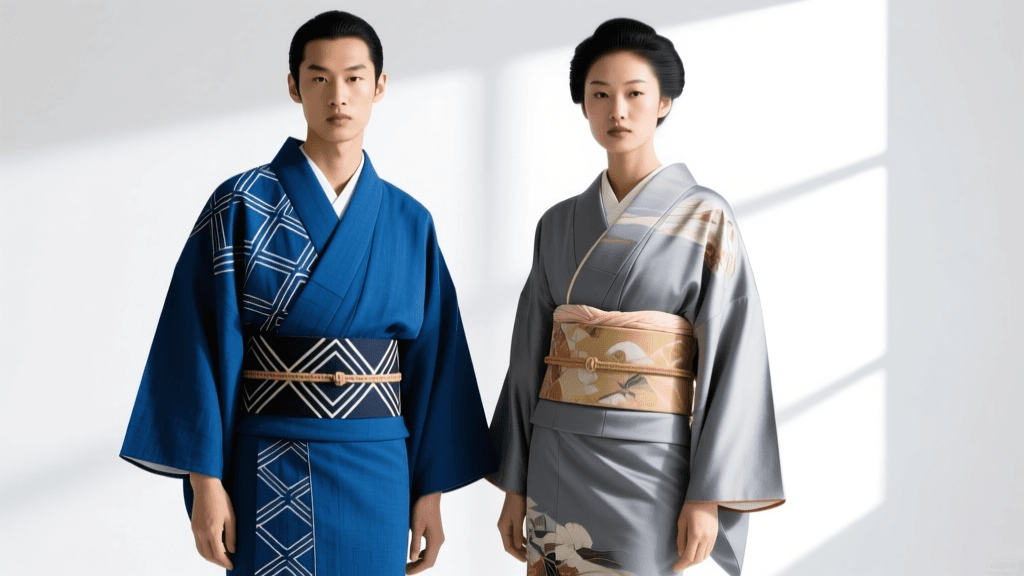
In 2026, the runway kimono is no longer about mimicking a historical garment; it is about extracting its architectural brilliance. Designers are focusing on the structural drape of the silk, the volume of the sleeves, and the cinching of the waist. The haori (a traditional kimono jacket) has emerged as the definitive alternative to the tailored blazer in high-end streetwear and runway crossover collections. Characterized by its open front and straight silhouette, the 2026 haori is being crafted in unexpected materials, from recycled tech-organza to heavy, structured vegan leathers, providing a dramatic, gender-fluid layering piece that commands attention.
Furthermore, the furisode—known for its long, swinging sleeves—has been adapted into modular outerwear. Runway models in Milan were seen wearing coats with detachable dramatic cuffs, allowing the wearer to transition from avant-garde evening wear to practical daytime tailoring. This modularity speaks directly to the 2026 consumer’s desire for versatile, multi-functional luxury garments.
2026 Runway Adaptations: A Comparative Analysis
To understand how international fashion houses are translating traditional Japanese clothing for the modern wardrobe, we must look at the specific adaptations seen on the Spring/Summer and Autumn/Winter 2026 runways. Below is a breakdown of how heritage elements are being reimagined.
| Traditional Element | 2026 Runway Adaptation | Material & Technique Shift |
|---|---|---|
| Obi Sash | Corset-Obi Hybrid Belt | Upcycled Brocade / Vegan Leather Boning |
| Haori Jacket | Oversized Duster Coat | Tech-Silk / Recycled Organza |
| Furisode Sleeves | Detachable Dramatic Cuffs | Modular Silk Crepe / Snap-Fasteners |
| Tabi Footwear | Split-Toe Ankle Boots | Sustainable Mushroom Leather (Mylo) |
| Yuzen Dyeing | Digital Eco-Printing | Waterless Dye Technology / Algae Inks |
Textile Provenance: Nishijin-ori Meets Sustainable Tech
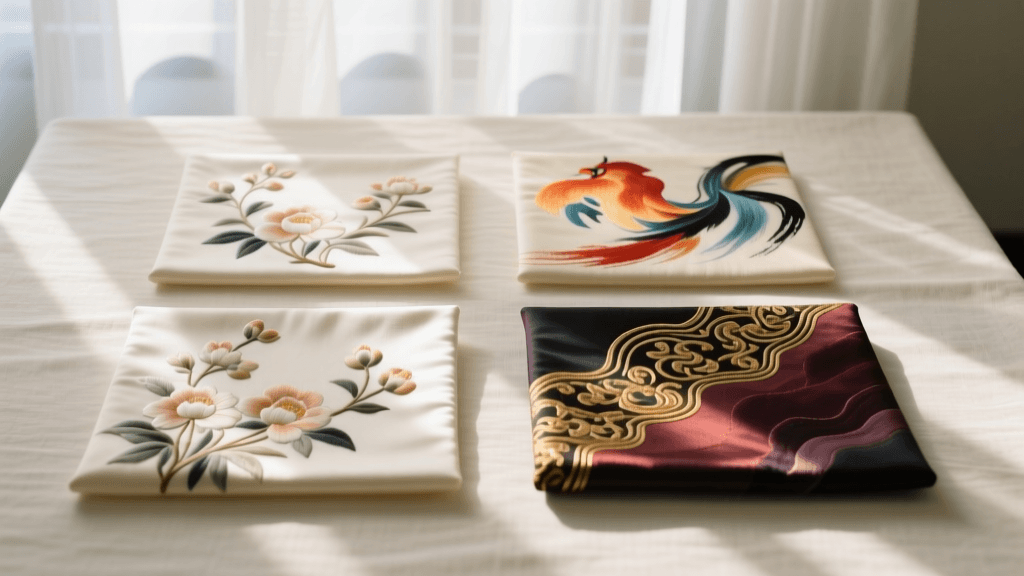
True luxury in 2026 is defined by provenance and artisanal collaboration. European fashion houses are moving away from superficial模仿 (imitation) and are instead partnering directly with Kyoto’s legendary Nishijin-ori weavers. This centuries-old weaving technique, known for its intricate, multi-colored brocade patterns, is being integrated into modern runway pieces as statement panels, obi-corsets, and structured handbags.
According to historical archives documented by the Metropolitan Museum of Art, the kimono's brilliance lies in its surface design and the meticulous creation of its textiles. In 2026, this surface design is being preserved through sustainable innovation. Artisans are combining traditional gold and silver leaf threading with biodegradable, lab-grown silk alternatives, ensuring that the opulence of the Nishijin-ori technique survives the climate challenges of the 21st century without relying on environmentally taxing sericulture.
Navigating Cultural Appreciation in High Fashion
The conversation surrounding cultural appropriation versus appreciation has matured significantly by 2026. The global fashion industry now recognizes that borrowing from traditional cultures requires deep respect, proper attribution, and, ideally, direct collaboration with the culture's artisans. The Victoria and Albert Museum has extensively documented the kimono's global journey since the 17th century, highlighting how it has always been a dynamic garment that influences and is influenced by global trade. However, the modern runway demands ethical engagement.
As noted in comprehensive industry analyses by the Business of Fashion, contemporary brands are tackling cultural appropriation by ensuring that traditional motifs are not treated as mere exotic prints. Instead, 2026 collections credit specific Japanese dyeing cooperatives, share profits with heritage preservation societies, and avoid stereotypical 'geisha' or 'samurai' tropes in their styling and show notes. This shift has transformed the kimono from a costume of the East into a respected, collaborative pillar of global haute couture.
Actionable Styling: Integrating Runway Kimono Elements
You do not need to attend Paris Fashion Week to incorporate these 2026 kimono-inspired trends into your personal wardrobe. The key to styling these pieces is juxtaposition—pairing the fluid, historical lines of Japanese garments with sharp, modern tailoring. Here are three actionable ways to style kimono elements this year:
- The Haori over Monochromatic Tailoring: Swap your standard wool blazer for a mid-thigh length silk or tech-fabric haori. Wear it over a crisp, monochromatic crew-neck sweater and tailored wide-leg trousers. The open front of the haori creates a long, vertical line that elongates the silhouette, while the wide sleeves add a touch of runway drama to office-appropriate attire.
- The Corset-Obi Belt: The traditional obi is approximately 12 inches (30 cm) wide and requires complex tying techniques. The 2026 runway alternative is the structured corset-obi. Cinch an oversized, flowing trench coat or a minimalist slip dress with a wide, brocade corset belt. This defines the waist and introduces a striking textural contrast to the outfit.
- Split-Toe Footwear (Tabi): The tabi silhouette has fully permeated mainstream luxury footwear. In 2026, opt for split-toe leather ankle boots or sustainable mushroom-leather loafers. They pair exceptionally well with cropped, wide-leg denim or tailored culottes, allowing the unique silhouette of the shoe to become the focal point of your lower half.
Sourcing Authentic Pieces: 2026 Investment Guide
For collectors and fashion enthusiasts looking to invest in authentic or high-quality kimono-inspired pieces, the 2026 market offers several distinct avenues. Whether you are seeking vintage heritage or modern runway adaptations, understanding current pricing and measurements is crucial.
Vintage and Archival Silk
Sourcing vintage Meiji or Taisho-era silk haori and kimono jackets remains a highly sustainable way to participate in this trend. In 2026, a well-preserved, hand-painted Yuzen silk haori typically ranges from $800 to $1,500 through specialized archival dealers in Tokyo and London. When purchasing vintage, pay close attention to the drop length; a standard modern haori drop is between 35 and 40 inches, ensuring it falls elegantly over contemporary trousers.
Bespoke Artisan Collaborations
For those seeking new, bespoke pieces, commissioning a modern obi-corset or a tailored jacket using deadstock Nishijin-ori brocade is the ultimate luxury investment. Expect to pay between $2,200 and $4,500 for custom pieces that involve direct collaboration with Kyoto-based weaving studios. These pieces often come with certificates of authenticity and detailed lineage of the silk used.
Contemporary Luxury Runway Pieces
If you are purchasing directly from 2026 luxury collections featuring kimono-inspired silhouettes, such as split-toe boots or modular duster coats, prices generally reflect standard luxury markups. Sustainable mushroom-leather tabi boots currently retail between $950 and $1,200, while tech-silk duster coats from avant-garde houses can range from $2,500 to $5,000.
The Enduring Legacy of the Silhouette
The presence of the kimono on the 2026 global runways is a testament to its unparalleled design brilliance. It is a garment that transcends time, geography, and gender. By embracing the kimono’s zero-waste architecture, its breathtaking textile traditions, and its fluid silhouette, the modern fashion industry is not just borrowing from the past; it is actively preserving it for the future. As we move through 2026, the kimono stands not as a relic of a bygone era, but as a vital, living blueprint for the future of global fashion.