Ming Hanfu Travel Guide 2026: Packing Tips & Xi'an Routes
The 2026 Hanfu Travel Boom: Why Ming Dynasty Styles Lead the Way
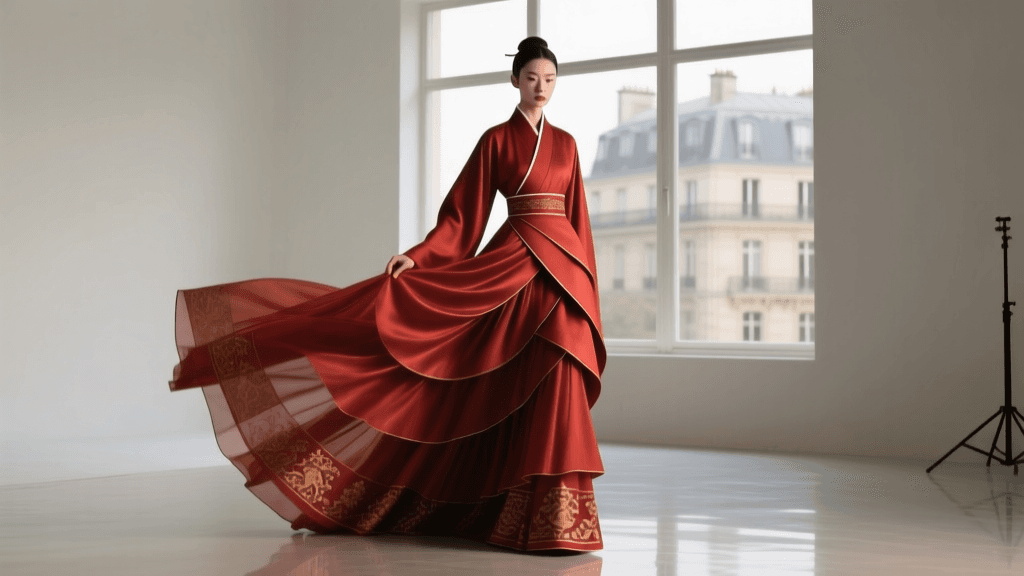
As cultural tourism continues to surge in 2026, traveling with traditional Chinese clothing has evolved from a niche hobby into a mainstream lifestyle movement. Among the various historical styles, the Ming Dynasty Aoqun (jacket and skirt) and the iconic Mamianqun (horse-face skirt) have emerged as the undisputed favorites for travel photography. Their structured silhouettes, rich brocade textiles, and elegant drape translate beautifully on camera, making them perfect for the grand architectural backdrops of China's ancient capitals.
However, traveling with Ming-style Hanfu presents unique logistical challenges. The heavy woven silks, intricate pleats, and layered undergarments require meticulous packing strategies to avoid arriving at your destination with crushed textiles. This comprehensive 2026 guide covers everything from specialized packing gear and pleat-preservation techniques to the best photography routes in Xi'an and Luoyang.
Essential Packing Gear for Mamianqun and Aoqun
Standard luggage compression is the enemy of traditional garments. In 2026, the most successful Hanfu travelers rely on a hybrid packing system that combines rigid garment protection for outer layers with soft compression for inner layers and accessories.
The Pleat Preservation Method
The defining feature of the Mamianqun is its sharp, symmetrical pleats. Folding a horse-face skirt haphazardly into a suitcase will permanently distort the heat-set folds, especially in modern polyester-blend brocades or delicate mulberry silks. To preserve the pleats during transit, use the 'Accordion and Board' technique:
- Step 1: Lay the skirt flat on a clean, hard surface. Align the front and back panels perfectly.
- Step 2: Fold the skirt along its existing pleat lines in an accordion style, rather than folding it in half horizontally.
- Step 3: Place rigid, acid-free cardboard inserts (or specialized Hanfu pleat boards, widely available from Taobao and independent makers in 2026) on the top and bottom of the folded skirt.
- Step 4: Secure the bundle with soft silk ribbons—never use tight elastic bands or plastic clips, which will leave permanent crease marks on the waistband.
For the Ao (the structured jacket), utilize a high-quality garment bag. The collar and sleeve cuffs often feature delicate embroidery or metallic thread weaving that can snag. Turning the jacket inside out before placing it in the garment bag protects the outer embellishments from friction.
2026 Packing Gear Comparison Chart
Investing in the right travel gear is crucial for maintaining the pristine condition of your Hanfu. Below is a comparison of the top-rated packing solutions utilized by Hanfu travel photographers this year.
| Gear Item | Brand / Model | Best Used For | 2026 Est. Price (USD) |
|---|---|---|---|
| Canvas Garment Bag | Modoker Vintage Garment Bag | Full Aoqun sets, long outer robes (Bijia) | $45.00 |
| Compression Cube | Peak Design Packing Cube (Medium) | Compressing under-layers, Zhongyi (inner garments) | $35.00 |
| Handheld Steamer | Philips STH3020 Foldable Steamer | Quick silk touch-ups in hotel rooms | $50.00 |
| Pleat Boards | Custom Hanfu Care Acrylic Boards | Mamianqun pleat preservation during transit | $22.00 |
| Accessory Organizer | Bagsmart Electronics Organizer | Hairpins, Yunjian (cloud shoulders), and jewelry | $25.00 |
Wrinkle Release: Steaming Brocade and Silk on the Road
Even with perfect packing, minor wrinkles are inevitable. Traditional irons are too harsh for Ming-style textiles; the direct, concentrated heat can scorch silk and melt metallic threads woven into modern brocades. A handheld steamer is non-negotiable for Hanfu travel.
When steaming a Mamianqun, always hang it on a sturdy, wide-shouldered hanger. Start steaming from the waistband downwards, allowing the weight of the skirt to naturally pull the wrinkles out. Maintain a distance of at least two inches between the steamer nozzle and the fabric. For heavily embroidered Yunjian (cloud shoulders), steam from the reverse side to prevent flattening the dimensional embroidery threads.
2026 Destination Guide: Xi'an and Luoyang Photography Routes
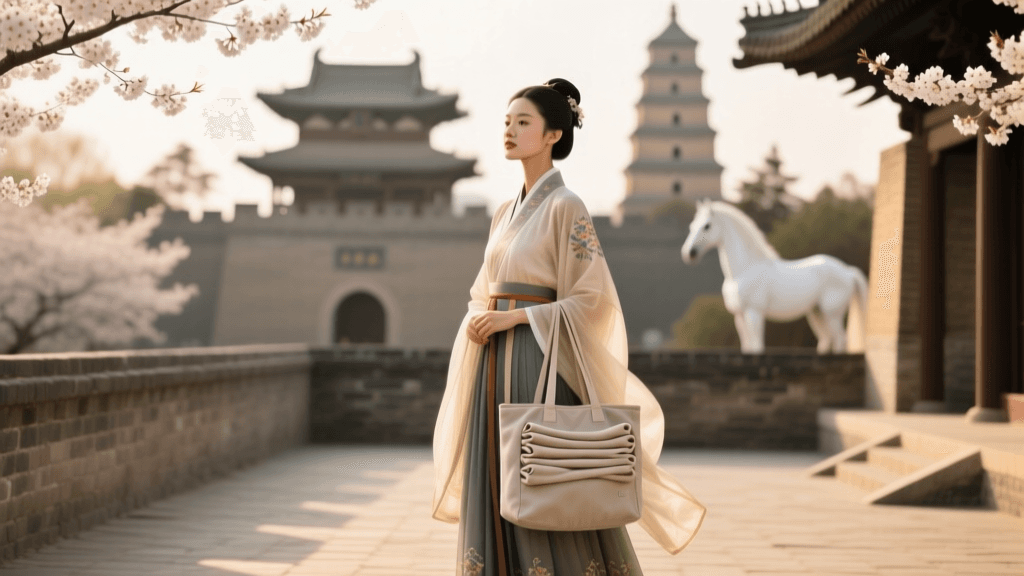
Xi'an and Luoyang remain the crown jewels of Hanfu travel. Both cities have heavily invested in Hanfu-friendly infrastructure, offering dedicated changing rooms, luggage storage for bulky garment bags, and specialized lighting in historical parks. According to China Highlights' Xi'an Travel Guide, the integration of cultural tourism and historical preservation has made these cities more accessible than ever for traditional dress enthusiasts.
Xi'an: Datang Everbright City & The Ancient City Wall
Datang Everbright City (大唐不夜城): This pedestrian zone is a sensory overload of Tang and Ming-inspired architecture. In 2026, the city has implemented new crowd-control measures, making early evening (around 6:30 PM) the optimal time for photography. The lanterns illuminate just as the blue hour sets in, providing a stunning, cool-toned contrast to the warm gold and red hues of a Ming Dynasty Aoqun. Pro Tip: Avoid the main central artery; instead, explore the side alleys near the Grand Tang Dynasty Ever-bright City theater for unobstructed architectural shots.
The Ancient City Wall: For a more serene aesthetic, rent a bicycle or walk along the Xi'an City Wall at sunrise. The morning mist and soft, directional light are perfect for capturing the flowing drape of a silk Mamianqun. The wide, paved surface is also highly practical for navigating in traditional cloud-head shoes (Yuntou Lu).
Luoyang: Longmen Grottoes & Luoyi Ancient City
Longmen Grottoes: Recognized as a masterpiece of early Chinese Buddhist art, the UNESCO World Heritage Centre notes the immense historical scale of the Longmen carvings. Photographing Hanfu here requires deep respect for the sacred site. Stick to the designated walking paths along the Yi River. The reflection of the Fengxian Temple in the river during the late afternoon provides a majestic, symmetrical backdrop that complements the structured, regal silhouette of Ming Dynasty clothing.
Luoyi Ancient City: This expansive, purpose-built cultural zone is a haven for Hanfu photographers. Unlike crowded public parks, Luoyi offers curated sets, including Ming-style courtyard gardens, paper-lantern corridors, and indoor tea houses. It is particularly famous for its night photography, with professional lighting rigs hidden in the eaves to highlight the textures of brocade fabrics.
Transit & Etiquette: Navigating China's HSR in Hanfu
Traveling between Xi'an and Luoyang via China's High-Speed Rail (HSR) is efficient, taking roughly two hours. However, navigating transit hubs in full Hanfu requires practical foresight. The sprawling nature of modern train stations means you will be walking significant distances.
- Footwear: While traditional wooden clogs or embroidered flats look authentic, they offer zero arch support. In 2026, most Hanfu travelers opt for modern, cushioned insoles hidden inside traditional-style cloth shoes, or wear minimalist sneakers that remain hidden beneath the long hem of the Mamianqun.
- Hem Management: Train station floors and escalators are hazardous for sweeping skirts. Utilize a 'skirt lift' technique—gathering the front panels of the skirt gracefully in one hand while holding your luggage with the other. Many modern Mamianqun designs feature hidden side-slits or slightly shorter front hems specifically tailored for urban commuting and travel.
- Cultural Etiquette: As highlighted by historical resources such as Britannica's overview of Xi'an and its heritage, these cities are living museums. When visiting active temples or sacred grottoes, ensure your Hanfu is worn correctly (left lapel over right, known as Jiaoling Youren), and avoid overly revealing modern modifications out of respect for the cultural and spiritual significance of the sites.
Final Thoughts for the 2026 Traveler
Traveling with Ming Dynasty Hanfu is a deeply rewarding experience that bridges the gap between historical appreciation and modern exploration. By investing in proper pleat-preservation gear, mastering the art of gentle steaming, and timing your photography routes to avoid peak crowds, you can ensure your garments remain as breathtaking in Luoyang as they were when you packed them at home. Embrace the journey, respect the heritage, and let the rich textiles of the Ming Dynasty tell their story through your 2026 adventures.