Vintage Silk Kimono & Hanbok Preservation Guide for 2026
The Urgency of Silk Preservation in 2026
As we navigate the unique climate challenges of 2026, including fluctuating global humidity levels and increased indoor environmental stressors, the preservation of vintage Asian garments has never been more critical. Silk kimonos from Japan's Taisho and early Showa periods, alongside mid-century silk hanboks from Korea, represent masterclasses in natural dyeing, weaving, and embroidery. However, silk is a protein fiber (fibroin) that is inherently vulnerable to photo-oxidation, hydrolysis, and biological attacks. According to the American Institute for Conservation's Textile Wiki, improper storage can reduce the structural integrity of weighted silk by up to 40% within a single decade. This guide outlines the definitive 2026 museum-grade protocols for storing, cleaning, and restoring these irreplaceable cultural artifacts.
Understanding Silk Degradation: The Protein Vulnerability
Unlike cellulose fibers such as cotton or linen, silk and wool are protein-based. This distinction dictates every aspect of their care. Protein fibers are highly sensitive to alkaline substances, meaning that standard laundry detergents or buffered archival papers (which contain an alkaline reserve of calcium carbonate) will actively degrade the silk over time. Furthermore, historical kimonos and hanboks often feature "weighted silk"—a 19th and 20th-century practice where metallic salts were introduced to the yarn to increase its drape and luster. Over time, these salts cause the silk to become brittle and shatter, a process accelerated by high humidity and poor air circulation.
2026 Archival Storage Standards: Materials and Microclimates
The foundation of garment preservation is creating a stable microclimate. In 2026, the reliance on whole-room HVAC systems is increasingly being supplemented by localized archival enclosures equipped with advanced passive humidity buffers like Art-Sorb or Prosorb silica cassettes. The Canadian Conservation Institute recommends maintaining a relative humidity (RH) between 45% and 55% for mixed textile collections, with temperatures kept stable around 65°F (18°C) to slow chemical degradation.
Material Selection: What to Use and What to Avoid
Selecting the correct enclosures and padding materials is paramount. Below is a comparison of traditional storage methods versus the 2026 museum-grade standards.
| Storage Component | Outdated / Harmful Method | 2026 Museum-Grade Standard |
|---|---|---|
| Storage Boxes | Cardboard, cedar chests, or standard plastic bins (PVC) | Archival corrugated polypropylene or acid-free, lignin-free board boxes |
| Tissue Paper | Buffered acid-free tissue (alkaline reserve damages silk) | Unbuffered, pH-neutral tissue paper (specifically for protein fibers) |
| Garment Covers | Dry-cleaning plastic bags or non-woven synthetic covers | Unbleached, washed muslin or Tyvek soft-touch covers |
| Humidity Control | Mothballs (toxic, damages fibers) or open water bowls | Pre-conditioned silica gel cassettes (e.g., Prosorb) monitored with dataloggers |
| Hangers | Wire or unpadded wooden hangers | Padded hangers wrapped in unbleached cotton, or flat storage for heavy items |
The Art of Folding: Preventing Crease Memory and Shattering
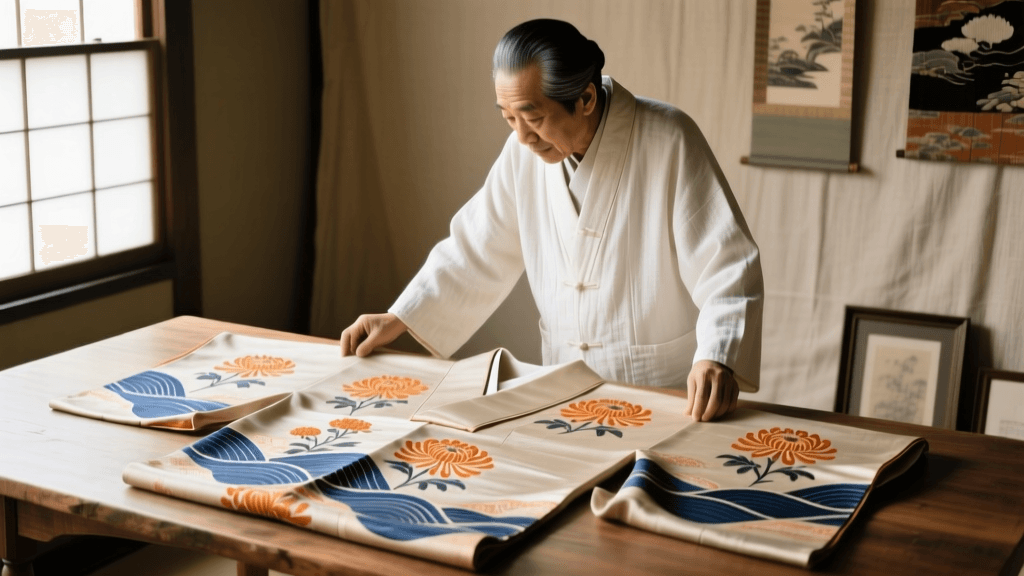
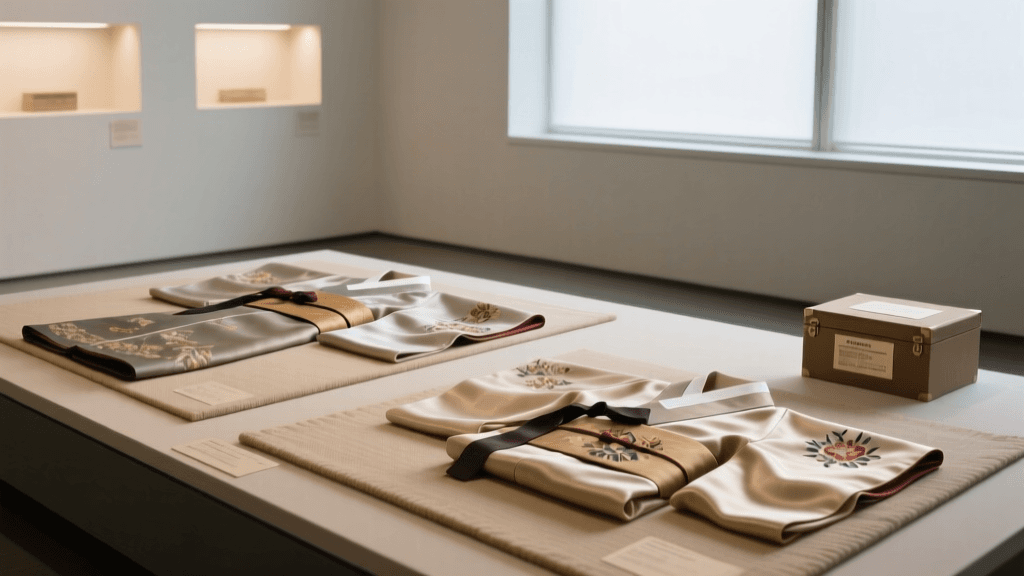
While hanging is suitable for lightweight, structurally sound modern hanboks, heavy vintage kimonos, embroidered pieces, and garments with metallic threads must be stored flat. The primary enemy of flat storage is the "hard crease." Over years of compression, the fibers along a fold line will weaken and eventually snap.
To mitigate this, conservators in 2026 utilize the "tissue roll padding" technique. Instead of folding the garment sharply, unbuffered tissue paper is twisted into soft ropes and placed inside the folds. This creates a gentle curve rather than a sharp angle. For exceptionally fragile Taisho-era kimonos, the garment is interleaved with sheets of unbuffered tissue and rolled around an acid-free honeycomb cardboard tube, covered in a washed muslin tie. Rolling eliminates fold lines entirely and is the preferred method for oversized ceremonial garments like wedding uchikake or heavily embroidered Korean hwalot.
Mold Remediation: A Step-by-Step Protocol
Mold outbreaks are a catastrophic threat to silk, causing permanent staining and enzymatic destruction of the fibroin protein. With the increased frequency of extreme weather events and localized flooding seen in recent years, mold remediation has become a vital skill for collectors. If you discover active mold (fuzzy, powdery, or musty-smelling spots) on a silk kimono or hanbok, immediate and careful action is required.
- Isolate and Quarantine: Immediately place the affected garment in a sealed polyethylene bag to prevent spores from spreading to the rest of your collection. Move it to a well-ventilated, isolated area.
- Desiccation: Mold requires moisture to thrive. Lower the local humidity to below 40% using a dehumidifier. Do not apply direct heat, as this will bake the spores into the silk and set any organic stains.
- HEPA Vacuuming: Once the garment is completely dry and the mold is dormant, use a museum-grade HEPA vacuum with a micro-attachment. Place a piece of fiberglass screening over the nozzle to reduce suction power and prevent the silk from being pulled into the machine.
- Soft Brushing: Using a pristine, soft-bristled hake brush (traditionally used in Asian calligraphy and conservation), gently brush the spores off the surface of the silk, brushing in the direction of the weave and directly into the vacuum nozzle.
- Ethanol Misting: For stubborn surface spores, a 70% ethanol and 30% deionized water mist can be lightly applied using an ultrasonic nebulizer. Ethanol kills the spores without introducing the excess water that liquid spraying would cause. Note: Always test this on an inconspicuous inner seam first to ensure the natural dyes do not bleed.
Conservator's Warning: Never use bleach, vinegar, or commercial stain removers on vintage Asian silk. The acetic acid in vinegar will degrade the protein structure, while bleach will instantly dissolve the silk fibers and strip historical dyes.
Eco-Friendly Cleaning Protocols for 2026
When surface dusting is insufficient and a garment requires deeper cleaning, the 2026 conservation standard has moved away from harsh synthetic solvents toward biodegradable, enzyme-based conservation detergents. Products like Orvus WA Paste (a pure sodium lauryl sulfate without optical brighteners or perfumes) remain a staple, but newer plant-derived surfactants are gaining traction for their lower environmental impact and gentler action on fragile metallic threads.
For localized soil on a kimono's hem or a hanbok's collar, conservators use a "micro-suction" technique combined with a mild detergent solution. A piece of blotting paper is placed beneath the stain to draw the moisture and soil downward, while a cotton swab dipped in the cleaning solution is gently rolled—never rubbed—over the affected area. This prevents the friction that causes silk fibrillation (the fraying of individual microscopic fibers). After cleaning, the area is rinsed with deionized water using the same blotting method to ensure no detergent residue remains, as leftover surfactants will attract new dirt and accelerate fiber degradation.
Integrated Pest Management (IPM) for Textiles
Webbing clothes moths and carpet beetles are notorious for consuming protein fibers. In 2026, the use of chemical fumigants like naphthalene (mothballs) is strictly prohibited in professional conservation due to their toxicity to humans and their tendency to melt into synthetic blends or leave acidic residues on natural fibers. Instead, modern IPM relies on monitoring and environmental controls.
Deploy pheromone traps in your storage area to monitor for male moth activity. If an infestation is detected, the safest and most effective treatment for silk garments is anoxic treatment or deep freezing. To freeze a garment, seal it in a polyethylene bag with a desiccant to prevent condensation, and place it in a chest freezer at -20°C (-4°F) for 72 hours. Thaw it slowly in the sealed bag at room temperature for another 24 hours before opening. This cycle effectively kills all life stages of the pests without exposing the delicate silk dyes to chemical pesticides.
When to Seek Professional Restoration
While collectors can manage preventive care, cleaning, and basic mold remediation, structural restoration requires a professional. If your vintage hanbok's low gore (chima) is shattering, or if a kimono's obi sash has suffered severe dye migration and structural loss, consult a certified textile conservator. Attempting to wash heavily soiled, weighted silk at home often results in irreversible water-marking and dye bleeding. Professional conservators utilize specialized wet-cleaning tables with adjustable suction and customized pH-neutral surfactants that are not available to the consumer market.
Conclusion
Preserving the intricate artistry of Asian traditional garments requires a shift from casual closet storage to active, science-backed curation. By adopting the 2026 standards for unbuffered archival materials, localized climate control, and non-toxic pest management, collectors and historians can ensure that these magnificent silk kimonos and hanboks survive to educate and inspire future generations. Treat every fold, every thread, and every natural dye with the respect it deserves, and your collection will remain a vibrant testament to Asian textile heritage.