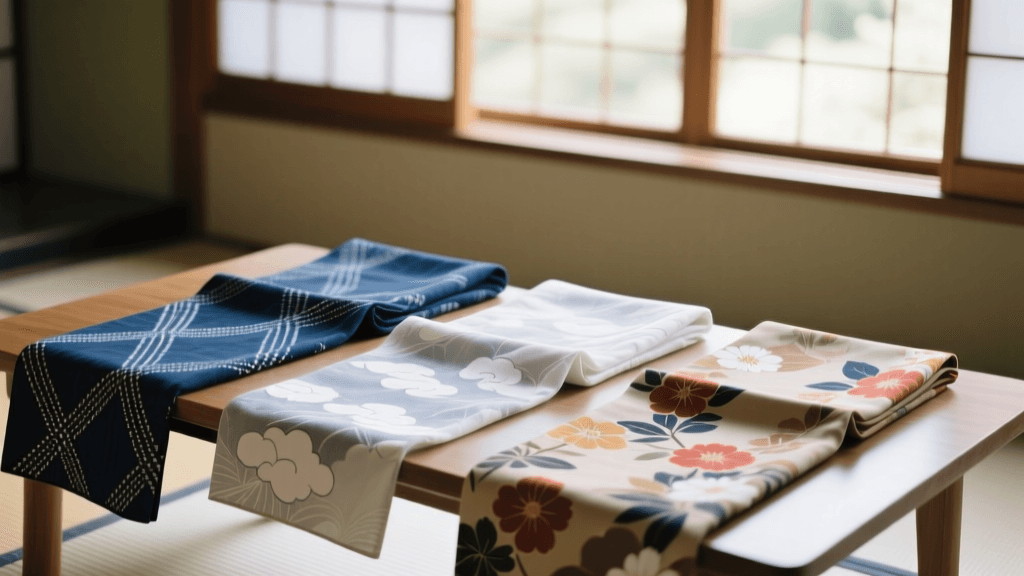
Kimono Secondhand Auctions & Appraisal Guide 2026
The Global Rise of the Vintage Kimono Market in 2026
The global fascination with Japanese traditional garments has reached unprecedented heights in 2026. Driven by the sustainable fashion movement, a renewed appreciation for artisanal craftsmanship, and the viral popularity of vintage styling on global runways, the secondhand kimono market is thriving. For collectors, fashion historians, and enthusiasts, participating in kimono auctions offers a unique opportunity to acquire wearable art. However, navigating this intricate market requires a deep understanding of value appraisal, known in Japan as kantei. Whether you are bidding on a rare Taisho-era silk furisode or a mid-century everyday komon, knowing how to evaluate authenticity, condition, and provenance is essential for making informed investments.
Understanding Kimono Value Appraisal (Kantei)
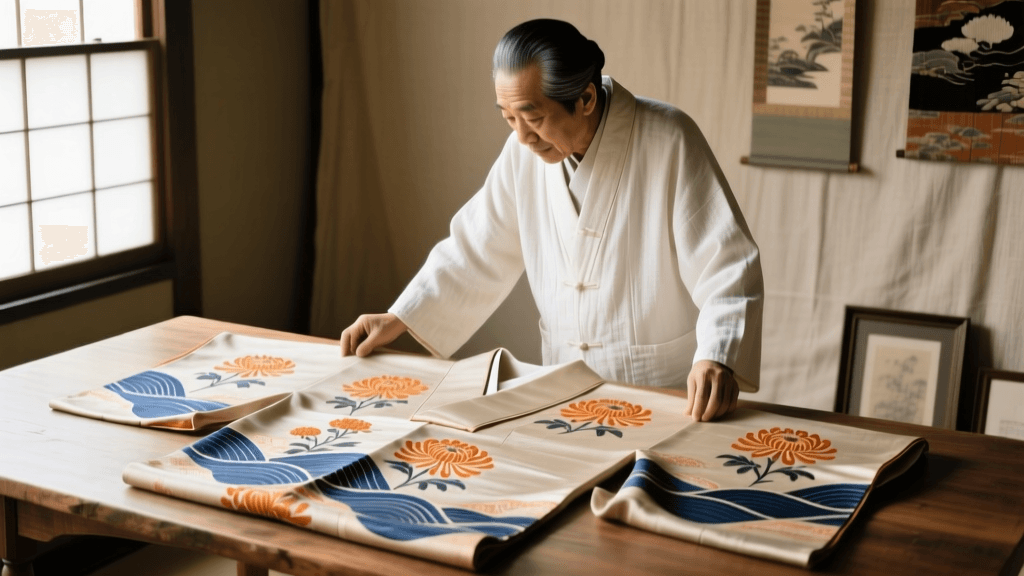
Appraising a kimono goes far beyond simply looking at the beauty of its pattern. True kantei involves a meticulous examination of the textile's age, dyeing technique, structural integrity, and historical context. In 2026, while AI-assisted textile identification tools have emerged to help novices spot basic weave patterns, the nuanced appraisal of vintage silk still relies heavily on human expertise and tactile evaluation.
According to the Victoria and Albert Museum's extensive textile archives, the evolution of the kimono reflects Japan's broader socio-economic shifts. Garments from specific historical periods carry distinct markers that dictate their auction value. Collectors today heavily favor pieces that showcase transitional fashion moments, where traditional Japanese aesthetics merged with foreign influences.
Key Eras for Collectors
- Meiji Era (1868–1912): Characterized by the introduction of synthetic aniline dyes from the West, resulting in vibrant, sometimes unusually bright reds and purples. These pieces are rare and highly prized by museum curators.
- Taisho Era (1912–1926): The golden age of 'Taisho Roman' aesthetics. Kimono from this era feature bold, geometric, and art-deco-inspired motifs. The dramatic contrast and modernist designs make Taisho pieces the most fiercely contested items in 2026 online auctions.
- Early Showa Era (1926–1945): Pre-war Showa garments often feature militaristic or patriotic motifs hidden within traditional floral patterns, alongside the widespread use of meisen (ikat-woven silk), which was highly fashionable for everyday wear.
Top Platforms for Kimono Auctions in 2026
The digital landscape for acquiring vintage Japanese textiles has matured significantly. While physical flea markets like Kyoto's Toji Temple market remain beloved, the highest volume of rare and high-value pieces now moves through digital auction houses.
Yahoo! Auctions Japan via Proxy Services
Yahoo! Auctions Japan remains the undisputed heavyweight of the secondhand kimono trade. Because the platform requires a Japanese bank account and domestic address, international collectors in 2026 rely heavily on advanced proxy bidding services like Buyee and ZenMarket. These platforms have streamlined the process, offering automated bidding, consolidated shipping, and integrated condition translation tools.
Specialized Online Auction Houses
For high-end, verified antique pieces, specialized dealers such as Ichiroya and Kimono Wataru host curated online auctions. These platforms are preferred by serious collectors because every garment undergoes professional kantei before listing, guaranteeing the authenticity of the silk and the accuracy of the era attribution.
The Appraisal Checklist: Spotting Authenticity and Quality
When evaluating a listing or inspecting a garment in person, use this comprehensive checklist to determine the true value of the piece.
1. Material Verification: Silk vs. Synthetic
Post-1960s kimono are frequently made from polyester. While vintage polyester kimono have their place in casual wear, they hold virtually no collector value. Authentic silk (kinu) has a distinct, rich luster and a unique 'crunching' sound when compressed in the hand, known as scroop. The Metropolitan Museum of Art notes that the structural integrity and light-reflective properties of traditional Japanese silk are unparalleled, making material verification the critical first step in appraisal.
2. Dyeing and Embellishment Techniques
Hand-painted and hand-dyed garments command a massive premium over machine-printed textiles. Look for:
- Yuzen Dyeing: Look for fine, white outline lines (itome) that separate color fields. This indicates the traditional rice-paste resist method.
- Shibori: Authentic tie-dye shibori will have a textured, three-dimensional surface. If the pattern is perfectly flat, it is likely a modern machine-printed imitation.
- Embroidery and Gold Leaf: Hand-stitched embroidery will show slight irregularities on the reverse side of the fabric. Surikomi (gold leaf application) should show delicate, intentional cracking when the fabric is folded.
3. The Lining and Stitching
Traditional kimono are entirely hand-stitched, allowing them to be taken apart, cleaned, and reassembled. Examine the inner lining (dougi). A bright red silk lining often indicates a high-quality, formal garment from the Taisho or early Showa era. Furthermore, hand-stitching will feature slight variations in stitch length, whereas perfectly uniform stitching indicates modern machine manufacturing.
4. Family Crests (Kamon)
The presence of hand-dyed family crests elevates a kimono's formality and value. Five crests (itsutsu-mon) denote the highest level of formality (kurotomesode), while one crest (hitotsu-mon) is common for semi-formal wear. Beware of 'stamped' or printed crests, which drastically reduce the garment's appraisal value.
2026 Market Pricing and Value Guide
Understanding current market rates is crucial for setting maximum bid limits. The table below outlines estimated 2026 auction values for various vintage kimono types, assuming authentic silk and traditional hand-crafted techniques.
| Garment Type | Era | Condition | 2026 Est. Auction Value (USD) |
|---|---|---|---|
| Kurotomesode (Black Formal) | Early Showa | Excellent (No stains, vibrant gold) | $450 - $1,200 |
| Furisode (Long Sleeves) | Taisho Roman | Good (Minor lining discoloration) | $800 - $2,500 |
| Uchikake (Wedding Overcoat) | Meiji / Taisho | Museum Quality (Heavy embroidery) | $3,000 - $8,500+ |
| Meisen (Ikat Casual) | Early Showa | Very Good (Bold geometric patterns) | $150 - $400 |
| Komon (Everyday Repeating) | Mid-Showa | Good (Yuzen dyed silk) | $80 - $250 |
| Haori (Jacket) | Taisho | Excellent (Hidden lining art) | $200 - $600 |
Navigating Proxy Bidding and Condition Ratings
When bidding on Japanese auction sites, understanding the seller's condition rating system is vital to avoiding costly mistakes. Japanese sellers are notoriously strict and honest about flaws. In 2026, the standard grading scale used by major proxy platforms includes:
- Rank S / New: Deadstock, unworn, often with original paper tags (tatoushi).
- Rank A: Excellent vintage condition. May have barely visible, pinpoint storage marks.
- Rank B: Good condition. Will have noticeable but manageable flaws, such as small spots on the hem, slight shoulder fading, or minor lining yellowing.
- Rank C: Poor condition. Significant staining, tearing, or severe discoloration. Only recommended for upcycling or textile study.
Always request additional photos of the hem, the back of the neck (eri), and the armpit areas, as these are the most common locations for sweat stains and fabric degradation in vintage garments.
Preservation and Post-Auction Care
Winning the auction is only the beginning. Proper preservation is necessary to maintain the appraisal value of your collection. As highlighted by the Smithsonian's National Museum of Asian Art, preserving these textiles requires strict climate control and archival storage methods.
Upon receiving your vintage kimono, immediately remove it from plastic shipping bags, which can trap moisture and cause mold. Store the garments flat in acid-free tissue paper inside breathable cotton covers or traditional paulownia wood boxes (kiribako). Never hang vintage silk kimono on standard hangers for long periods, as the heavy weight of the silk and embroidery will distort the shoulders and tear the delicate fibers over time.
Conclusion
The 2026 kimono secondhand market offers an incredible intersection of fashion, history, and investment. By mastering the principles of kantei, utilizing reliable proxy auction services, and understanding the profound historical context of eras like Taisho Roman, collectors can build extraordinary archives of Japanese textile art. Whether you are hunting for a vibrant furisode or a subtly elegant Edo-komon, approaching the auction block with a trained eye ensures that these masterpieces of Asian tradition continue to be cherished for generations to come.