Silk Kimono vs Cotton Yukata: 2026 Buyer & Styling Guide
The Enduring Legacy of Japanese Garments in 2026
As we navigate the global fashion landscape of 2026, the intersection of heritage and modernity has never been more pronounced. Japanese traditional garments have transcended their historical boundaries, emerging as highly sought-after pieces for both cultural preservationists and contemporary fashion enthusiasts. Driven by a growing global commitment to sustainable, slow fashion and artisanal craftsmanship, the demand for authentic Japanese textiles has surged. Whether you are attending a summer matsuri (festival) or a formal tea ceremony, understanding the nuanced differences between the silk kimono and the cotton yukata is essential for any modern wardrobe.
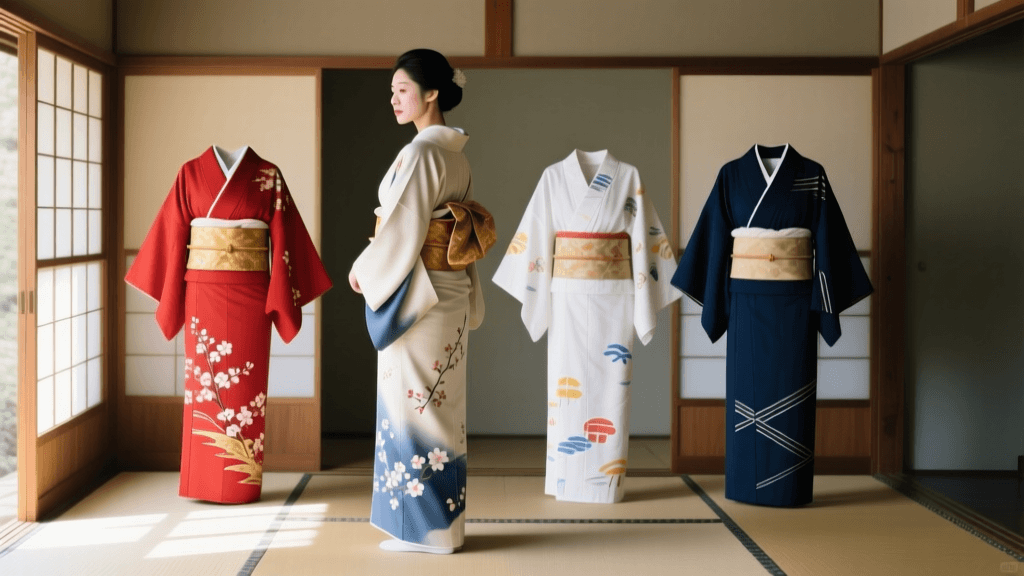
According to the Metropolitan Museum of Art, the kimono is not merely a piece of clothing but a profound canvas of cultural expression, reflecting the wearer's age, marital status, and the specific season or occasion. In 2026, wearing these garments is a celebration of living history, blending centuries-old weaving techniques with modern styling sensibilities.
The Core Distinctions: Silk Kimono vs. Cotton Yukata
While both garments share the iconic T-shaped, straight-lined silhouette, their construction, materials, and styling protocols are vastly different. The kimono (literally "thing to wear") is a formal, lined garment typically crafted from silk, featuring intricate dyeing or weaving techniques. It requires a complex layering system, including specialized undergarments. The yukata, conversely, translates to "bathing cloth." Originally worn by nobility as a bathrobe, it evolved into the casual, unlined cotton or hemp summer garment we recognize today.
Fabric and Lining
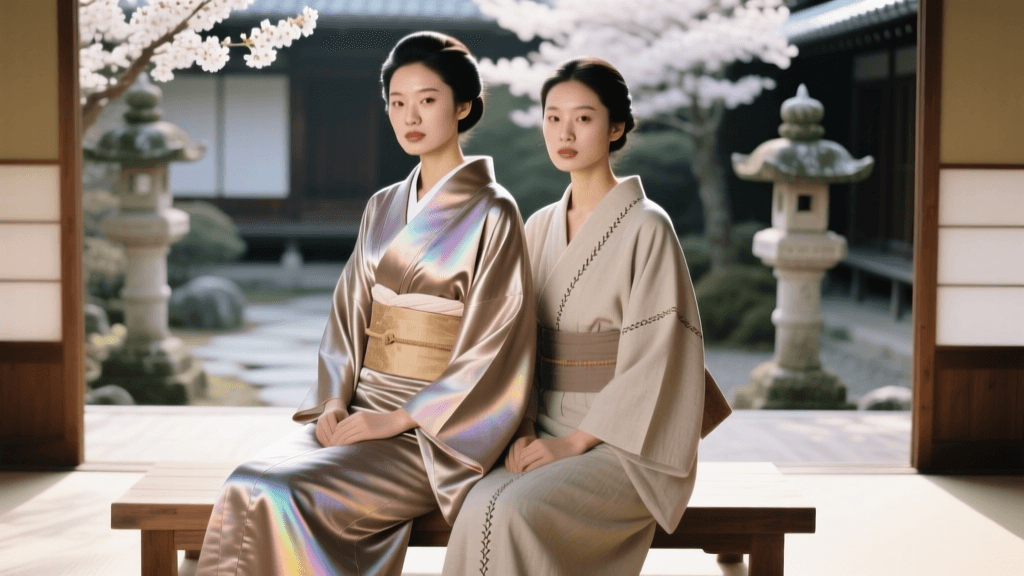
A true kimono is almost always lined (awase) for cooler months, or made of lightweight, sheer silk ro or sha for the peak of summer. The silk used ranges from the matte, textured feel of tsumugi (pongee) to the glossy, luxurious sheen of rinzu (satin damask). The yukata is strictly unlined (hitoe), designed for breathability and comfort during Japan's humid summers. In 2026, while traditional cotton remains the gold standard for yukata, innovative hemp-cotton blends have gained popularity for their superior moisture-wicking properties and eco-friendly cultivation.
Undergarments and Footwear
Wearing a kimono requires a nagajuban (a thin under-robe) to protect the delicate silk from skin oils and sweat, along with a han-eri (decorative collar). Footwear consists of tabi (split-toe socks) and zori (formal sandals). The yukata is worn directly over standard modern undergarments, requires no tabi, and is paired with geta (wooden clogs) or casual sandals.
2026 Comprehensive Comparison Chart
To help you make an informed decision for your 2026 wardrobe, refer to the comparison table below outlining the practical differences between these two iconic garments.
| Feature | Silk Kimono | Cotton Yukata |
|---|---|---|
| Primary Fabric | Silk (Chirimen, Rinzu, Tsumugi) | Cotton, Hemp, or Cotton-Blend |
| Lining | Usually Lined (Awase) or Sheer (Ro/Sha) | Unlined (Hitoe) |
| Undergarments | Nagajuban, Hadajuban, Susoyoke | Modern camisole/slip, Suteteko |
| Collar Style | Layered (Kimono collar + Han-eri) | Single Layer |
| Obi (Sash) Type | Fukuro, Nagoya (Wide, Formal) | Hanhaba, Yukata-specific (Narrow, Casual) |
| Footwear | Tabi socks + Zori sandals | Bare feet + Geta or casual sandals |
| Formality | High (Weddings, Tea Ceremony, Graduation) | Low (Festivals, Fireworks, Casual Lounging) |
| 2026 Price Range (New) | ¥80,000 - ¥500,000+ JPY | ¥5,000 - ¥25,000 JPY |
The Art of Kitsuke: Dressing in the Modern Era
Kitsuke is the art of dressing in a kimono. While the fundamental techniques have remained unchanged for generations, 2026 has seen a rise in ergonomic dressing aids that make the process more accessible to international enthusiasts and beginners.
Step-by-Step Kimono Dressing
- Preparation: Put on the hadajuban (undershirt) and susoyoke (wrap skirt). Secure the nagajuban over these, ensuring the han-eri (collar) sits neatly at the base of the neck.
- Draping the Kimono: Slip your arms through the sleeves. Align the back seam perfectly with your spine. Bring the left side over the right side—crossing right over left is strictly reserved for dressing the deceased.
- Securing the Waist: Use a koshihimo (cotton tie) to secure the kimono at the waist. Adjust the ohashori (the fold at the waist) so it sits evenly and hides the excess length.
- Smoothing and Tying: Wrap a datejime (wide sash) to keep the fabric flat, insert an obiita (stiffener board) to prevent the obi from wrinkling, and finally, tie your obi at the back.
For the yukata, the process is significantly simpler. The ohashori is often omitted for women wearing modern, pre-sewn yukata, and the narrow hanhaba obi can be tied in simple, decorative bows like the bunko musubi (library knot).
Sourcing Authentic Garments in 2026
The market for Japanese garments in 2026 is robust, offering options for every budget. According to cultural travel resources like Japan Guide, experiencing a traditional dress rental is a staple of Japanese tourism, but owning your own garment provides a deeper connection to the craft.
The Vintage and Recycle Market
For silk kimonos, the "recycle" (vintage) market is the most sustainable and cost-effective route. In cities like Tokyo, Kyoto, and Osaka, specialized vintage shops offer meticulously cleaned, second-hand silk kimonos starting from as low as ¥5,000 to ¥15,000 JPY. Look for garments with the recycle mark or those sold by certified dealers who inspect for silk rot, stains, and structural weakness. Vintage haori (jackets) are particularly popular in 2026 for styling over modern western dresses.
Commissioning New Artisan Pieces
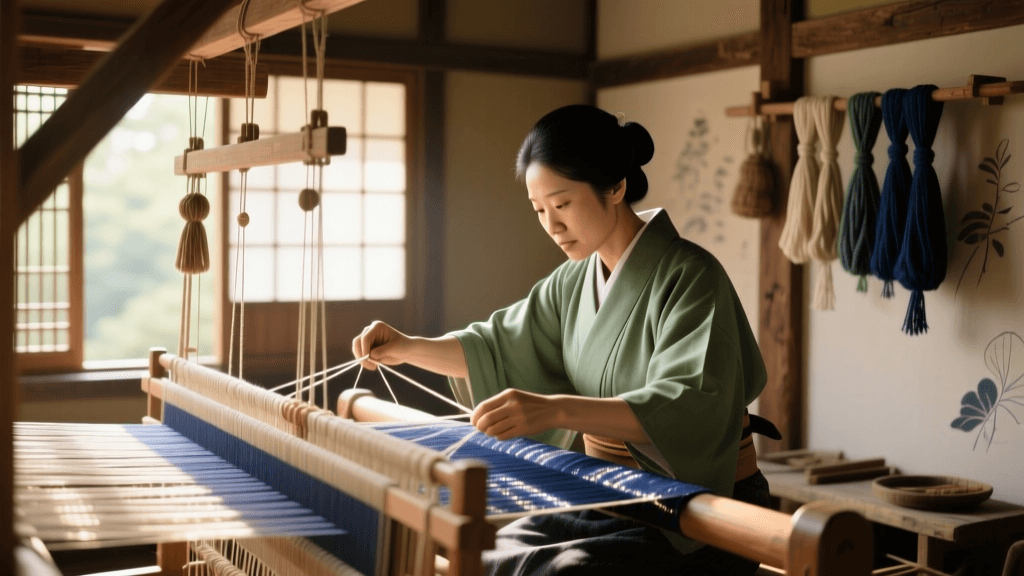
If you desire a brand-new, custom-fitted silk kimono, expect to engage with a gofukuya (traditional kimono shop). The process involves selecting a tanmono (a bolt of fabric roughly 36cm wide and 12 meters long) and choosing your dyeing technique. Yuzen (resist dyeing) and Nishijin-ori (brocade weaving) remain the most prestigious. A full bespoke commission in 2026 can take three to six months and will cost upwards of ¥300,000 JPY, reflecting the intensive manual labor involved.
Care and Maintenance Protocols
Proper care ensures these garments survive for generations. The approach to maintenance differs vastly between silk and cotton.
Caring for Silk Kimono
Silk kimonos should never be washed at home. After wearing, hang the garment in a well-ventilated, shaded area for 24 hours to allow moisture to evaporate. Spot clean minor stains with a specialized silk eraser. For a full clean, 2026 advancements in maruarai (professional wet washing using eco-friendly bio-enzymes) have made it safer and more environmentally sustainable than traditional chemical dry cleaning. Store your silk kimono folded in tatou-shi (acid-free archival paper) inside a wooden tansu chest, and air it out twice a year during dry, breezy weather to prevent mold.
Caring for Cotton Yukata
Yukata are wonderfully low-maintenance. They can be hand-washed or machine-washed on a delicate cycle using a neutral detergent. To prevent color bleeding, especially with traditional indigo-dyed (aizome) pieces, wash them separately for the first few cycles. Roll the wet yukata in a towel to press out excess water, then hang it to dry in the shade. Ironing is best done while the fabric is slightly damp, using a pressing cloth to avoid creating a synthetic shine on the cotton fibers.
Conclusion
Whether you are drawn to the breathtaking artistry and formal elegance of a silk kimono or the breezy, accessible charm of a cotton yukata, Japanese traditional garments offer a profound way to engage with Asian cultural heritage. By understanding the distinct materials, styling rules, and care protocols outlined in this 2026 guide, you can confidently build a collection that respects tradition while embracing the sustainable, artisanal fashion movements of today.