How to Style Silk Haori Jackets for Modern 2026 Office Wear

The Renaissance of the Haori in 2026 Corporate Fashion
As we navigate the 2026 corporate landscape, the rigid suiting and stark minimalism of previous years have given way to a more nuanced, globally inspired aesthetic. Today's professionals are embracing 'Heritage Integration'—the deliberate styling of culturally significant, traditional garments within modern, everyday wardrobes. At the forefront of this movement is the Japanese haori, a traditional hip- or thigh-length kimono-style jacket. Once reserved for formal ceremonies or worn exclusively over kimono, the haori has been reclaimed by contemporary stylists as the ultimate statement layering piece. Its fluid silhouette, intricate textile artistry, and inherent comfort make it a brilliant alternative to the standard blazer. According to the Victoria and Albert Museum's comprehensive guide to Japanese garments, the haori's structural evolution has always mirrored societal shifts, and its current adaptation into Western-style professional wear is a testament to its timeless versatility.
Understanding Haori Anatomy and Fabric Weights
To successfully mix a traditional haori with a 2026 office wardrobe, one must first understand its construction. Unlike the wrapped, belted kimono, the haori is designed to be worn open at the front, secured only by a short braided tie known as a haori himo. The collar (eri) is typically left unfolded, creating a clean, vertical line that naturally elongates the torso. The sleeves (sode) feature a deep, open drop that allows for effortless layering over modern garments with varied sleeve volumes.
Fabric weight is critical when transitioning this piece from traditional wear to the modern office. For spring and summer 2026 collections, look for ro or sha (woven gauze silks) which offer breathability and a subtle, modern sheer quality. For autumn and winter, rinzu (figured silk damask) and chirimen (silk crepe) provide the necessary drape and structure to stand up to heavy wool trousers and cashmere knits.
The 2026 Styling Matrix: Pairing Haori with Contemporary Tailoring
The golden rule of mixing heritage pieces with modern clothing is contrast. You want to avoid looking as though you are wearing a costume. By anchoring the ornate, fluid haori with stark, structured, and minimalist contemporary pieces, you create a balanced, high-fashion silhouette. Below is a strategic matrix for integrating different haori styles into your 2026 professional rotation.
| Haori Style and Textile | Traditional Context | 2026 Minimalist Office Pairing | Footwear Recommendation |
|---|---|---|---|
| Kurotomesode Haori (Black silk with subtle crests) | Formal wear for married women or high-ranking officials. | Worn open over a crisp white poplin button-down and high-waisted, wide-leg charcoal wool trousers. | Pointed-toe leather loafers or minimalist mules. |
| Oshima Tsumugi (Mud-dyed, textured pongee silk) | Everyday wear, highly durable with a matte finish. | Layered over a ribbed silk-blend mock-neck top and a tailored midi pencil skirt. | Sculptural block-heel ankle boots. |
| Yuzen Dyed (Vibrant, hand-painted floral motifs) | Festivals, celebrations, and expressive personal style. | Belted at the waist over a monochromatic black silk slip dress for an evening corporate gala. | Strappy velvet heels or polished oxfords. |
Mastering Proportion and the Rule of Thirds
When styling a haori for the office, proportion is everything. The standard haori falls anywhere from the mid-thigh to the knee. In 2026, where hemlines and volumes are highly intentional, you must apply the 'Rule of Thirds' to your outfit. If your haori hits at the mid-thigh, ensure your base layer (such as a dress or a tucked-in shirt and trouser combo) creates a distinct visual break. Avoid wearing a haori with a skirt or trouser that ends at the exact same hemline, as this creates a boxy, truncated silhouette.
Furthermore, consider the volume of your base layers. Because the haori features wide, drop-shoulder sleeves and a generous body, your underlying garments should be relatively streamlined. A bulky cable-knit sweater will bunch uncomfortably beneath the silk armholes. Instead, opt for fine-gauge merino wool turtlenecks, sleek bodysuits, or tailored vest tops that provide warmth without compromising the elegant drape of the silk.
The Art of the Belt: To Cinch or Not to Cinch?
Traditionally, the haori is never belted; it is left to flow freely, secured only by the delicate haori himo at the sternum. However, modern styling frequently breaks this rule to accommodate contemporary silhouettes and office practicality. In 2026, cinching a haori is a popular technique to introduce waist definition and prevent the jacket from overwhelming a petite frame.
- The Invisible Belt: Use a thin, matte leather belt in a color that matches your base layer (e.g., a black belt over a black dress). Cinch the haori at your natural waist. The belt blends in, creating the illusion that the haori is a tailored, wrap-style coat.
- The Statement Sash: For a more fashion-forward approach, replace the traditional braided tie with a wide, structured leather obi-belt. This works exceptionally well with heavier crepe haori and creates a striking, architectural silhouette.
- The Traditional Drape: If you prefer to honor the original intent of the garment, leave it open. Ensure your inner layers are meticulously tailored and color-coordinated to create a continuous vertical column, allowing the haori to frame your body like a work of art.
Sourcing Authentic and Sustainable Haori
The 2026 fashion industry is heavily regulated by circular economy mandates, making the sourcing of traditional garments both an ethical and aesthetic choice. Purchasing vintage or upcycled haori is not only sustainable but often provides access to superior, hand-woven silks that are rarely produced today. When shopping for vintage pieces, inspect the sode (sleeves) and the lower hem for signs of wear or water spotting, as these are the most vulnerable areas on older silk garments. Many contemporary sustainable boutiques in Tokyo and global online heritage platforms now offer professionally cleaned, re-tailored vintage haori specifically cut for modern layering, ensuring you receive a pristine garment without contributing to new textile waste.
Care and Maintenance for Heritage Silk
Integrating heritage textiles into a daily rotation requires a commitment to proper garment care. Silk is a protein fiber that is highly sensitive to heat, moisture, and friction. According to the conservation department guidelines at the V&A, preventive care and proper storage are paramount for preserving historical textiles. Never machine wash or dry clean a vintage silk haori unless absolutely necessary, as the harsh chemicals used in standard dry cleaning can strip the silk of its natural luster and cause the delicate inner linings to shrink.
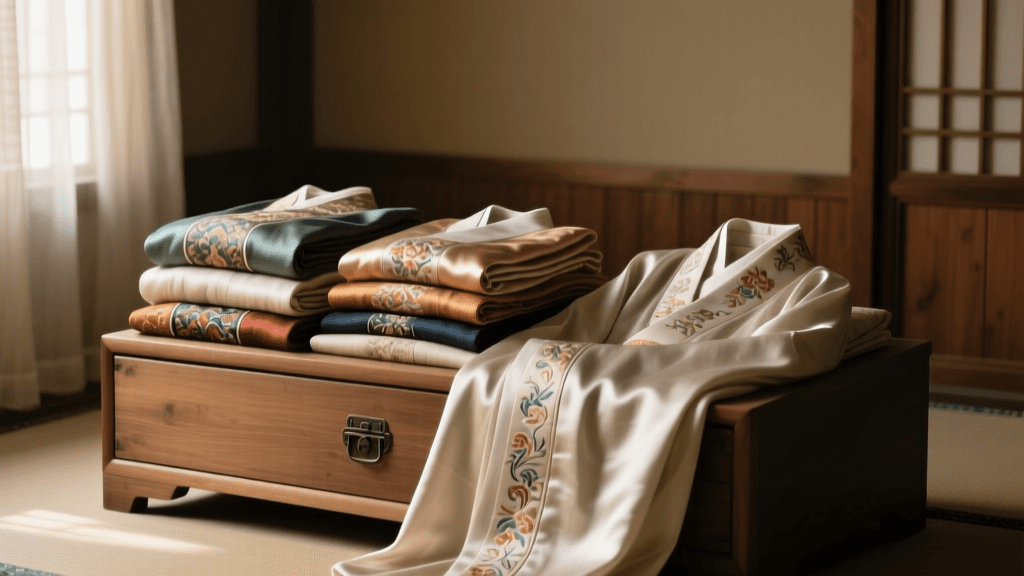
Instead, invest in a high-quality handheld garment steamer. Steaming not only removes wrinkles but also naturally deodorizes the silk and kills odor-causing bacteria. After wearing, hang the haori on a wide, padded hanger to support the shoulders and allow it to air out in a well-ventilated, shaded area. For long-term storage between seasons, wrap the haori in acid-free tatou paper or unbleached cotton muslin. Avoid plastic garment bags, which can trap moisture and lead to mildew or yellowing of the silk fibers. By treating these garments with the respect they deserve, you ensure they remain a staple of your modern wardrobe for decades to come.
Final Thoughts on Cultural Appreciation
As we continue to blur the lines between traditional dress and contemporary fashion in 2026, it is vital to approach the styling of the haori with cultural respect. Understanding the history, the terminology, and the proper care of these garments elevates your styling from mere appropriation to genuine appreciation. The haori is more than just a beautiful jacket; it is a canvas of Japanese artistry, weaving technique, and history. By thoughtfully integrating it into your modern professional wardrobe, you honor its legacy while forging a uniquely personal, sophisticated aesthetic for the modern era.