Master the New Chinese Style: A Practical Capsule Wardrobe Guide
The Rise of Xin Zhongshi: Beyond the Runway
In recent years, the global fashion landscape has witnessed a profound shift toward cultural heritage, and nowhere is this more evident than in the explosive popularity of the New Chinese Style, known domestically as Xin Zhongshi. Unlike the historically rigorous and often costume-adjacent Hanfu movement, Xin Zhongshi is fundamentally about integration. It bridges the gap between ancient sartorial elegance and the practical demands of modern, urban life. According to industry analyses by Jing Daily, this trend has evolved from a niche subculture into a dominant commercial force, driven by younger consumers seeking cultural identity without sacrificing everyday wearability.
Building a capsule wardrobe around the New Chinese Style requires a strategic approach. It is not about wearing head-to-toe traditional garments; rather, it is about curating versatile pieces that feature subtle traditional motifs, structural elements, and luxurious fabrics that can seamlessly transition from a corporate boardroom to an evening gallery opening. This guide will provide you with actionable advice, specific measurements, and a curated shopping strategy to master the Xin Zhongshi aesthetic.
Defining the New Chinese Style Aesthetic
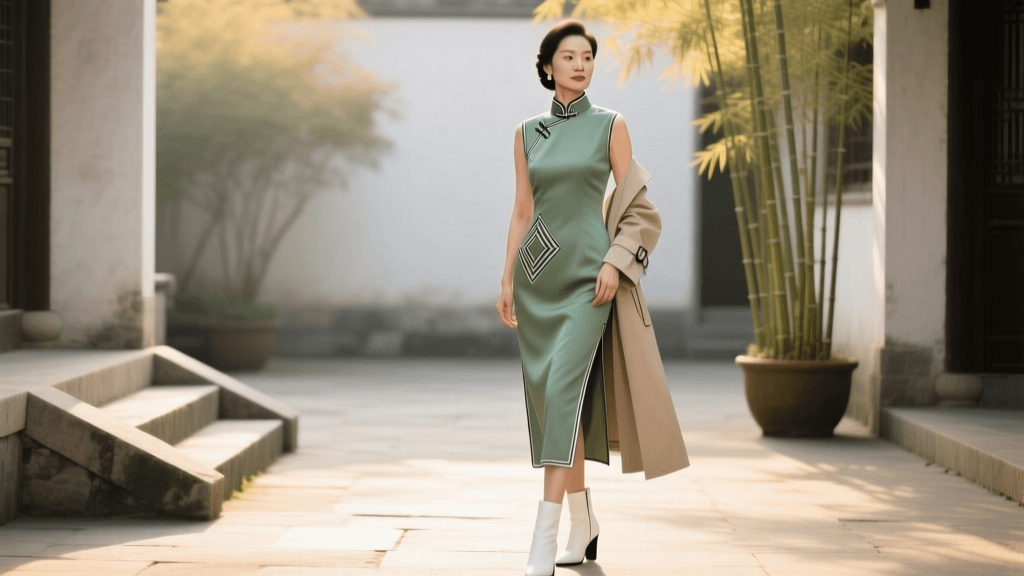
The core philosophy of Xin Zhongshi relies on the juxtaposition of traditional Chinese tailoring with contemporary Western silhouettes. As highlighted in Vogue's coverage of the trend, the movement strips away the theatricality of historical dress, focusing instead on the quiet luxury of intricate closures, natural fibers, and fluid draping. The aesthetic is characterized by restraint. Instead of loud, dragon-embroidered robes, the modern practitioner opts for tone-on-tone embroidery, subtle bamboo motifs, and structural elements like the Mandarin collar and the Pan Kou (frog button).
To successfully adopt this trend, one must adhere to the '70/30 Rule': 70% of your outfit should consist of modern, minimalist basics (like tailored trousers or simple knitwear), while 30% should feature distinct New Chinese elements. This ensures the look remains grounded in contemporary fashion rather than veering into historical reenactment.
Building Your Xin Zhongshi Capsule Wardrobe
To create a functional and stylish capsule wardrobe, focus on acquiring three foundational garments that offer maximum versatility.
1. The Modernized Mandarin Collar Blouse
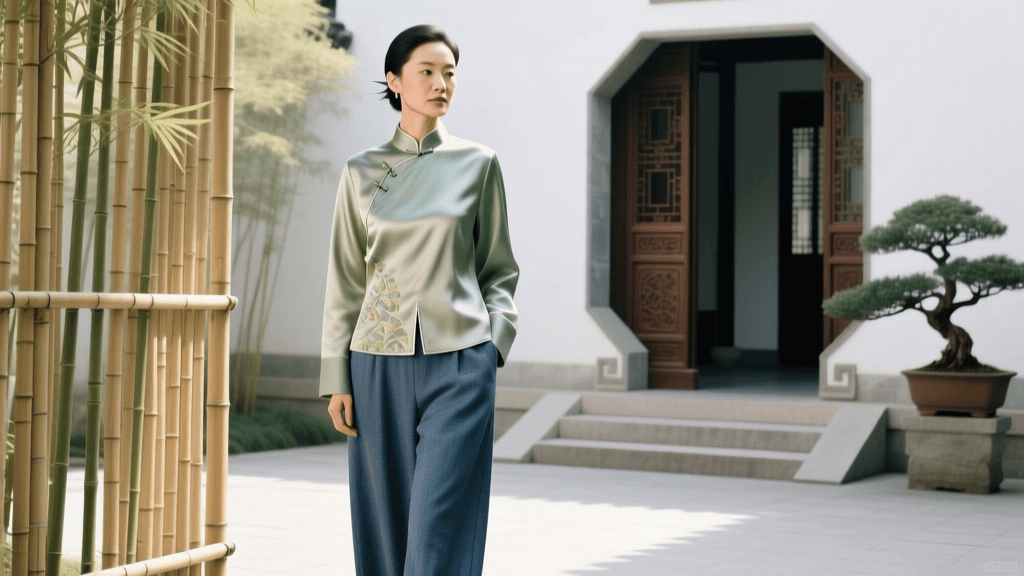
The traditional high-collared shirt can feel restrictive for all-day wear. The Xin Zhongshi adaptation lowers the collar height to a comfortable 3.5 cm to 4 cm, preventing it from digging into the jawline. Look for blouses featuring a hidden placket with only two or three decorative Pan Kou knots placed asymmetrically at the shoulder or clavicle. Actionable Tip: Opt for a Tencel-silk blend (typically 70% Tencel, 30% Mulberry Silk). This provides the subtle sheen of traditional silk but offers the wrinkle-resistance and breathability required for a standard eight-hour workday. Expect to invest between $60 and $120 for a high-quality, ethically produced piece.
2. The Everyday Mamian (Horse-Face) Skirt
Historically worn during the Ming Dynasty, the pleated Mamian skirt has been radically reimagined for modern wear. The traditional floor-length, heavy brocade versions are being replaced by midi-length (approx. 75 cm to 80 cm) skirts crafted from lightweight jacquard or matte crepe. The defining feature is the flat, non-pleated waistband (usually 10 cm to 12 cm wide) which provides a sleek, paper-bag waist silhouette when paired with a tucked-in top. Actionable Tip: Choose a skirt with a muted, tonal damask pattern rather than bright, contrasting colors. A charcoal grey or deep navy Mamian skirt can easily replace a standard pencil skirt in a professional setting.
3. The Song Dynasty Beizi (Duster Cardigan)
The Beizi is an open-front, side-slitted duster that serves as the ultimate layering piece. In the New Chinese Style wardrobe, it replaces the standard Western blazer or trench coat. Modern iterations feature dropped shoulders and side slits that begin at the hip, allowing for ease of movement. Look for outerwear crafted from raw linen or heavy crepe de chine. The subtle side slits not only provide a nod to historical accuracy but also create a beautiful, fluid motion when walking.
Fabric Selection and Care Matrix
The success of a Xin Zhongshi garment relies heavily on its textile. Traditional fabrics require meticulous care, but modern blends offer practical alternatives. Below is a comparison chart to help you make informed purchasing decisions.
| Fabric Type | Composition | Price Range (USD) | Best Use Case | Care Instructions |
|---|---|---|---|---|
| 100% Mulberry Silk | Natural Protein Fiber | $150 - $300+ | Evening wear, special occasions, luxury blouses | Dry clean only or hand wash in cold water with pH-neutral detergent. Never wring. |
| Tencel-Silk Blend | 70% Lyocell, 30% Silk | $60 - $120 | Daily office wear, summer dresses, lightweight tops | Machine wash on delicate cycle in a mesh bag. Hang dry in the shade. |
| Washed Ramie | 100% Ramie (Nettle family) | $40 - $85 | Summer dusters, wide-leg trousers, casual layering | Machine wash cold. Tumble dry low or line dry. Iron while slightly damp. |
| Silk-Brocade (Modern) | Polyester/Viscose Jacquard | $50 - $100 | Mamian skirts, structured jackets, winter layering | Spot clean or gentle machine wash. Steam to remove pleat wrinkles. |
Occasion-Based Styling Guide
Adapting your capsule wardrobe to various social and professional environments requires an understanding of proportion and accessory pairing.
- The Corporate Boardroom: Pair a charcoal grey Mamian skirt with a crisp, white modernized Mandarin-collar blouse. Add a minimalist leather belt and pointed-toe leather boots. The structured waistband of the skirt mimics the authority of a tailored suit, while the subtle jacquard pattern adds depth without distraction.
- Creative Agency / Studio: Layer a raw linen Beizi duster over a simple black turtleneck and wide-leg trousers. Accessorize with a jade pendant necklace on a delicate gold chain. This look projects artistic sensibility while maintaining supreme comfort during long working hours.
- Evening Social Events: Opt for a Tencel-silk wrap top featuring subtle Pan Kou closures at the waist. Pair with high-waisted, flowing crepe trousers. The fluid drape of the fabrics catches the light beautifully, offering an elegant alternative to the traditional cocktail dress.
Where to Shop: Keywords and Budgeting
Sourcing authentic and well-constructed New Chinese Style garments requires navigating both Western boutique platforms and Asian e-commerce giants. While platforms like YesStyle and specialized Etsy sellers offer curated selections, the most extensive variety and competitive pricing are found on Taobao and AliExpress.
When searching on these platforms, using the correct terminology is crucial. Instead of searching for 'Chinese costume' or 'qipao', use specific English translations or Pinyin terms: 'New Chinese Style blouse', 'Daily wear Mamian skirt', 'Xin Zhongshi jacket', or 'Modified Hanfu daily'. According to cultural commentators at Radii, the commercialization of this trend has led to a massive influx of specialized Taobao boutiques that cater specifically to the 'daily wear' demographic, offering custom sizing and international shipping.
Budgeting Strategy: Allocate the majority of your budget ($100+) to outerwear and skirts, where the drape and weight of the fabric are most noticeable. For blouses and inner layers, high-quality Tencel-silk blends can be sourced for $40 to $70, providing excellent value and longevity if cared for properly.
Garment Care and Longevity
Traditional elements like hand-tied Pan Kou knots and delicate pleats require specific maintenance. Never hang a Mamian skirt by the waistband on a standard hanger, as the weight of the pleats will distort the fabric over time; instead, fold it along the natural pleat lines and store it flat or hang it using a skirt hanger with wide, padded clips. For garments featuring silk embroidery, store them in breathable cotton garment bags with cedar blocks to repel moths naturally, avoiding chemical mothballs which can degrade natural protein fibers and leave an overpowering odor. By treating these garments with the same respect as high-end Western tailoring, your Xin Zhongshi capsule wardrobe will remain a timeless, elegant staple for years to come.