Top Chinese Fashion Creators Reviving Hanfu Trends 2026
The New Vanguard of Chinese Fashion Journalism
In 2026, the landscape of Chinese fashion journalism has undergone a radical transformation. The days of relying solely on glossy print magazines to dictate seasonal trends are long gone. Today, the most authoritative voices in traditional Chinese garments—specifically the burgeoning Hanfu movement—are digital content creators, independent historians, and micro-journalists operating on platforms like Xiaohongshu (RED), Bilibili, and Douyin. These creators are not merely influencers; they are meticulous researchers who bridge the gap between ancient textile archives and contemporary street style.
As the global fascination with Asian traditions deepens, these digital journalists are leading the charge in educating the public on historical accuracy, sustainable weaving techniques, and the cultural significance of garments like the Ming dynasty Mamianqun (pleated skirt) and the Song dynasty Beizi (lightweight jacket). For international enthusiasts and industry professionals alike, following these Chinese fashion blogs is essential to understanding the current zeitgeist of traditional Asian fashion.
The Shift from Runway to Digital Micro-Journalism
Traditional fashion journalism often prioritized Western luxury houses or modernized, stylized interpretations of Eastern dress. However, the 2026 cohort of Chinese fashion creators prioritizes archaeological accuracy and intangible cultural heritage. Armed with high-definition macro lenses, these bloggers visit rural weaving villages in Jiangsu and Zhejiang provinces to document the creation of Xiangyunsha (mud silk) and Song-style Luo (gauze) weaves.
Their content reads like long-form investigative journalism condensed into visually stunning digital essays. A typical viral post on Xiaohongshu might include a 2,000-word breakdown of a newly unearthed textile fragment from a tomb in Fuzhou, cross-referenced with modern manufacturing techniques, followed by a guide on how to ethically source similar fabrics today. This rigorous approach has forced commercial Hanfu brands to elevate their quality, effectively acting as a consumer-protection and historical-preservation watchdog within the fashion industry.
Key Content Creators and Blog Niches to Follow in 2026
To navigate this vast digital ecosystem, it helps to understand the primary niches that dominate Chinese fashion journalism today. Here are the dominant archetypes of creators shaping the discourse this year:
1. The Textile Detectives
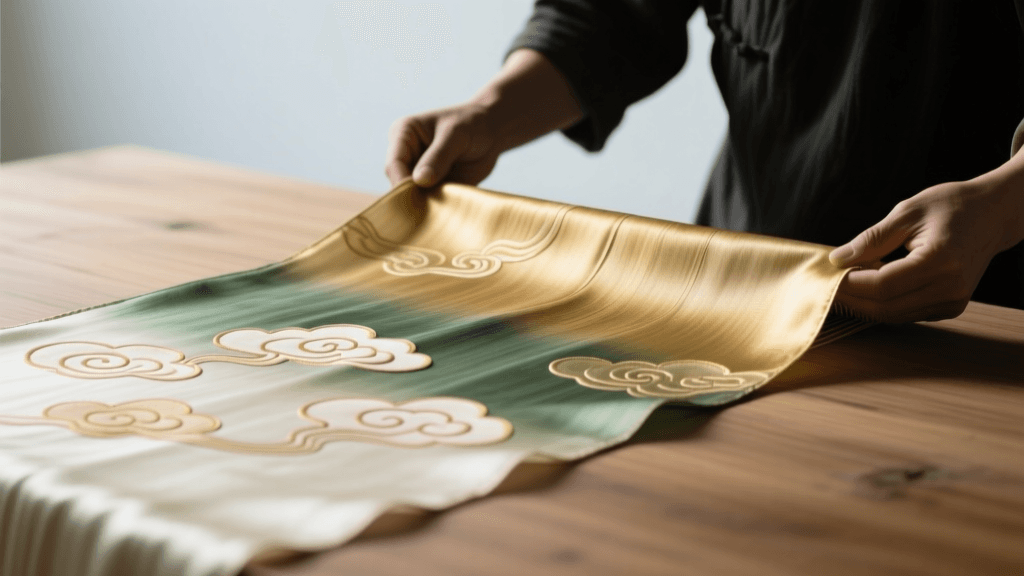
These creators focus entirely on the materiality of traditional garments. They analyze thread counts, dyeing methods (such as indigo fermentation and pomegranate bark extraction), and loom technologies. In 2026, their primary focus has been on the revival of 'Zhijin' (gold-woven) techniques, educating followers on how to distinguish between authentic metallic thread integration and cheap, mass-printed foils. They frequently cite foundational historical archives, drawing upon the extensive research found in the Metropolitan Museum of Art's Heilbrunn Timeline of Art History to provide global context to Chinese dress evolution.
2. The Dynasty Stylists
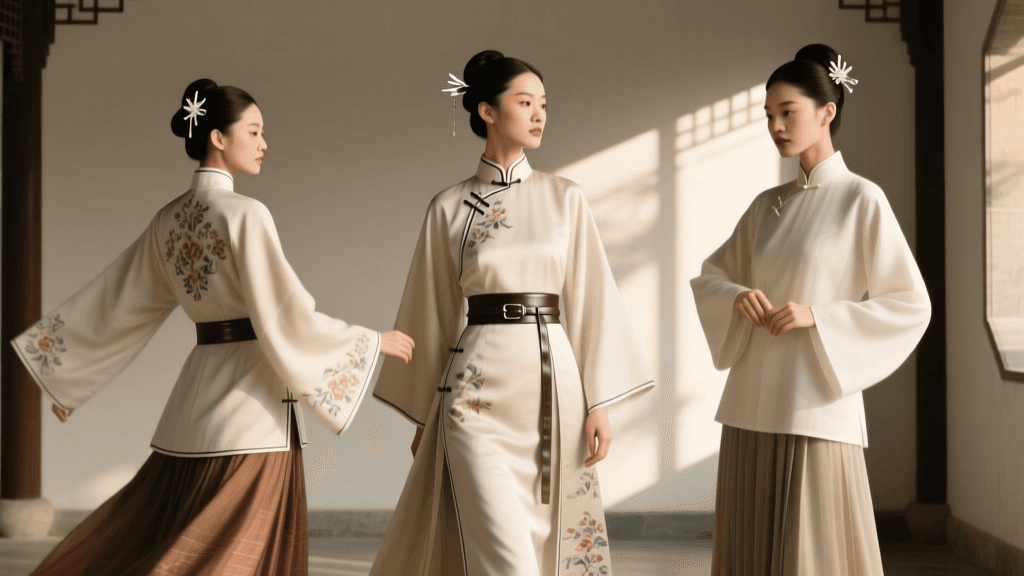
While historians focus on the past, Dynasty Stylists focus on the present application. They produce editorial lookbooks that demonstrate how to wear historically accurate Hanfu in modern urban environments. A major trend they are championing in 2026 is 'Neo-Song Minimalism'—pairing unadorned, lightweight Song dynasty tops with tailored modern trousers, creating a breathable, elegant silhouette perfect for extreme summer climates and urban commuting.
3. The Intangible Heritage Advocates
These journalists travel to remote regions to interview master artisans. Their video essays on Bilibili often exceed forty minutes, detailing the grueling, months-long process of creating a single bolt of Yunjin brocade. Their work is crucial in driving consumer spending toward ethical, artisan-supported brands rather than fast-fashion knockoffs. For deeper context on the complexity of these weaves, they often reference the structural analyses provided by the Victoria and Albert Museum's Chinese Textiles archive, using these global museum standards to hold domestic manufacturers accountable.
Decoding the 2026 Hanfu Trend Matrix
What exactly are these fashion journalists predicting and promoting this year? The consensus among top Xiaohongshu analysts points toward a rejection of overly theatrical, costume-like garments in favor of practical, historically rooted daily wear. Below is a breakdown of the dominant aesthetics currently being covered by leading Chinese fashion blogs.
| Dynasty Focus | Key Garment | Primary Fabric | 2026 Styling Vibe & Journalist Consensus |
|---|---|---|---|
| Song (960–1279) | Beizi (Jacket) & Baizhe Skirt | Luo (Gauze) & Ramie | Minimalist, intellectual, breathable. Paired with modern leather loafers and woven bamboo bags for a 'scholar-official' aesthetic. |
| Ming (1368–1644) | Mamianqun (Pleated Skirt) | Heavy Silk & Wool Blends | Structured, regal, architectural. Journalists praise brands using recycled PET-blend threads for sustainable pleat retention in daily wear. |
| Tang (618–907) | Qixiong Ruqun (Chest-high Skirt) | Jin (Brocade) & Organza | Romantic, vibrant, festival-ready. Creators are pushing for accurate color palettes derived from natural mineral dyes rather than synthetic neons. |
Actionable Guide: How to Navigate Chinese Fashion Blogs
For international readers, vintage collectors, and fashion students looking to tap into this wealth of knowledge, navigating Chinese social platforms can initially seem daunting. Here is a practical, step-by-step guide to engaging with Chinese fashion journalism in 2026.
Mastering the Search Terminology
To find high-quality journalistic content rather than simple e-commerce promotions, you must use specific hashtags and keywords on platforms like Xiaohongshu and Weibo. Save these critical search terms:
- #汉服日常 (Hanfu Daily Wear): This tag filters out theatrical photography and focuses on creators who integrate traditional garments into everyday, modern life.
- #明制汉服 (Ming System Hanfu): Use this to find highly structured, historically accurate Ming dynasty garments, which are currently the gold standard for winter and formal wear.
- #汉服科普 (Hanfu Popular Science/Education): This is the holy grail for fashion journalism. Posts under this tag feature deep dives into textile history, pattern drafting, and museum artifact analysis.
- #非遗传承 (Intangible Cultural Heritage Inheritance): Follow this tag to discover micro-documentaries about the artisans weaving the fabrics, focusing on traditional dyeing and looming techniques.
Verifying Historical Accuracy
Not all content creators adhere to strict historical standards. The best fashion journalists will always provide their primary sources. When reading a blog post or watching a video essay, look for references to specific archaeological reports (such as the Huang Sheng tomb artifacts) or historical texts like the Shiwu Jiyuan. If a creator uses terms like 'Gu装' (costume/theatrical wear) or 'Yinglou' (studio photography prop), they are openly admitting the garment is not historically accurate. True fashion journalists in the Hanfu space will rigorously critique brands that mix dynasty-specific collars or use anachronistic button placements, providing a masterclass in garment construction for their followers.
Utilizing Translation and Curation Tools
In 2026, browser extensions and AI-driven translation tools have made Xiaohongshu highly accessible to non-Mandarin speakers. However, nuanced textile terminology often gets lost in direct translation. For instance, 'Zhuanghua' (woven makeup/brocade) might simply be translated as 'patterned fabric.' To build your own glossary, keep a digital notepad of recurring Chinese textile terms and cross-reference them with English academic papers on Asian textile history. Many top Chinese creators also maintain bilingual Instagram or Substack accounts specifically to cater to the growing global audience interested in sustainable, historically rooted fashion.
The Global Impact of Digital Asian Fashion Journalism
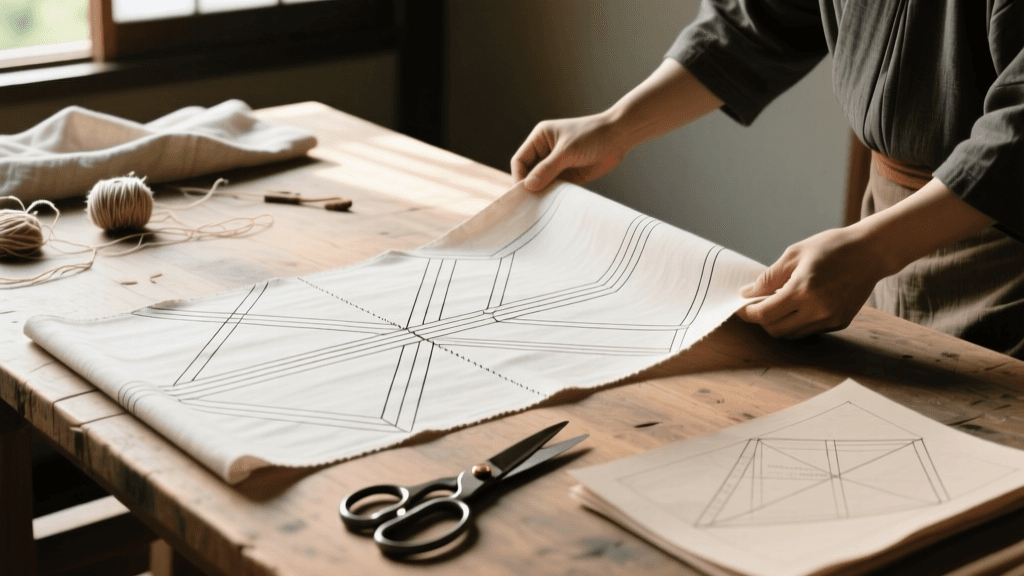
The meticulous work of these Chinese fashion bloggers is having a profound ripple effect on the global fashion industry. Western luxury houses and international sustainable fashion brands are increasingly looking to these digital journalists to understand the mechanics of zero-waste pattern cutting (such as the traditional cross-collar, right-lapel structure that utilizes the entire width of the loom without offcuts). Furthermore, the emphasis on natural, eco-friendly dyeing methods championed by these creators is setting new benchmarks for global sustainability standards.
By treating traditional garments not as relics of the past, but as living, evolving components of a modern wardrobe, Chinese fashion journalists are redefining what it means to be a fashion critic in the 21st century. They prove that true style is deeply rooted in historical literacy, material respect, and cultural continuity. For anyone serious about the intersection of Asian traditions and modern apparel, these digital archives are the ultimate frontier of fashion education.