Styling Silk Haori Jackets With Modern Tailoring: 2026 Guide

The Heritage Minimalism Movement of 2026
The global fashion landscape in 2026 is defined by a deliberate pivot away from fleeting micro-trends, favoring instead a philosophy of heritage minimalism and cross-cultural fluidity. At the forefront of this sartorial evolution is the Japanese haori. Originally worn as a protective outer layer over the kimono to shield against dust and weather, the haori has transcended its traditional boundaries to become a cornerstone of the modern, globally conscious wardrobe. Mixing traditional Asian garments with contemporary tailoring is no longer an avant-garde experiment; it is a refined, everyday practice embraced by designers and style enthusiasts alike. By integrating the structured yet fluid lines of the haori into modern outfits, you unlock a masterclass in proportion, texture, and historical reverence.
Decoding the Silhouette: Anatomy of the Haori
To successfully mix a haori with modern clothing, one must first understand its unique architectural construction. Unlike Western jackets that rely on darts, shoulder pads, and complex seaming to follow the contours of the body, the haori is cut from straight lines based on the traditional tanmono bolt of fabric. This results in a T-shaped silhouette that drapes naturally, creating an effortlessly elegant, boxy profile. Key elements include the eri (collar), which is typically worn open and folded back to reveal the inner lining or the garment worn beneath, and the sode (sleeves), which feature deep, sweeping underarm curves that allow for exceptional mobility and layering. The front panels are left entirely open, secured only by two braided ties known as chi, though in modern styling, these ties are often left dangling or removed entirely for a cleaner, more minimalist aesthetic.
Fabric Selection for the Contemporary Wardrobe
When curating a haori for a 2026 wardrobe, fabric choice dictates the versatility of the piece. Traditional silk crepe, known as chirimen, remains the gold standard. Its subtle pebbled texture catches the light beautifully and provides a luxurious contrast against matte modern fabrics like cotton poplin or wool crepe. For those seeking a more casual, everyday integration, cotton-linen blends and upcycled vintage textiles have surged in popularity this year. Sustainable fashion initiatives in Kyoto and Tokyo have led to a renaissance in naturally dyed textiles, utilizing indigo, persimmon tannin (kakishibu), and botanical dyes that align perfectly with the modern consumer's demand for eco-conscious luxury. Authentic, high-quality vintage silk haori pieces from curated Japanese exporters currently range from $150 to $400, representing an investment in wearable art that outlasts seasonal fast fashion.
Masterclass Styling Formulas
Integrating a haori requires a thoughtful approach to proportion. Because the jacket is inherently voluminous, the garments layered beneath and below it must provide structural balance. Here are three definitive styling formulas for 2026.
1. The Corporate Minimalist
Replace the standard wool blazer with a mid-length, solid-colored or subtly patterned silk haori. Pair it with a high-neck, sleeveless silk-blend bodysuit and high-waisted, wide-leg wool trousers. The wide legs of the trousers mirror the sweeping volume of the haori sleeves, creating a cohesive, elongated silhouette. Keep the color palette muted—think charcoal, deep navy, or rich plum. This look commands authority in creative corporate environments while showcasing a deep appreciation for global textile traditions. Complete the look with structured leather loafers and a minimalist top-handle bag.
2. Elevated Weekend Streetwear
For a relaxed yet highly intentional weekend aesthetic, opt for a cropped hanto haori. Layer it over a heavyweight, structured organic cotton t-shirt and straight-leg, raw-hem denim. The cropped length of the haori naturally hits at the waist, acting as a natural proportion-corrector that elongates the legs without the need for tucking. The contrast between the delicate, intricate weaving of the vintage silk and the rugged, utilitarian nature of raw denim creates a visual tension that is the hallmark of advanced streetwear styling. Finish with retro-runner sneakers and a crossbody canvas bag.
3. Evening Elegance and Fluidity
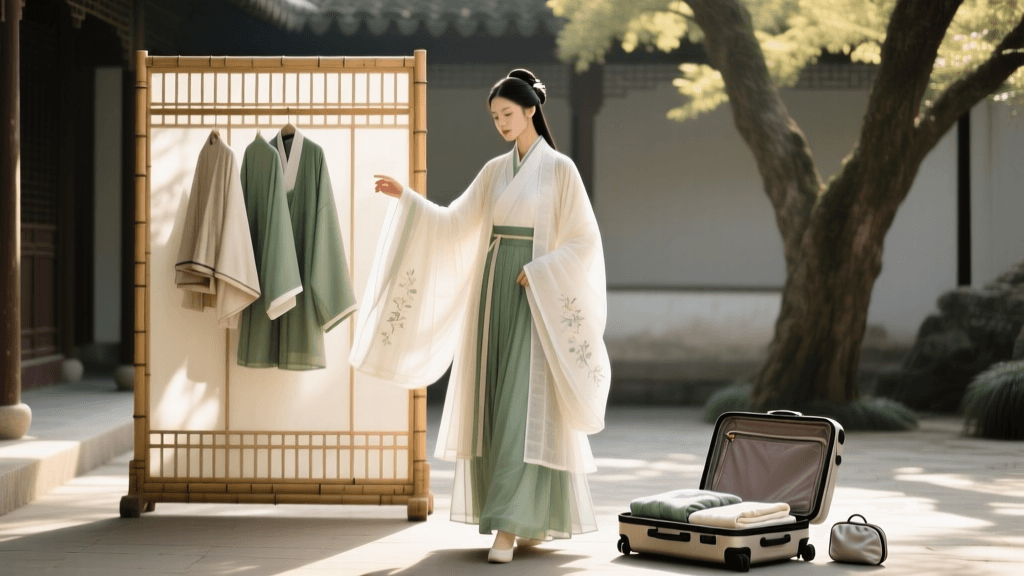
For evening engagements, the longline nagabaku haori is unparalleled. Drape a calf-length, heavily embroidered or brocade silk haori over a bias-cut, floor-length slip dress. The open front of the haori allows the fluid lines of the slip dress to remain visible, while the jacket adds a layer of warmth and dramatic movement as you walk. This styling technique relies on the interplay of textures—the glossy sheen of the bias-cut silk against the matte or intricately woven exterior of the haori. Strappy metallic sandals and delicate drop earrings ensure the look remains modern and unburdened by excessive accessories.
Proportion and Length Guide
Selecting the correct length is paramount when mixing traditional outerwear with modern separates. Use the following guide to match your haori to your intended outfit and occasion.
| Haori Style | Length & Measurement | Best Modern Pairing | Ideal Occasion |
|---|---|---|---|
| Cropped (Hanto) | Hip-bone (approx. 60-70 cm) | High-waisted denim, tailored shorts | Weekend, Casual Streetwear |
| Mid-Length (Chubaku) | Mid-thigh (approx. 80-90 cm) | Wide-leg trousers, slip dresses | Office, Smart Casual, Dinners |
| Longline (Nagabaku) | Calf-length (100+ cm) | Maxi skirts, tailored jumpsuits | Formal Events, Evening Wear |
Footwear and Accessory Integration
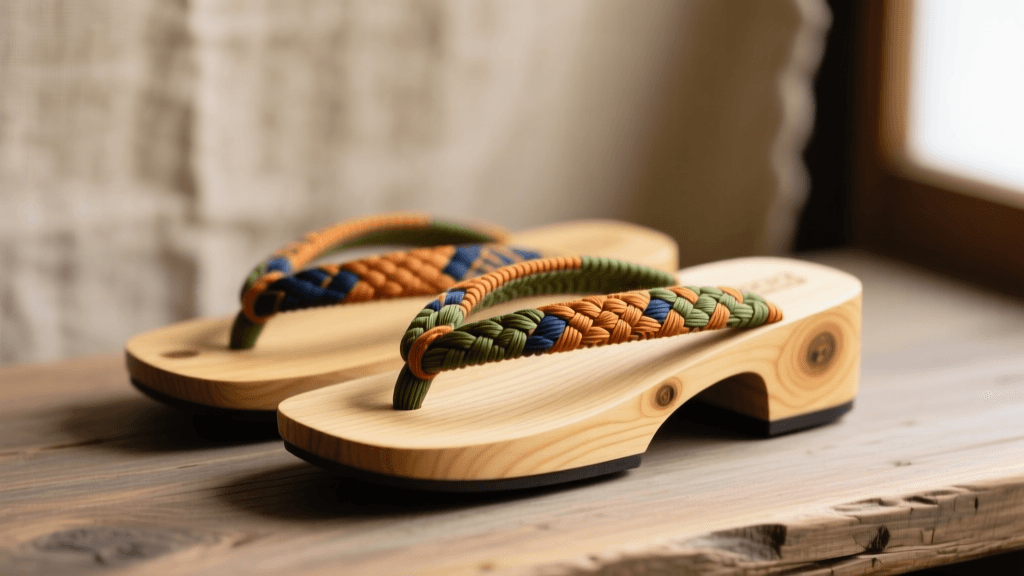
One of the most common pitfalls when styling traditional Asian garments is defaulting to overly thematic or costume-like accessories. In 2026, the rule is stark contrast. Avoid pairing your haori with traditional zori or geta unless you are attending a specific cultural festival. Instead, ground the ethereal nature of the silk with decidedly modern, structured footwear. Chunky Chelsea boots, sleek pointed-toe mules, and minimalist leather sneakers anchor the floating quality of the haori, pulling it firmly into the realm of contemporary daily wear. When it comes to jewelry, opt for sculptural, modern metals—such as asymmetrical gold cuffs or geometric silver earrings—rather than traditional hairpins or ornate jade pieces, ensuring the overall look reads as intentional fashion rather than historical reenactment.
Preservation, Care, and Maintenance
Owning a vintage or artisan-crafted silk haori requires a commitment to proper textile preservation. According to guidelines from the Metropolitan Museum of Art's textile conservation archives, silk is a protein fiber that is highly susceptible to light degradation, moisture, and improper storage. To maintain the structural integrity and visual brilliance of your garments, adhere to the following modern care protocols:
- Storage: Never hang a heavy silk haori on a thin wire hanger, as the weight of the fabric will distort the shoulder seams over time. Use a wide, padded hanger or store the garment flat, folded with acid-free tissue paper to prevent hard creases.
- Cleaning: Avoid standard commercial dry cleaning, which utilizes harsh chemicals that strip the silk of its natural luster. Seek out specialized eco-friendly wet cleaning services that utilize biodegradable solvents safe for heritage textiles.
- Refreshing: Use a professional-grade handheld garment steamer to relax the fibers, release odors, and remove light wrinkling between wears without applying direct, damaging heat.
As we navigate the fashion landscape of 2026, the integration of the haori into everyday modern dress stands as a testament to the enduring power of cross-cultural appreciation. By respecting the garment's historical roots while boldly recontextualizing it through modern tailoring and styling, we create a wardrobe that is not only visually stunning but deeply meaningful. For further exploration into the historical context of these garments, the Victoria and Albert Museum's extensive archives on Japanese dress offer a wealth of knowledge, bridging the gap between ancient craftsmanship and contemporary style.