Traditional Geta & Zori Craft 2026: Paulownia Wood & Hanao Art
The Rhythmic Revival of Japanese Footwear
The rhythmic karankoron clack of wooden soles against stone is one of the most evocative sensory experiences in Japanese culture. In 2026, traditional Japanese footwear—specifically geta (elevated wooden clogs) and zori (flat sandals)—is experiencing a profound renaissance. No longer relegated solely to summer festivals or ceremonial wear, these garments are being embraced by a new generation of artisans and global fashion enthusiasts who value sustainable craftsmanship, ergonomic mindfulness, and deep cultural heritage. At the heart of this revival is the meticulous craft of Kiri (paulownia) wood carving and the intricate art of Hanao (thong strap) weaving. This comprehensive guide explores the materials, techniques, and modern adaptations defining bespoke Japanese footwear in 2026.
The Soul of the Sole: Sourcing Sustainable Kiri Wood
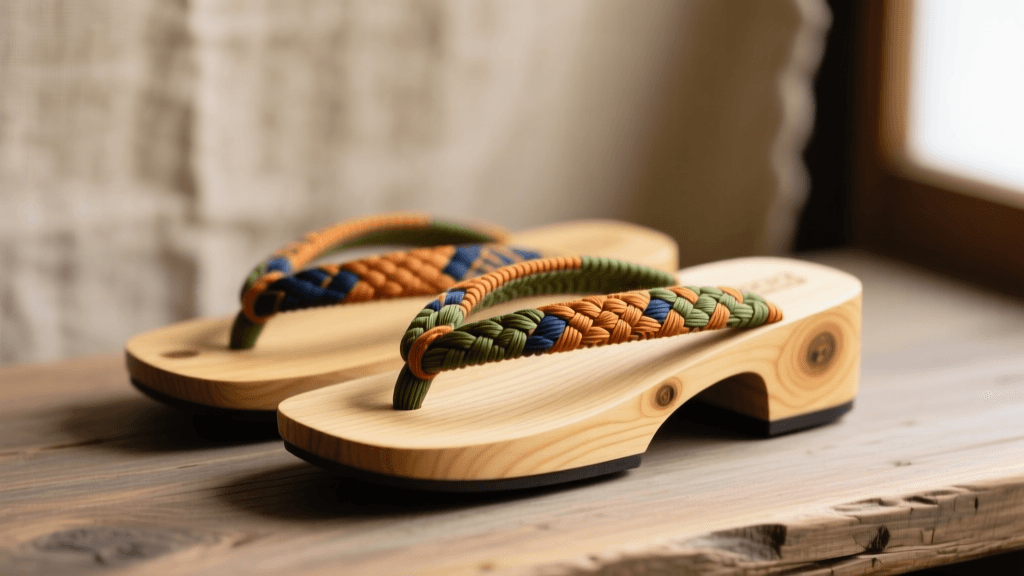
The foundation of any high-quality geta or wooden-soled zori is the base, known as the dai. For centuries, Japanese artisans have favored Kiri (Paulownia tomentosa) for this purpose. Kiri is exceptionally lightweight, highly resistant to moisture and rot, and possesses a natural thermal insulating property that keeps the feet cool in the humid Japanese summer and warm in the winter.
In 2026, the sourcing of Kiri wood has become a focal point of sustainable forestry initiatives in Japan's Tohoku and Kyushu regions. Artisans now prioritize haguruma (rotational) harvesting methods that ensure the rapid regrowth of paulownia trees, which can reach maturity in just 10 to 15 years. According to the Ministry of Economy, Trade and Industry (METI), the integration of eco-certified timber in traditional crafts has surged, with over 60% of registered footwear ateliers now utilizing sustainably managed domestic Kiri plantations.
The carving process remains a fiercely guarded artisanal skill. Master woodworkers use specialized kanna (hand planes) to shape the dai, ensuring the grain runs longitudinally to maximize structural integrity. The base is then polished to a silken finish, often left bare to showcase the wood's pale, elegant grain, or treated with natural tung oil to enhance its water resistance without relying on synthetic polyurethanes.
Hanao-Suge: The Intricate Art of Strap Weaving
If the wooden base is the soul of the footwear, the hanao (the V-shaped thong strap) is its heartbeat. The craft of attaching and weaving these straps, known as hanao-suge, requires immense dexterity and an understanding of biomechanics. The strap passes through three holes drilled into the wooden base and is secured underneath using complex knotting techniques that allow for tension adjustment and eventual replacement.
The material landscape for hanao has evolved significantly by 2026. While traditional velvet, brocade silk, and woven cotton remain popular for ceremonial zori, everyday geta now feature innovative, sustainable textiles. Artisans are weaving straps from upcycled kimono silk, vegan pineapple leather (Piñatex), and high-tenacity recycled PET fibers that offer superior durability against urban friction. The inner core of the strap, traditionally made of twisted hemp or cotton cord, is now frequently reinforced with a flexible elastomer filament, providing the necessary tensile strength while maintaining the soft, forgiving touch against the sensitive webbing of the toes.
Bespoke hanao weaving also allows for deep personalization. Clients commissioning footwear in 2026 often select strap colors and textures that coordinate with specific yukata or modern streetwear, blending Edo-period aesthetics with contemporary minimalist fashion.
2026 Ergonomic Adaptations for Urban Landscapes
Historically, geta were designed for the dirt paths and wooden floors of pre-modern Japan. Walking on modern asphalt and concrete requires significant adaptations to prevent joint fatigue and excessive wear on the wooden teeth (ha). In 2026, master craftsmen have perfected the integration of hidden ergonomic technologies.
- Vulcanized Rubber Caps: Almost all everyday geta now feature flush-mounted, high-density rubber caps on the bottom of the ha. These caps absorb shock, reduce the loud clacking noise in quiet urban environments, and provide essential grip on wet pavement.
- Contoured Footbeds: Rather than a completely flat dai, modern bespoke geta feature a subtle concave carve that cradles the heel and supports the transverse arch, promoting better weight distribution.
- Asymmetrical Tooth Placement: Some advanced artisanal models feature slightly angled or asymmetrical ha to better align with the natural pronation of the human foot during the heel-to-toe walking cycle.
Zen Spirituality and the Sensory Experience of Walking
Beyond physical ergonomics, wearing geta and zori is deeply tied to Zen spirituality and mindfulness. Unlike modern sneakers that isolate the foot from the ground with thick foam, traditional Japanese footwear offers direct sensory feedback. The wearer feels the texture of the earth, the slope of the path, and the temperature of the environment. This heightened sensory input forces the wearer to walk with intention, engaging the core, maintaining an upright posture, and practicing a form of moving meditation. The Tokyo National Museum frequently highlights in its textile and lifestyle exhibitions how the physical constraints of traditional garments historically cultivated a deliberate, graceful, and mindful physical presence.
Comprehensive Guide: Geta vs. Zori vs. Setta (2026 Market)
For collectors and enthusiasts looking to invest in traditional footwear, understanding the distinctions between the primary styles is essential. Below is a comparative breakdown of the three most prominent styles available in the 2026 market.
| Footwear Type | Base Material & Structure | Primary Use Case (2026) | Avg. Bespoke Price (JPY / USD) |
|---|---|---|---|
| Geta | Solid Kiri wood with elevated teeth (ha). | Summer festivals, yukata pairing, casual streetwear. | ¥18,000 - ¥35,000 / $120 - $235 |
| Zori | Flat base; stacked leather, vinyl, or woven igusa (rush grass). | Formal ceremonies, kimono wear, tea ceremonies. | ¥25,000 - ¥60,000 / $165 - $400 |
| Setta | Flat leather sole with a woven igusa top layer and metal heel cap. | Traditional martial arts, rakugo performers, smart-casual menswear. | ¥22,000 - ¥45,000 / $145 - $300 |
Care, Maintenance, and Longevity
The longevity of geta and zori is a testament to their sustainable design. Unlike glued synthetic shoes that end up in landfills, traditional Japanese footwear is entirely modular. When the hanao frays after years of use, it can be easily replaced by a cobbler in a process that takes less than twenty minutes. The wooden base, if it becomes scuffed or dried out, can be lightly sanded and re-oiled, effectively resetting its lifespan. In 2026, many Tokyo-based ateliers offer lifetime hanao-suge services for their bespoke clients, reinforcing the circular economy model that is inherent to traditional Japanese craftsmanship.
Commissioning Bespoke Footwear in 2026
For those seeking authentic, custom-made footwear, visiting specialized districts like Tokyo's Asakusa or Kyoto's Gion remains the gold standard. Historic establishments such as Tsujiya Honten in Asakusa continue to lead the industry, offering personalized fittings where artisans measure the exact width of the foot, the height of the arch, and the gap between the big and second toe to ensure the hanao knot sits perfectly without causing friction. Lead times for fully bespoke, hand-carved Kiri geta with custom-woven silk straps typically range from four to eight weeks, reflecting the unhurried, deliberate pace of true artisanal mastery. As global interest in heritage crafts continues to grow, investing in a pair of bespoke geta or zori is not merely a fashion choice, but a profound commitment to preserving the living history of Asian traditions.