Ceremonial vs Everyday Hanbok: 2026 Wardrobe & Styling Guide
The Evolution of Korean Dress: Navigating Ceremonial and Everyday Hanbok in 2026
The Korean hanbok is a masterclass in structural elegance, characterized by its vibrant colors, flowing lines, and deep cultural resonance. However, as we move through 2026, the global and domestic appreciation for traditional Asian garments has evolved beyond mere museum preservation. Today, the hanbok exists in two distinct but equally important spheres: the ceremonial Myeongjeol Hanbok and the everyday Saenghwal Hanbok. Understanding the divide between these two categories is essential for anyone looking to build an authentic, versatile, and culturally respectful traditional wardrobe.
According to cultural historians and archives at the National Folk Museum of Korea, the fundamental architecture of the hanbok—the upper garment (jeogori) and the lower garment (chima for women, baji for men)—has remained remarkably consistent for centuries. Yet, the way these garments are constructed, sourced, and styled in 2026 reflects a modern desire for both grand ceremonial heritage and practical daily wear. Whether you are preparing for a traditional Chuseok celebration, attending a formal wedding, or simply wishing to incorporate Korean heritage into your daily street style, this comprehensive guide will help you navigate the nuances of ceremonial versus everyday hanbok.
Understanding the Core Distinction
Myeongjeol Hanbok: The Ceremonial Standard
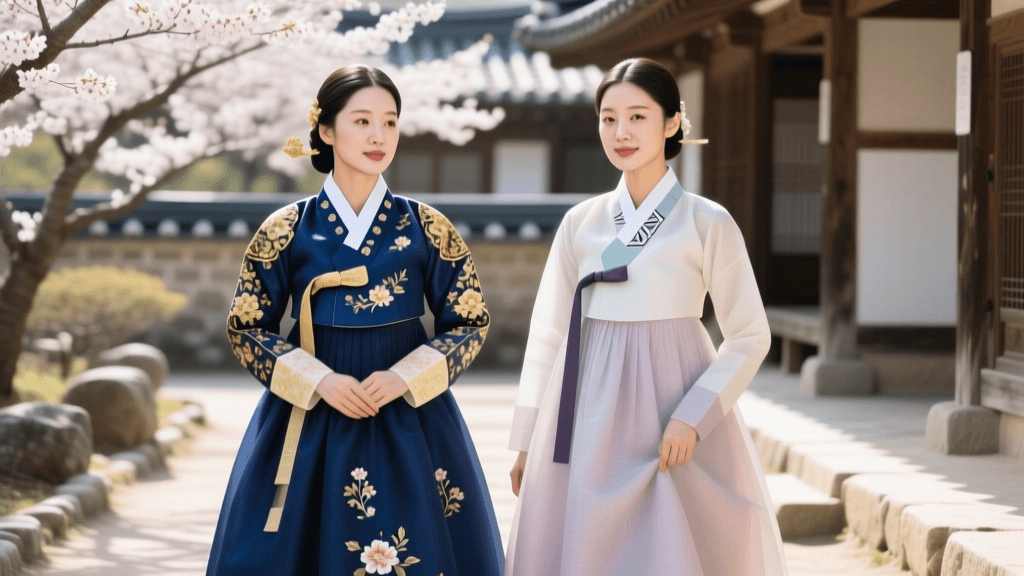
Myeongjeol Hanbok translates roughly to 'holiday' or 'ceremonial' hanbok. This is the garment reserved for significant life events and major lunar holidays such as Seollal (Lunar New Year) and Chuseok (Korean Thanksgiving). Ceremonial hanbok is defined by its strict adherence to traditional silhouettes, luxurious textiles, and symbolic color palettes rooted in the Obangsaek (the traditional Korean five-color spectrum). In 2026, wearing a fully traditional Myeongjeol hanbok is a profound statement of cultural pride, often accompanied by intricate braided hairstyles, formal accessories, and traditional footwear.
Saenghwal Hanbok: The Everyday Revolution
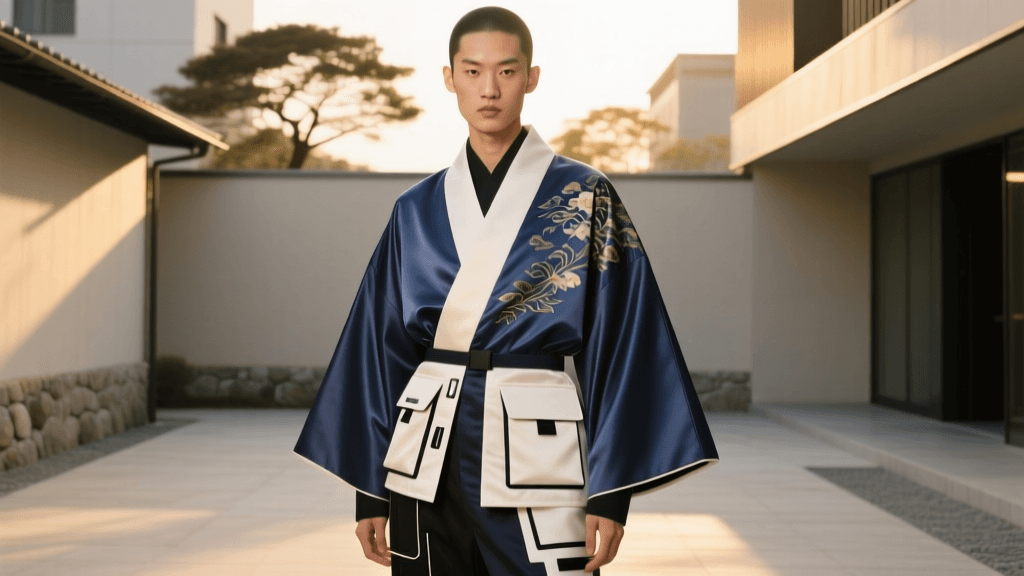
Saenghwal Hanbok translates to 'living' or 'everyday' hanbok. This category emerged from a grassroots movement to reclaim traditional dress for daily life, stripping away the restrictive elements of formal wear while retaining the iconic hanbok silhouette. Saenghwal hanbok prioritizes comfort, mobility, and modern aesthetics. It features simplified collars, integrated pockets, machine-washable fabrics, and muted, contemporary colorways. It is the hanbok you wear to a cafe in Seoul, to an art gallery, or even to the office.
2026 Comparison Chart: Ceremonial vs. Everyday Hanbok
To make informed purchasing and styling decisions, it is crucial to understand how these two garment types differ in construction and material. The following table outlines the primary distinctions as of the 2026 fashion season.
| Feature | Ceremonial (Myeongjeol) | Everyday (Saenghwal) |
|---|---|---|
| Primary Textiles | Mulberry silk, brocade, high-grade ramie | Cotton-linen blends, bio-washed ramie, vegan peace silk |
| Silhouette | Traditional volume, floor-length chima, wide sleeves | A-line midi skirts, tailored jeogori, tapered sleeves |
| Fasteners | Silk ribbons (goreum), hidden hooks | Hidden magnetic snaps, side zippers, simplified ties |
| Color Palette | Vibrant Obangsaek, metallic embroidery | Earth tones, pastels, monochromatic neutrals |
| 2026 Price Range | $400 - $2,500+ (Bespoke/Artisan) | $80 - $350 (Ready-to-wear/Boutique) |
| Care Requirements | Professional dry clean only, steam pressing | Gentle machine wash (cold), line dry |
Ceremonial Hanbok in 2026: Fabrics, Fit, and Formality
The ceremonial hanbok market in 2026 has seen a remarkable renaissance in sustainable luxury. While traditional mulberry silk remains the gold standard for weddings and major ancestral rites (jesa), modern artisans are increasingly utilizing temperature-regulating silk blends and ethically sourced vegan peace silks that offer the same lustrous drape without the environmental toll.
Structural Elements and Tailoring
When commissioning or purchasing a ceremonial hanbok, the fit of the jeogori (jacket) is paramount. The traditional 2026 formal fit requires the jacket to end just below the bust line, with the git (collar) framing the neck elegantly without choking the wearer. The somae (sleeves) should feature the traditional curved baerae shape, which creates a beautiful, sweeping arc when the arms are raised. The chima (skirt) must be pleated meticulously to provide the iconic bell-like volume, often requiring up to eight yards of fabric to achieve the proper ceremonial drape.
Accessorizing the Ceremonial Look
A ceremonial hanbok is incomplete without its accompanying accessories. In 2026, the norigae (decorative pendant) remains a vital status symbol and aesthetic anchor, tied to the outer coat string or the waistband of the skirt. Contemporary jewelers in Seoul's Insadong district are currently blending traditional jade and coral motifs with minimalist 18k gold settings, bridging the gap between antique heirloom and modern luxury. Footwear has also evolved; while traditional kkotsin (floral silk shoes) are still worn for weddings, modernized leather versions with discreet arch support and rubberized soles have become the standard for holiday gatherings, ensuring comfort during long days of family visits.
Everyday Saenghwal Hanbok: Integrating Heritage into Daily Life
The true triumph of the 2026 Asian traditional garment movement is the widespread adoption of the Saenghwal hanbok. As noted by cultural encyclopedias like Encyclopædia Britannica, the hanbok's basic form has historically adapted to the practical needs of its wearers, and today's everyday iterations are no exception.
Modern Styling Combinations
The beauty of the Saenghwal hanbok lies in its modularity. You do not need to wear a full traditional set to honor the aesthetic. Here are three highly popular styling formulas for 2026:
- The Urban Professional: Pair a structured, collarless cotton jeogori in charcoal or navy with high-waisted, wide-leg tailored trousers. The jeogori acts as a sophisticated, cropped jacket that elevates a standard office wardrobe.
- The Weekend Cafe: Combine a muted, pastel-toned wrap chima (skirt) with a fitted, ribbed turtleneck sweater. The contrast between the modern, form-fitting knit and the flowing traditional skirt creates a striking, romantic silhouette.
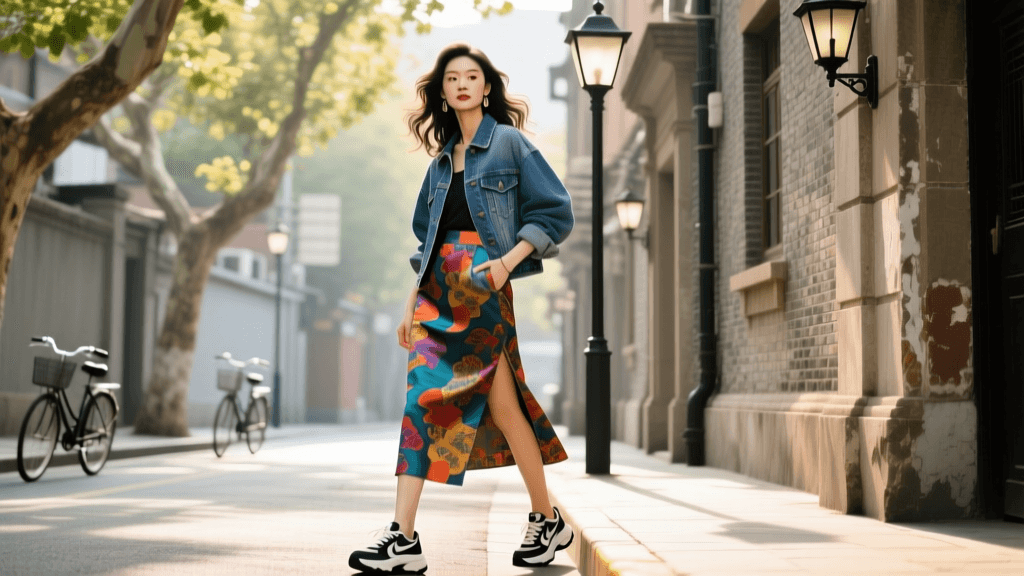
- The Streetwear Fusion: Wear an oversized, linen-blend jeogori as an open layering piece over a simple white t-shirt and vintage denim. This relaxed approach highlights the garment's architectural seams while keeping the vibe effortlessly casual.
Functional Innovations
Designers of everyday hanbok have listened closely to consumer demands. The most significant innovation in 2026 is the integration of deep, hidden pockets within the side seams of the chima and baji. Additionally, the traditional long silk ties (goreum) have been shortened or replaced with discreet internal magnetic clasps, preventing them from dragging in rain or catching on public transit doors.
Building Your 2026 Hanbok Capsule Wardrobe
If you are looking to invest in traditional Korean garments, building a capsule wardrobe is the most cost-effective and versatile approach. We recommend starting with the following foundational pieces:
- One Bespoke Ceremonial Set: Invest in a high-quality, custom-fitted silk or premium ramie set in a universally flattering, jewel-toned palette (such as deep plum or emerald). This will serve you for weddings, formal galas, and major holidays for decades. Expect to invest between $600 and $1,200.
- Two Everyday Jeogori: Purchase two cotton or linen-blend jackets in neutral colors (one light, one dark). These can be rotated and mixed with your existing Western wardrobe. Budget approximately $120 to $180 each.
- One Versatile Chima: A solid-colored, A-line midi skirt with an elasticized or adjustable waistband. Ensure it has pockets. Budget around $150.
'The modern hanbok is not about rejecting the past; it is about translating the wisdom of traditional tailoring into a language that the modern body can speak comfortably every single day.' — Seoul Textile & Heritage Institute, 2026 Annual Report
Care and Maintenance: Preserving Your Garments
Proper care is the difference between a garment that lasts a season and an heirloom that lasts a generation. The maintenance protocols for ceremonial and everyday hanbok differ vastly due to their textile compositions.
Caring for Ceremonial Silks
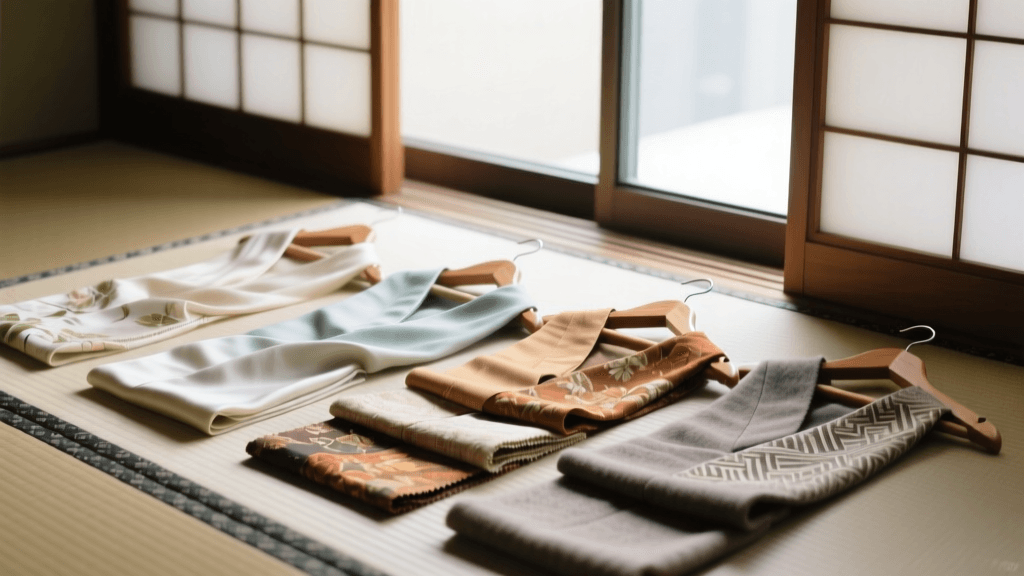
Never attempt to wash ceremonial silk at home. Water will destroy the structural integrity of the pleats and cause the dyes to bleed. In 2026, seek out dry cleaners who specialize in traditional garments and use eco-friendly, non-toxic solvents. When storing your ceremonial hanbok, avoid wire hangers, which will distort the shoulders of the jeogori. Instead, fold the garments along their natural seam lines, wrap them in breathable, unbleached cotton cloth (bojagi), and store them in a cedar chest. Include natural nabi-jang (traditional herbal moth repellents) or modern cedar blocks to protect the fibers from pests without introducing harsh chemical odors into the silk.
Caring for Everyday Cottons and Linens
Saenghwal hanbok is designed for real life. Most cotton and linen blends can be machine washed, but you must use a gentle cycle with cold water (maximum 30°C) and a mild, pH-neutral detergent. Never use bleach or fabric softeners, as these break down the natural fibers and dull the traditional dyes. Line dry the garments in the shade; direct sunlight will fade the colors rapidly. To remove wrinkles, use a steam iron on the reverse side of the fabric. If the garment features a stiffened collar (dongjeong), avoid ironing directly over it to maintain its crisp, curved shape.
Conclusion: Honoring Tradition Through Daily Practice
The dichotomy between the ceremonial Myeongjeol hanbok and the everyday Saenghwal hanbok represents the beautiful duality of Korean culture itself—a deep reverence for historical formalities paired with a dynamic, forward-looking approach to daily life. By understanding the distinct purposes, fabrics, and styling rules of both categories, you can curate a wardrobe in 2026 that not only respects the profound legacy of Asian traditional garments but seamlessly integrates their timeless elegance into your modern reality.