Kimono Travel Guide 2026: Packing, Transport & Care Tips
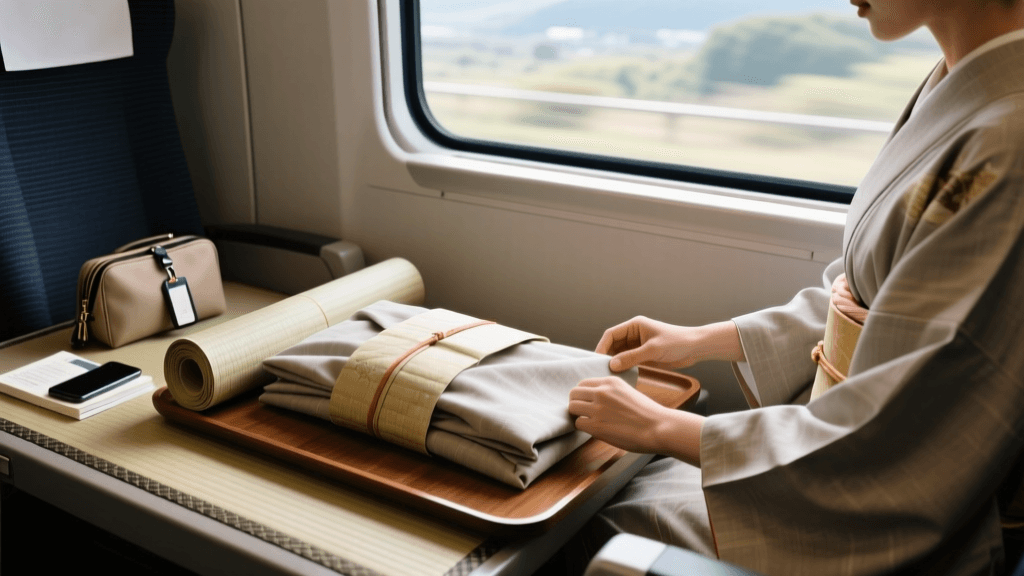
The Renaissance of Kimono Travel in 2026
Traveling with a traditional Japanese kimono in 2026 represents a beautiful intersection of heritage preservation and modern mobility. As global interest in slow fashion and immersive cultural tourism reaches new heights this year, more enthusiasts are choosing to transport their own silk garments across the country and around the world. Whether you are embarking on a multi-city tour of Japan, attending an international textile symposium, or simply navigating the bustling streets of Kyoto, mastering the logistics of kimono transport is essential. The Japan National Tourism Organization notes that cultural immersion remains a top priority for visitors in 2026, making the proper care of traditional garments a vital skill for the modern traveler.
Unlike everyday clothing, a kimono requires meticulous attention to humidity, friction, and structural folding. Silk is a protein fiber that reacts to environmental changes, meaning the transition from a climate-controlled hotel room to the humid outdoor air or the dry cabin of an airplane can cause wrinkles, dye transfer, or permanent creasing. This comprehensive guide will equip you with the precise techniques, modern gear, and cultural etiquette required to travel seamlessly with your kimono in 2026.
Essential Gear for Kimono Transport
To protect your garment from the rigors of travel, you must assemble a specialized packing kit. The era of simply stuffing delicate textiles into standard luggage is over. In 2026, textile preservation technology offers travelers lightweight, highly effective solutions for garment care on the go.
- Tatorigami (Wrapping Paper): This is the most critical component of your kit. Tatorigami is a specialized, acid-free, moisture-wicking paper used to wrap the kimono. It prevents dye transfer, absorbs excess humidity, and provides a buffer against friction. Always use fresh, uncreased tatorigami for travel.
- Kimono Carry Bag (Tatou Bag): A breathable, non-woven fabric bag designed specifically to hold the folded kimono. Avoid plastic dry-cleaning bags, as they trap moisture and encourage mold growth, especially during transit through varying climate zones.
- Portable Wrinkle Release Spray: Modern 2026 formulations are enzymatic and safe for delicate silks. Look for alcohol-free, botanical-based sprays that relax fibers without leaving water spots.
- Desiccant Packs (Silica Gel): Small, travel-sized silica packets placed inside the tatou bag to regulate humidity and protect against sudden temperature shifts during flights or train rides.
- Tabi Case: A dedicated, structured pouch for your split-toe tabi socks to keep them crisp and separate from the rest of your accessories.
The Art of Packing: The Tatami Folding Technique
The traditional folding method, known as tatami (not to be confused with the straw floor mats, though they share the same linguistic root regarding folding), is designed to distribute stress evenly across the seams and prevent deep, permanent creases in the silk. Mastering this technique is mandatory for any traveling kimono enthusiast.
Step-by-Step Folding Guide
- Preparation: Lay the kimono face down on a clean, dry surface. Ensure your hands are clean and free of oils. Smooth out any existing wrinkles with your palms.
- Aligning the Seams: Fold the left front panel over to align with the right back seam. The kimono should now form a long, vertical rectangle. Ensure the collar and hem are perfectly straight.
- Folding the Sleeves: Fold the left sleeve back over the body of the kimono. Then, fold the right sleeve underneath or over, depending on the specific school of folding you follow, ensuring the sleeves do not overlap in a way that creates bulk.
- Horizontal Folds: Fold the bottom hem up to meet the collar. Then, fold the garment in half or thirds horizontally, depending on the length of your tatorigami and storage bag.
- Wrapping in Tatorigami: Place the folded kimono in the center of the tatorigami. Fold the paper tightly around the garment, tucking the flaps securely. The paper should be snug but not compressing the silk.
Never fold a kimono exactly along the same crease lines every single time. In 2026, master artisans recommend shifting your fold lines by a few millimeters during each packing session to prevent permanent fiber breakage along the stress points.
Navigating Transit: Shinkansen, Flights, and Taxis
Transit environments pose unique threats to traditional garments. The vibration of a train, the confined space of an airplane cabin, and the friction of a car seat can all compromise your kimono's pristine condition. Below is a strategic comparison of transit methods and the corresponding care protocols recommended for travelers.
| Transit Mode | Primary Risk to Garment | Mitigation Strategy | Etiquette & Comfort Tip |
|---|---|---|---|
| Shinkansen (Bullet Train) | Friction from seats, wrinkling from prolonged sitting. | Use a silk furoshiki or travel shawl over the seat back. Smooth the obi before sitting. | Keep your bag on the overhead rack or lap; do not place it on the floor where it can be kicked. |
| Airplane (Cabin) | Dry air causing static, cramped seating causing deep creases. | Carry the kimono in a breathable garment bag. Request the flight attendant to hang it in the first-class closet if available. | According to All Nippon Airways, delicate items should be hand-carried. Never check silk garments in the cargo hold. |
| Taxi / Rideshare | Stains from leather seats, snagging on seatbelt buckles. | Sit on a clean cotton tenugui (hand towel) to protect the kimono hem and obi from seat oils. | Enter the vehicle sideways, sitting down first, then swinging your legs in to avoid dragging the hem across the door frame. |
| Walking (Urban Transit) | Splashes, dust, hem dragging on uneven pavement. | Wear a traditional shigure (raincoat) if the weather is uncertain. Lift the hem slightly when navigating stairs. | The Kyoto City Tourism Association advises walking on the left side of narrow streets and being mindful of passing bicycles. |
On-the-Go Maintenance and Emergency Kits
Even with flawless packing, wearing a kimono while traveling exposes the garment to the elements. Building a compact, travel-friendly emergency kit is crucial for on-the-go maintenance. In 2026, miniaturized textile care tools make it easier than ever to carry a full repair kit in a standard handbag.
- Spare Kohaze (Tabi Hooks): The metal hooks on your tabi socks can snap under the pressure of long walking days. Carry three spare brass kohaze and a small threading needle.
- Waterless Silk Spot Cleaner: A pen-style, waterless enzymatic cleaner is essential for treating accidental food splashes or street dirt immediately. Water can cause permanent rings on certain silk weaves, making waterless formulas the gold standard for travel.
- Microfiber Tenugui: A modern microfiber blend tenugui absorbs sweat and oils instantly. Place it between your neck and the haneri (collar cover) on hot days to prevent sebum stains, which are notoriously difficult to remove from silk.
- Obi Clip and Koshihimo Backup: Elastic modern koshihimo (tying cords) can lose their grip after hours of wear. A discreet metal obi clip can secure your sash temporarily while you find a private space to readjust.
- Portable UV-C Wand: For travelers staying in varied accommodations, a small UV-C sanitizing wand can be used to freshen up the inside of your kimono carry bag and eliminate odor-causing bacteria without using harsh chemical sprays on the silk.
Cultural Etiquette and Preservation Mindset
Traveling with a kimono extends beyond physical preservation; it encompasses a deep respect for the cultural weight of the garment. When navigating public spaces, transit hubs, and tourist destinations in 2026, maintaining proper etiquette reflects your dedication to the tradition.
When sitting in public spaces, always practice the seiza (kneeling) or modified sitting posture to keep the kimono's hem aligned and the obi from crushing against the chair back. If you must sit in a Western-style chair, sit shallowly and keep your back straight to minimize fabric stress. Furthermore, when visiting temples or shrines, be mindful of the sweeping grounds; the hem of your kimono acts as a brush, and dragging it through gravel or dust will embed particles into the silk fibers.
Finally, upon returning to your accommodation, never immediately seal your kimono back into its bag. Unwrap the tatorigami, hang the kimono on a specialized wide-shouldered kimono hanger (emono kake) in a well-ventilated, shaded area for at least twelve hours. This allows the fibers to breathe, releases transit-induced wrinkles naturally, and ensures that any trapped humidity evaporates before the garment is packed away for the next leg of your journey. By combining these time-honored preservation techniques with modern 2026 travel innovations, you ensure that your kimono remains a vibrant, living piece of history, ready to be worn with pride wherever your travels take you.