Hanfu Travel Guide 2026: Silk Packing Tips & Top Photo Spots
The Renaissance of Hanfu Tourism in 2026
The global and domestic surge in Hanfu tourism has fundamentally transformed how travelers experience East Asia's historical landmarks. In 2026, wearing traditional Hanfu while visiting ancient sites is no longer a niche hobby but a mainstream cultural movement. With China's expanded high-speed rail network making multi-city heritage tours more accessible than ever, enthusiasts are flocking to ancient capitals and classical gardens to capture breathtaking photography. However, traveling with authentic Hanfu—particularly those crafted from delicate mulberry silk, intricate Song brocade, or luxurious Xiangyunsha (gambiered Canton gauze)—presents a unique logistical challenge. These garments are prized for their fluid drape and historical accuracy, but they are notoriously prone to creasing and damage during transit.
Whether you are planning a weekend photoshoot at a classical garden or a week-long immersion in ancient capitals, mastering the art of packing and maintaining your garments on the road is essential. This comprehensive guide covers the best packing strategies for delicate textiles and highlights the premier destinations for Hanfu photography in the 2026 travel season.
Essential Packing Strategies for Delicate Silk Hanfu
Silk is a natural protein fiber that requires careful handling. The friction and compression of a standard suitcase can cause permanent micro-creases in high-momme silk fabrics. To preserve the structural integrity and visual flow of your Hanfu, you must adopt specialized packing techniques.
The Bundle Wrapping Technique
Unlike the traditional folding method, which creates hard creases along the garment's seams, bundle wrapping utilizes a central core to distribute the fabric evenly. Begin by laying your Hanfu skirt (such as a Ming dynasty Mamianqun) flat. Place a soft core—like a rolled-up sweater or a dedicated packing cube—in the center of the garment. Gently wrap the silk around the core, allowing the fabric to curve naturally without sharp folds. For the upper garments (Ao or Ru), lay them face down, fold the sleeves inward gently, and roll them from the hem to the collar. This method minimizes tension on the silk fibers and significantly reduces wrinkling.
Must-Have Packing Gear for 2026
Investing in the right travel gear is non-negotiable for serious Hanfu enthusiasts. The Eagle Creek Pack-It Isolate Garment Folder remains a top choice in 2026 for its lightweight, water-resistant ripstop material and structured folding board. When using a garment folder, always interleave your silk layers with acid-free, unbuffered tissue paper. The tissue paper acts as a friction barrier, preventing the silk from rubbing against itself and reducing the likelihood of deep-set wrinkles.
- Acid-Free Tissue Paper: Essential for buffering silk layers and preventing color transfer on multi-dyed garments.
- Silk Laundry Bags: Use individual mesh or silk drawstring bags for accessories like Yunjian (cloud shoulders) and Pibo (silk ribbons) to prevent snagging.
- Hard-Shell Luggage: A rigid suitcase prevents external compression, ensuring your carefully wrapped bundles remain undisturbed during transit.
Top Destinations for Hanfu Photography in 2026
Choosing the right destination is just as important as selecting the right garment. Different historical sites lend themselves to specific dynastic styles, and understanding this synergy will elevate your photography and cultural immersion.
Suzhou: The Classical Gardens and Ming Dynasty Elegance
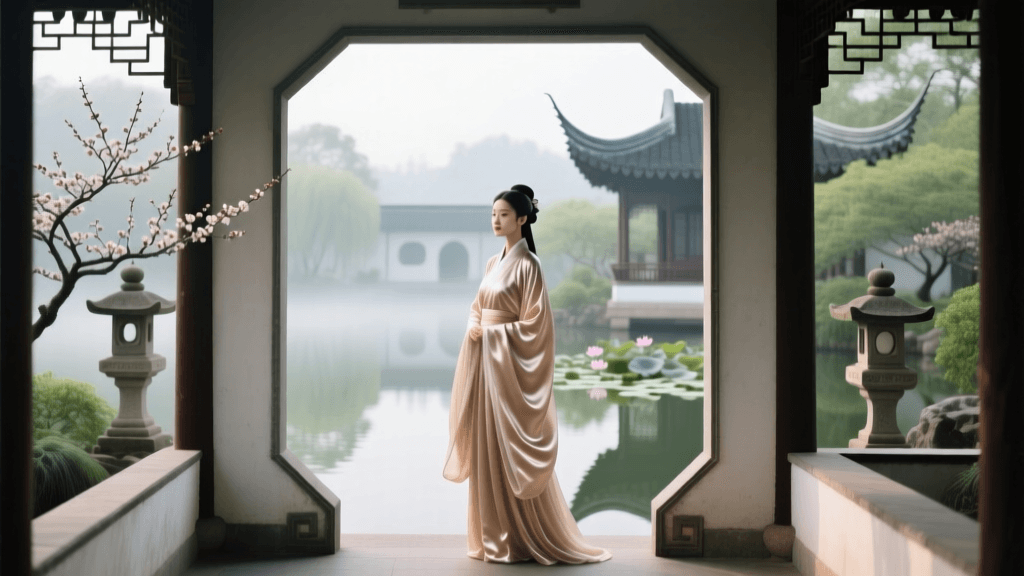
Suzhou is synonymous with the refined elegance of the Ming Dynasty. The city's classical gardens, recognized globally for their masterful integration of architecture, water, and flora, provide the perfect backdrop for the structured yet flowing silhouettes of Ming-era Aoqun (jacket and skirt sets). The Humble Administrator's Garden and the Lingering Garden offer moon gates, zigzag bridges, and pavilions that frame the stiff, pleated Mamianqun skirts beautifully. According to the UNESCO World Heritage Centre, these gardens represent the pinnacle of Chinese landscape garden design, making them an unparalleled setting for historical portraiture. In 2026, early morning entry tickets (available via the official Suzhou园林 mini-program) are highly recommended to avoid the dense midday crowds and capture the soft, diffused morning light reflecting off the koi ponds.
Xi'an: Echoes of the Tang Dynasty
For those who favor the bold, vibrant, and expansive silhouettes of the Tang Dynasty, Xi'an is the ultimate pilgrimage site. The Tang Dynasty Ruqun, characterized by its chest-high skirts and wide, flowing sleeves, demands grand, sweeping backgrounds. The ancient City Wall of Xi'an and the expansive Tang Paradise theme park offer the architectural scale necessary to capture the dramatic drape of Tang-era silk. The warm, golden-hour lighting against the ancient watchtowers creates a cinematic atmosphere that perfectly complements the rich crimson, gold, and emerald hues typical of Tang textile reproductions.
Hangzhou: Serenity of the Song Era
Hangzhou's misty landscapes and tranquil waterways are the spiritual home of Song Dynasty aesthetics. The Song era favored minimalism, slender silhouettes, and understated elegance, best represented by the Beizi (a long, open-front coat) worn over narrow skirts. The bamboo-lined paths of Yunxi and the secluded tea plantations around West Lake provide a serene, melancholic backdrop that aligns perfectly with the intellectual and poetic spirit of the Song era. The historical significance of this region's textile production is profound; as noted by The Metropolitan Museum of Art, the Silk Road and regional trade routes heavily influenced the sophisticated weaving techniques that originated in these southern hubs, making Hangzhou a deeply meaningful destination for textile historians and enthusiasts alike.
Destination Comparison Chart
| Destination | Best Hanfu Era | Ideal 2026 Season | Avg. Daily Budget (USD) | Photography Vibe |
|---|---|---|---|---|
| Suzhou Gardens | Ming Dynasty (Aoqun) | Spring (April-May) | $85 - $120 | Intimate, elegant, architectural |
| Xi'an City Wall | Tang Dynasty (Ruqun) | Autumn (Sept-Oct) | $70 - $100 | Grand, vibrant, cinematic |
| Hangzhou West Lake | Song Dynasty (Beizi) | Early Summer (June) | $90 - $130 | Misty, poetic, natural |
On-the-Go Garment Maintenance and Wrinkle Release
Even with meticulous packing, some travel wrinkles are inevitable. Knowing how to safely release these creases without damaging delicate historical reproductions is a vital skill for the traveling Hanfu enthusiast.
Portable Steaming Solutions
Never use a dry hotel iron directly on silk Hanfu; the intense, localized heat can scorch the fibers and leave permanent shine marks. Instead, invest in a high-quality handheld steamer. The Conair Turbo ExtremeSteam Handheld Steamer is a favorite among traveling cosplayers and historical reenactors in 2026 due to its rapid heat-up time and continuous steam output. When steaming a Mamianqun, hang the skirt on a padded hanger and steam from the inside out, keeping the steamer head at least two inches away from the fabric to prevent water spotting. For heavily embroidered areas, place a clean, white cotton cloth between the steamer and the garment to protect the metallic threads.
The Bathroom Steam Method
If you are traveling light and cannot bring a steamer, the classic bathroom steam method is a reliable alternative. Hang your Hanfu on the bathroom door or shower rod, ensuring it is far enough away from the water to avoid direct splashes. Run the shower on the hottest setting for 15 minutes, allowing the room to fill with dense steam. The ambient moisture will relax the silk fibers, allowing gravity to pull the minor creases out naturally. Follow this by allowing the garment to air dry in a well-ventilated room before wearing.
Navigating Crowds and Etiquette
As Hanfu tourism continues to boom in 2026, popular heritage sites can become incredibly congested. To ensure a respectful and enjoyable experience, plan your photoshoots for the first hour of the site's opening or during the late afternoon golden hour. Be mindful of your garment's footprint; long, trailing skirts can easily sweep up dirt, moisture, or debris from ancient stone paths, and they may pose a tripping hazard to other tourists in narrow corridors.
"True appreciation of traditional garments lies not just in their visual beauty, but in understanding the space they occupy and the history they represent. Move with intention, respect the heritage sites, and let the clothing enhance your connection to the past."
By combining smart packing techniques with a deep respect for historical context, your 2026 Hanfu travel itinerary will be both visually stunning and culturally enriching. Whether you are capturing the pleats of a Ming skirt in Suzhou or the flowing sleeves of a Tang Ruqun in Xi'an, the journey is as rewarding as the final photograph.