Mindful Kitsuke: Kimono Dressing for Wellness in 2026
The Intersection of Kitsuke and Modern Mindfulness
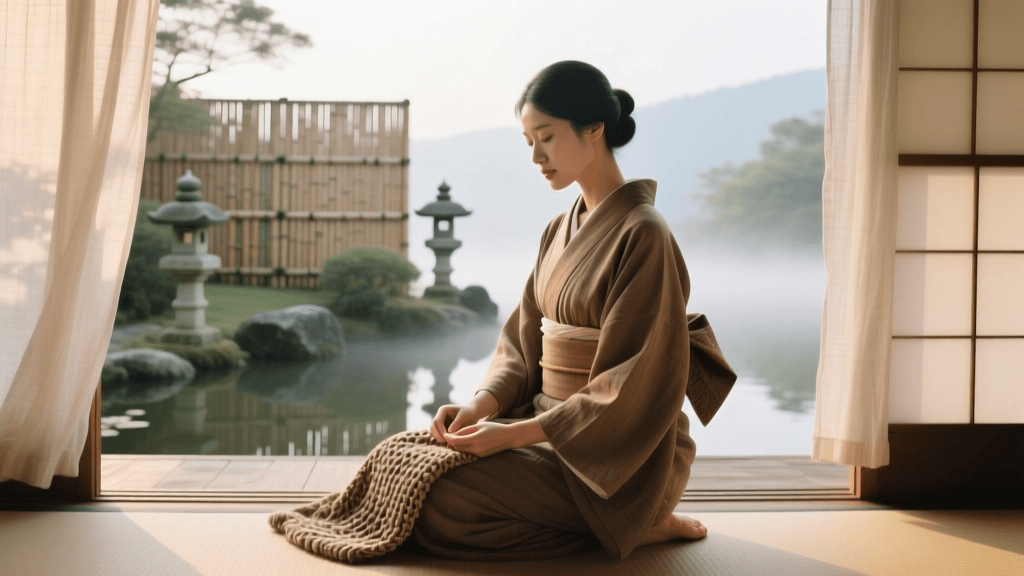
In an era dominated by digital fatigue and hyper-accelerated micro-trends, the year 2026 has seen a profound cultural pivot toward analog wellness and intentional living. Among the most transformative practices emerging from this movement is the recontextualization of kitsuke—the traditional Japanese art of dressing in a kimono. No longer viewed solely as a complex sartorial requirement for formal ceremonies, kitsuke is now widely recognized by wellness practitioners as a structured, moving meditation. The deliberate, multi-layered process of wrapping the body in natural fibers offers a powerful antidote to the dissociation caused by modern screen-heavy lifestyles.
According to the American Psychological Association, mindfulness involves maintaining a moment-by-moment awareness of our thoughts, feelings, bodily sensations, and surrounding environment. Kitsuke inherently demands this exact presence. You cannot rush the alignment of a silk collar or the precise tension of an obi sash without compromising the garment's structure. This forced deceleration shifts the nervous system from a sympathetic (fight-or-flight) state to a parasympathetic (rest-and-digest) state. In 2026, holistic health clinics and wellness retreats across Japan and the West are formally integrating kitsuke into their therapeutic repertoire, prescribing it as a tactile intervention for anxiety and burnout.
Sensory Grounding: Choosing Fabrics for Mental Clarity
The foundation of mindful kitsuke lies in the sensory experience of the textiles. Fast fashion relies heavily on synthetic blends that isolate the skin from environmental feedback, contributing to a sense of physical numbness. Traditional kimono fabrics, conversely, are highly responsive to humidity, temperature, and movement. Engaging with these natural materials provides 'sensory grounding,' a psychological technique used to anchor the mind in the present moment through tactile stimulation.
When selecting a kimono for a wellness-focused dressing ritual, the choice of textile dictates the meditative quality of the experience. Below is a guide to the sensory profiles of traditional fabrics and their specific mental health benefits in 2026.
| Fabric Type | Tactile Sensation | Seasonal Use | Mindfulness Benefit |
|---|---|---|---|
| Ojiya-chijimi (Hemp) | Crisp, textured, cooling | Summer | Grounding through temperature regulation and tactile friction |
| Tsumugi (Slub Silk) | Nubby, warm, organic | Autumn/Winter | Sensory anchoring via irregular surface patterns |
| Ro (Silk Gauze) | Weightless, smooth, airy | High Summer | Promotes lightness and breath-focused meditation |
| Meisen (Woven Silk) | Dense, structured, soft | Spring/Autumn | Provides deep pressure therapy and postural support |
Investing in these natural fibers is not only a sensory upgrade but a commitment to somatic awareness. The slight resistance of hemp against the skin or the subtle weight of slub silk serves as a continuous, gentle reminder to remain present in the body.
A Step-by-Step Mindful Dressing Ritual for 2026
To transform kitsuke from a daily chore into a wellness practice, one must approach each layer with specific intention. Allocate at least 45 minutes for your first few mindful dressing sessions, ensuring you are in a quiet, uncluttered space. Here is a structured ritual designed for modern practitioners.
Phase 1: Preparation and Breath (The Underlayers)
The ritual begins with the hadajuban (under-kimono) and koshimaki (wrap skirt), typically made of breathable cotton or hemp. As you tie the datejime (under-sash) around your waist, focus entirely on the sensation of the fabric against your skin. Practice 'box breathing' (inhale for 4 seconds, hold for 4, exhale for 4, hold for 4) while securing the knots. This initial layer acts as a physical boundary, signaling to your brain that you are stepping out of the chaotic external world and into a protected, intentional space.
Phase 2: Alignment and Intention (The Kimono)
Donning the main kimono requires sweeping the hem (suso) and aligning the collar (eri). In mindful kitsuke, the adjustment of the nape (eri-nuki) is a moment of postural correction. As you pull the collar back to reveal the nape, simultaneously roll your shoulders back and lengthen your spine. The physical alignment of the garment forces the physical alignment of the body, which in turn promotes mental clarity. Feel the weight of the silk settling over your shoulders; visualize the garment absorbing any lingering mental tension.
Phase 3: Securing the Core (The Obi)
The final and most physically demanding phase is tying the obi. The traditional taiko musubi (drum knot) requires significant core engagement and precise tension. As you wrap the koshihimo (tying cords) tightly around your waist, engage your hara (the physical and spiritual center of gravity located just below the navel). The firm pressure of the obi acts as a form of deep pressure therapy, similar to a weighted blanket, which is proven to reduce cortisol levels. The final tuck of the obi-age (sash scarf) should be done with a deep, finalizing exhale, marking the completion of the ritual.
Slow Fashion as a Pillar of Holistic Health
The wellness benefits of kitsuke extend beyond the physical act of dressing; they are deeply intertwined with the philosophy of slow fashion. Eco-anxiety—the chronic fear of environmental doom—has become a significant mental health burden in the 2020s. Participating in the circular economy of traditional garments offers a tangible way to alleviate this distress.
The Japanese concept of mottainai (a sense of regret concerning waste) encourages the preservation, repair, and passing down of garments. In 2026, the market for upcycled, vintage, and meticulously restored kimono is thriving. A fully restored vintage silk kimono currently averages ¥45,000 to ¥65,000 ($300–$450 USD), making sustainable luxury accessible while supporting artisan cleaners and traditional tailors. By choosing to wear a garment that has existed for decades, and maintaining it for future generations, practitioners foster a sense of continuity and stewardship. As highlighted by the Ellen MacArthur Foundation, transitioning to circular fashion models not only mitigates environmental impact but also reconnects consumers with the human stories and craftsmanship behind their clothing, fostering deeper emotional satisfaction and reducing the compulsive consumption cycle.
Where to Experience Kitsuke Wellness Retreats in 2026
For those seeking guided immersion, 2026 has seen the rise of specialized 'Kitsuke & Zen' retreats, particularly in Japan's cultural hubs. Boutique ryokans (traditional inns) in Kanazawa and Kyoto are now offering morning programs that pair zazen (seated meditation) with mindful dressing workshops led by certified kimono stylists who are also trained in somatic therapy.
These retreats emphasize that the goal is not perfection in the final silhouette, but rather the quality of attention brought to the process. The World Health Organization continues to advocate for holistic, culturally rooted practices that promote mental well-being, and the integration of traditional arts into modern therapeutic settings represents a vital step in global mental health care. Whether you are attending a retreat in the mountains of Kyoto or practicing the ritual in your own bedroom, mindful kitsuke offers a profound, wearable sanctuary in an increasingly noisy world.
Conclusion: Wearing Your Intentions
As we navigate the complexities of 2026, the ancient art of kitsuke offers a timely reminder that how we dress is intrinsically linked to how we feel. By treating the kimono not as a costume, but as a tool for sensory grounding, postural alignment, and slow fashion advocacy, we reclaim our mornings and our mental space. The next time you wrap yourself in silk or hemp, remember that you are not just putting on clothes; you are wrapping yourself in intention, history, and a profound commitment to your own well-being.