Hanfu Family Ceremonies 2026: Weddings, Births & Ancestral Rites
The Evolution of Hanfu in 2026 Family Milestones
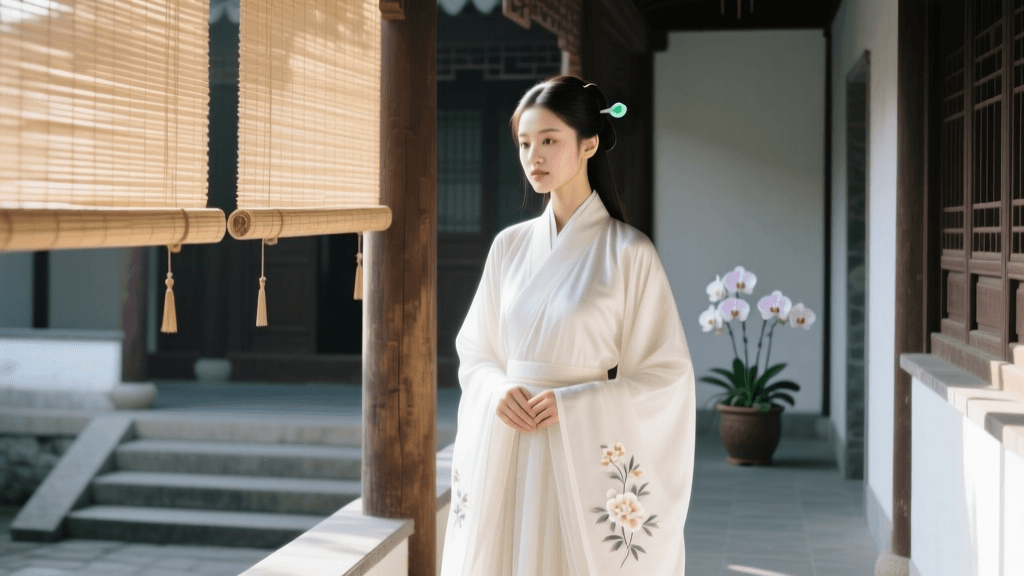
As we navigate 2026, the global Hanfu movement has matured from a niche streetwear trend into a deeply ingrained cultural practice, particularly for major family milestones. Today, traditional Chinese garments are no longer reserved solely for historical reenactments or festive street photography; they are the standard of formal dress for life’s most profound transitions. From the delicate silks chosen for a baby’s first-year celebration to the opulent, heavily embroidered robes of a traditional wedding, Hanfu serves as a tangible bridge between ancestral heritage and modern familial devotion.
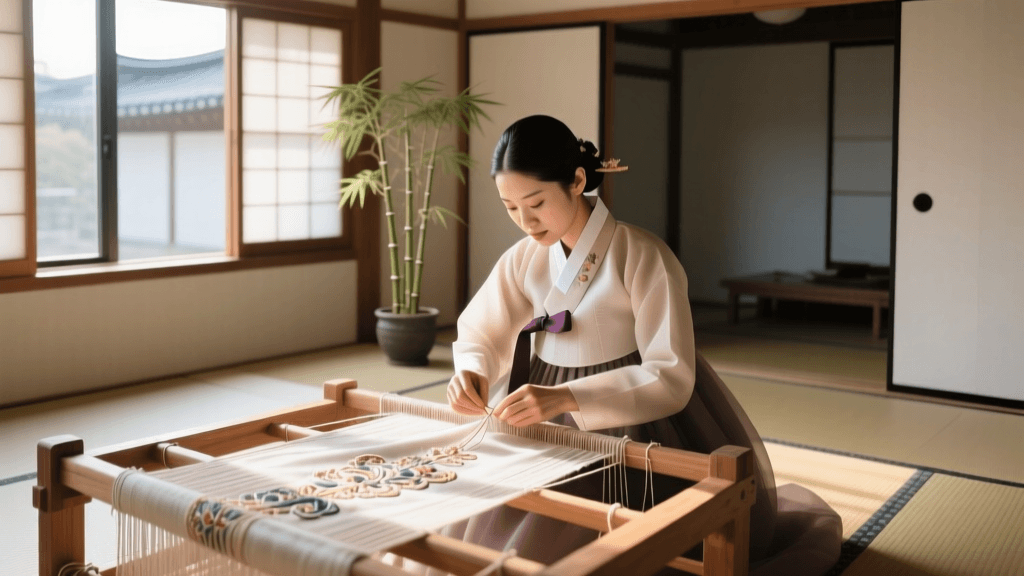
According to textile conservation records and historical analyses provided by the Metropolitan Museum of Art's Heilbrunn Timeline, the Ming dynasty solidified many of the sartorial codes that modern families draw upon for ceremonial wear. In 2026, advancements in heritage textile weaving and bespoke tailoring have made historically accurate Hanfu more accessible than ever. Families are increasingly investing in custom-fitted, high-quality garments that honor the strict etiquette of the past while incorporating modern, sustainable fabric technologies.
Welcoming New Life: Hanfu for Birth and First-Year Ceremonies
The arrival of a child is marked by two significant milestones in Chinese culture: the Man Yue (full-month celebration) and the Zhuazhou (first-year birthday and object-grabbing ceremony). Dressing an infant or toddler in Hanfu for these events is believed to bestow blessings, health, and prosperity.
The Zhuazhou Celebration Attire
For the Zhuazhou ceremony, toddlers are typically dressed in a simplified, age-appropriate version of the Ruqun (a top and skirt ensemble) or a one-piece Shenyi. In 2026, parents heavily prioritize safety and comfort without sacrificing historical aesthetics. Modern heritage brands now utilize GOTS-certified organic mulberry silk blends and hypoallergenic bamboo linings to protect sensitive infant skin.
- Headwear: Tiger-head hats (Hutoumao) remain a staple, symbolizing protection against evil spirits. In 2026, these are often crafted with lightweight, breathable cotton rather than heavy, scratchy brocades.
- Footwear: Traditional tiger-head shoes are still popular, but modern iterations feature flexible, orthopedic rubber soles to support toddlers who are just learning to walk.
- Motifs: Embroidery focuses on pomegranates (symbolizing fertility and a large family) and peaches (symbolizing longevity).
The average cost for a high-quality, bespoke toddler Hanfu set in 2026 ranges from $80 to $150 USD, a worthwhile investment for a garment often preserved as a family heirloom.
The Grand Union: Ming Dynasty Wedding Hanfu
Weddings represent the pinnacle of ceremonial Hanfu. While Tang and Song dynasty styles are occasionally chosen for their ethereal, flowing silhouettes, the Ming Dynasty Fengguan Xiapei (Phoenix Crown and Robe) remains the undisputed gold standard for traditional Chinese brides in 2026. The Smithsonian National Museum of Asian Art highlights the profound symbolic importance of color and motif in traditional Chinese garments, a principle strictly adhered to in modern bridal wear.
Bridal Attire: Aoqun and Fengguan
The traditional Ming bride wears an Aoqun, consisting of a long, lined jacket (Ao) with a standing collar and a pleated skirt (Qun), typically in auspicious reds, deep crimsons, or imperial yellows. Over this, she drapes the Xiapei, a ceremonial stole weighted with jade or gold pendants at the ends to ensure it hangs perfectly straight. The crowning glory is the Fengguan (Phoenix Crown), an elaborate headdress adorned with kingfisher feather inlays (or ethical blue silk alternatives in 2026), gold filigree, and pearl drops.
Groom’s Attire: Yuanlingpao and Dahu
Grooms traditionally wear the Yuanlingpao (round-collar robe) in deep crimson or navy, often featuring woven gold Buzi (rank badges) depicting mythical beasts like the Qilin or dragon. Over the robe, a Dahu (a sleeveless, side-slit vest) adds a layer of martial elegance. The ensemble is completed with a black scholar’s hat and leather cloud-toe boots.
2026 Ceremonial Hanfu Cost and Style Comparison
| Ceremony | Historical Era | Key Garments | 2026 Avg. Cost (USD) |
|---|---|---|---|
| First Year (Zhuazhou) | Ming / Song | Toddler Ruqun, Tiger Shoes | $80 - $150 |
| Wedding (Bride) | Ming | Aoqun, Fengguan, Xiapei | $1,200 - $4,500 |
| Wedding (Groom) | Ming | Yuanlingpao, Dahu, Boots | $600 - $1,800 |
| Ancestral Rites | Song | Beizi, Pleated Skirt | $150 - $350 |
Reverence and Remembrance: Ancestral Rites and Qingming
Family ceremonies are not solely about celebrating the future; they are equally about honoring the past. During the Qingming (Tomb-Sweeping Day) and Zhongyuan (Ghost Festival), families gather to clean ancestral graves, offer food, and burn incense. The dress code for these solemn occasions requires modesty, restraint, and historical accuracy.
Song Dynasty Modesty: The Beizi
For ancestral rites, the opulent reds and golds of weddings are strictly forbidden. Instead, families turn to the refined, understated elegance of the Song Dynasty. Women typically wear a Beizi—a long, parallel-collared coat worn open over a modest inner garment and a pleated skirt. Men wear simple, unadorned Shenyi or straight-hem robes (Zhiduo).
The color palette for 2026 ancestral rites leans heavily into muted, natural tones: slate grey, navy blue, ivory, and pale celadon. The fabrics are typically matte linens or raw silks, avoiding any glossy or reflective materials that might be deemed disrespectful or overly flashy in a cemetery setting. Embroidery, if present, is subtle and tone-on-tone, featuring motifs of pine trees, bamboo, or orchids, representing resilience and moral integrity.
Sourcing Authentic Hanfu in 2026
The market for ceremonial Hanfu in 2026 is highly specialized. While fast-fashion e-commerce platforms offer cheap, historically inaccurate costumes, families investing in ceremonial wear seek out established heritage brands and independent artisans. Brands like Minghuatang and Shisanyu continue to lead the market, utilizing AI-assisted pattern drafting to ensure that the cut, drape, and seam placements perfectly match extant museum artifacts.
For bespoke wedding sets, the lead time is typically four to six months. Artisans use traditional kexi (silk tapestry) weaving and Su embroidery techniques, which require hundreds of hours of hand-stitching. Consequently, couples are advised to begin their Hanfu consultations at least half a year before their wedding date.
Essential Etiquette and Styling Rules
Wearing Hanfu for family ceremonies requires strict adherence to traditional etiquette. The most critical rule is Jiaoling Youren—the left side of the collar must always cross over the right side. Crossing right over left is historically reserved for the deceased and is considered a grave omen in celebratory settings.
Furthermore, hair must be properly styled and secured. For women, loose, unkempt hair is inappropriate for ceremonies; hair should be swept up into traditional buns secured with wooden, jade, or gold hairpins (Zan). Men should either wear their hair in a topknot secured with a guan (crown/cap) or, if keeping modern short hair, wear a traditional scholar’s hat that fully covers the head. Footwear should consist of traditional cloud-toe shoes or embroidered boots, completely avoiding modern sneakers or high heels, which disrupt the silhouette and historical integrity of the garments.
By honoring these meticulous details, families in 2026 ensure that their Hanfu is not merely a costume, but a living, breathing continuation of Asian traditions that binds generations together through the universal language of dress.