Hanfu Fabric Drape & Comfort Analysis: 2026 Textile Guide
The Evolution of Hanfu Textiles in the Xin Zhongshi Era
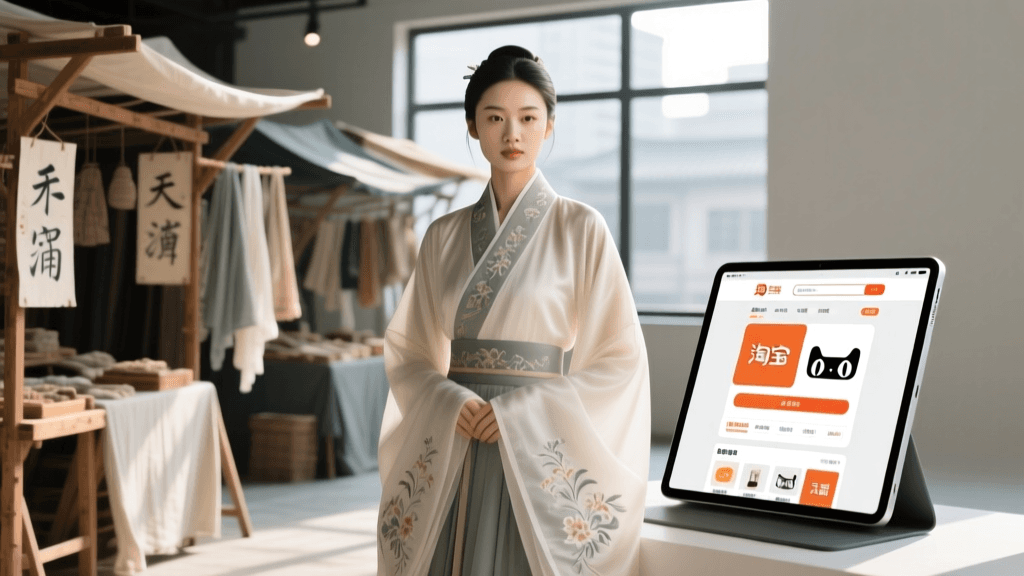
The Xin Zhongshi (新中式) movement in 2026 has decisively transitioned Hanfu from occasional ceremonial wear to a staple of daily global fashion. As enthusiasts integrate traditional Chinese garments into modern wardrobes, the focus has shifted heavily toward fabric texture, drape mechanics, and all-day thermal comfort. Understanding how different textiles behave in motion and against the skin is crucial for both designers and consumers navigating the 2026 market. This comprehensive analysis breaks down the physics of Hanfu fabrics, comparing historical weaves with cutting-edge 2026 material innovations to help you choose the perfect garment for your lifestyle.
The Science of Hanfu Fabric Drape
Drape is the ability of a fabric to hang under its own weight in graceful, three-dimensional folds. In traditional Chinese garment making, the drape dictates the silhouette of the ruqun (blouse and skirt) or the aoqun (jacket and skirt). According to testing standards outlined by the American Association of Textile Chemists and Colorists (AATCC), drape is quantitatively measured using the drape coefficient. This metric calculates the percentage of fabric area that covers a horizontal plane when draped over a smaller circular disk. A higher drape coefficient indicates a stiffer, more structured fabric, while a lower coefficient signifies a softer, more fluid hang.
In 2026, leading textile laboratories utilize 3D body-scanning and dynamic motion-capture technology to simulate how Hanfu fabrics react to walking, sitting, and wind resistance. This data-driven approach ensures that modern reproductions of historical garments maintain the ethereal, flowing aesthetics depicted in ancient Tang and Song dynasty paintings, while meeting the rigorous durability and comfort demands of contemporary urban life. The bending length and shear stiffness of the yarns are now meticulously calibrated to prevent the fabric from clinging awkwardly to the body or bunching at the waistline.
Comparative Analysis: Traditional Weaves vs. Modern Blends
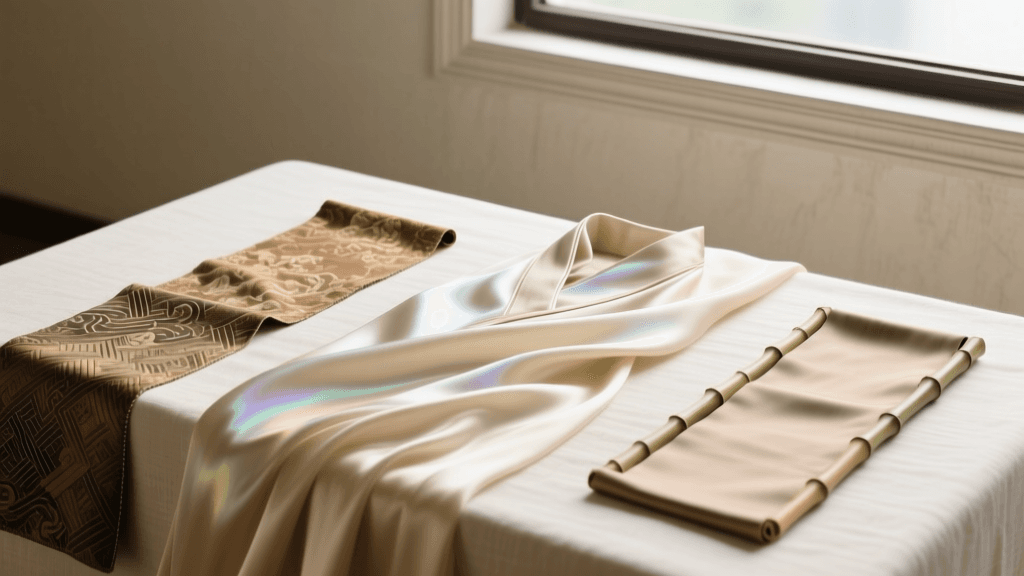
To understand the practical wearability of Hanfu in 2026, we must analyze the three most prominent fabric categories dominating the market: Xiangyunsha (Gambiered Canton Gauze), Song Brocade (Songjin), and next-generation Bamboo-Silk blends. The historical context of these textiles is vast; as noted by the Metropolitan Museum of Art, Chinese textile traditions have long balanced structural integrity with intricate surface design, a philosophy that continues to guide modern fabric engineering.
| Fabric Type | Drape Coefficient (2026 Avg) | Moisture Regain (%) | Weight (g/m²) | Best Use Case |
|---|---|---|---|---|
| Xiangyunsha (Gambiered Silk) | 32% (Fluid) | 11.5% | 85 - 110 | Summer skirts, lightweight robes |
| Song Brocade (Songjin) | 68% (Structured) | 9.0% | 180 - 220 | Formal outerwear, structured jackets |
| Bamboo-Silk Blend | 28% (Hyper-Fluid) | 13.2% | 120 - 140 | Everyday Xin Zhongshi separates |
Xiangyunsha (Gambiered Canton Gauze)
Often referred to as "soft gold," Xiangyunsha is a premium silk fabric dyed with gambier juice and coated with mineral-rich river mud. In 2026, sustainable harvesting of gambier and eco-friendly mud-treatment facilities have made this fabric more accessible to the global market. Its drape is exceptionally fluid, clinging gently to the body without generating static electricity. The unique mud-silk chemical reaction creates a microscopic porous structure that offers unparalleled cooling properties, making it the premier choice for summer Mamianqun (horse-face skirts) and lightweight Beizi (open-front coats).
Song Brocade (Songjin)
Originating from the Song Dynasty, this brocade features a complex woven structure that yields a much stiffer drape coefficient. While less fluid than Xiangyunsha, Song Brocade provides the architectural structure necessary for formal outerwear and ceremonial Daxiushan (large-sleeve robes). In 2026, manufacturers have introduced micro-filament synthetic cores wrapped in natural mulberry silk to reduce the overall weight of Song Brocade by 18% while perfectly preserving its historical stiffness, lustrous visual texture, and intricate geometric patterns.
Bamboo-Silk Blends
The breakout star of the 2026 Xin Zhongshi movement is the bamboo-silk blend. By combining the tensile strength and natural antibacterial properties of bamboo viscose with the smooth friction coefficient of silk, these fabrics offer a hyper-fluid drape and superior moisture-wicking capabilities. They are highly favored for everyday Hanfu separates, effectively bridging the gap between traditional aesthetics and modern athleisure comfort.
Thermal Comfort and Breathability Metrics
Comfort in traditional garments is heavily dictated by thermal resistance and moisture management. A common complaint in early Hanfu revivals was the trapping of heat in multi-layered garments. However, 2026 textile advancements have solved this through optimized weave densities. The sha (gauze) weaves, characterized by their twisted warp threads, create natural ventilation channels that promote continuous airflow.
When evaluating thermal comfort, textile engineers look at Moisture Regain (MR)—the ability of a fiber to absorb moisture from the air. Silk boasts an MR of around 11%, while modern bamboo fibers can reach up to 13.2%. This high absorption rate prevents the clammy feeling associated with synthetic polyester reproductions, which typically have an MR of less than 0.5%. For consumers in humid climates, selecting Hanfu with a high MR and an open-gauze weave is non-negotiable for all-day comfort. The Victoria and Albert Museum's extensive Asian textile archives highlight how historical weavers intuitively adjusted thread counts for seasonal variations, a practice now perfectly quantified and optimized by modern hygrometric testing.
Practical Guide: Choosing the Right Hanfu Fabric for Your Climate
Selecting the appropriate fabric based on your local environment is essential for maintaining both the aesthetic drape and physical comfort of your Hanfu. Here is a 2026 buyer's guide based on climate zones:
- Hot and Humid Climates: Opt for Xiangyunsha or pure silk gauze (Luo). The low drape coefficient prevents the fabric from sticking to sweaty skin, while the high moisture regain pulls humidity away from the body. Avoid heavy brocades entirely.
- Dry and Arid Climates: Bamboo-silk blends are ideal here. The natural antibacterial properties of bamboo resist odor buildup in high-heat environments, and the fabric's weight provides enough structure to prevent it from blowing away in dry winds.
- Transitional and Temperate Climates: Layering is key. Use a lightweight silk Zhongyi (inner garment) for moisture management, paired with a moderately structured Song Brocade outer jacket. The stiffness of the brocade traps a layer of insulating air without adding excessive physical weight.
Care and Maintenance for Optimal Drape Retention
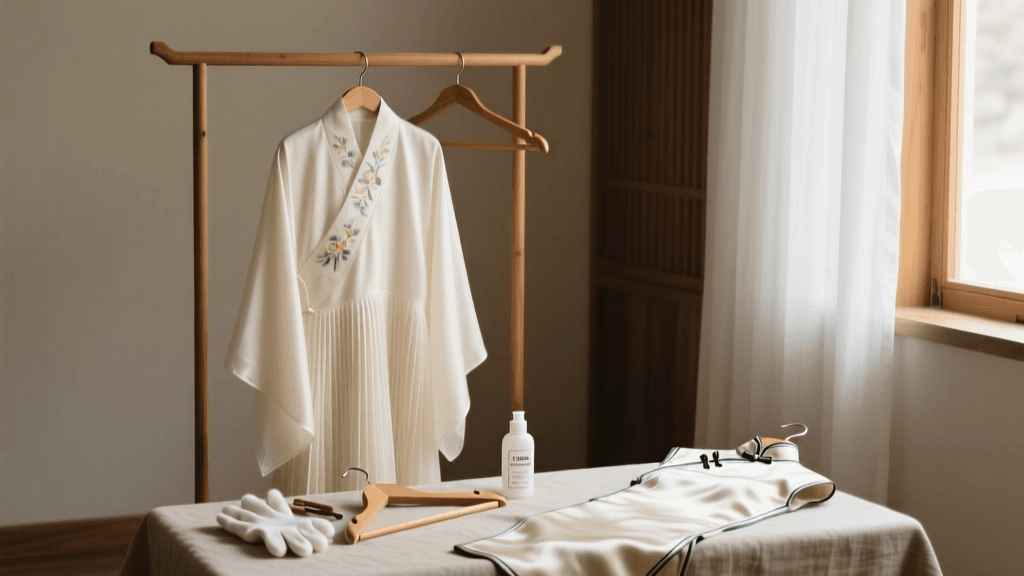
The drape of a Hanfu garment can degrade significantly if improperly maintained. Stiffening agents from dry cleaners, improper washing techniques, and poor storage can permanently alter the bending length of the fibers. To ensure your garments maintain their 2026 factory-calibrated drape coefficients, follow these maintenance protocols:
- Washing: Never machine wash Xiangyunsha or Song Brocade. Hand wash in cold water using a pH-neutral silk detergent. The mud-coating on Xiangyunsha is durable but can crack if subjected to the aggressive agitation of a washing machine.
- Drying: Avoid direct sunlight, which degrades the protein structure of silk fibers, leading to brittleness and a loss of fluid drape. Dry flat on a mesh rack in a shaded, well-ventilated area.
- Storage: Do not hang heavy Hanfu skirts on thin wire hangers, as the concentrated weight will distort the warp threads at the waistband. Instead, fold them using acid-free tissue paper to buffer the creases, or use wide, velvet-padded hangers designed specifically for heavy traditional garments.
- Ironing: Use a steam iron on the lowest silk setting. Never press directly onto Song Brocade, as the heat will flatten the intricate woven patterns and destroy the fabric's structural stiffness. Always use a cotton pressing cloth.
Conclusion
The intersection of ancient weaving techniques and 2026 material science has elevated Hanfu from a historical costume to a highly functional, comfortable, and aesthetically superior garment. By understanding the drape coefficients, moisture regain metrics, and structural properties of fabrics like Xiangyunsha, Song Brocade, and bamboo-silk blends, modern consumers can make informed decisions that honor tradition while embracing contemporary comfort. As the Xin Zhongshi movement continues to evolve globally, the meticulous analysis of fabric texture remains the cornerstone of authentic and wearable Asian traditional fashion.