Top Hanbok & Kimono Sewing Workshops 2026: Seoul & Virtual
The 2026 Renaissance of Traditional Asian Garment Making
As the global fashion industry pivots aggressively toward sustainability, heritage preservation, and slow fashion in 2026, traditional Asian garment making has experienced an unprecedented renaissance. Discerning makers, designers, and cultural enthusiasts are no longer satisfied with merely wearing traditional garments; they want to understand the profound engineering, zero-waste pattern cutting, and historical significance woven into every seam. Whether you are looking to master the sweeping elegance of the Korean Hanbok or the structural brilliance of the Japanese Kimono, workshops and seminars dedicated to these ancient crafts have evolved. Today, they offer a seamless blend of ancestral techniques and modern 2026 educational technologies, making these highly specialized skills more accessible than ever before.
The Structural Brilliance of Zero-Waste Heritage
One of the primary drivers behind the surge in traditional garment workshops in 2026 is the modern designer's quest for zero-waste pattern drafting. Unlike Western tailoring, which relies on complex curved seams and generates significant textile waste, traditional Asian garments are celebrated for their geometric efficiency. According to the Victoria and Albert Museum, the Kimono is constructed from straight lines cut from a single bolt of fabric, known as a tanmono, leaving virtually no scraps behind. This ancestral approach to sustainability is now a core curriculum in advanced 2026 fashion seminars, where students learn how to adapt these historical zero-waste methodologies into contemporary, eco-conscious wardrobes.
In-Person Hanbok Tailoring Retreats in Seoul
For those seeking total immersion, Seoul remains the undisputed epicenter for Hanbok construction. In 2026, the city's premier ateliers in the Insadong and Bukchon Hanok Village districts offer intensive, multi-day retreats tailored to international students. The crown jewel of these programs is the mastery of the jeogori (the upper jacket) and the chima (the wrap-around skirt).
What sets the 2026 Seoul workshops apart is the integration of real-time, AI-assisted translation headsets provided by the academies, completely eliminating the language barrier that previously hindered international students from learning nuanced Korean sewing terminology. Students work directly under Myeongju (master artisans), learning the delicate art of crafting the goreum (the traditional breast tie) and the subtle, curved sleeve structure known as baerae, which mimics the gentle slope of traditional Korean rooflines. For historical context and pattern accuracy, many of these retreats partner with institutions like the National Folk Museum of Korea, allowing students to study archival garments up close before drafting their own patterns.
Premier Virtual Kimono Construction Masterclasses
If traveling to East Asia is not feasible, 2026 has brought forth a new generation of virtual Kimono sewing masterclasses that rival in-person instruction. Utilizing multi-angle 4K streaming and augmented reality (AR) pattern overlays, virtual students can now watch a master's hand movements from every conceivable angle while drafting their own wansai (tailoring) at home.
These virtual seminars focus heavily on the shitate (sewing) process, teaching the specialized running stitches and silk-handling techniques required to work with delicate chirimen (crepe silk) and habutai. The Metropolitan Museum of Art notes that the Kimono's T-shape structure has remained remarkably consistent for centuries, a testament to its perfect proportions. Virtual instructors in 2026 emphasize this historical continuity, teaching students how to execute the kise (the subtle fold over the seam allowance) that gives the Kimono its soft, unstructured drape and protects the silk threads from tension.
2026 Workshop Comparison Guide
Choosing the right learning environment depends on your budget, schedule, and desired level of immersion. Below is a comparison of the top-rated Hanbok and Kimono workshop formats available this year.
| Workshop Name | Format | Garment Focus | Duration | 2026 Cost (USD) | Skill Level |
|---|---|---|---|---|---|
| Seoul Heritage Jeogori Intensive | In-Person (Seoul) | Hanbok (Upper Garment) | 5 Days | $1,450 | Intermediate |
| Bukchon Silk Chima Weekend Retreat | In-Person (Seoul) | Hanbok (Skirt & Petticoat) | 2 Days | $600 | Beginner |
| Virtual Tanmono Zero-Waste Drafting | Virtual (Live AR) | Kimono (Pattern Cutting) | 4 Weeks (Part-time) | $350 | All Levels |
| Mastering the Kitsuke & Shitate | Virtual (On-Demand + Live Q&A) | Kimono (Sewing & Dressing) | 8 Weeks | $850 | Advanced |
| Modern Fusion: Hanbok Collar Seminar | Hybrid (Virtual + Kit Shipped) | Hanbok (Dongjeong Collar) | 1 Day | $120 | Beginner |
Essential Tools and Textiles for the Modern Artisan
Embarking on traditional Asian garment making requires a specific toolkit that differs vastly from Western sewing supplies. In 2026, specialized suppliers have made it easier than ever to source authentic tools globally, though investing in high-quality equipment is paramount.
- The Hera (Japanese Spatula): Essential for marking delicate silks without using ink or chalk. A premium bamboo hera costs around $25 in 2026 and is indispensable for Kimono drafting.
- Kotedai (Sleeve Ironing Board): A specialized, narrow wooden board used to press the tubular sleeves of a Kimono. Authentic cedar versions imported from Kyoto retail for approximately $180.
- Traditional Hanbok Needles (Chim): Korean traditional needles are exceptionally fine and short, designed for the microscopic, nearly invisible stitching required on the goreum and collar edges. A master-forged set will cost around $45.
- Textiles: While beginners often start with cotton or linen blends ($20-$30 per yard), intermediate students in 2026 are encouraged to invest in authentic Myeongju (Korean raw silk) or Japanese Rinzu (silk damask), which can range from $80 to $150 per yard but provide the necessary weight and drape for ceremonial garments.
How to Select the Right Seminar for Your Goals
When evaluating a workshop for 2026, look beyond the syllabus. First, verify the material policy: does the tuition include the tanmono bolt or the pre-washed Hanbok silk, or must you source it yourself? Sourcing authentic, ethically produced silk can be daunting for beginners, so all-inclusive retreats are highly recommended. Second, investigate the post-class mentorship. The best virtual masterclasses in 2026 offer six months of access to a private digital forum where you can upload photos of your tension issues or pattern discrepancies for direct feedback from the master artisan. Finally, consider the cultural context. The most reputable seminars do not just teach you how to sew; they educate you on the ceremonial significance, the color theory rooted in the five elements (Obangsaek), and the respectful etiquette of wearing and storing these profound cultural artifacts.
Conclusion
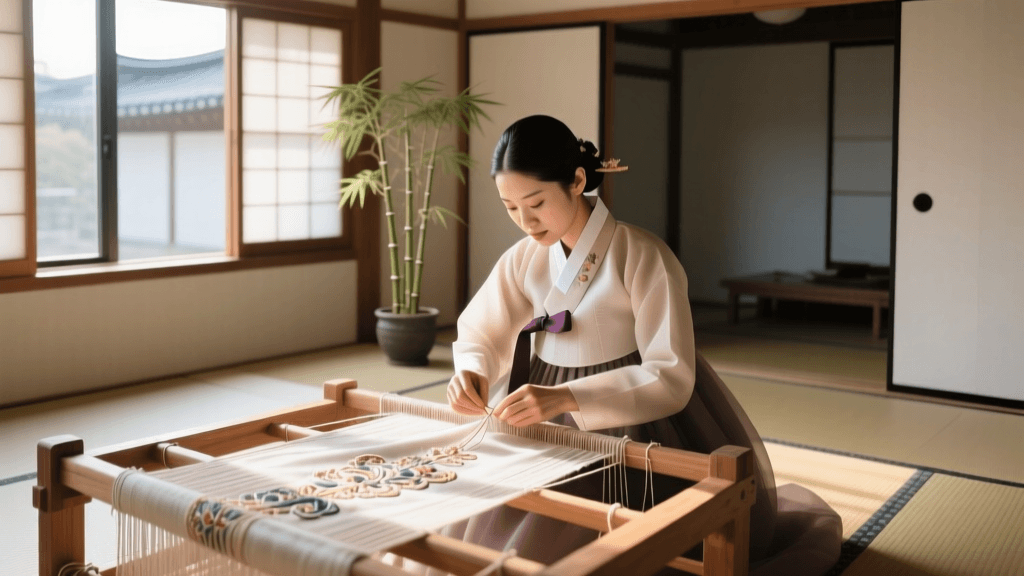
Learning to construct a Hanbok or Kimono in 2026 is a profound commitment to cultural preservation and sustainable craftsmanship. Whether you find yourself threading a needle in a sunlit Hanok in Seoul or participating in a high-definition virtual seminar from your home studio, the skills you acquire will fundamentally change how you view textile art. By embracing the zero-waste philosophies and meticulous hand-finishing techniques of East Asia, you become part of a living, breathing lineage that continues to shape the future of global fashion.