Hanfu Travel Essentials 2026: Packing Ming Silk Garments
The Rise of the Global Hanfu Traveler in 2026
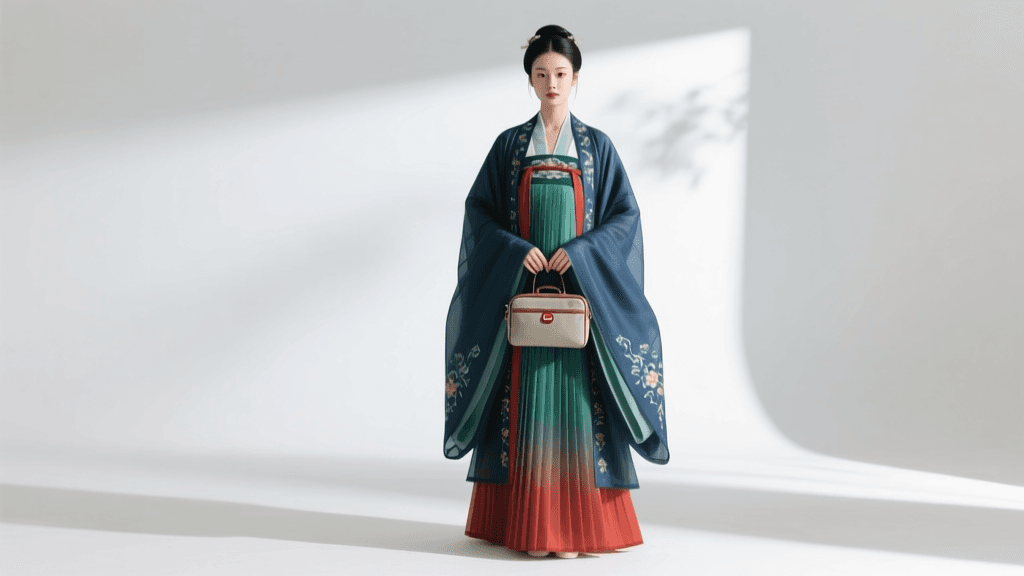
Traveling with traditional garments requires a delicate balance between cultural reverence and logistical pragmatism. As the global Hanfu movement continues to mature in 2026, enthusiasts are no longer just wearing these garments for local photoshoots or weekend festivals; they are integrating them into international travel itineraries. From the historic streets of Kyoto to the fashion-forward avenues of Paris, the sight of travelers adorned in traditional Chinese clothing has become a celebrated aspect of global cultural exchange. However, packing intricate, multi-layered garments—particularly those from the Ming Dynasty, renowned for their heavy silk brocades and precise pleating—presents a unique set of challenges.
The Ming Dynasty Aoqun (jacket and skirt ensemble) and the iconic Mamianqun (horse-face skirt) are cornerstones of the modern Hanfu wardrobe. Their structured silhouettes, elaborate embroidery, and delicate silk weaves demand specialized packing techniques to prevent permanent creasing, fabric distortion, and damage to metallic threads. This comprehensive guide will equip you with the essential knowledge, gear, and strategies needed to curate, pack, and maintain a Ming Dynasty-inspired Hanfu travel wardrobe for any 2026 itinerary.
Building Your 2026 Destination Wardrobe
Before you begin folding, you must strategically select the garments that will accompany you. The key to a successful Hanfu travel wardrobe is versatility and climate-appropriateness. In 2026, advancements in textile manufacturing have introduced wrinkle-resistant silk blends and thermal-lined jacquards that make traveling with traditional silhouettes more practical than ever. When planning your outfits, consider the historical context of your destination alongside the local weather patterns.
| Destination & Climate | Recommended Hanfu Style | Optimal Fabric (2026 Standards) |
|---|---|---|
| Kyoto, Japan (Spring/Autumn) | Song Dynasty Beizi & Pleated Skirt | Wrinkle-resistant Tencel-Silk blends |
| Xi'an, China (Summer) | Tang Dynasty Qixiong Ruqun | Breathable Ramie and lightweight Chiffon |
| London, UK (Winter) | Ming Dynasty Aoqun with Piling | Heavy Silk Brocade & Wool-blend linings |
| Reykjavik, Iceland (Year-round) | Ming Dynasty Mamianqun layered | Thermal-lined Jacquard & Tech-fleece base |
For a trip focused on Ming Dynasty aesthetics, prioritize garments made from mulberry silk with a higher momme weight (19-22 momme) for jackets, as they drape beautifully and resist deep-set wrinkles better than lightweight chiffons. According to the Metropolitan Museum of Art's historical archives on silk, the structural integrity of traditional silk weaving allows it to recover from minor folding if given proper care, making it a surprisingly resilient travel companion when handled correctly.
Essential Packing Gear for Delicate Textiles
Standard luggage compression is the enemy of traditional embroidery and sharp pleats. To protect your investment, you must utilize specialized packing organizers. The Peak Design Packing Cubes are highly recommended for the 2026 traveler. Their internal compression zippers allow you to secure the garments to prevent shifting during transit, while the high-visibility nylon shells protect against snags and abrasions from other items in your suitcase.
- Garment Folders: For long Ming Dynasty Piling (overcoats) or heavily embroidered Yunjiang (cloud shoulders), a rigid, tri-fold garment folder is essential. This prevents the metallic threads from being crushed under the weight of your luggage.
- Acid-Free Tissue Paper: Always pack a supply of unbuffered, acid-free tissue paper. Stuffing the sleeves of your Ao (jacket) and layering tissue between the pleats of your Mamianqun prevents the silk fibers from breaking along the fold lines.
- Silica Gel Packets: Humidity fluctuations in airplane cargo holds can cause silk to absorb moisture and develop mildew. Distribute reusable silica gel packets throughout your packing cubes to maintain a stable microclimate.
The Art of Packing the Mamianqun
The Mamianqun, with its flat front and back panels and deeply pleated sides, is notoriously difficult to pack. Rolling the skirt, a common technique for modern casual wear, will ruin the sharp, knife-pleats characteristic of the Ming Dynasty style. Instead, you must employ the 'Accordion and Pad' method.
First, lay the skirt completely flat on a clean, dry surface. Ensure the side pleats are perfectly aligned as they were when the garment was pressed. Next, take sheets of acid-free tissue paper and gently insert them into the valleys of each pleat. This step is crucial; it prevents the silk layers from pressing into one another, which can cause permanent shine marks or crease distortion. Once the pleats are padded, fold the flat panels inward over the pleated sections. Finally, fold the skirt in half or thirds, depending on the size of your packing cube, placing a final layer of tissue paper on top before zipping the cube. Upon arrival, unpack the skirt immediately and hang it by the waistband to allow gravity to help settle the fabric.
On-the-Go Garment Care and Wrinkle Release
Even with meticulous packing, silk garments will require some refreshing upon arrival at your hotel. Traditional irons are too harsh and risk scorching delicate brocades or melting synthetic embroidery threads. In 2026, the gold standard for travel garment care is the portable handheld steamer. Devices like the Steamery Cirrus No.3 offer dual voltage capabilities and a heated faceplate that acts as a gentle press for collars and cuffs without direct, damaging contact.
When steaming Ming Dynasty silk, always maintain a distance of at least two inches from the fabric. Never steam directly over metallic threads, gold foil prints, or delicate beadwork, as the intense heat and moisture can cause the adhesives to fail. The Victoria and Albert Museum's textile conservation guidelines strongly advise against using direct heat or excessive moisture on historical or traditional silk textiles, emphasizing that gentle, ambient steam is the safest method for relaxing fibers. Always steam from the inside of the garment outwards to protect the outer weave.
Protecting Intricate Accessories
A Hanfu ensemble is incomplete without its accessories, but items like Buyao (step hairpins with swaying metal elements), jade pendants, and embroidered shoes are highly susceptible to damage in transit. The swaying elements of a Buyao can easily bend or snap if tossed into a standard toiletry bag.
To solve this, utilize hard-shell EVA cases or specialized jewelry rolls with individual, padded compartments. For larger accessories like a Ming Dynasty Diji (hair crown) or a heavily beaded cloud shoulder, repurpose hard-shell sunglasses cases. The rigid exterior protects the structural integrity of the accessory, while the soft interior lining prevents scratches. For embroidered silk shoes, place them in individual cotton dust bags and stuff the toes with tissue paper to maintain their shape, packing them at the very bottom of your suitcase where they will not be crushed.
Destination-Specific Styling Strategies
When styling your Hanfu abroad in 2026, consider how traditional garments interact with modern environments and local sensibilities. In European cities like London or Paris during the autumn, a Ming Dynasty Aoqun pairs beautifully with modern wool trench coats and leather ankle boots. The high collar of the Ming jacket provides a sophisticated, layered look that bridges the gap between historical dress and contemporary high fashion.
Conversely, when visiting historical sites in East Asia, such as the temples of Kyoto or the palaces of Seoul, opt for more subdued, historically accurate color palettes and avoid overly theatrical makeup. Respect for the local cultural heritage sites means ensuring your garments are worn correctly, with the left lapel over the right (the traditional Jiaoling Youren style), and that your hems are kept clean and clear of the ground. By thoughtfully curating your destination wardrobe and employing these specialized packing techniques, you can confidently bring the elegance of the Ming Dynasty to any corner of the globe.