Hanfu on Global Runways: 2026 International Fashion Trends
The Renaissance of Hanfu on International Runways
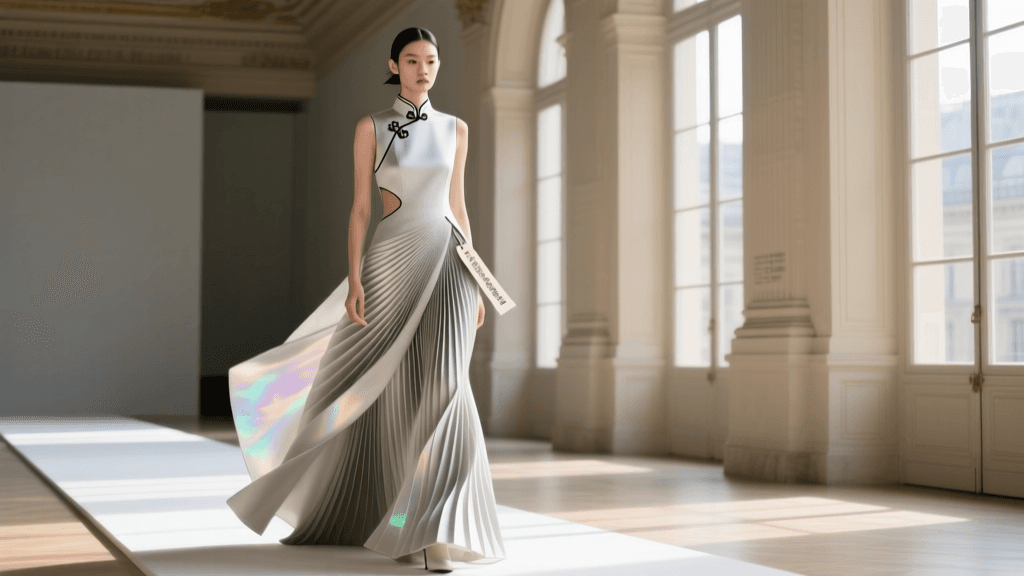
In 2026, the global fashion landscape has witnessed a definitive shift. Hanfu, the traditional clothing system of the Han Chinese, has transcended its roots as a cultural revival movement and streetwear phenomenon to become a formidable force on international haute couture runways. From the grand halls of the Palais de Tokyo in Paris to the industrial spaces of Milan Fashion Week, designers are no longer merely referencing Asian aesthetics; they are structurally deconstructing and rebuilding traditional Hanfu silhouettes for the modern luxury consumer. This evolution marks a pivotal moment in global fashion, where historical accuracy meets avant-garde tailoring.
The integration of Hanfu into high fashion is not about costume replication. Instead, 2026’s top design houses are focusing on the architectural brilliance of traditional flat-pattern cutting, the fluidity of natural silk fibers, and the profound symbolism of heritage weaves. As sustainability and slow fashion dominate the luxury sector, the zero-waste principles inherent in traditional Hanfu construction offer a masterclass in eco-conscious design. Designers are now looking toward historical archives to inform future-facing collections, blending ancient weaving techniques with modern textile engineering.
Historical silhouettes referenced by modern designers often draw from archival garments preserved at institutions like the Metropolitan Museum of Art's Asian Art department, where the intricate layering and precise proportions of Ming and Song dynasty garments provide endless inspiration. By studying these preserved artifacts, contemporary couturiers are able to translate the voluminous elegance of the past into sharp, runway-ready statements that resonate with today’s global audience.
Key Hanfu Silhouettes Dominating 2026 Fashion Weeks
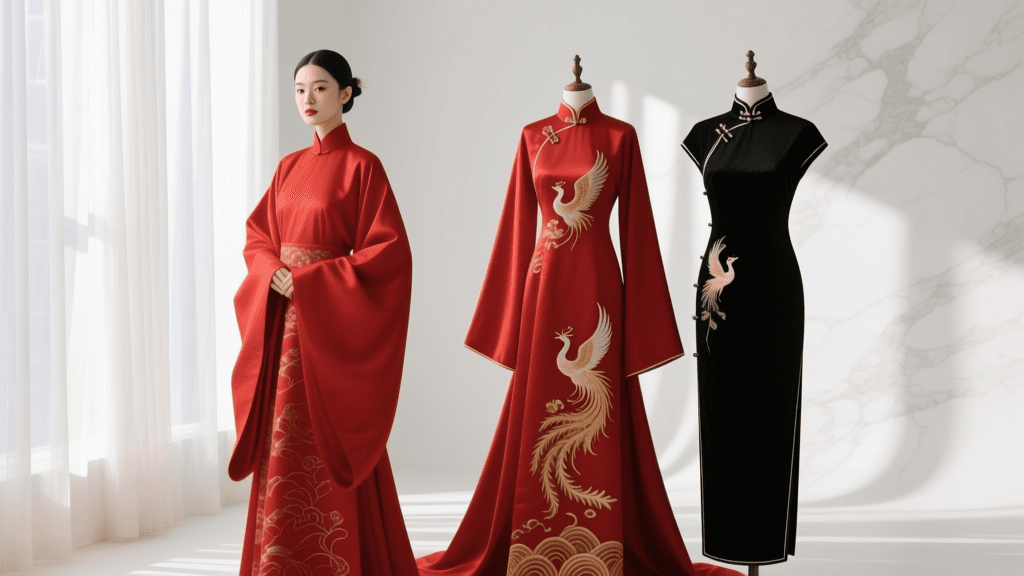
The 2026 runway season has been defined by three primary Hanfu silhouettes, each reimagined through the lens of contemporary luxury. Designers are manipulating proportions, introducing unexpected fabric pairings, and utilizing advanced structural interfacings to ensure these traditional garments perform flawlessly under the harsh lighting and fast-paced environment of the catwalk.
| Traditional Silhouette | 2026 Runway Adaptation | Key Textile & Structural Innovations |
|---|---|---|
| Mamianqun (Horse-face skirt) | Asymmetric hemlines with exaggerated, heat-pressed knife pleats and modular waistbands. | Lightweight metallic jacquard, hidden monofilament threads for pleat retention, and vegan leather structural panels. |
| Beizi (Long open-front jacket) | Oversized drop-shoulder cuts, floor-sweeping lengths, and sheer organza overlays. | Translucent silk gazar, laser-cut hems replacing traditional embroidery, and magnetic hidden closures. |
| Aoqun (Standing collar jacket and skirt) | Deconstructed standing collars, mixed-media patchwork, and detachable modular sleeves. | Heavyweight Song brocade (Songjin) paired with technical neoprene for collar stiffness and shape retention. |
The Mamianqun, in particular, has become the breakout star of the 2026 Paris and Shanghai fashion weeks. Traditionally characterized by its flat, unpleated front and back panels with pleated sides, the modern runway adaptation requires intense structural engineering. To prevent the pleats from collapsing during a model's walk, contemporary ateliers are weaving ultra-fine monofilament threads directly into the silk jacquard. This ensures the skirt maintains its architectural volume and sharp lines without the need for heavy, traditional starching methods that can damage luxury fibers over time.
Sourcing Runway-Grade Hanfu Textiles in 2026
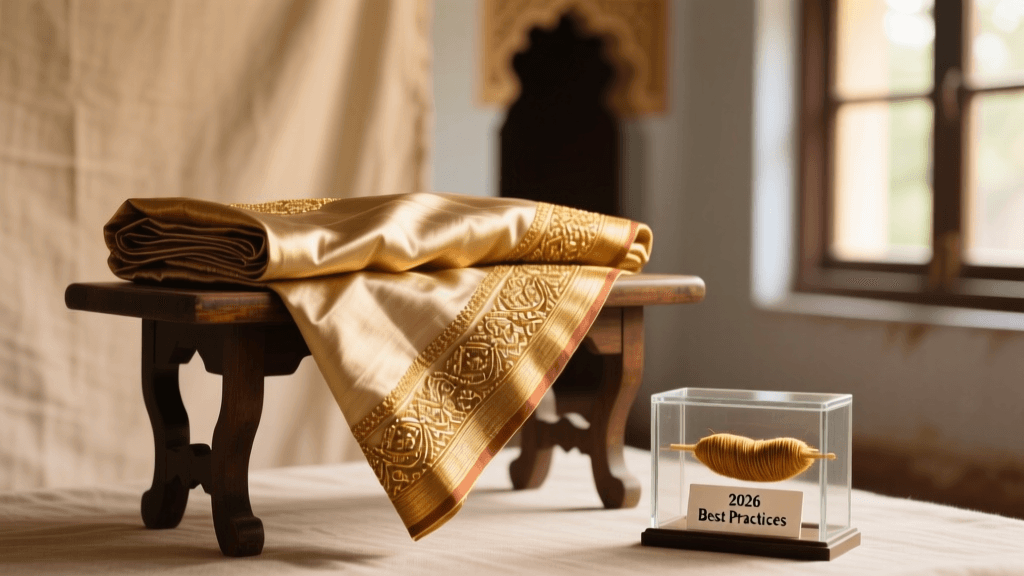
For independent designers and fashion students aiming to introduce Hanfu elements into their portfolios, sourcing authentic, runway-grade textiles is paramount. The mass-market Hanfu boom of the early 2020s flooded the market with synthetic blends and digitally printed polyesters, but the 2026 luxury market demands authentic heritage weaves. The most coveted textiles this season include Kesi (cut silk tapestry), Yunjin (cloud brocade from Nanjing), and Songjin (Song brocade from Suzhou).
According to the China National Silk Museum, the revival of traditional weaving techniques like Kesi has seen a massive surge in luxury brand collaborations, with artisan incubators now working directly with international design houses. Sourcing these materials requires navigating specialized artisan networks rather than conventional textile trade shows.
Actionable Sourcing Guide for Designers
- Suzhou Song Brocade (Songjin): Ideal for structured jackets and Aoqun skirts. Expect to pay between $350 and $500 per meter for authentic, hand-loomed Songjin in 2026. Lead times are typically 12 to 16 weeks due to the meticulous weaving process.
- Nanjing Yunjin (Cloud Brocade): Woven with real gold and silver threads, this is the premier choice for show-stopping Mamianqun panels. Pricing starts at $800 per meter. Designers must order through certified heritage workshops in Nanjing to guarantee the inclusion of genuine peacock feather and metallic yarns.
- Hangzhou Silk Gazar: For flowing Beizi overlays, heavy silk gazar provides the necessary drape while holding an ethereal, sculptural shape. It is more accessible, averaging $120 per meter, and can be sourced through high-end international silk distributors.
Tailoring and Structural Adaptations for the Catwalk
One of the most significant challenges in bringing Hanfu to the international runway is reconciling traditional flat-pattern cutting with the Western expectation of three-dimensional body contouring. Traditional Hanfu relies on straight lines, generous ease, and the natural drape of the fabric to create its silhouette, famously utilizing the Jiaoling Youren (crossed collar, right lapel) system. However, runway garments must fit diverse, international model measurements perfectly while allowing for rapid backstage changes.
In 2026, master tailors are employing a hybrid approach. They maintain the visual integrity of the flat-cut sleeves and crossed collars but introduce hidden internal corsetry and strategic darting. For example, a runway Beizi might feature a traditional straight silhouette on the exterior, but the interior is lined with a flexible, 3D-printed mesh corset that anchors the garment to the model's torso. This prevents the heavy silk from slipping off the shoulders during the walk—a common issue when adapting historical garments for modern, fast-paced runway environments.
Furthermore, the traditional tie closures are being replaced or reinforced with hidden micro-magnets and silicone-grip tapes. This ensures that the Jiaoling Youren collar remains perfectly symmetrical and secure, even under the intense movement and wind generated by backstage fans and rapid walking paces.
Pitching Hanfu Collections to Fashion Week Organizers
For emerging designers, securing a slot at major international fashion weeks with a Hanfu-inspired collection requires more than just beautiful garments; it demands a compelling narrative and a rigorous business strategy. Industry analyses from The Business of Fashion highlight that heritage-driven luxury is one of the fastest-growing segments in the global market, but organizers are highly selective about cultural representation.
Steps to Pitch Your 2026 Hanfu Collection
- Establish Cultural Authenticity: Partner with historical consultants or textile historians. Fashion week committees in Paris and Milan are increasingly vigilant about cultural appropriation. Demonstrating a deep, respectful understanding of Hanfu history and regional weaving techniques is mandatory.
- Highlight Sustainable Innovation: Emphasize the zero-waste pattern cutting inherent in traditional Hanfu. Show how your 2026 collection minimizes textile waste compared to conventional Western tailoring, aligning your brand with the industry's stringent new sustainability mandates.
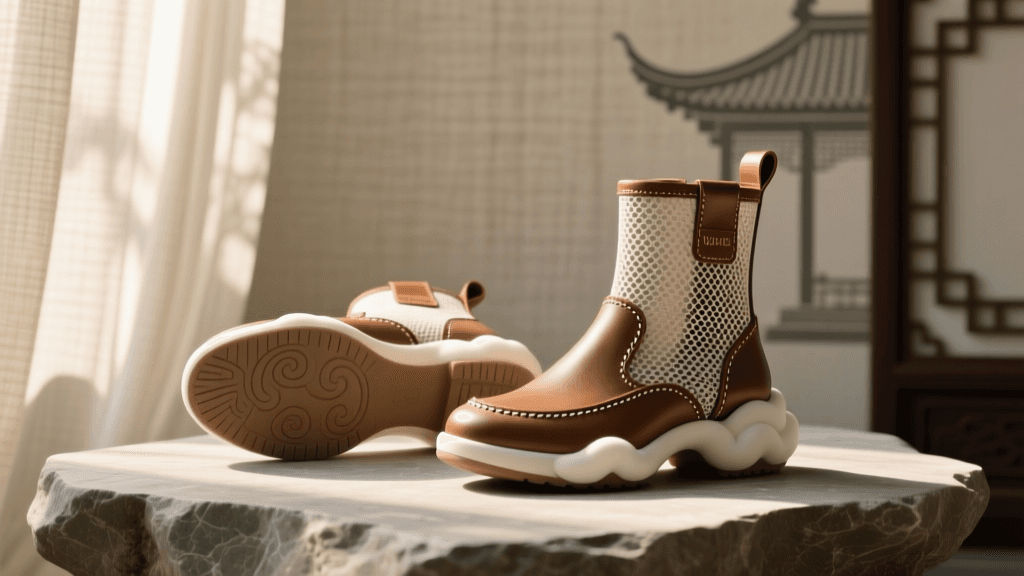
- Develop a Cohesive Styling Narrative: Avoid styling Hanfu with generic modern streetwear. Instead, commission bespoke accessories—such as 3D-printed jade hairpins or structural leather boots that echo traditional cloud-motif footwear—to create a unified, high-fashion aesthetic.
- Leverage Digital Showrooms: Before applying for a physical runway slot, present your collection through immersive digital showrooms. Many 2026 fashion week incubators require a digital-first review process to assess the commercial viability and visual impact of the garments.
Conclusion
The presence of Hanfu on global runways in 2026 is a testament to the timelessness of Chinese sartorial heritage. By respecting the intricate history of garments like the Mamianqun and Beizi while pushing the boundaries of modern textile engineering and structural tailoring, designers are creating a new lexicon of luxury fashion. For those willing to invest in authentic sourcing and meticulous craftsmanship, Hanfu offers an unparalleled wellspring of inspiration that continues to captivate the international fashion elite.