Heirloom Kanjeevaram Sari Care 2026: Prevent Zari Tarnish
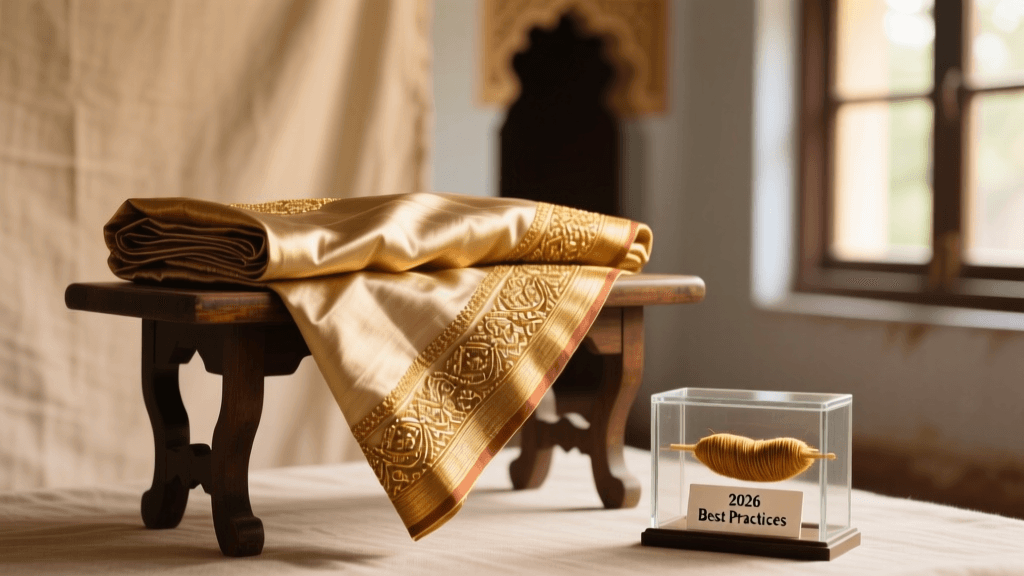
The Art and Science of Kanjeevaram Sari Preservation
The Kanjeevaram sari is more than a garment; it is a woven heirloom, a repository of South Asian cultural heritage, and a significant financial investment. Woven from heavy mulberry silk and adorned with intricate zari (metallic thread) work, these masterpieces require meticulous care to survive the test of time. As we navigate the environmental challenges of 2026—including fluctuating global humidity levels and the phase-out of traditional chemical pesticides—preserving these textiles demands a modernized, scientifically backed approach.
Unlike everyday garments, heirloom Kanjeevarams are highly susceptible to two primary enemies: silk protein degradation (often manifesting as 'silk rot' or shattering along fold lines) and zari tarnish. The metallic threads, traditionally crafted with a silver or copper core wrapped in gold, oxidize rapidly when exposed to moisture, sulfur, and improper storage materials. This comprehensive 2026 guide outlines the exact protocols used by textile conservators to protect your most precious Asian traditional garments.
Understanding Zari Tarnish and Silk Degradation
To effectively preserve a Kanjeevaram sari, one must understand the chemistry of its components. Authentic 'Pure Zari' consists of a silk core thread wrapped with flattened silver wire, which is then electroplated with gold. However, many modern and vintage saris feature 'Tested Zari' or 'Plastic Zari,' which utilize copper or synthetic cores with metallic coatings. Both varieties are highly reactive.
Tarnish occurs when the metallic elements react with sulfur compounds in the air or with acidic off-gassing from improper storage materials like cardboard, standard wood, or certain plastics. Once the gold layer wears thin or micro-abrasions occur from improper folding, the underlying copper or silver oxidizes, turning the vibrant gold threads black or dull green. Furthermore, the heavy weight of the zari work places immense structural stress on the silk warp and weft. If stored folded in the same position for too long, the silk fibers will permanently weaken and eventually snap—a phenomenon conservators refer to as 'crease degradation.'
Archival Storage Materials for 2026
The most common mistake collectors make is storing Kanjeevaram saris in the plastic covers provided by boutiques or in standard cardboard boxes. In 2026, the standard for textile preservation strictly forbids these materials. Plastic traps moisture and emits plasticizers that degrade silk proteins, while cardboard is highly acidic and accelerates zari oxidation.
The Kora Cloth and Acid-Free Tissue Method
The gold standard for wrapping heirloom saris is unbleached, washed muslin (traditionally known as Kora cloth) combined with archival-quality tissue paper. When selecting tissue paper, it is critical to use unbuffered, acid-free tissue (such as those manufactured by Lineco or University Products). Buffered tissue contains an alkaline reserve (calcium carbonate) designed to neutralize acids in plant-based fibers like cotton or linen, but this alkalinity can actively damage protein-based fibers like silk over time.
- Step 1: Lay the sari flat on a clean, dry surface.
- Step 2: Place sheets of unbuffered acid-free tissue paper along the natural fold lines of the sari. This creates a padded buffer that prevents sharp creases and reduces friction between the heavy zari motifs and the silk base.
- Step 3: Fold the sari gently, ensuring the zari-heavy borders and pallu are padded with extra tissue.
- Step 4: Wrap the folded sari completely in a clean, pre-washed (to remove sizing and starch) white Kora muslin cloth. The muslin allows the silk to breathe while protecting it from dust and light.
Climate Control and Smart Monitoring
Silk is a hygroscopic fiber, meaning it absorbs and releases moisture from the surrounding environment. According to guidelines from the Victoria and Albert Museum's textile conservation department, the ideal storage environment for historic silks and metallic threads requires a stable relative humidity (RH) between 45% and 55%, and a temperature between 18°C and 20°C (64°F - 68°F).
In 2026, relying on passive desiccants like standard silica gel packets is no longer sufficient for high-value collections, as they can over-dry the silk if left unmonitored, leading to brittleness. Instead, collectors are integrating smart hygrometers, such as the SensorPush HT.w, directly into their textile storage vaults or cedar closets. These devices provide real-time alerts to your smartphone if the humidity breaches the critical 55% threshold, allowing you to activate dehumidifiers before zari oxidation begins.
Pest Management Without Toxic Chemicals
Historically, naphthalene balls (mothballs) were the go-to solution for protecting Indian silk garments from carpet beetles and clothes moths. However, due to severe health risks and widespread regulatory bans enacted across major markets by 2026, naphthalene is now considered obsolete and dangerous for both humans and textiles. The chemical fumes can actually react with metallic zari, accelerating tarnish.
Modern preservation relies on integrated pest management (IPM). Cedarwood blocks and lavender sachets act as mild deterrents, but they do not kill existing larvae. For active protection, conservators recommend utilizing pheromone-based pantry and clothes moth traps to monitor insect activity in the storage room. If an infestation is suspected, the safest 2026 protocol for treating a Kanjeevaram sari is 'anoxic treatment'—sealing the garment in an oxygen-depleted environment using specialized barrier films and oxygen scavengers, a method detailed in resources provided by the American Institute for Conservation (AIC).
Storage Material Comparison Chart
Choosing the right storage environment is critical. Below is a comparison of common storage methods and their viability for Kanjeevaram silk and zari preservation in 2026.
| Storage Method | Material Composition | Impact on Silk | Impact on Zari | Conservator Verdict |
|---|---|---|---|---|
| Boutique Plastic Covers | PVC / Polyethylene | Traps moisture; promotes mold and protein breakdown. | Traps sulfur; accelerates blackening. | Avoid Completely |
| Standard Cardboard Boxes | Wood Pulp (High Acid) | Acid migration causes silk yellowing and weakening. | Acidic off-gassing corrodes metallic threads. | Avoid Completely |
| Vacuum Sealing Bags | Nylon / Polyethylene | Crushes fibers; permanent crease damage. | Pressure causes zari wires to snap and flake. | Avoid Completely |
| Archival Coroplast Boxes | Inert Polypropylene | Chemically stable; no off-gassing. | Neutral environment prevents oxidation. | Highly Recommended |
| Kora Muslin Wrap + Cedar Chest | Cotton / Cedar Wood | Breathable; cedar oils must not touch silk directly. | Safe if sari is wrapped; cedar repels pests. | Recommended (with buffer) |
The 90-Day Refolding Protocol
Even with perfect humidity and archival wrapping, gravity and tension will eventually damage a folded Kanjeevaram sari. The heavy zari borders pull on the silk warp threads, causing micro-tears at the fold lines. To prevent this, you must implement a strict refolding schedule.
Every 90 days, remove the saris from their storage boxes in a clean, climate-controlled room. Unfold them completely and allow them to 'rest' flat on a clean cotton sheet for 24 hours. This allows the silk fibers to relax and the ambient moisture to equalize across the garment. When refolding, ensure that you change the fold lines. If the sari was previously folded in thirds, fold it in halves or offset the creases by an inch. Always replenish the unbuffered acid-free tissue paper inside the new folds to maintain structural padding.
Professional Cleaning and Handling
Never attempt to hand-wash an heirloom Kanjeevaram sari, and avoid standard commercial dry cleaners. The global phase-out of PERC (perchloroethylene) has led many cleaners to adopt alternative solvents or professional wet-cleaning, which can be disastrous for water-sensitive zari and natural silk dyes. If a sari requires cleaning, seek out a specialist textile conservator who utilizes liquid silicone cleaning or specialized low-moisture surface cleaning techniques.
When handling your collection, always wash and thoroughly dry your hands, or wear clean, white cotton gloves. The natural oils, salts, and lotions on human skin are highly acidic and will leave permanent fingerprints on pure zari work, initiating localized tarnish that is nearly impossible to reverse without stripping the gold layer entirely.
Conclusion
Preserving a Kanjeevaram sari is an act of cultural stewardship. By abandoning outdated, toxic storage habits and embracing the 2026 standards of archival wrapping, smart climate monitoring, and proactive structural care, you ensure that the brilliant silks and luminous zari of your heirlooms will remain intact. Whether passed down as a bridal inheritance or preserved as a textile artifact, a properly cared-for Kanjeevaram will continue to tell its story for generations to come.