Japanese Kimono Types: The Complete 2026 Wardrobe Guide
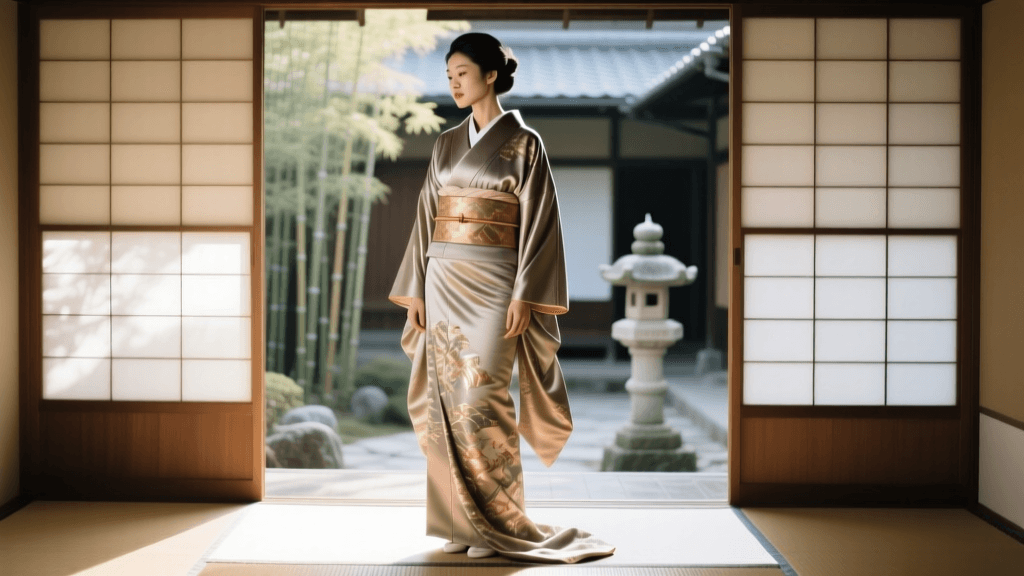
The Kimono Renaissance: Navigating Japanese Garments in 2026
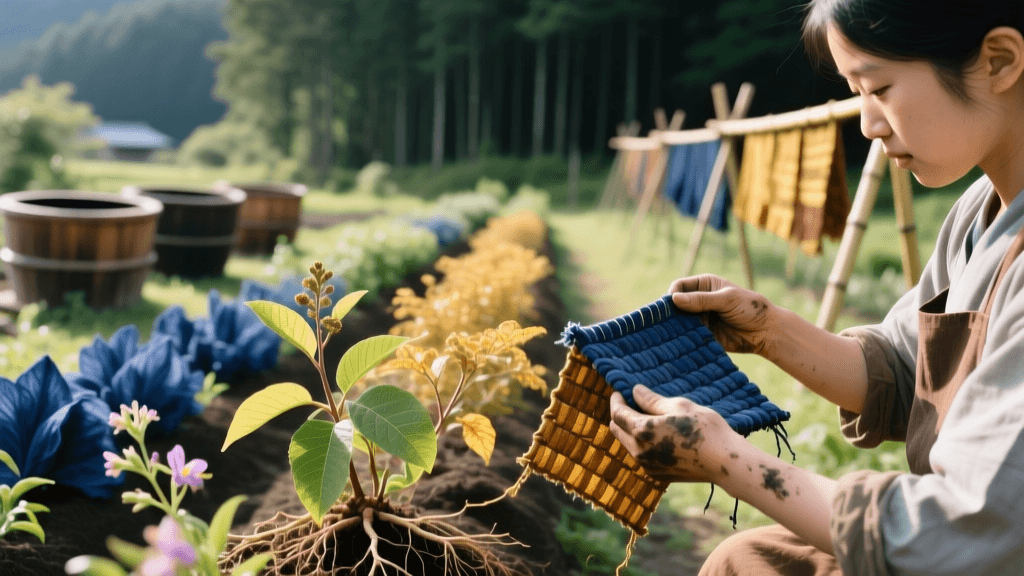
The landscape of traditional Japanese fashion has experienced a profound renaissance as we move through 2026. Driven by a global pivot toward sustainable, slow fashion and a renewed domestic appreciation for cultural heritage, the kimono is no longer relegated solely to coming-of-age ceremonies or weddings. Today, enthusiasts and newcomers alike are curating versatile, authentic wardrobes that respect historical formality while embracing modern practicality. According to cultural preservation initiatives tracked by UNESCO's Intangible Cultural Heritage registry, traditional textile techniques like Yuzen dyeing and Nishijin weaving remain vital, yet they are now being paired with innovative, eco-friendly care methods.
Building a kimono wardrobe requires an understanding of the strict formality hierarchy, the intricate layering system, and the nuances of sizing. Whether you are sourcing vintage silk from a Kyoto tansu (chest of drawers) or investing in modern washable silks, this complete 2026 guide will help you navigate the beautiful, complex world of Japanese traditional garments.
The Hierarchy of Japanese Kimono Types
The foundation of kitsuke (the art of wearing kimono) is understanding formality. Wearing a highly formal garment to a casual event, or vice versa, is considered a sartorial misstep. Below is the definitive hierarchy of kimono types, updated with 2026 market averages for high-quality vintage pieces.
| Garment Type | Formality Level | Sleeve Length | Primary Occasion | 2026 Avg. Vintage Price (USD) |
|---|---|---|---|---|
| Yukata | Casual | Standard | Summer festivals, casual lounging | $30 - $80 |
| Komon | Everyday / Casual | Standard | Dining out, casual classes, theater | $60 - $150 |
| Iromuji | Semi-Formal | Standard | Tea ceremonies, graduation | $100 - $250 |
| Tsukesage | Semi-Formal / Formal | Standard | Parties, formal dinners, exhibitions | $150 - $350 |
| Houmongi | Formal | Standard | Weddings (as guest), formal receptions | $200 - $500 |
| Furisode | Formal (Unmarried) | Long (100cm+) | Coming-of-age, weddings (as sister) | $300 - $800+ |
| Kurotomesode | Ultra-Formal (Married) | Standard | Weddings (as mother/close relative) | $250 - $600 |
Casual and Everyday Garments
Yukata: The Summer Staple
The yukata is the most accessible entry point into Japanese traditional wear. Originally worn as a bathrobe by the nobility in the Heian period, it evolved into the quintessential summer garment. In 2026, yukata are crafted from breathable cotton, cotton-linen blends, and advanced moisture-wicking synthetics. They are worn directly over basic undergarments without the need for a nagajuban (under-kimono). Paired with a simple hanhaba obi (half-width sash) and wooden geta sandals, the yukata is the uniform of summer matsuri (festivals) and fireworks displays.
Komon: The Everyday Silk
Komon translates to 'fine pattern.' These kimono feature a repeating design that covers the entire garment, with no specific directional flow. They are the workhorses of a modern kimono wardrobe. While vintage Komon are predominantly made of silk, the 2026 market has seen a massive surge in high-quality polyester and washable silk alternatives, allowing wearers to enjoy the elegance of Komon without the anxiety of expensive dry cleaning. They are perfect for museum visits, casual dining, and attending cultural workshops.
Semi-Formal and Formal Visiting Wear
Iromuji: Elegance in Solid Color
An Iromuji is a solid-colored kimono, dyed in any hue except black. The formality of an Iromuji is dictated by the number of kamon (family crests) applied to it. A one-crest Iromuji is the standard attire for tea ceremonies, as the subdued color and lack of flashy patterns ensure the wearer does not distract from the tea utensils or the host. In 2026, muted earth tones, dusty blues, and deep jewel tones are highly sought after in the vintage market.
Tsukesage and Houmongi: The Art of the Canvas
The distinction between Tsukesage and Houmongi often confuses beginners, but it lies in the pattern's continuity. A Tsukesage features patterns that are dyed or embroidered onto the fabric before it is cut and sewn, meaning the designs generally stay below the waist and do not cross the seams. It is a versatile semi-formal garment.
A Houmongi (visiting wear), however, is woven and dyed after the kimono is temporarily basted together. This allows for eba-moyo—a continuous, picture-like pattern that flows seamlessly across the back seams, sleeves, and hem. The Houmongi is the highest formality for married women attending weddings as guests. The Metropolitan Museum of Art's Asian Art Department frequently highlights the structural brilliance of these seamless panoramic dyeing techniques, which require master-level precision.
Ceremonial and Age-Specific Garments
Furisode: The Swinging Sleeves
The Furisode is instantly recognizable by its dramatically long, swinging sleeves, which can measure anywhere from 85cm to over 110cm in length. Historically, the swinging motion of the sleeves was believed to ward off evil spirits and attract good fortune. Today, it is the undisputed formal wear for unmarried young women, worn primarily for Seijin no Hi (Coming of Age Day) and by the bride's unmarried sisters at weddings. Due to the immense amount of fabric and intricate shibori or yuzen craftsmanship required, new bespoke Furisode in 2026 can easily exceed $5,000 USD, making the vintage and rental markets incredibly popular.
Tomesode: The Pinnacle of Formality
For married women, the Kurotomesode (black with patterns only below the waist and five family crests) is the most formal kimono, reserved exclusively for the mothers of the bride and groom. The Irotomesode is a colored version that is slightly less formal but equally breathtaking, often featuring elaborate gold and silver thread embroidery.
Essential Undergarments and the Kitsuke System
A kimono is never worn directly against the skin. The kitsuke system relies on a specific layering of undergarments to protect the expensive outer silk from body oils and to create the ideal cylindrical silhouette.
- Hadajuban & Susoyoke: The base layer, consisting of a thin cotton or silk camisole and a wrap skirt. In 2026, moisture-wicking athletic fabrics are frequently used as modern substitutes for summer comfort.
- Nagajuban: The under-kimono. Only the collar (eri) and the very bottom of the sleeves and hem are visible. A crisp, white, heavily starched han-eri (half-collar) is attached to the nagajuban and is a crucial marker of neatness and formality.
- Koshihimo & Datejime: Cotton ties and wide elasticized silk belts used to secure the layers in place before the obi is tied.
- Obiita: A stiff board inserted into the front of the obi to prevent creasing and ensure a smooth, flawless finish.
The Japan National Tourism Organization (JNTO) notes a significant surge in international visitors participating in authentic kitsuke workshops, where mastering the tying of the Nagoya obi (for casual/semi-formal wear) and the Fukuro obi (for formal wear) is a central focus.
Sizing, Tailoring, and the 2026 'One-Size' Myth
Unlike Western clothing, kimono are not sold in standard S, M, L sizes. They are measured primarily by Taken (total length from shoulder to hem) and Mitsuhiro (the width of the back panel). A traditional kimono is tailored to the wearer's height, with the ideal length being equal to the wearer's height plus or minus a few centimeters to allow for the ohashori (the fold at the waist).
In 2026, the average height of Japanese women has increased significantly compared to the mid-20th century, meaning many vintage kimono found in thrift stores are too short for modern wearers. This has led to a boom in remake culture, where shorter vintage kimono are professionally altered, or dyed and re-tailored (shitate-naoshi) to fit modern proportions. Expect to pay between $150 and $300 USD for professional disassembly, cleaning, and re-tailoring by a master artisan in Kyoto or Tokyo.
Sustainable Sourcing and Modern Care
The most sustainable way to build a kimono wardrobe in 2026 is through the vibrant vintage market. Japan's meticulous culture of garment care means that silk kimono from the 1970s and 1980s are often found in pristine condition. When shopping, always check the condition of the silk at the shoulders and the hem, and smell the garment for the distinct scent of old camphor or mold, which can be difficult to remove.
For care, the traditional araihari method—where the kimono is completely taken apart, washed as flat bolts of fabric, and re-sewn—remains the gold standard for preserving heirloom silks. However, for everyday wear, the 2026 market is dominated by advanced washable silks and high-grade polyesters that mimic the drape and texture of chirimen (crepe silk) and rinzu (damask), allowing enthusiasts to machine-wash their casual garments at home.
Conclusion
Building a Japanese kimono wardrobe is a journey of cultural immersion, aesthetic appreciation, and historical respect. By understanding the formality hierarchy, investing in the correct undergarments, and embracing both vintage treasures and modern textile innovations, you can curate a collection that honors the past while functioning beautifully in the present. Whether you are tying a simple yukata for a summer evening or draping a formal Houmongi for a wedding, the kimono remains one of the most magnificent and enduring garments in global fashion history.