Sensory Kimono Experience: Fabric Sound & Texture 2026
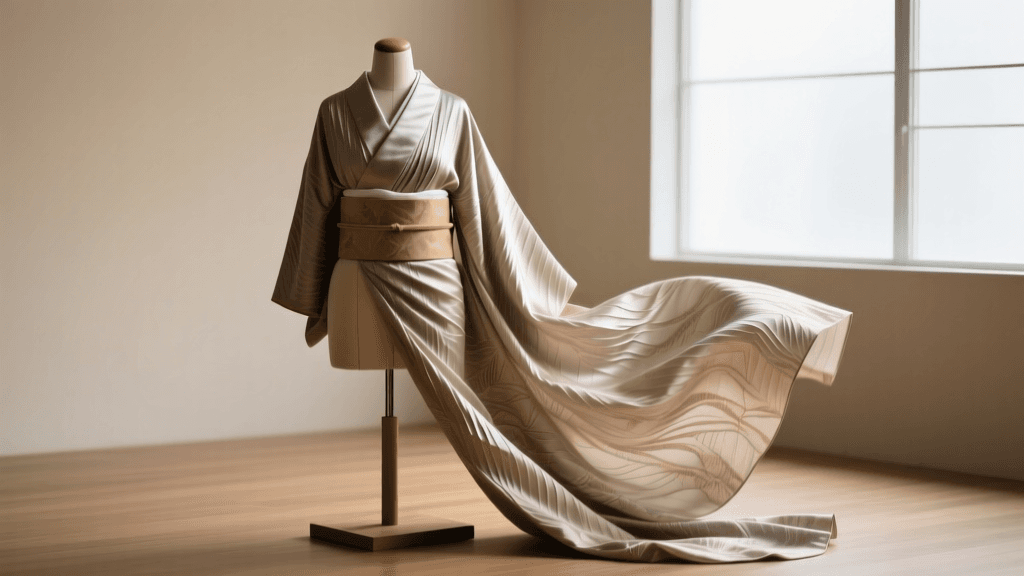
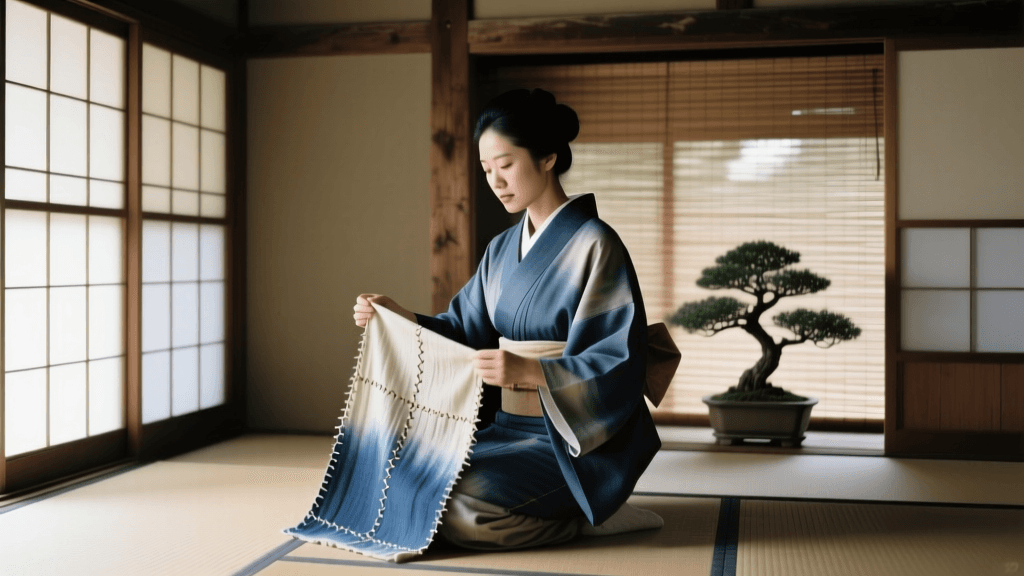
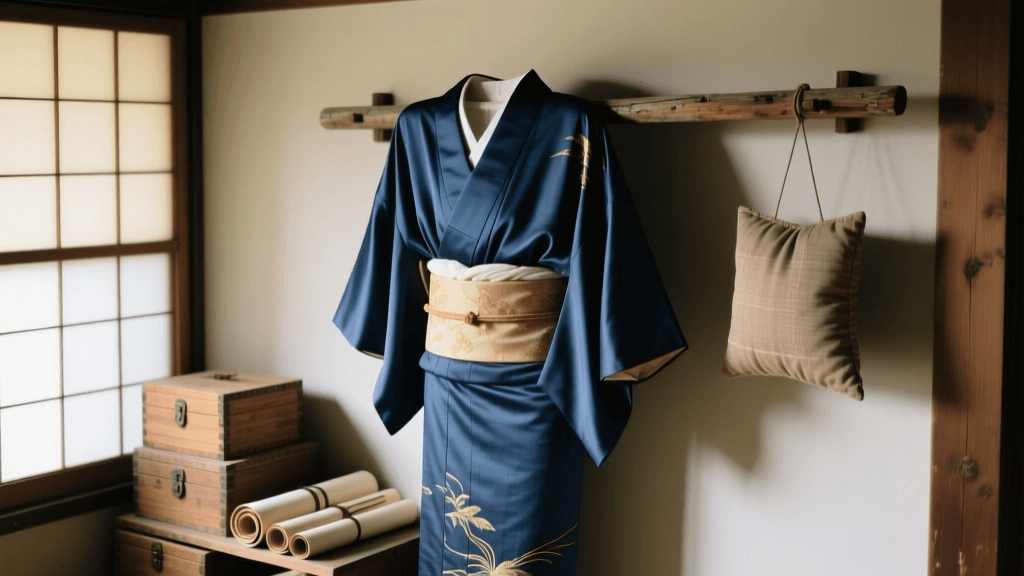
When the world thinks of the traditional Japanese kimono, the mind immediately conjures vivid visual imagery: the sweeping arcs of a crane motif, the deep indigo of shibori dyeing, or the vibrant crimson of an autumn maple leaf. However, to truly understand Japanese garment traditions, one must look beyond the visual. The kimono is a profoundly multi-sensory garment. In 2026, a growing movement among textile conservators, fashion historians, and cultural enthusiasts has shifted focus toward the tactile and auditory experiences of traditional Japanese clothing. The way a garment feels against the skin, how it regulates temperature, and the distinct acoustic signature it produces during movement are just as vital to its identity as its visual pattern.
This sensory appreciation is deeply rooted in the Japanese aesthetic concept of shibui—a subtle, unobtrusive beauty that appeals to multiple senses and reveals its depth over time. As we navigate the cultural landscape of 2026, understanding the fabric texture, sound, and sensory experience of the kimono offers a richer, more immersive connection to Asian traditions.
The Auditory Landscape of Silk: Chirimen vs. Tsumugi
The sound of a kimono in motion is not merely a byproduct of wearing clothes; it is a deliberate acoustic experience. In Japanese, the rustling sound of silk is known as kinu-zure. This gentle, rhythmic swishing is highly prized and is considered an essential component of the garment's elegance. However, not all silks sound the same. The acoustic profile of a kimono is dictated by its weaving technique, yarn twist, and fiber preparation.
The Soft Rustle of Chirimen (Crepe Silk)
Chirimen is a type of crepe silk characterized by its bumpy, textured surface known as shibo. This texture is achieved through a meticulous weaving process where the weft yarns are tightly twisted—often up to 3,000 twists per meter. After weaving, the fabric is boiled, which relaxes the yarns and causes them to shrink and buckle, creating the signature micro-texture. Acoustically, this uneven surface scatters sound waves. When layers of chirimen rub against one another, the result is a soft, muted, and deeply resonant rustle. It is a quiet, intimate sound that requires the listener to be in close proximity.
The Crisp Percussion of Tsumugi (Pongee)
In stark contrast is tsumugi, a rustic silk woven from silk noil (the shorter fibers left over after reeling long filaments). Because the fibers are spun by hand or specialized machines into yarns with irregular thicknesses, the resulting fabric has a slubbed, uneven surface. Tsumugi is stiffer and more structured than chirimen. When a wearer moves in a tsumugi kimono, the friction between the fibers produces a crisper, more percussive sound—a distinct, papery swish that projects slightly further than the muted whisper of chirimen.
| Fabric Type | Weave & Texture | Tactile Sensation | Acoustic Profile (Kinu-zure) | Ideal Season |
|---|---|---|---|---|
| Chirimen | Tight twist, crepe (shibo) | Soft, yielding, slightly bumpy | Muted, deep, intimate rustle | Autumn / Winter |
| Tsumugi | Slubbed, irregular spun silk | Crisp, structured, earthy | Sharp, percussive, papery swish | Spring / Autumn |
| Ro / Sha | Leno weave, open gaps | Cool, lightweight, sheer | Faint, breezy, almost silent | Summer |
| Omeshi | Pre-dyed, heavily sized | Heavy, grounded, smooth | Loud, distinct, rhythmic sweep | Winter / Formal |
Tactile Dimensions: Weight, Drape, and Temperature
The tactile experience of a kimono extends far beyond the surface texture of the silk. It encompasses the weight of the garment, the way it drapes over the body, and its thermal properties. Traditional Japanese clothing is designed to work in harmony with the country's distinct four seasons, and the sensory feedback of the fabric is a primary indicator of seasonal appropriateness.
During the humid Japanese summer, garments woven from ro and sha are favored. These fabrics utilize a leno weave, where warp yarns are twisted around each other to create tiny, stable gaps in the textile. Tactilely, these fabrics feel cool to the touch and exceptionally light. The open weave allows ambient air to circulate directly against the skin, creating a subtle cooling sensation with every step. The drape is fluid but lacks the heavy anchoring of winter silks, giving the wearer a sensation of weightlessness.
Conversely, winter garments like omeshi or lined awase kimonos provide a deeply grounding tactile experience. Omeshi silk is heavily treated with natural starches before weaving and then washed, resulting in a dense, heavy fabric that resists wrinkling. When worn, an omeshi kimono feels substantial, wrapping the wearer in a protective, weighted embrace that is both comforting and structurally supportive. The friction between the outer silk and the inner juban (undergarment) creates a micro-climate that traps body heat, providing a profound sense of warmth and security against the winter chill.
2026 Innovations in Sensory Preservation
As we move through 2026, the preservation of Asian traditions has evolved beyond simply protecting textiles from light and pests. Textile conservators are now actively working to preserve the sensory data of historical garments. Because silk degrades over time—losing its tensile strength, its luster, and its acoustic properties—the specific sound of a Meiji-era chirimen kimono is at risk of being lost forever.
Institutions are now employing advanced acoustic mapping and haptic feedback technologies to archive these sensory profiles. According to recent cultural heritage initiatives documented by the UNESCO Intangible Cultural Heritage registry, the preservation of traditional silk weaving in Japan encompasses not just the physical techniques, but the holistic sensory outcomes of the craft. By using laser Doppler vibrometers, researchers can measure the exact acoustic frequencies produced when vintage fabrics are subjected to controlled friction. This data is then translated into digital haptic models, allowing future generations to 'feel' and 'hear' the exact properties of a 19th-century tsumugi textile through sensory feedback gloves, even if the original garment is too fragile to be handled.
Furthermore, major exhibitions in 2026, such as those hosted at the Kyoto National Museum, have begun integrating directional audio installations. Visitors walking past Edo-period kosode displays can hear the amplified, historically accurate kinu-zure of the specific fabrics on display, bridging the gap between visual observation and full sensory immersion.
The Art of Dressing: How Movement and Layering Create Sound
The sound of a kimono is not generated by the outer layer alone; it is the result of a complex, multi-layered system. The traditional dressing process, or kitsuke, involves several layers that interact dynamically. The nagajuban (under-kimono), typically made of lightweight silk or breathable hemp, slides against the inner lining of the outer kimono. The koshihimo (tying sashes) and the stiff, heavily brocaded obi create zones of high tension and friction.
When a wearer walks, the restricted hemline of the kimono forces a specific, gliding gait known as suriashi (sliding feet). This deliberate movement prevents the garment from swinging wildly, instead causing the layers to slide smoothly against one another in a continuous, rhythmic wave. The resulting sound is a sustained, sweeping whisper that syncs perfectly with the wearer's breathing and footsteps. Adding to this auditory landscape is the footwear: the sharp, wooden clack of geta or the soft, woven straw shuffle of zori on tatami mats or stone pathways provides the percussive baseline to the silk's melodic rustle.
'To wear a kimono is to wear an instrument. The silk is the string, the body is the bow, and the act of walking through the world is the music.' — Anonymous Kyoto Textile Artisan, 2026.
Experiencing the Sensory Kimono in 2026: A Practical Guide
For travelers, collectors, and cultural enthusiasts visiting Japan in 2026, engaging with the sensory aspects of the kimono requires a mindful approach. According to the Japan National Tourism Organization, immersive cultural experiences are at an all-time high, with many studios now offering specialized sensory-focused dressing sessions.
- Request a Silk Juban: When renting or purchasing a kimono, ensure the undergarment (juban) is made of real silk or high-quality rayon, not polyester. Polyester creates a synthetic, squeaky friction that completely ruins the authentic kinu-zure sound and traps heat uncomfortably.
- Test the Acoustic Drape: Before finalizing a purchase or rental, rub the sleeve layers together gently near your ear. Listen for the depth of the sound. A high-quality chirimen will sound like a soft breeze, while synthetic blends will sound flat and plasticky.
- Practice Suriashi: To maximize the acoustic and tactile experience, practice the sliding walk. Keep your knees slightly bent, toes pointing forward, and glide your feet just millimeters above the ground. This not only protects the hem but optimizes the layered friction of the silk.
- Visit Acoustic Archives: Seek out modern textile museums in Kyoto and Kanazawa that have integrated haptic and audio-sensory exhibits into their 2026 galleries, allowing you to understand the physics of the weave before you even touch the fabric.
Ultimately, the kimono is a masterclass in holistic design. It demands that the wearer slow down, pay attention to the micro-sensations of temperature and texture, and listen to the quiet music of their own movements. By embracing the fabric texture, sound, and sensory experience of these garments, we preserve not just the physical threads of Asian traditions, but the living, breathing poetry of how they were meant to be felt.