Kimono Milestones 2026: Shichi-Go-San to Seijin-Shiki Guide
The Sartorial Journey: Kimono Across Japanese Life Stages in 2026
In Japan, the passage of time is not merely measured in years, but in the garments worn to celebrate life’s most pivotal transitions. As we navigate the cultural landscape of 2026, the kimono remains a profound marker of identity, maturity, and social standing. While everyday fashion in Tokyo and Kyoto has fully embraced global trends, the traditional garment holds an unbreakable monopoly on life’s major milestones. From a child’s first shrine visit to a bride’s procession, the kimono is a living archive of personal history.
According to the Agency for Cultural Affairs, Japan, the preservation of these sartorial rituals is a cornerstone of national heritage. Yet, the way Japanese families acquire, wear, and care for these garments has evolved significantly. In 2026, a hybrid approach of high-tech preservation, sustainable silk sourcing, and premium rental services dominates the market. This comprehensive guide explores the specific kimono styles designated for each major life stage, complete with 2026 market insights, styling rules, and preservation techniques.
Shichi-Go-San: The Childhood Milestones (Ages 3, 5, and 7)
Celebrated annually on November 15th, Shichi-Go-San (literally "Seven-Five-Three") is a rite of passage for young children. Families visit Shinto shrines to pray for the health, growth, and longevity of their offspring. The garments worn during this festival are highly specific to the child's age and gender.
Age 3: The Hifu Vest
At age three, both boys and girls traditionally celebrate, though modern 2026 practices predominantly focus on girls. A three-year-old girl wears a standard children's kimono paired with a hifu—a padded, sleeveless vest. The hifu is designed to hide the stiff, uncomfortable obi (sash), allowing the toddler to move freely while maintaining a festive, layered silhouette. In 2026, parents are increasingly renting hifu sets made from washable, hypoallergenic synthetic silks, though premium rental packages still offer traditional Yuzen-dyed chirimen (crepe silk).
Age 5: The First Hakama
Five-year-old boys celebrate by donning their first hakama (pleated trousers) and a crested haori (half-coat). The outfit is modeled after adult formal wear, symbolizing the boy's entry into the broader community. The haori is typically adorned with the family crest (kamon), and the boy carries a traditional fan (sensu) and a protective charm (omamori).
Age 7: The Transition to the Obi
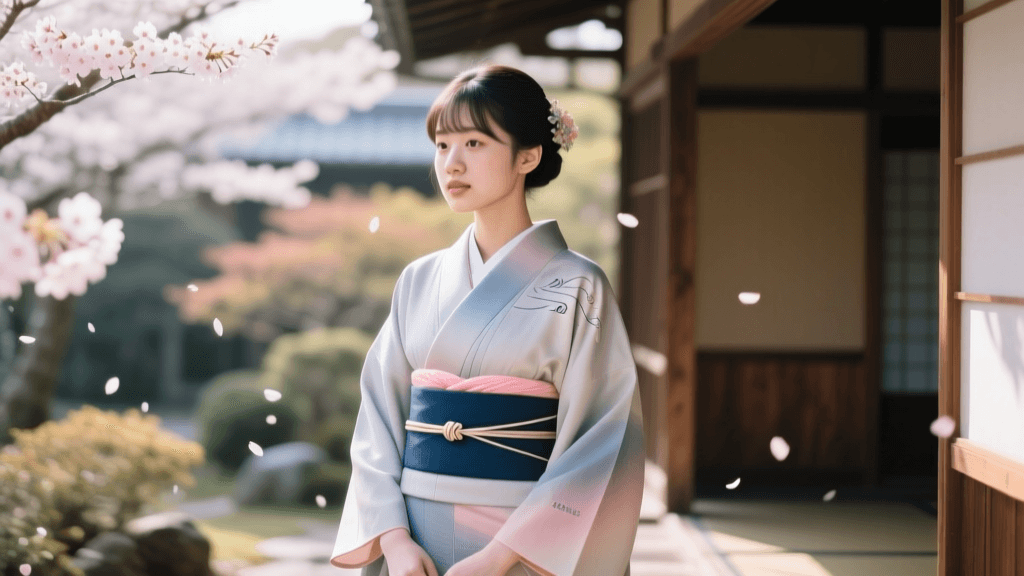
At age seven, girls transition from the simple cord-tied garments of early childhood to wearing a proper, structured obi. A decorative sash called a shigoki is tied over the main obi, allowing the excess fabric to drape elegantly. The kimono itself features vibrant, auspicious motifs such as pine, bamboo, and plum blossoms. As noted by cultural tourism resources like the Japan National Tourism Organization (JNTO), shrine visits during November create a stunning visual tapestry of these traditional garments against the backdrop of autumn foliage.
Seijin-shiki: Coming of Age at 20
Held on the second Monday of January, Seijin-shiki (Coming of Age Day) welcomes young adults who have turned 20 over the past year. This is arguably the most vibrant and heavily invested kimono milestone in a Japanese person's life.
The Furisode: Anatomy of Youthful Elegance
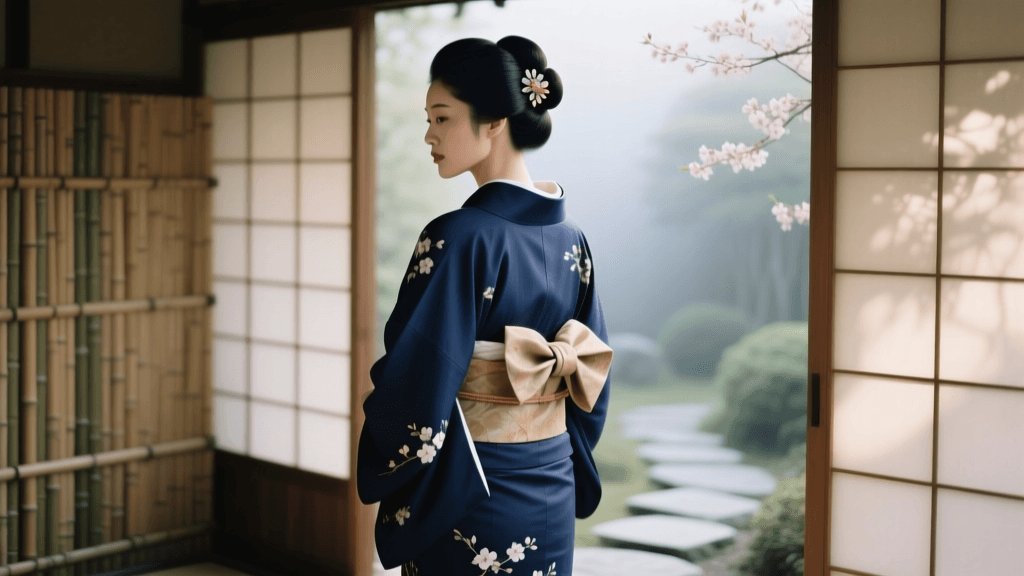
Unmarried young women celebrate by wearing a furisode, a kimono characterized by its dramatically long, swinging sleeves. The length of the sleeve denotes the formality of the garment:
- Oh-furisode (Large): Sleeves measuring 114cm or more. Reserved for brides and the most formal events.
- Chu-furisode (Medium): Sleeves measuring around 100cm. The standard and most popular choice for Seijin-shiki in 2026.
- Ko-furisode (Small): Sleeves measuring around 85cm. Rarely seen today, mostly used for historical reenactments or specific stage performances.
The furisode is paired with a highly decorative, stiff fukuro obi, often tied in elaborate, floral-inspired knots like the fukura-suzume (puffed sparrow). In 2026, digital textile printing has allowed for hyper-personalized furisode designs, enabling young women to incorporate subtle modern aesthetics—such as watercolor gradients or geometric Art Deco revivals—while maintaining the strict traditional silhouette.
Men's Attire: Hakama vs. Suits
While many young men opt for Western suits, there has been a notable 2026 resurgence in traditional male formalwear. Those choosing tradition wear a solid black or dark navy montsuki hakama (crested kimono with pleated trousers), featuring five family crests. This outfit projects a solemn, dignified maturity, contrasting sharply with the vibrant colors worn by their female peers.
Marriage: The Bridal Transition
A traditional Japanese wedding involves multiple outfit changes, each representing a different facet of the bride's transition into her new family.
Shiromuku: The Pure White Canvas
For the Shinto ceremony, the bride wears a shiromuku, an ensemble where every layer—from the under-kimono to the outer robe (uchikake)—is pure white. Historically, this symbolized the bride's purity and her willingness to be "dyed" in the colors of her groom's family. In 2026, brides often pair the shiromuku with a tsunokakushi (horn-hiding hood) or a large, floral wataboshi cap, and carry a small, ornate sword (kaiken) tucked into the obi.
Iro-uchikake and Hiki-furisode
For the reception, the bride typically changes into an iro-uchikake, a heavily padded, brightly colored outer robe featuring lavish embroidery, gold leaf, and auspicious motifs like cranes and turtles. Alternatively, some modern brides opt for a hiki-furisode (a trailing furisode), which bridges the gap between youthful unmarried status and married elegance, often dyed in deep, sophisticated hues like emerald green or royal purple.
Maturity: Tomesode and Houmongi
Once a woman marries, her kimono wardrobe shifts to reflect her new social standing, prioritizing understated elegance over the flashy sleeves of youth.
Kurotomesode: The Pinnacle of Married Formality
The kurotomesode is a black kimono featuring one, three, or five family crests. The defining characteristic is that the intricate, painted motifs (often landscapes or classical poetry scenes) are confined strictly to the lower half of the garment, below the obi. A five-crest kurotomesode is the most formal attire a married woman can wear, typically reserved for the mothers of the bride and groom at weddings.
Houmongi: The Versatile Visiting Kimono
For graduations, tea ceremonies, and formal gallery openings, married and unmarried women alike wear the houmongi (visiting kimono). Unlike the tomesode, the houmongi features patterns that flow continuously across the seams, draping like a single, cohesive painting. It is the quintessential "social" garment of the 2026 Japanese woman, balancing respect for tradition with artistic expression.
2026 Market Analysis: Rental vs. Purchase
The economics of kimono ownership have shifted dramatically. Due to the high cost of artisanal silk and the specialized care required, the 2026 market is heavily skewed toward premium rentals for one-off events. However, heirloom purchases remain vital for core garments. Below is a comparative look at current market rates in Japanese Yen (JPY).
| Life Stage / Event | Garment Type | 2026 Premium Rental (JPY) | 2026 Artisan Purchase (JPY) | Booking Lead Time |
|---|---|---|---|---|
| Shichi-Go-San (Age 7) | Yuzen Kimono + Shigoki | ¥35,000 - ¥60,000 | ¥150,000 - ¥250,000 | 3-4 Months |
| Seijin-shiki | Chu-Furisode + Fukuro Obi | ¥120,000 - ¥300,000 | ¥400,000 - ¥1,500,000+ | 12-18 Months |
| Wedding (Ceremony) | Shiromuku Full Set | ¥150,000 - ¥250,000 | ¥800,000 - ¥2,000,000 | 6-9 Months |
| Wedding (Mother) | Kurotomesode (5 Crests) | ¥80,000 - ¥150,000 | ¥300,000 - ¥600,000 | 2-3 Months |
| Formal Visits | Houmongi + Nagoya Obi | ¥40,000 - ¥80,000 | ¥250,000 - ¥500,000 | 1-2 Months |
Note: Rental packages in 2026 typically include professional dressing (kitsuke), hair styling, and accessories, which accounts for the high baseline cost.
Preservation and Modern Care in 2026
Owning a silk kimono is an exercise in environmental management. Traditional storage relies on tansu chests made from paulownia wood (kiri), which naturally regulates humidity and repels insects. However, in modern 2026 apartments where space is at a premium, collectors and families are turning to smart, climate-controlled wardrobe inserts that maintain a strict 50% humidity level to prevent mold and silk degradation.
When cleaning is required, the traditional arai-hari method is still the gold standard for heirloom pieces. This involves completely unpicking the kimono's seams, washing the flat fabric panels in specialized solutions, stretching them on bamboo frames to dry, and re-sewing them. While expensive, conservation experts, such as those documented by the Victoria and Albert Museum's Asian Collections, emphasize that this method prevents the structural warping that modern dry cleaning often inflicts on delicate chirimen and rinzu silks.
Conclusion: A Living Tradition
The kimono is far from a static museum piece. As Japanese society moves through 2026, the garments worn for Shichi-Go-San, Seijin-shiki, and marriage continue to adapt, integrating sustainable materials and modern logistics while fiercely guarding their symbolic core. To wear a kimono at a life milestone is to participate in an unbroken dialogue between generations, wrapping oneself in the artistry, expectations, and profound beauty of Asian tradition.